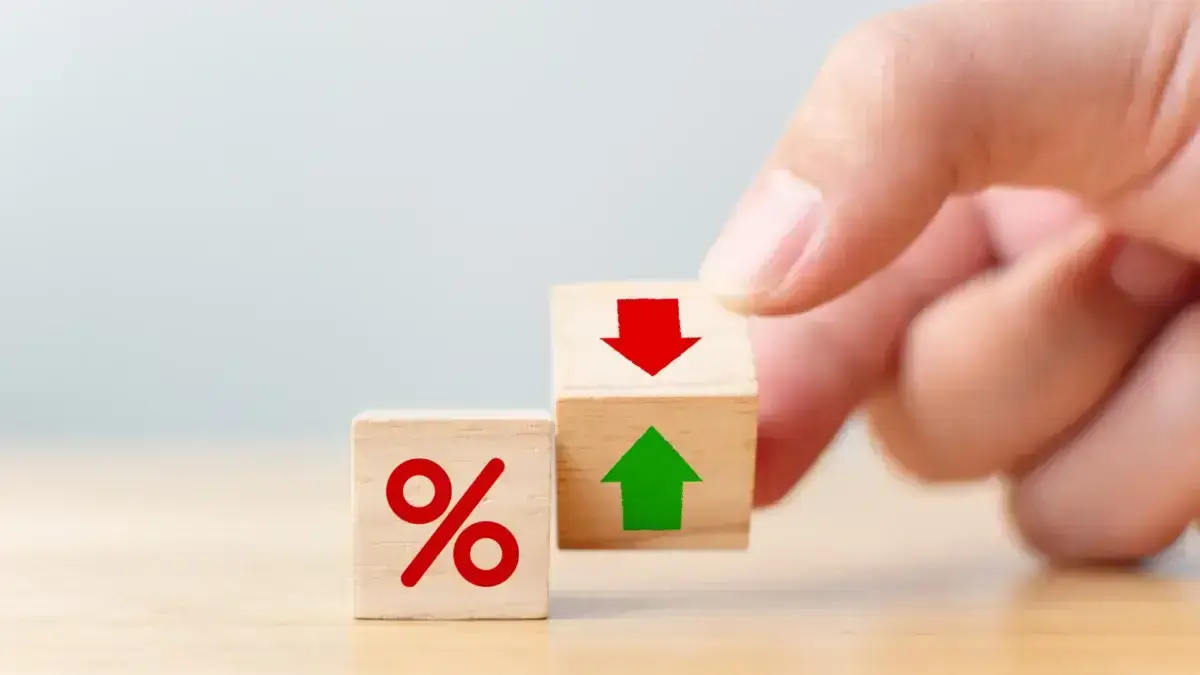
The impact of rising interest rates on the real estate market
The impact of rising interest rates on the real estate market
The rise in interest rates has multidimensional effects on the real estate market, affecting everything from access to credit to the evolution of supply and demand curves.
Below, we present some of its direct and indirect effects on housing prices, followed by a brief final personal reflection.
Direct effects
Reduced purchasing power
The increase in interest rates raises the monthly cost of mortgages, which limits buyers' borrowing capacity.
In the case of investing in properties intended for rental, the rate hike reduces the financing margin, since a larger proportion of the investor's rental income must go toward paying the mortgage. Faced with this situation, investors typically choose between two alternatives: putting up a larger share of the investment with their own capital, or seeking properties at more competitive prices.
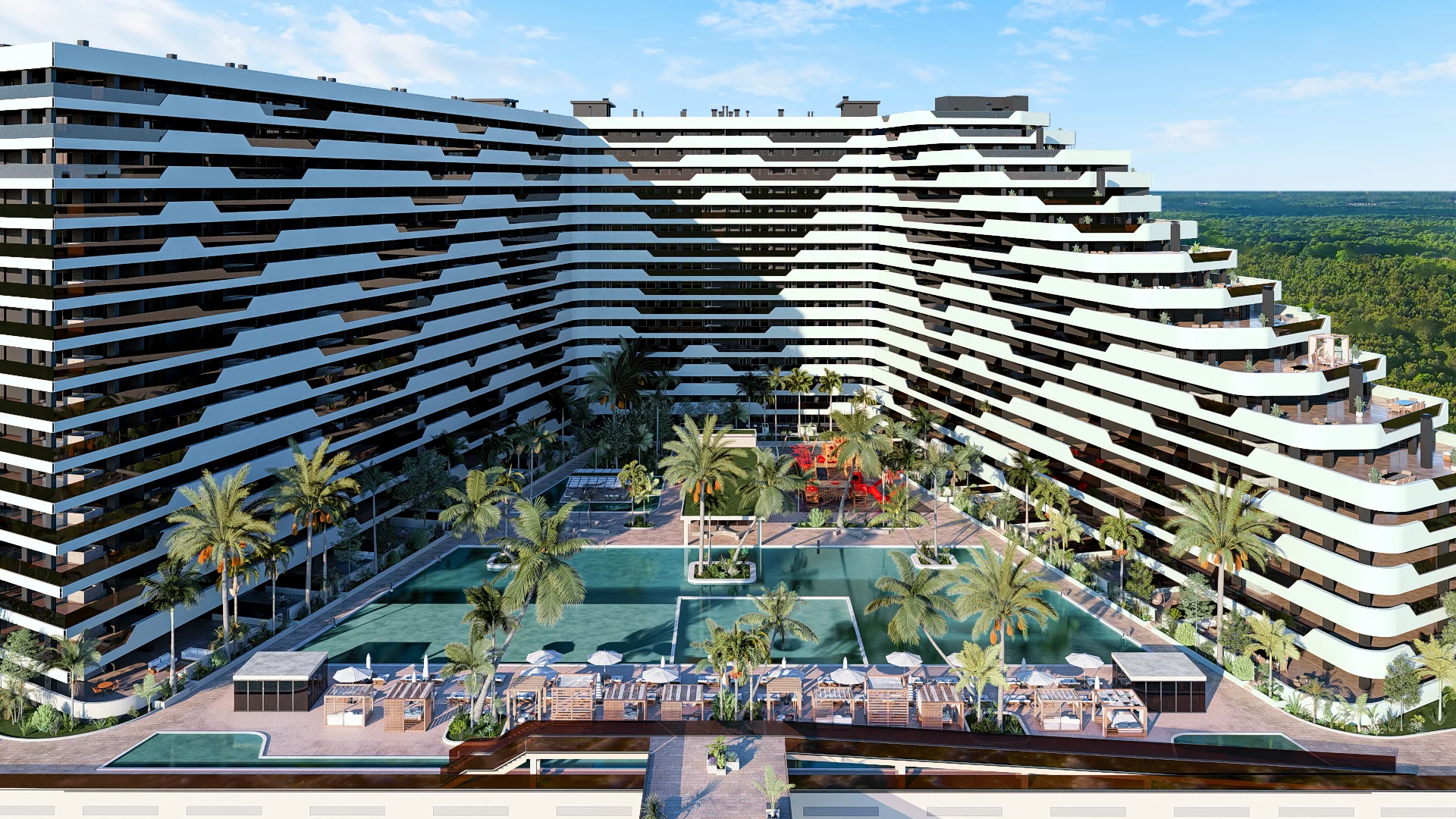
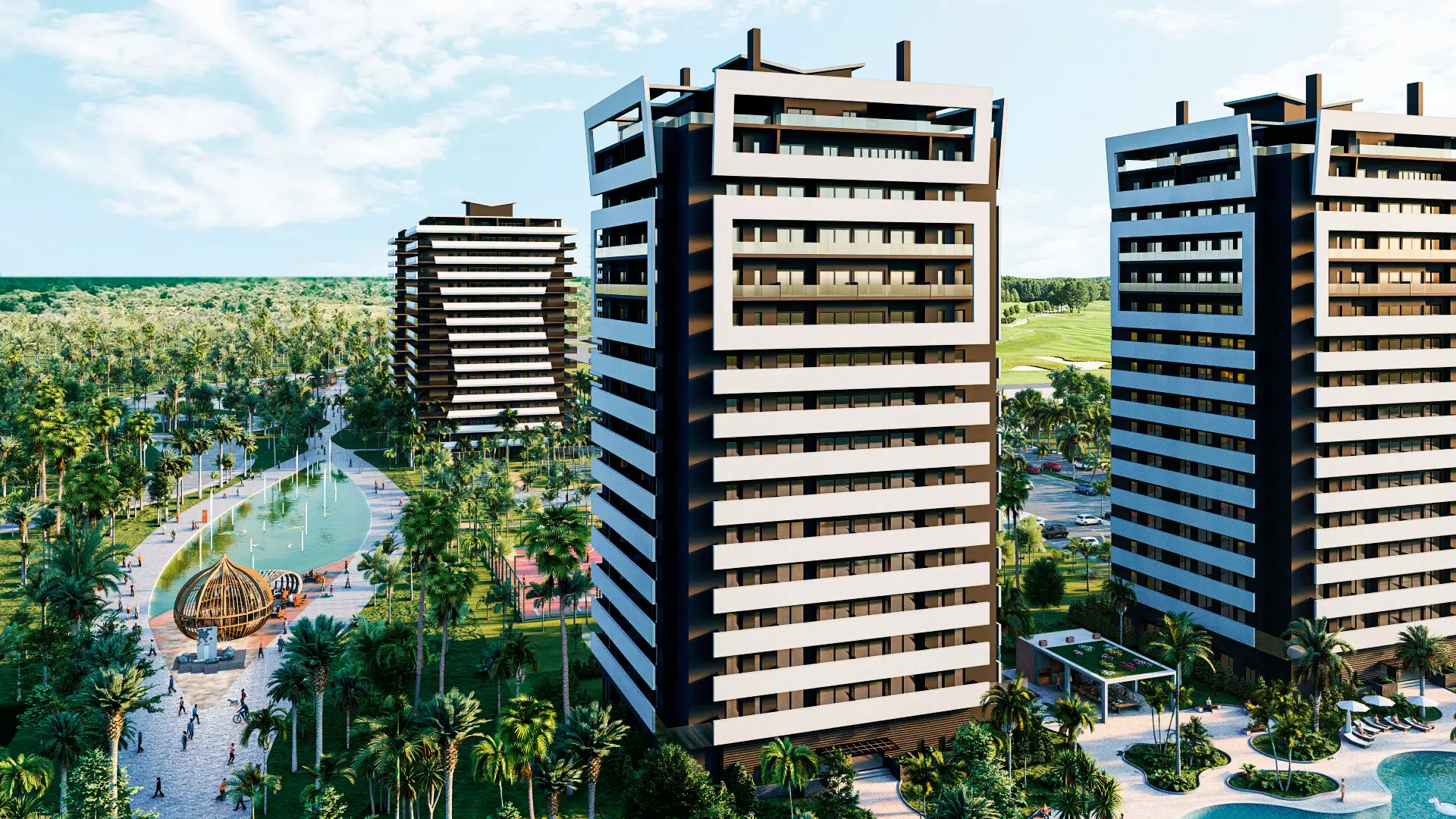
An interesting option in this context is exploring emerging real estate markets with appreciation potential, such as high-end urban developments in progress — for example, Larimar City & Resort, which offers attractive opportunities for both residence and investment.
Downward pressure on prices
Historically, increases in interest rates have been correlated with declines in housing prices, due to reduced buyer purchasing power. However, in the current context, this trend is not being clearly reflected. The reason is that demand far exceeds the supply of new housing, which sustains upward prices despite credit becoming more expensive.
Indirect effects
Impact on housing supply
High interest rates make access to financing more expensive for real estate developers, which can result in reduced construction of new housing or the transfer of the cost increase to the final price for buyers.
Additionally, in markets with strong demand, this supply contraction can become a catalyst that further drives prices up.
Rising rents
As mentioned above, the rate hike mainly affects variable-rate mortgages. Owners who bought properties to rent them out — and see their financing costs rise — may pass this increase on to rental prices. In parallel, the difficulty of accessing credit to buy a home leads more people to postpone purchasing their first property, increasing rental demand and, consequently, driving rental prices up.
Conclusions
The increase in interest rates acts as a filter in the real estate market, limiting access for young buyers and strengthening investors with greater own funds available to invest.
Despite the rate increases, housing prices maintain their upward trend. This is largely due to the shortage of new housing supply following the financial crisis, while families have accumulated savings. In particular, the age segment between 55 and 65 shows a high investment capacity that absorbs much of the available supply. It has also been shown that the main motivation leading them to do so is seeking a supplement for their retirement that allows them to maintain a good standard of living.
The difficulty of accessing credit reinforces the appeal of real estate investment for those with available capital. In inflationary environments, housing is perceived as a safe-haven asset, and the growing rental demand — driven by credit limitations — generates additional pressure on rental prices.
For this reason, it's worth analyzing why investing in well-planned real estate destinations can be a smart decision, especially when they combine long-term vision, tax advantages, and high projected demand.
By Álvaro Meca
Deputy Director
Larimar City & Resort
Featured projects
Explore the residential projects of Larimar City mentioned in this article.

Smart Investment
Join the first Smart City in the Caribbean. Discover how Larimar City redefines safety and property value in Punta Cana.
Request information