Institutional investment in the Dominican Republic: fiscal efficiency and benefits for large operators at Larimar City
The map of large-scale real estate investment is undergoing a profound transformation, in which hotel corporations and institutional funds (large entities that pool the capital of thousands of small savers, companies, or mutual funds to make large-scale investments) no longer seek isolated assets, but integrated urban ecosystems that guarantee profitability, sustainability, and security for their investments. In this scenario of ever-increasing competition, the Dominican Republic has established itself as one of the economic engines of the Caribbean, backed by a tourism sector that never stops growing. During 2025, the country broke its own records by registering the arrival of more than 11.6 million international visitors, an activity that represents, directly and indirectly, up to 16% of the national Gross Domestic Product (GDP).
Within this growth dynamic, Punta Cana stands as the absolute epicenter of the region's tourist and residential demand. This enclave concentrates 72% of the international tourist flow that visits or travels to the country, which translates into more than 8 million travelers a year, most of whom seek superior standards of accommodation and experience. It is this mass of consumers that is driving a shift in the sector: the transition from the traditional, isolated resort model toward investment in large, planned urban infrastructures. It is in this mature, high-absorption market context that Larimar City & Resort emerges.
The Smart City philosophy as an operating-cost optimizer
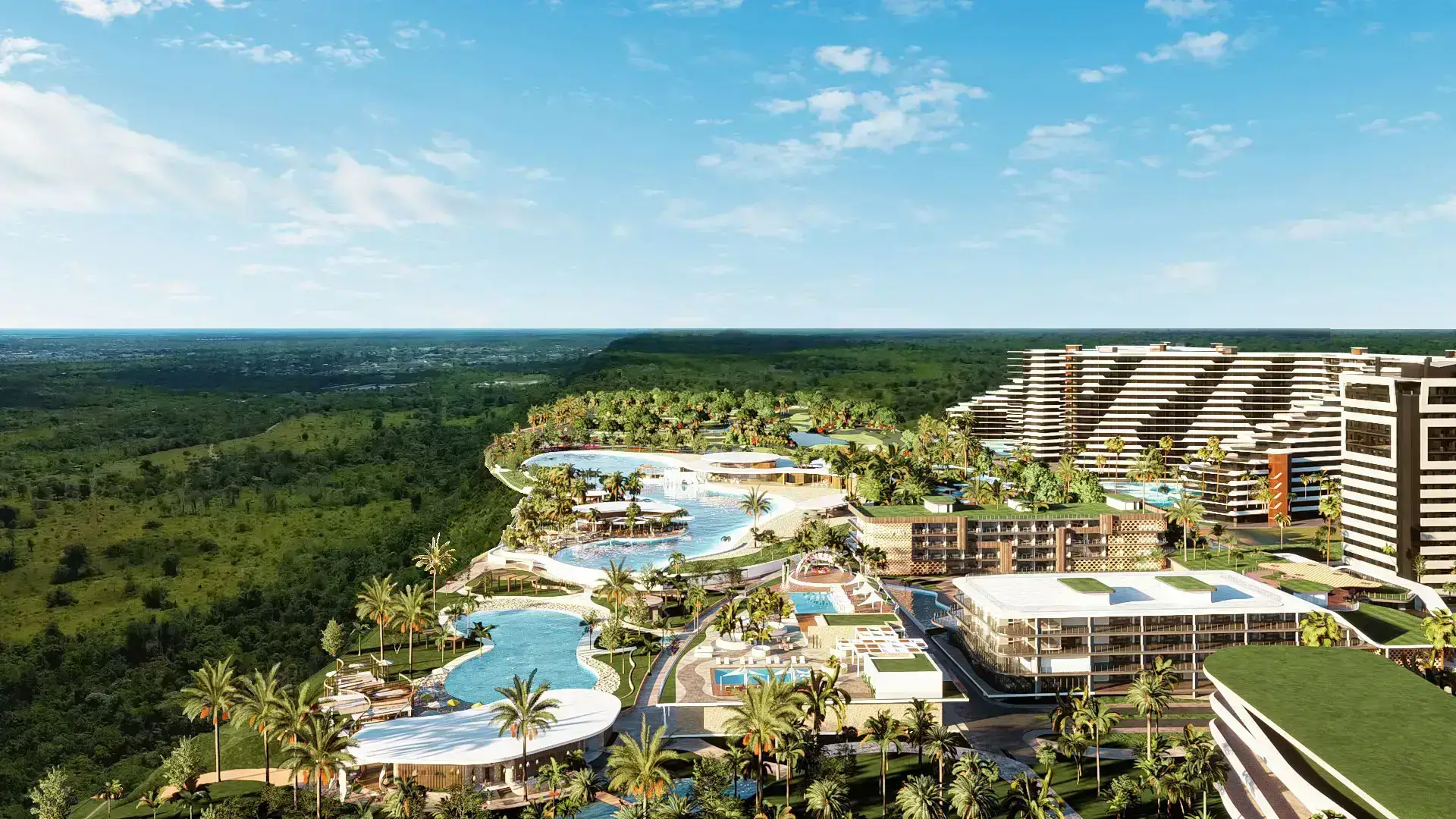
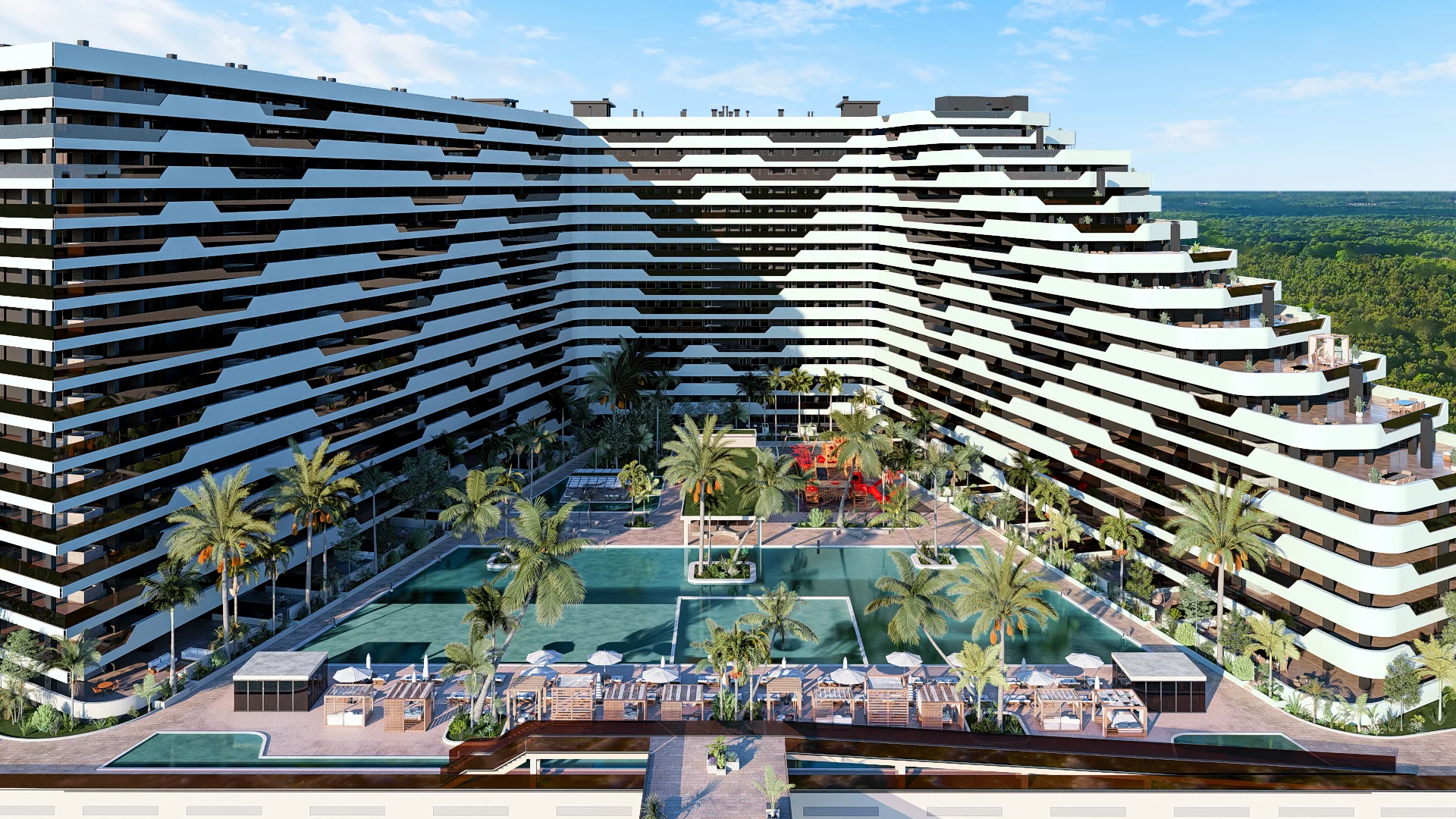
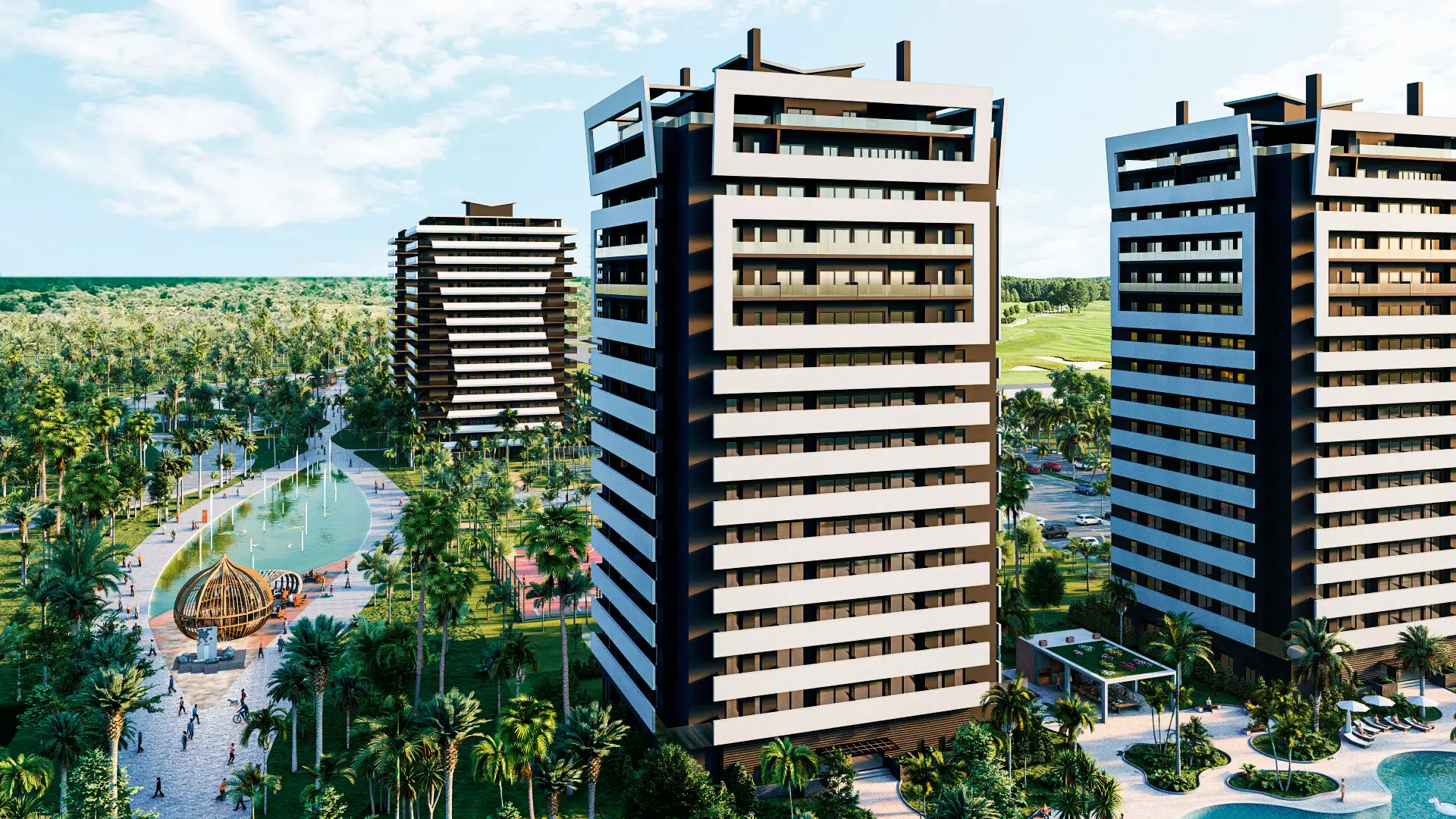
One of the core values of Larimar City & Resort is its development and constitution as the first wellness-oriented smart city in the Caribbean. Larimar is being built on an imposing natural cliff 100 meters above sea level and just 10 km from the coast of Punta Cana, offering unique panoramic views of the area, as well as urban and land planning designed expressly to achieve maximum energy and logistics efficiency. The first stage of the construction master plan contemplates the development of more than 2,200 homes and has already generated more than 1,000 direct jobs in the region, currently showing a strong construction pace, with the first structures already visible and exceeding ten building levels.
From an operating-cost perspective, the engineering and sustainability solutions that have been implemented act as a financial stabilizer for the companies that decide to acquire complete blocks of buildings or specific apartment complexes. In tropical environments such as the Caribbean, operating costs tend to be highly volatile due to fluctuating energy prices and material wear. In this regard, Larimar features state-of-the-art water and water-resource harvesting systems, water reuse, and intelligent lighting, reducing and stabilizing the consumption of these resources from its very design and execution. This not only increases profitability but also simplifies and facilitates control of the investment. By stabilizing the operating-cost curve, cash flows become more predictable, optimizing the net return on the investment.
Risk mitigation and corporate governance
CLERHP, as a multinational group specialized in engineering, applies a vertical-integration model in which the design and calculation of structures are carried out internally and by specialists, directly controlling every stage of construction, from structural planning to the final development. This in-house technical capability eliminates the usual risks of cost overruns and supply-chain delays, a reassurance factor that is critical for corporations acquiring commercial assets in the development phase.
Likewise, the project's financial transparency is backed by CLERHP's listing on the Spanish stock exchange (BME Growth), which requires the development to comply with rigorous audits and international corporate-governance standards.
Architecture of incentives: strategic tax advantages in the Dominican market
Whether an investment in the Caribbean is more or less viable is measured, to a large extent, by the flexibility of its regulatory framework and the ability to optimize the capital employed. In this respect, the Dominican Republic offers a highly competitive environment for the development of tourism and real estate projects, characterized by a legal ecosystem that actively promotes the attraction of foreign capital. In this sense, the country provides tax incentives that improve the profitability of investments, allows the repatriation of capital and profits without restrictions, and offers legal certainty for the foreign investor.
When a fund or corporate group acquires entire blocks or buildings within Larimar City & Resort, it benefits from a state structure fully designed to reduce the initial tax burden. In our model, this regulatory shield is complemented by absolute financial certainty, since the investment guarantee is provided to clients through an insurance policy that guarantees 100% of the invested capital until the asset is delivered.
Likewise, this legal framework contemplates key incentives for commercial and hotel activity, drastically reducing the charges on the asset's net profits, eliminating the traditional costs associated with the company's real-estate holdings, and substantially simplifying real-estate transfer taxes.
All these incentives directly reduce the initial operating cost of the investment, allowing institutional operators to project highly competitive Internal Rates of Return (IRR) and shorten the investment payback period compared with traditional European or North American markets.
Global agreements with leading brands
Additionally, the complex's After-Sales and Interior Design department manages the technical quality of the finishes, collaborating with firms of the stature of ROCA, CONCREMAX, and FERRALIA, complemented by an exclusivity agreement with the prestigious outdoor-furniture firm POINT and several more agreements currently in progress. These alliances ensure that all facilities, common areas, and hotel zones feature top-level equipment and quality, contemporary design, and high durability, adapted to withstand the climatic conditions of the Caribbean's tropical and marine environment, mitigating the operator's potential replacement costs and adding value to the facilities.
In conclusion
Larimar City & Resort represents a milestone in the evolution of Caribbean real-estate development, offering large hotel companies, leisure groups, and corporate and institutional funds an exceptional opportunity to capture value in the region's most dynamic market. Backed by the uninterrupted flow of travelers to Punta Cana, shielded by the extensive tax benefits in place, and guaranteed by the transparency of a listed company, the project establishes itself as one of the most solid and profitable investment platforms in the international ecosystem.
Written by
Larimar City & Resort
Featured projects
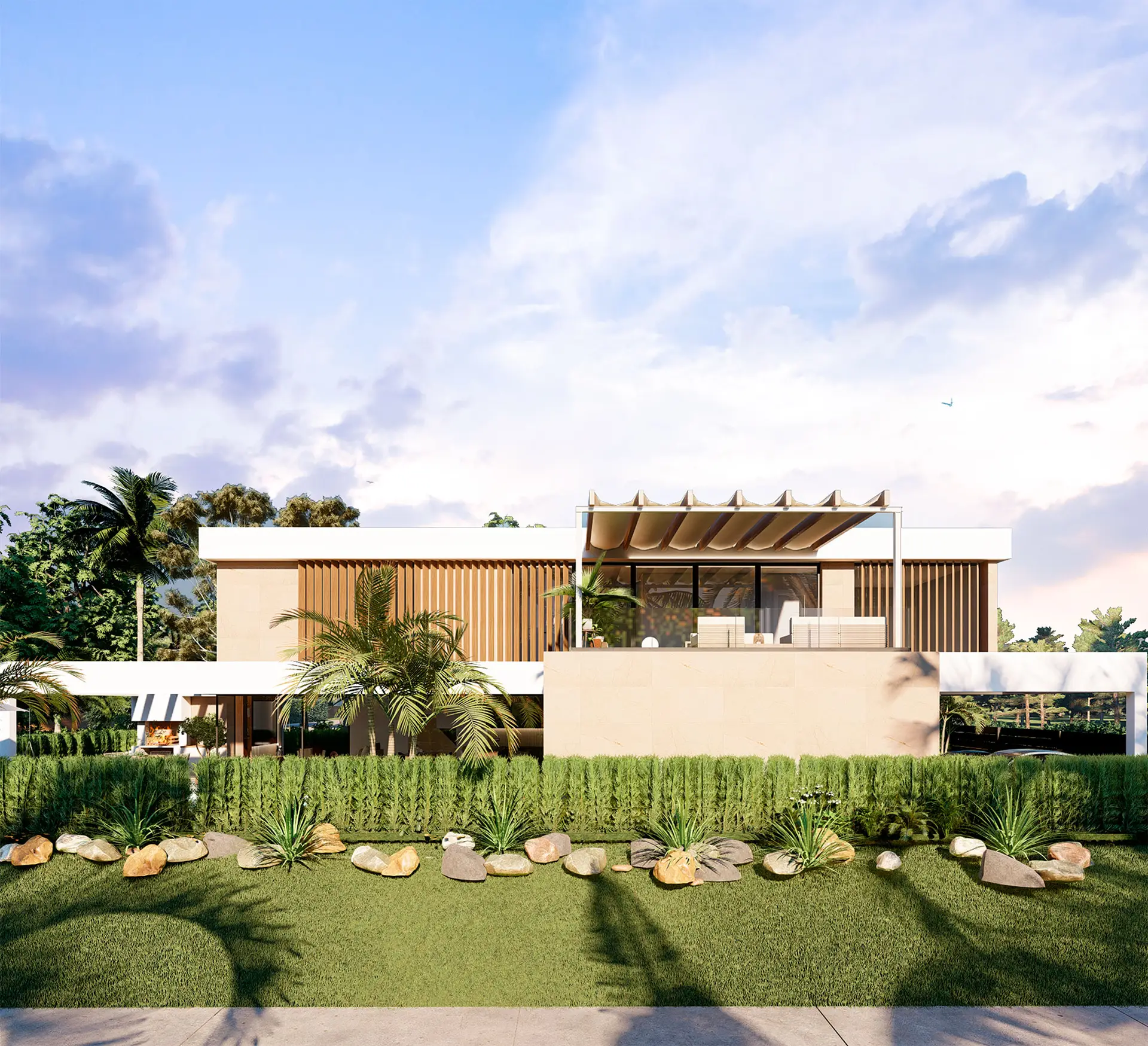
Explore the residential projects of Larimar City mentioned in this article.
Smart Investment
Join the first Smart City in the Caribbean. Discover how Larimar City redefines safety and property value in Punta Cana.
Request information