Integrated Workflow in Architecture and Urbanism: Examples and Practical Studies
Integrated Workflow in Architecture and Urbanism: Examples and Practical Studies
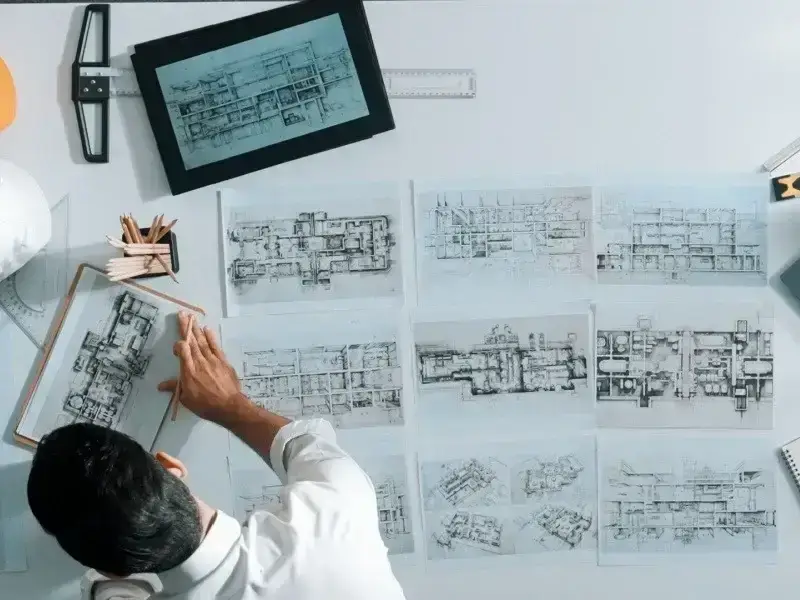
In today's context, the integration between disciplines such as architecture, engineering, urban design, and sustainability is crucial for achieving efficient, resilient results adapted to the concrete needs of modern cities. This collaborative approach from the initial phase makes it possible to anticipate technical conflicts, reduce costs and execution times, and substantially improve the sustainability of projects.
Real collaboration through BIM
Building Information Modeling (BIM) isn't just a 3D model — it's an authentic collaborative platform that integrates structural data, technical installations, energy calculations, and life-cycle analysis (LCA). A recent study conducted in Seville, Spain, based on the BREEAM method, clearly demonstrated that applying sustainability criteria from the initial phases through BIM considerably reduces modeling time and optimizes emissions (Source: Sustainability MDPI, 2023).
Sustainable strategies and climate adaptation
The BIM approach integrated with life-cycle analysis (LCA) facilitates informed decisions on the use of low-carbon-footprint materials and on optimizing thermal envelopes. Early assessment of the environmental impact of different materials and systems is essential for achieving sustainable buildings (Source: Frontiers in Built Environment, 2023).
The Khoo Teck Puat hospital in Singapore exemplifies how the integration of vegetation, natural ventilation, and passive strategies significantly reduces energy consumption (around 60% of HVAC), increasing efficiency and improving occupant wellbeing (Source: Living Future Institute).
Infrastructures as urban catalysts
Well-designed infrastructures don't just meet functional needs — they also revitalize communities and stimulate economic and social development. Projects like Barcelona's "superblocks" demonstrate that urban design focused on pedestrian mobility, green spaces, and efficient water management notably improves urban quality and city sustainability (Source: C40 Cities and COE Bank).
The Sydney Metro stations, although not the main focus of the article, perfectly exemplify how an integrated workflow from initial design can revitalize urban spaces, making them attractive and functional (Source: The Guardian).
Practical applications of the integrated workflow
For effective implementation of the integrated workflow, it's advisable to follow certain strategies:
- Implement BIM technology from the project's initial phases to better manage resources and anticipate challenges.
- Conduct detailed studies such as energy simulations and life-cycle analyses (LCA) in the preliminary stages of design (Source: Nature, 2024).
- Integrate biophilic design elements to improve energy efficiency and user comfort.
- Use advanced technologies such as Digital Twin and IoT to monitor post-occupancy performance and optimize building operation (Source: Digital Twins and BIM Towards the Smart Management of Post-Occupancy Public Buildings, 2025).
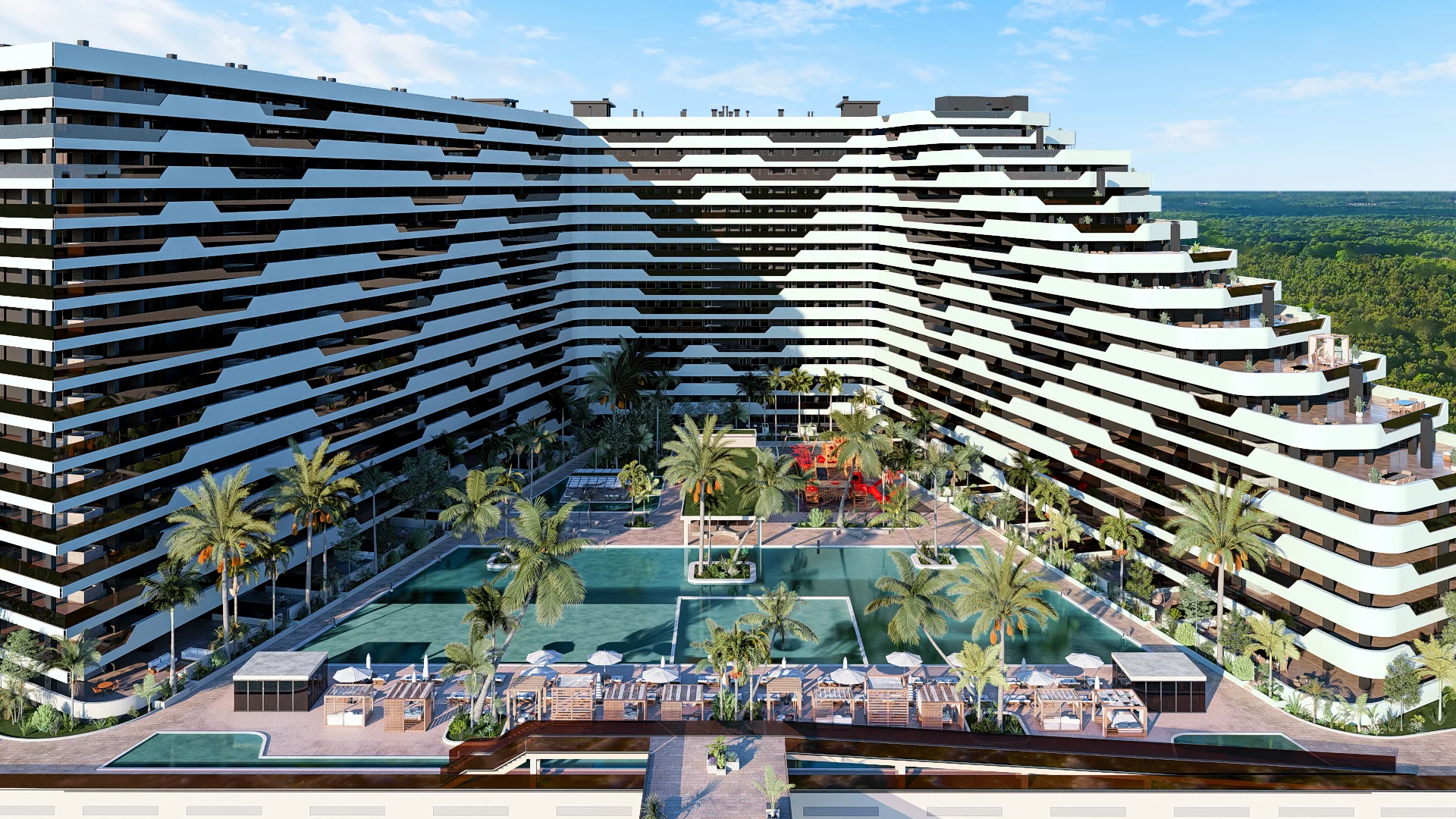
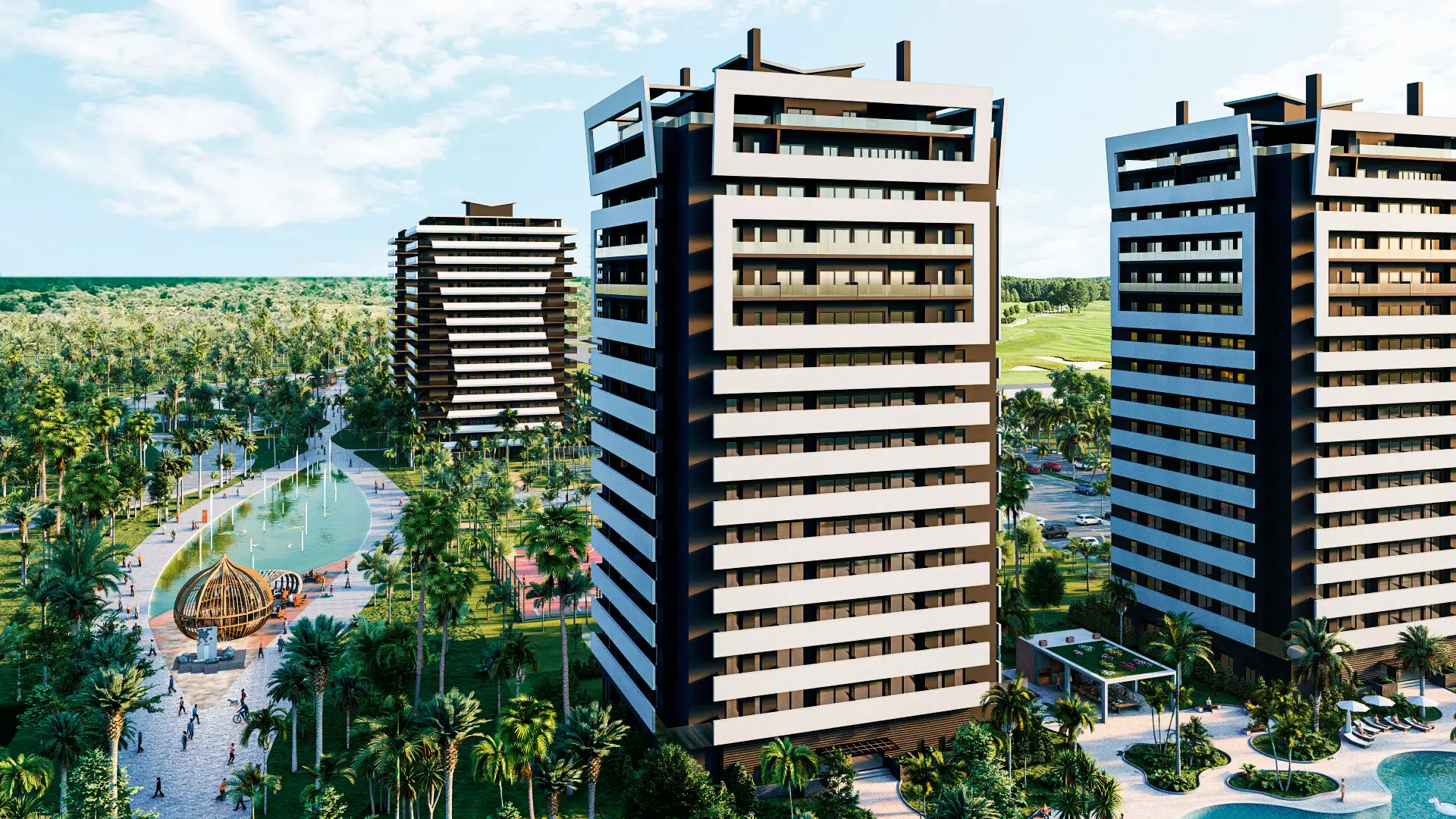
An example of integral planning and long-term vision can be found in Larimar City & Resort, a large urban project in Punta Cana that's committed to sustainability, digitalization, and responsible urban design. This resort city incorporates intelligent infrastructure, extensive green areas, and internal electric mobility, demonstrating the potential of integrated workflows applied from the initial master plan.
The integrated workflow not only improves the quality and efficiency of buildings and urban infrastructure — it also ensures the creation of sustainable, resilient spaces adapted to future challenges. Systematically applying these methodologies guarantees long-term economic, environmental, and social benefits.
By Domenico Lauriola
Architect
Larimar City & Resort
Featured projects
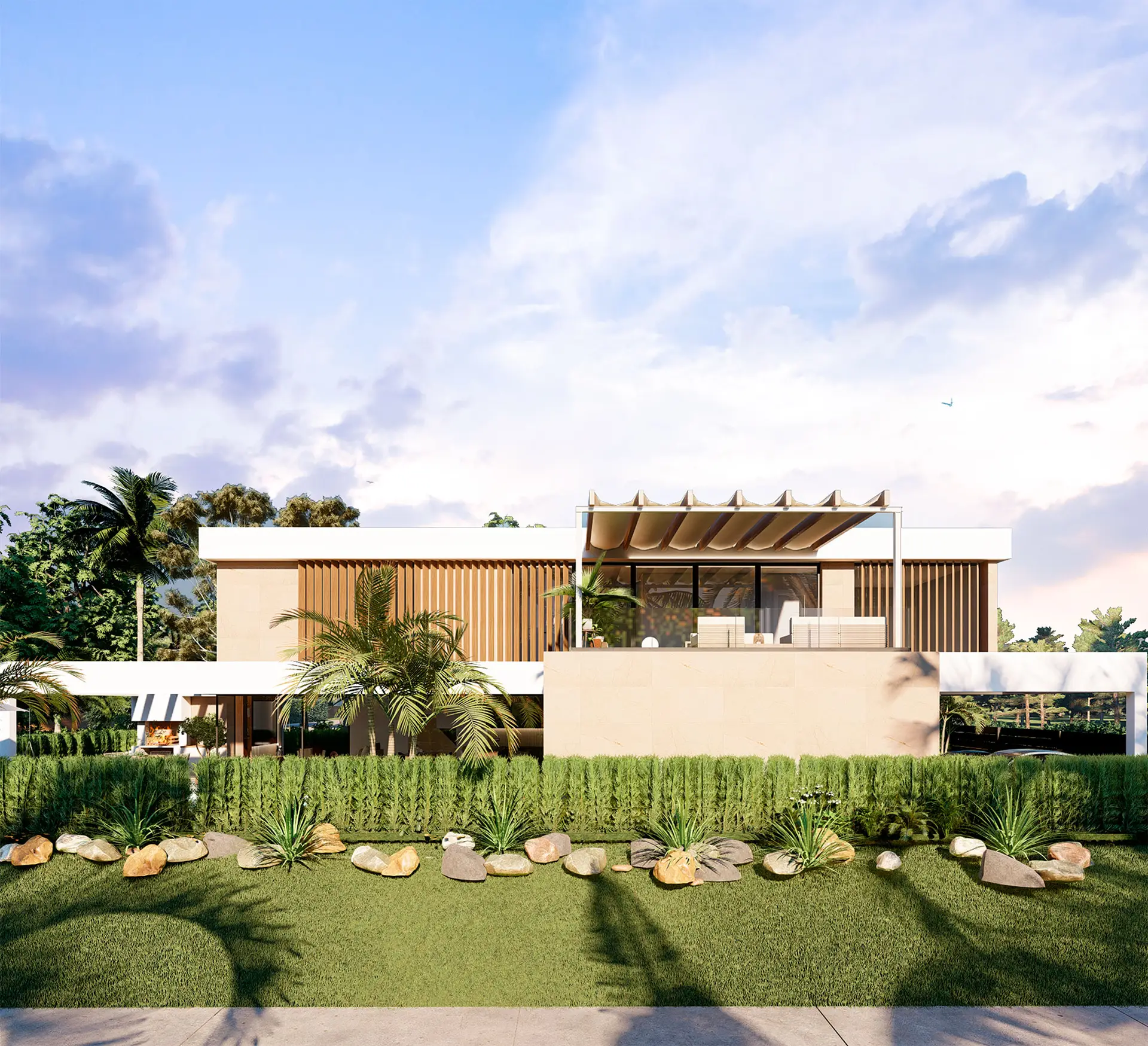
Explore the residential projects of Larimar City mentioned in this article.
Smart Investment
Join the first Smart City in the Caribbean. Discover how Larimar City redefines safety and property value in Punta Cana.
Request information