Politics and tourism: why the Dominican Republic is a growth model in the Caribbean
Politics and tourism: why the Dominican Republic is a growth model in the Caribbean
In many countries across the region, politics is synonymous with uncertainty for investment and economic growth. However, the Dominican Republic has managed to build a different narrative — one in which politics, far from slowing development, becomes a factor of stability, continuity, and trust. This approach has allowed tourism to consolidate itself as the country's main economic engine and as the foundation of a sustained growth model that today sets the standard in the Caribbean.
Dominican success isn't coincidental or recent. It's the result of decades of consensus between different political, business, and social actors about the strategic importance of tourism as a state policy.
Tourism as the central axis of economic policy
Unlike other destinations where tourism depends on circumstances or short-term decisions, in the Dominican Republic this sector has been structurally integrated into the national economic model. Since the 1990s, the country bet on developing tourism hubs with long-term planning, adequate infrastructure, and clear legal frameworks.
Tourism not only generates foreign currency — it energizes multiple sectors: construction, transportation, commerce, energy, agriculture, and services. This integrated vision has allowed tourism growth to have a direct, positive impact on the national economy.
Political stability and international confidence
One of the Dominican Republic's main assets is its political and democratic stability. Power rotation, respect for institutions, and the continuity of economic policies have generated a highly valued predictability for domestic and foreign investors.
While other Caribbean and Latin American countries face abrupt changes in their rules of the game, the DR maintains a clear line on investment, tourism, and development. This consistency has been key to attracting long-term capital, especially in large-scale tourism and real estate projects.
Public–private partnership as a growth engine
One of the pillars of the Dominican model is the solid partnership between the public and private sectors. The State assumes the role of facilitator, creating favorable conditions, while the private sector executes, innovates, and assumes risks.
This collaboration is reflected in:
- Development of strategic road infrastructure.
- Expansion and modernization of airports.
- International promotion of the country as a destination.
- Creation of new tourism hubs such as Miches and Pedernales.
Constant coordination between both sectors has allowed projects to accelerate and the economic impact of tourism to be maximized.
Legal framework and incentives: security to invest
The Dominican legal framework has been decisive for tourism's success. The country's foreign investment law and tax code provide a clear regulatory environment that reduces risk and increases the profitability of qualifying projects.
Among the benefits available for projects within applicable regimes are:
- Income tax exemptions for designated periods.
- Exemptions on real estate transfer tax.
- Exemptions on real estate property tax (IPI).
The continuity of these incentives across different administrations has reinforced the perception of stability and institutional seriousness.
Tourism infrastructure and connectivity
Dominican tourism's growth wouldn't be possible without sustained investment in infrastructure. Roads, airports, ports, and public services have accompanied the development of the private sector.
Punta Cana International Airport, the Coral Highway (Autovía del Coral), and improved air connectivity with Europe, North America, and South America have positioned the country as one of the best-connected destinations in the Caribbean.
This infrastructure not only benefits the tourist — it raises the country's competitiveness and improves residents' quality of life.
Crisis management and resilience
The ability to respond to adverse situations is a test of a country's institutional maturity. The Dominican Republic demonstrated remarkable resilience during the pandemic, when the tourism sector was one of the hardest hit worldwide.
Thanks to rapid coordination between authorities and the private sector, the country managed to:
- Reopen tourism before many competitors.
- Implement effective health protocols.
- Recover the confidence of airlines and tour operators.
- Reach record tourist arrivals in record time.
This performance reinforced the DR's reputation as a reliable destination even in contexts of global crisis.
Tourism, investment, and urban development
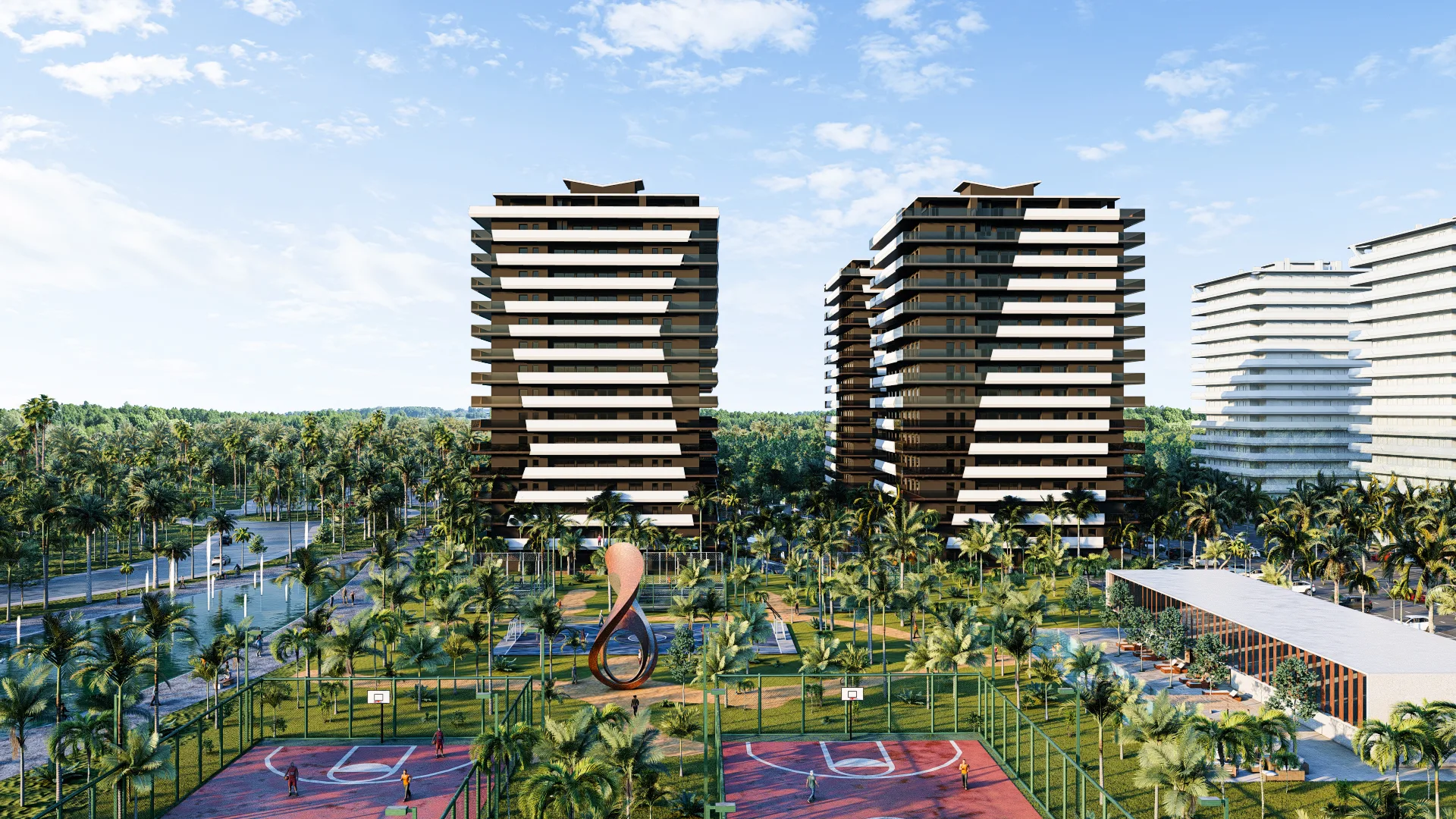
Tourism's impact goes beyond hotels. The sector's growth has driven urban development, especially in areas like Punta Cana, where planned cities, luxury real estate projects, and wellbeing-focused communities have emerged.
This evolution has given way to new concepts such as wellness living, sustainability, and smart cities — aligned with global trends and backed by a favorable political environment.
Conclusion: a model that can be replicated in the Caribbean
The Dominican Republic has shown that when politics aligns with a long-term vision, tourism can become a powerful tool for economic and social development.
Institutional stability, public–private partnerships, clear incentives, and infrastructure investment have consolidated a growth model that today positions the country as an undisputed leader in the Caribbean.
More than a successful tourism destination, the DR is an example of how political consistency and strategic planning can transform a country and ensure its future prosperity.
Deborah Hernández Soto
Communications Department
Featured projects
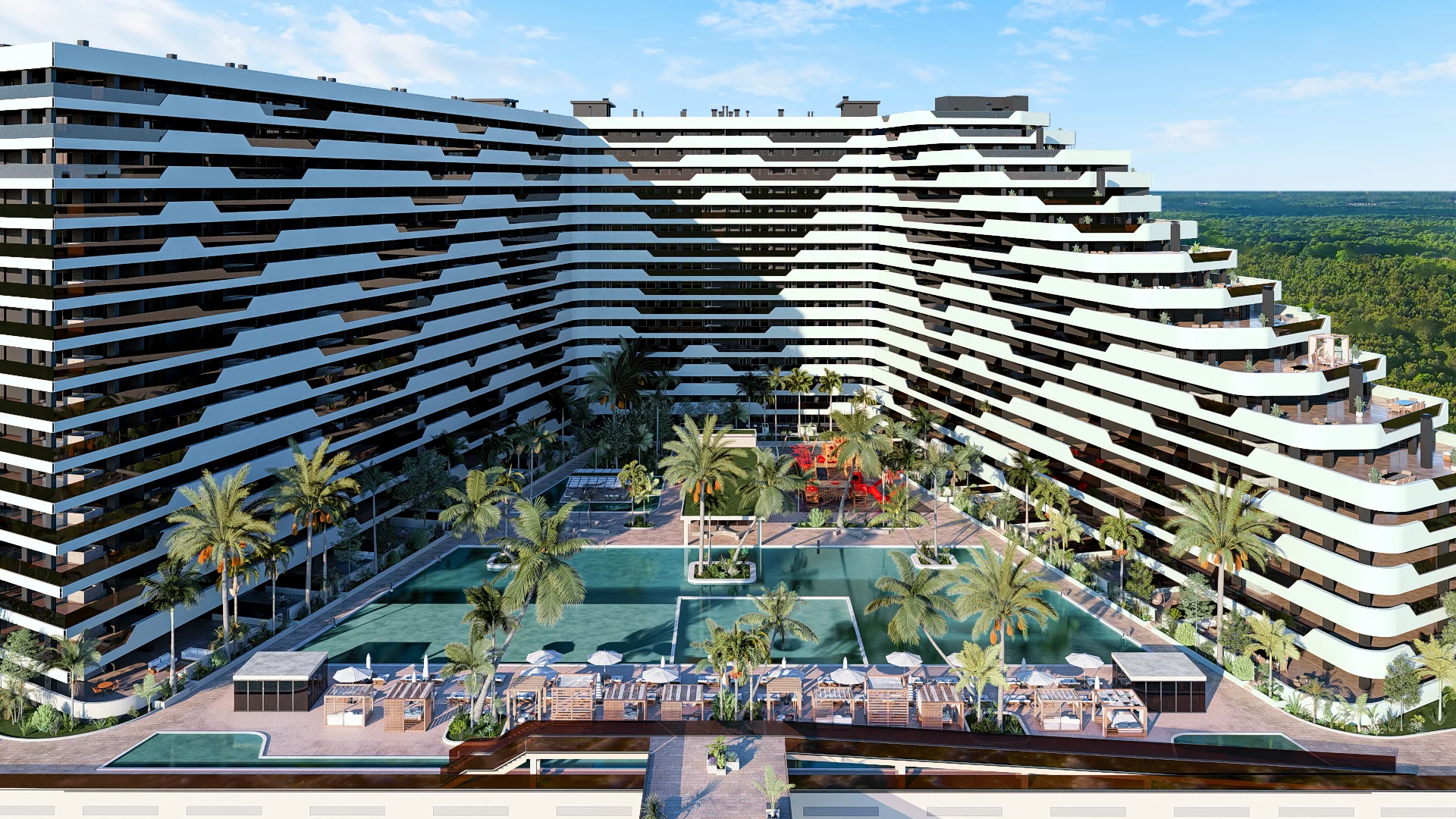
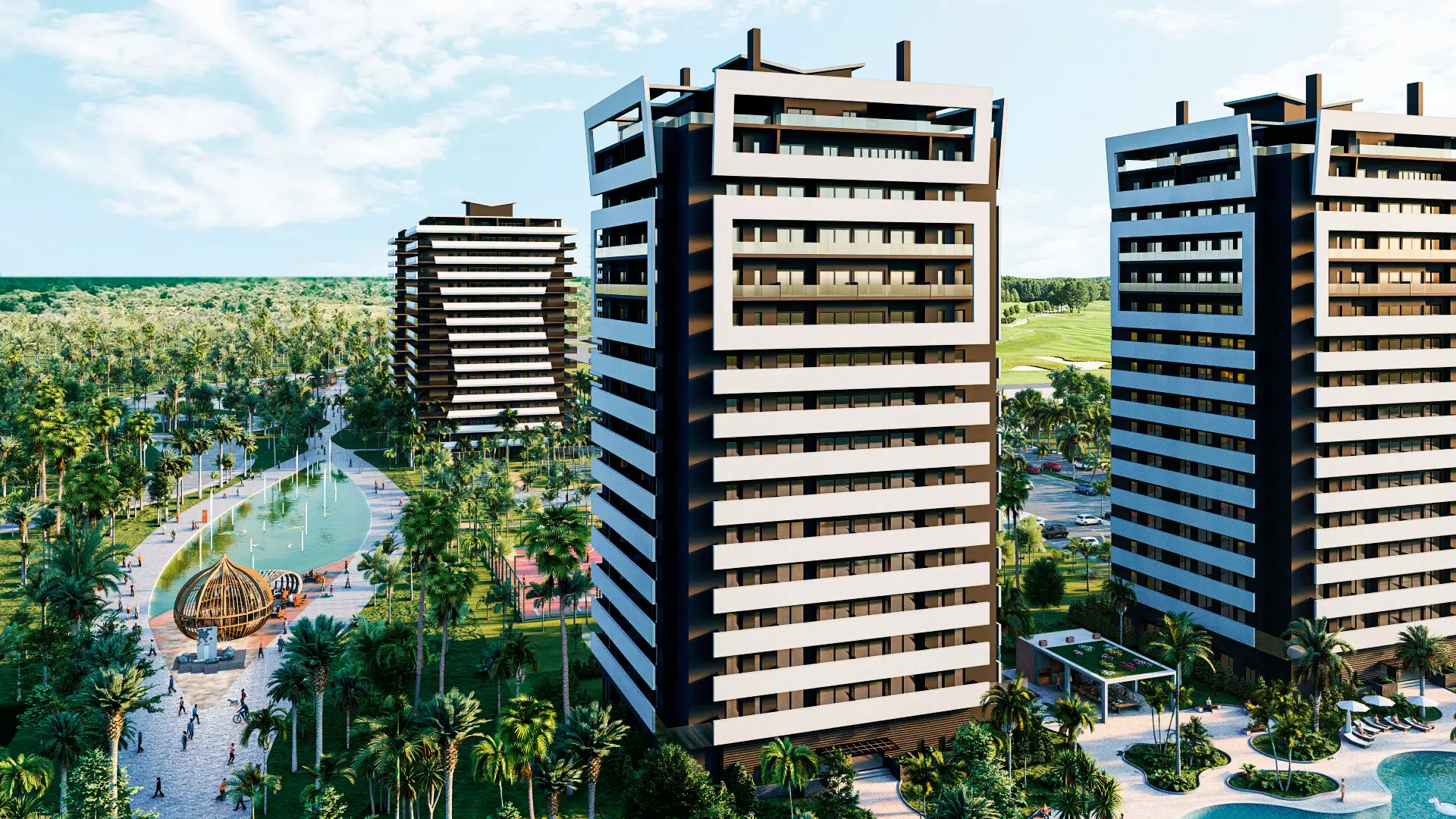
Explore the residential projects of Larimar City mentioned in this article.

Smart Investment
Join the first Smart City in the Caribbean. Discover how Larimar City redefines safety and property value in Punta Cana.
Request information