Sports tourism in Punta Cana: how golf is driving a new model of active travel
Sports tourism in Punta Cana: how golf is driving a new model of active travel
Sports tourism has stopped being a niche segment and become one of the main growth levers for many tourism destinations. Traveling to practice sport, attend events, or train in specialized environments is today a key motivation for millions of people worldwide. In the Caribbean — and especially in Punta Cana — golf has consolidated itself as one of the most solid drivers of this active travel model, capable of attracting visitors year-round and generating sustained economic impact.
In this scenario, the development of sports infrastructure, the holding of tournaments, and the integration of sport into urban projects like Larimar City & Resort reflect a clear evolution of traditional tourism toward more complete and participatory experiences.
The growth of sports tourism and the role of golf
Globally, sports tourism represents an increasing percentage of total international trips. People no longer travel only to rest, but to live experiences related to their lifestyle. Golf stands out in this context for several reasons: it's an intergenerational sport, it's played year-round, and it usually combines with other interests such as nature, gastronomy, and wellbeing.
The Dominican Republic has identified this opportunity and bet on golf as part of its tourism diversification strategy. Punta Cana concentrates a significant portion of the country's courses and features layouts designed by renowned architects, attracting both experienced players and amateurs who want to improve their level in a different setting.
Why Punta Cana is an attractive destination for sports tourism
One of the main factors explaining Punta Cana's appeal for sports tourism is its stable climate, which allows golf to be practiced practically twelve months of the year. Add to this efficient air connectivity with key source markets like the United States, Canada, and Europe, facilitating short and medium-length sports getaways.
The region also has consolidated tourism infrastructure, with hotels, resorts, transportation, and complementary services able to serve individual athletes, groups, amateur tournaments, and corporate events. This balance between accessibility, quality, and offering diversity makes Punta Cana an ideal destination both for the occasional player and for those who travel with sport as their main objective.
The impact of golf tournaments and events
Holding tournaments — both professional and amateur — plays a key role in the development of sports tourism. These events not only attract participants and companions, but also generate media visibility and position the destination on international and regional calendars.
Beyond the immediate impact on hotel occupancy, tournaments foster recurring visits: many players return later independently, recommend the destination, or even decide to extend their stay. Additionally, this type of event helps de-seasonalize tourism demand, distributing visits more evenly throughout the year.
The players who make the sports tourism ecosystem possible
The growth of golf-linked sports tourism is the result of collaboration between different actors. Course and golf club operators ensure the quality of the sports experience; tourism authorities drive destination promotion at international fairs and markets; and specialized tour operators design packages integrating sport, accommodation, and complementary activities.
Golf academies, coaches, event organizers, and local communities also play a relevant role, providing knowledge, services, and authenticity to the visitor experience. This collaborative ecosystem is fundamental to ensuring sustainable development of sports tourism.
Current trends and future outlook
Sports tourism will continue to grow in the coming years, driven by several factors. On one hand, increasing interest in active and healthy lifestyles. On the other, the preference for outdoor experiences and destinations offering safety, space, and contact with nature.
In the case of golf, there's a trend toward more flexible and accessible formats, such as shorter courses, academies for beginners, and experiences combined with leisure and socialization. This expands the player base and attracts new profiles, including young people, families, and travelers starting in the sport.
The integration of sport into urban and tourism developments will also be key. Destinations that incorporate sports facilities within well-planned environments — with complementary services and activities — will be better prepared to respond to the modern traveler's expectations.
Sports tourism and its impact on Larimar City & Resort
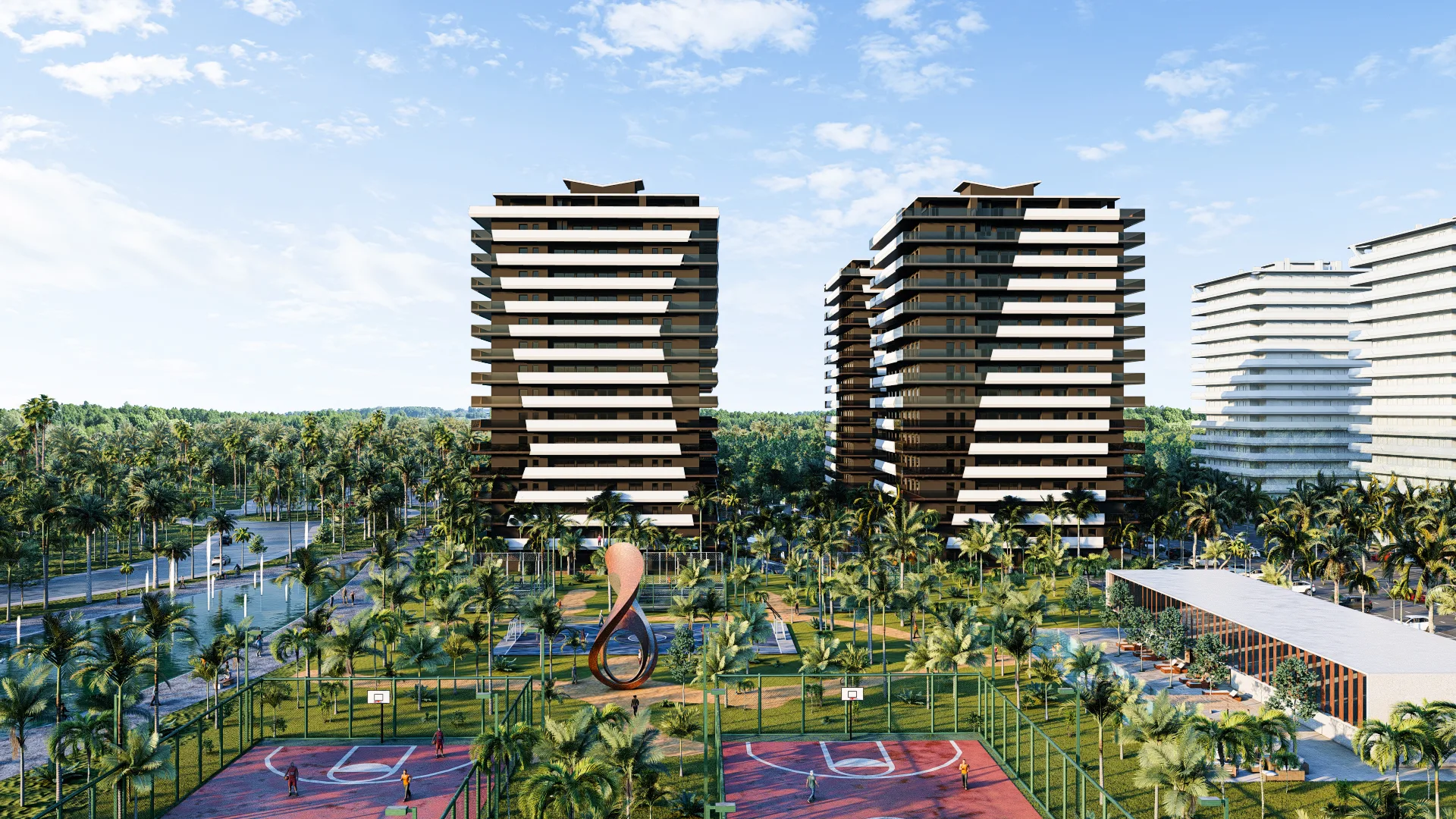
In this context, Larimar City & Resort naturally aligns with the evolution of sports tourism in Punta Cana. Its planned-city concept integrates golf as part of everyday life — not just as an occasional tourist activity.
The inclusion of two golf courses within the project allows offering experiences adapted to different levels and motivations. A 9-hole par-3 course, located in an urban and social zone, makes the sport accessible to residents, visitors, and beginners, encouraging regular practice and a community character. At the same time, a broader and more technical course in the residential area meets the needs of players seeking a more complete layout and a quiet environment.
This combination reinforces the project's appeal as a sports tourism destination, capable of hosting active stays, training, small tournaments, and social events related to golf. In addition, it contributes to generating activity year-round, benefiting both residents and visitors.
Sports tourism and golf: a strategic opportunity for Punta Cana
Sports tourism represents a natural evolution of the traditional tourism model, and golf has consolidated itself as one of its main drivers in Punta Cana. Its ability to attract active visitors, generate sustained economic impact, and diversify the destination's offering makes it a strategic element for the region's present and future.
Developments like Larimar City & Resort — which integrate sport within an urban and participatory vision — reflect this transformation and contribute to positioning Punta Cana as a destination where traveling and practicing sport form part of the same experience.
Natalia Kvirikashvili Sadikova
Communications Department
CLERHP
Featured projects
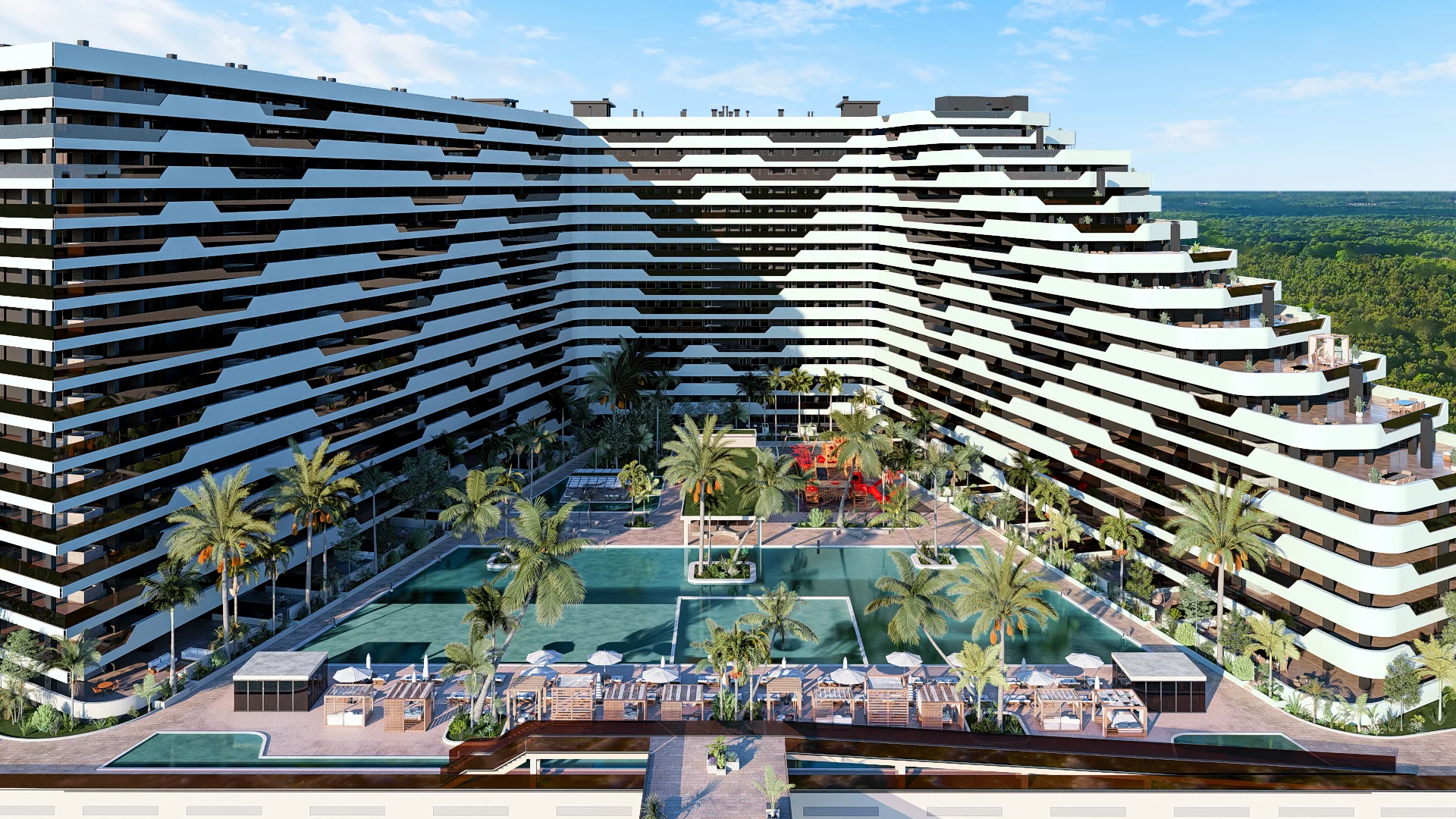
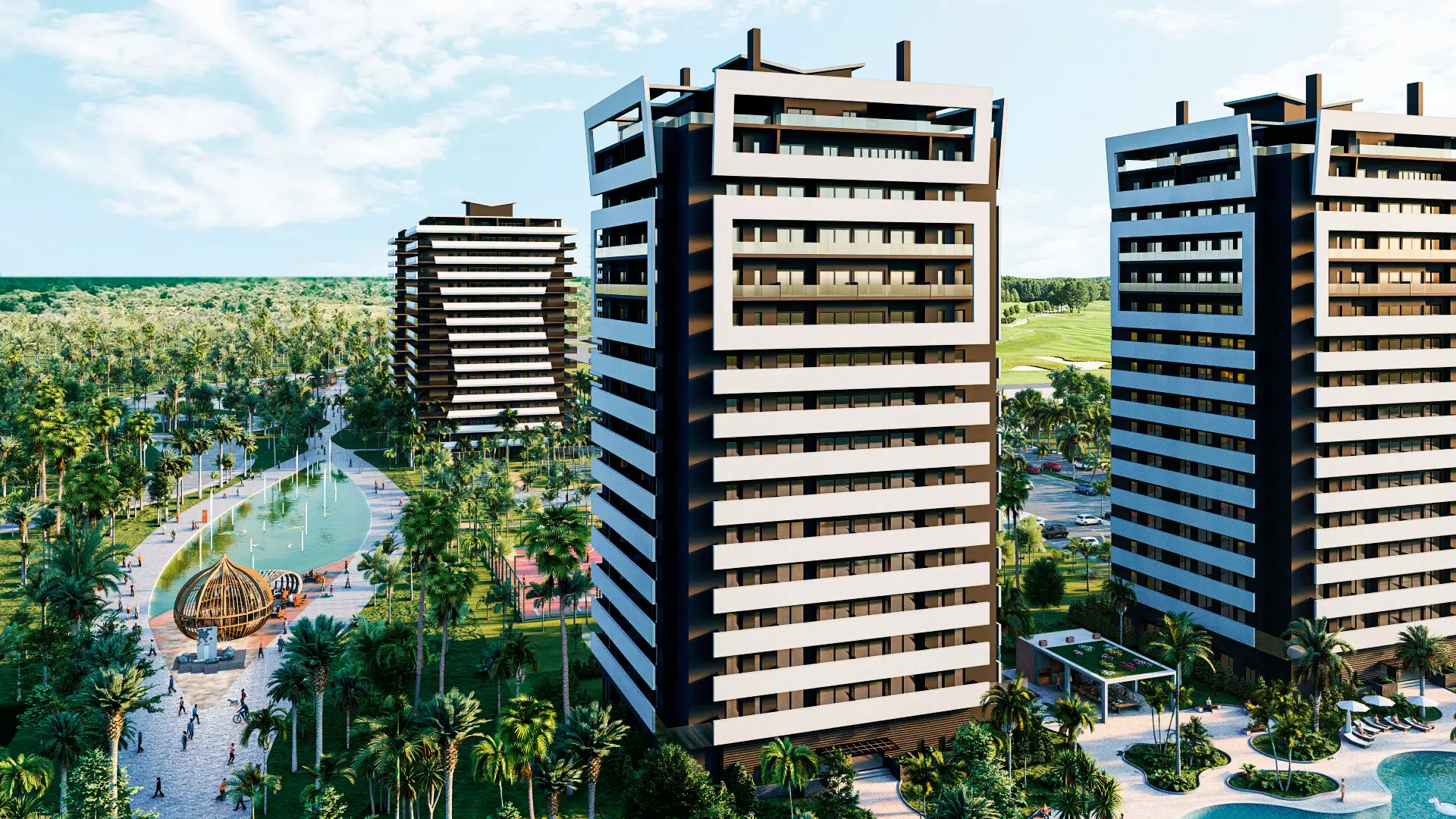
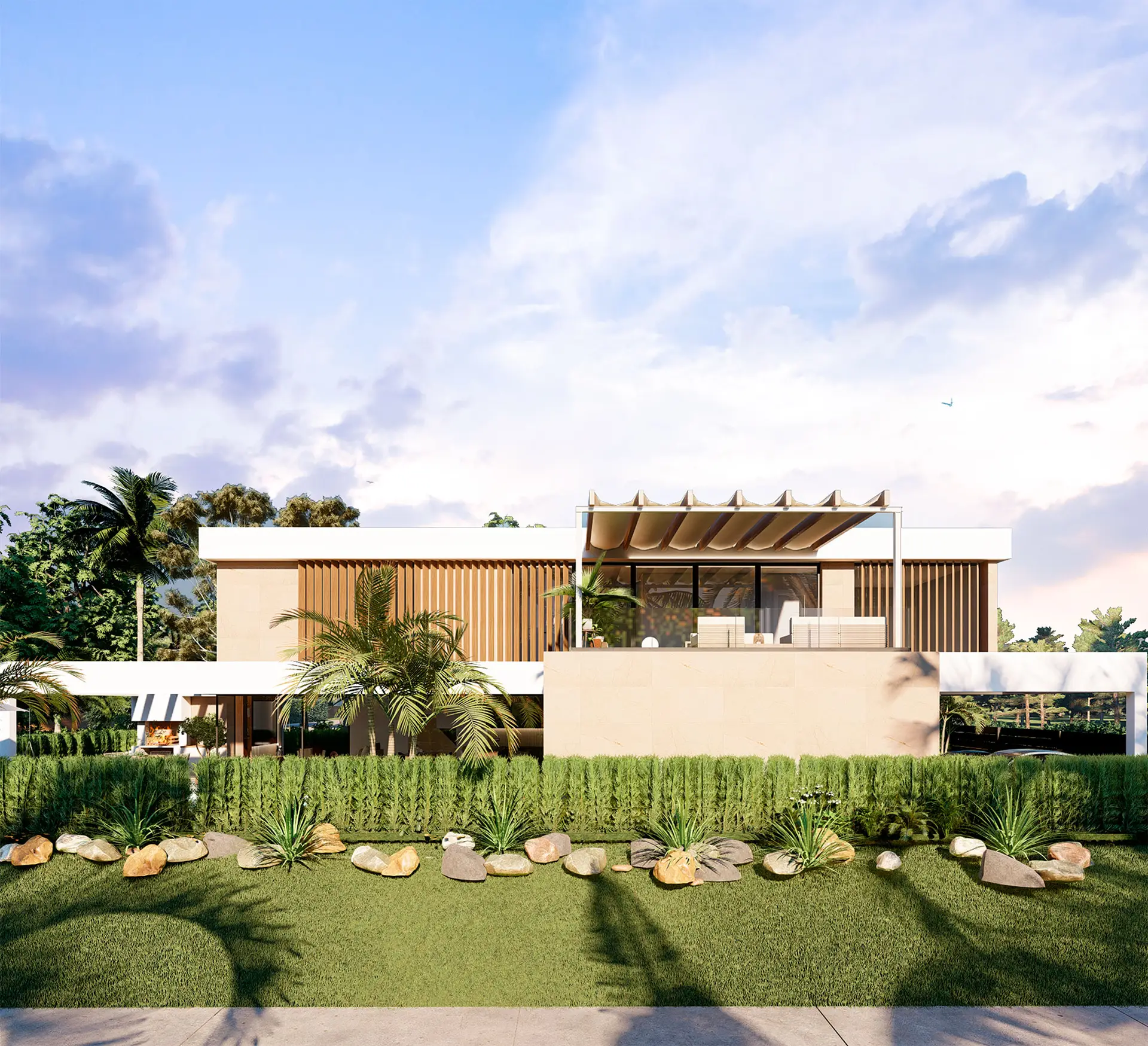
Explore the residential projects of Larimar City mentioned in this article.
Smart Investment
Join the first Smart City in the Caribbean. Discover how Larimar City redefines safety and property value in Punta Cana.
Request information