The Dominican Republic's political vision toward 2030: development and sustainability
The Dominican Republic's political vision toward 2030: development and sustainability
In a decisive moment for the country's future, the Dominican Republic is tracing a clear route under the DR 2030 development strategy — integrating policies that seek to combine economic growth, social justice, and environmental protection. In this article we analyze the current state of those policies in 2025, the key actors driving the roadmap, the challenges ahead, and how sustainable private initiatives align with the Dominican Republic sustainability plan.
Political context and strategic framework: DR 2030 development
The National Development Strategy 2030 (END 2030) constitutes the structuring axis of Dominican public policy for the coming years — guiding both the central Government and institutional levels toward sustainable development goals. (ods.gob.do)
Within the general state budget for 2025, it can be seen that a significant part of primary spending is linked to END 2030. In this budget, the axes include social, institutional, productive, and sustainable development. Although the sustainable development axis has a smaller share — around 2.9% of primary spending linked to the national development strategy (digepres.gob.do) — normative, institutional, and legislative foundations are being laid that aim to strengthen it.
The Dominican Republic sustainability plan is articulated around several instruments:
- The Nationally Determined Contribution (NDC-RD2020) on climate change, with both mitigation and adaptation objectives. (Presidency of the Dominican Republic)
- The Sustainable Production and Consumption Roadmap, presented by the High-Level Interinstitutional Commission for Sustainable Development. (RD Sostenible)
- Multi-year public investment plans that are being aligned with national climate goals, territorial planning, sustainable land use, and disaster risk management. (Presidency of the Dominican Republic)
Relevant actors in DR sustainability
To understand how this political vision toward 2030 works and where it's heading, it's essential to identify the main actors involved:
- National Government: the Ministry of Environment and Natural Resources, the Ministry of Economy, Planning and Development (MEPyD), the Ministry of Industry, Commerce and MSMEs (MICM), territorial planning institutions, and public-innovation offices. They are responsible for formulating, regulating, supervising, and aligning public investments with END 2030 and with the climate plan. (Presidency of the Dominican Republic)
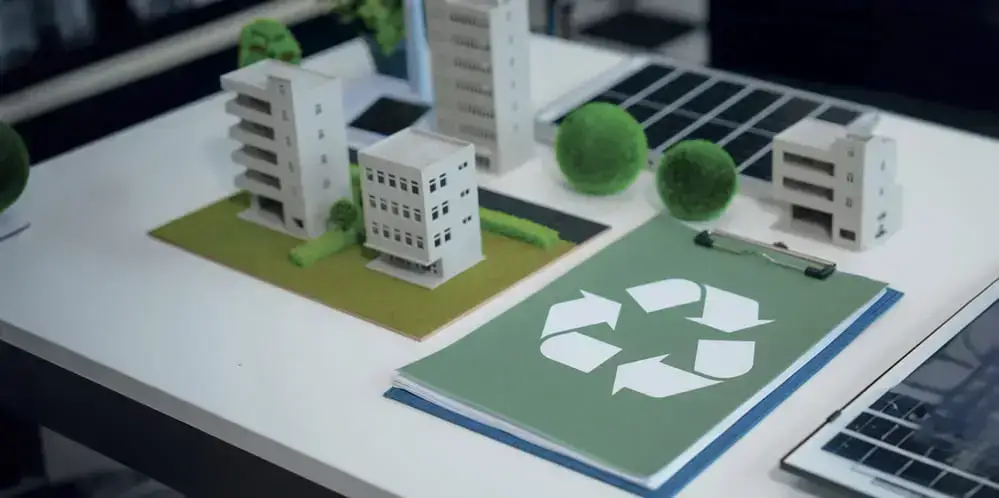
- Private sector: industrial, commercial, and service companies that voluntarily participate in sustainability standards (for example, through environmental certifications or 3R models — reduce, reuse, recycle). Also some renewable energy companies that develop plants that help mitigate emissions. (aird.org.do)
- International organizations and cooperation: UNDP, other multilateral agencies, international climate funds, bilateral cooperation — providing technical assistance, financing, and best practices. For example, the high-level dialogue driven by the Meta RD 2036 together with UNDP to align national priorities with sustainable development. (cnc.gob.do)
- Civil society, academics, and local communities: their role is key, both for political legitimacy and for effective implementation. Through participation in public consultations, community projects (reforestation, strengthening coastal communities, restoring marine ecosystems), and environmental vigilance. (mepyd.gob.do)
Current policies in 2025: progress and challenges
Progress
- The alignment of public investments with climate and environmental goals, and the incorporation of risk-management and climate-change indicators into the National Public Investment System. (Presidency of the Dominican Republic)
- Normative strengthening: Implementing Regulation of END 2030 that obliges the Ministry of Environment as responsible for the transversal policy of environmental protection; inclusion of the gender approach; etc. (mepyd.gob.do)
- Responsible production and consumption, circular-economy activations for MSMEs, promotion of the solid-waste regulation, restoration of ecosystems such as mangroves and coral, fight against sargassum. (mepyd.gob.do)
Challenges
- The budget allocation for the sustainable-development axis is still modest compared to other axes. Although growing, it requires greater volume and consistency to achieve real impact. (digepres.gob.do)
- Territorial implementation (municipal and regional planning) shows inequalities: not all provinces or municipalities have sufficient technical or financial capacity to apply the plans for planning, adaptation, and resilience.
- Institutional coordination remains a challenge: ensuring that sectoral plans truly align with national environmental goals, that incentives work for the private sector, and that environmental prosecutors and courts enforce regulations.
- Gaps in data, monitoring, and accountability: although statistical and follow-up systems have been strengthened, greater transparency, continuity, and social legitimacy are necessary.
Projections toward 2030: what must be consolidated
For the DR 2030 development vision to materialize toward a balanced, inclusive, and environmentally responsible country, at least the following elements are required:
- Sustainable financing and green-investment mobilization: incentives for renewable energy, energy efficiency, sustainable transport, waste management, and green infrastructure. Public and private investment.
- Clear regulation, fiscal and normative incentives: laws that promote conservation, climate-change mitigation, and penalization of environmental impacts; tax benefits for sustainable companies.
- Decentralized institutional capacity: strengthened municipal and regional government, with trained personnel, technical and economic resources to carry out territorial planning, climate adaptation, and ecosystem protection policies.
- Citizen commitment and environmental culture: environmental education from the base; community participation; social support for sustainability; replicable local initiatives.
- Technological innovation and sustainable productive models: include R&D+i in national strategies; support for green technology, construction with sustainable materials, responsible tourism, sustainable food.
How does all this relate to the Dominican Republic sustainability plan?
The Dominican Republic sustainability plan isn't a loose label — it's a living framework that requires integration, follow-up, and continuous adjustment. As we advance toward 2030:
- It's key that END 2030 is updated according to the changing local and global context (climate crisis, pandemics, economic challenges, migrations).
- It's necessary to consolidate binding monitoring instruments, with clear goals, deadlines, and well-defined responsibilities.
- Public-private alliances and relationships with private actors must grow under standards of transparency and accountability.
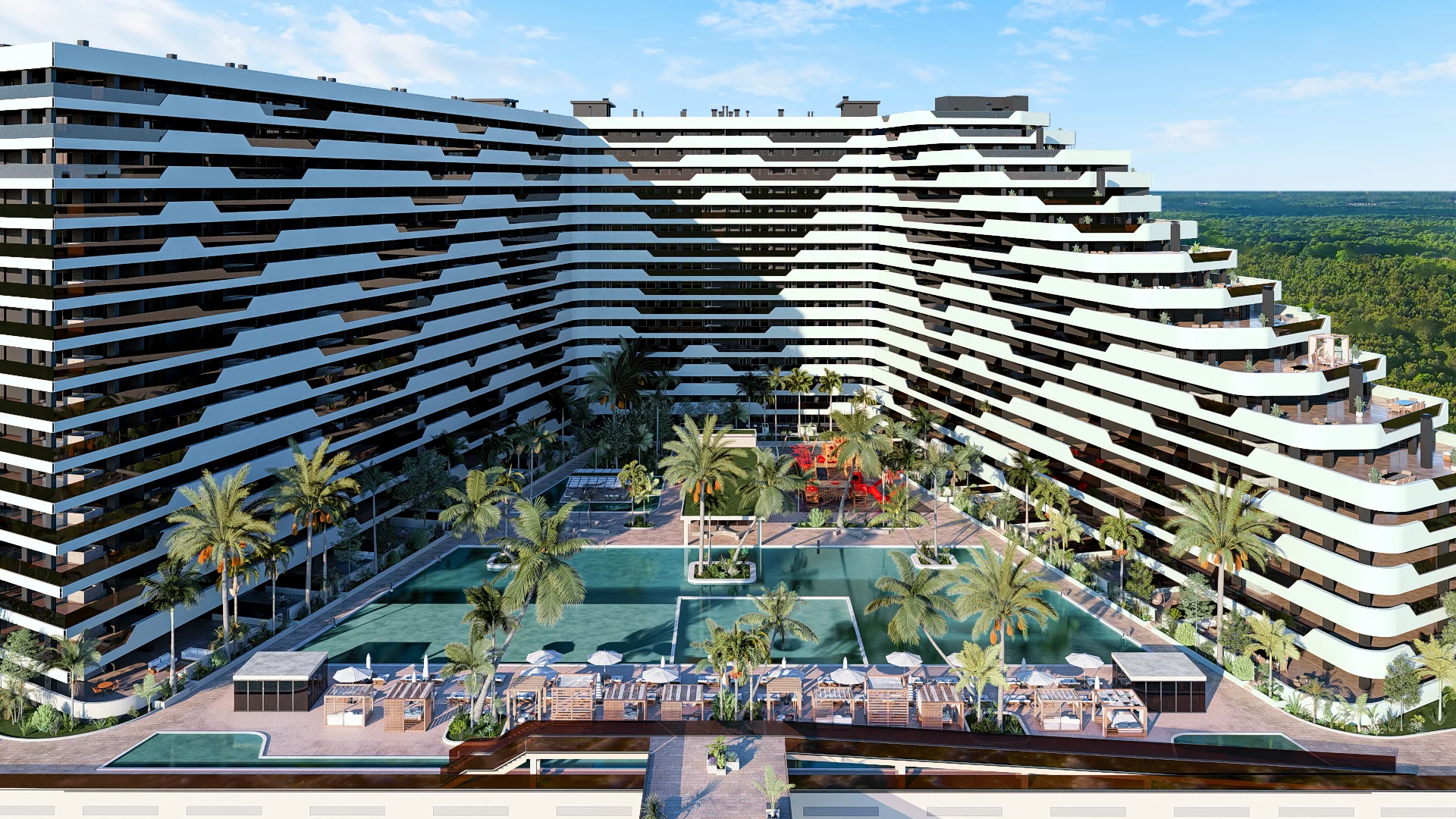
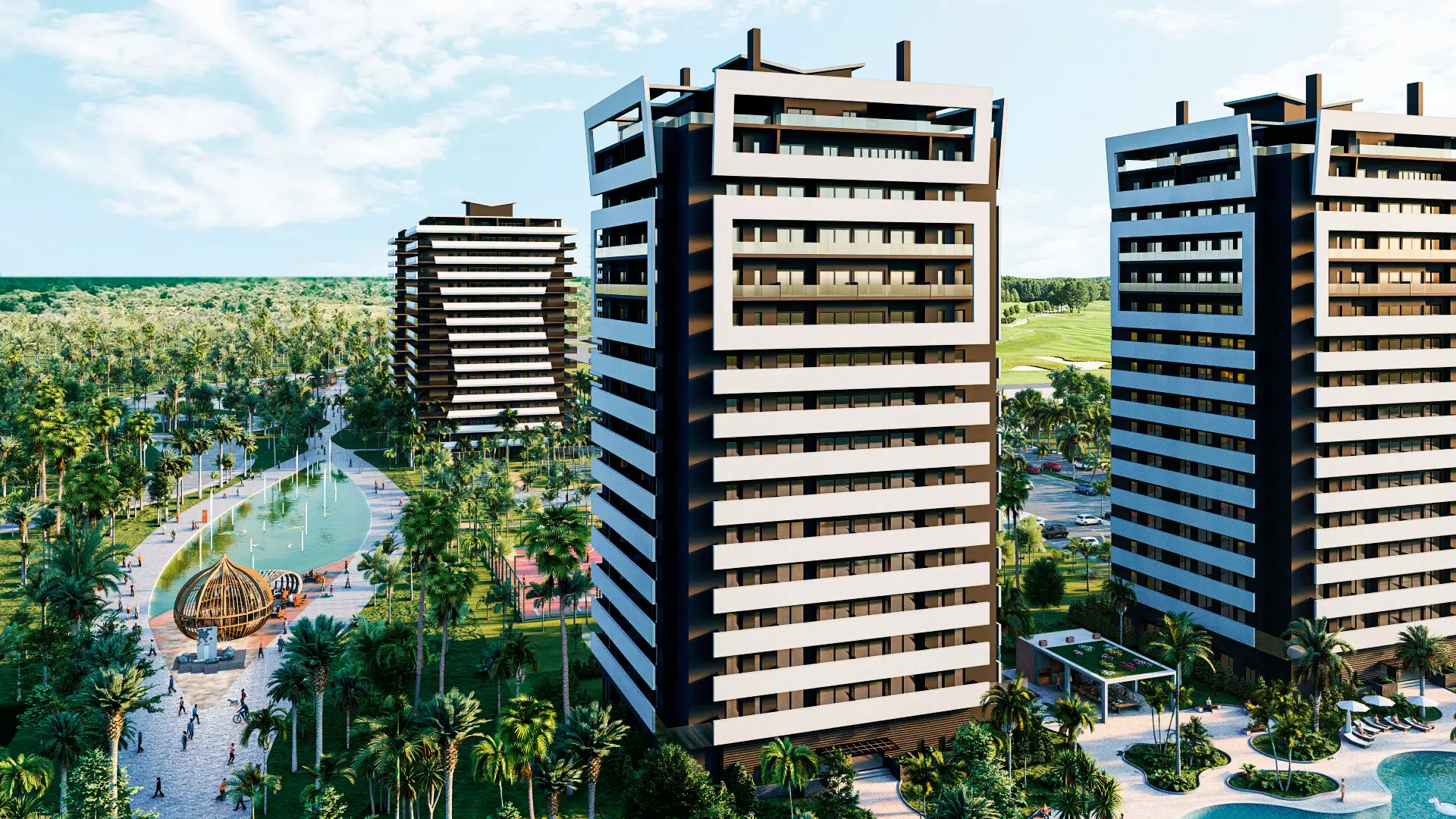
Larimar City & Resort: an example of how progress and environmental preservation walk hand in hand
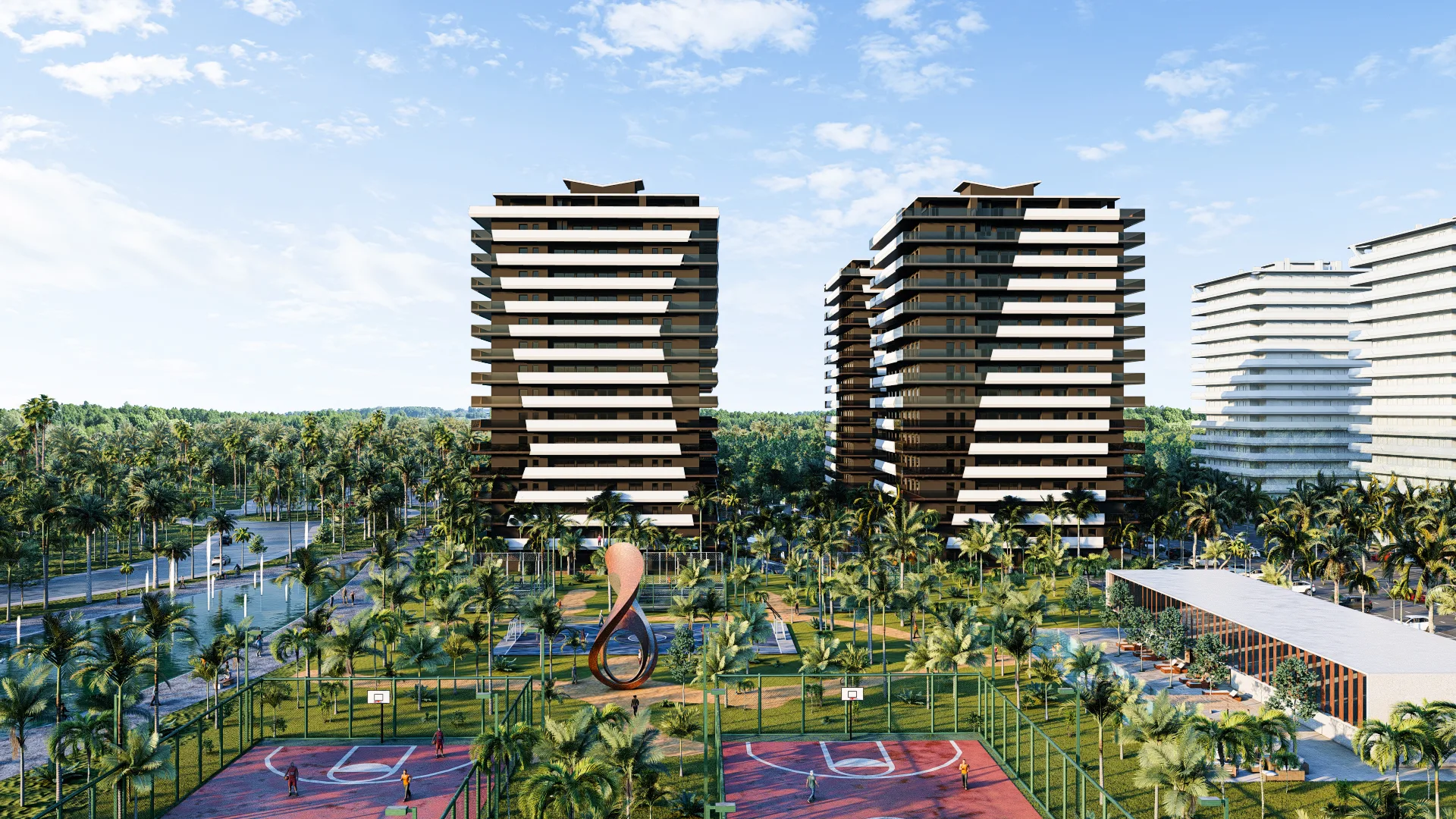
At Larimar City & Resort, we're clear that the principles of national sustainability policy aren't just the State's responsibility, but an opportunity to generate social, environmental, and economic value. Integrating those principles into an urban project in Punta Cana means actively contributing to the fulfillment of the DR 2030 development vision.
- Urban comfort and respect for the environment: every aspect of the urban design — infrastructure, common spaces, materials, energy systems — is designed to harmonize with nature. We don't just build with modern criteria, but with sustainable ones.
- Exceptional quality of life: green spaces, urban parks, biodiversity, recreation, clean air. All of this not only improves livability — it brings health, wellbeing, and value to the property.
- Community initiatives and sustainable practices: recycling, renewable energy, and environmental education. Larimar doesn't just offer homes, but a responsible environment coherent with the Dominican Republic sustainability plan.
- Profitability with purpose: investing in Punta Cana has tax, infrastructure, climate, and appreciation advantages — but doing so under sustainable standards has added value for investors seeking not just economic return but positive impact.
Conclusion
The Dominican Republic today — and especially toward 2030 — has an ambitious roadmap: combining economic development, social inclusion, and environmental sustainability in a coherent framework. While there are important advances in regulation, public investment, institutional alliances, and citizen commitment, relevant challenges still persist that must be overcome — such as greater budget allocation for the sustainable axis, equitable territorial implementation, and an increasingly transversal environmental culture.
Larimar City & Resort represents how private projects committed to those values can join in a concrete and exemplary way the national political vision of DR 2030 development. On this cooperation — between the public, the private, and the social — depends whether the DR will fulfill its sustainability plan, and whether progress won't compromise the natural resources of future generations.
Natalia Kvirikashvili Sadikova
Communications Department
CLERHP
Featured projects
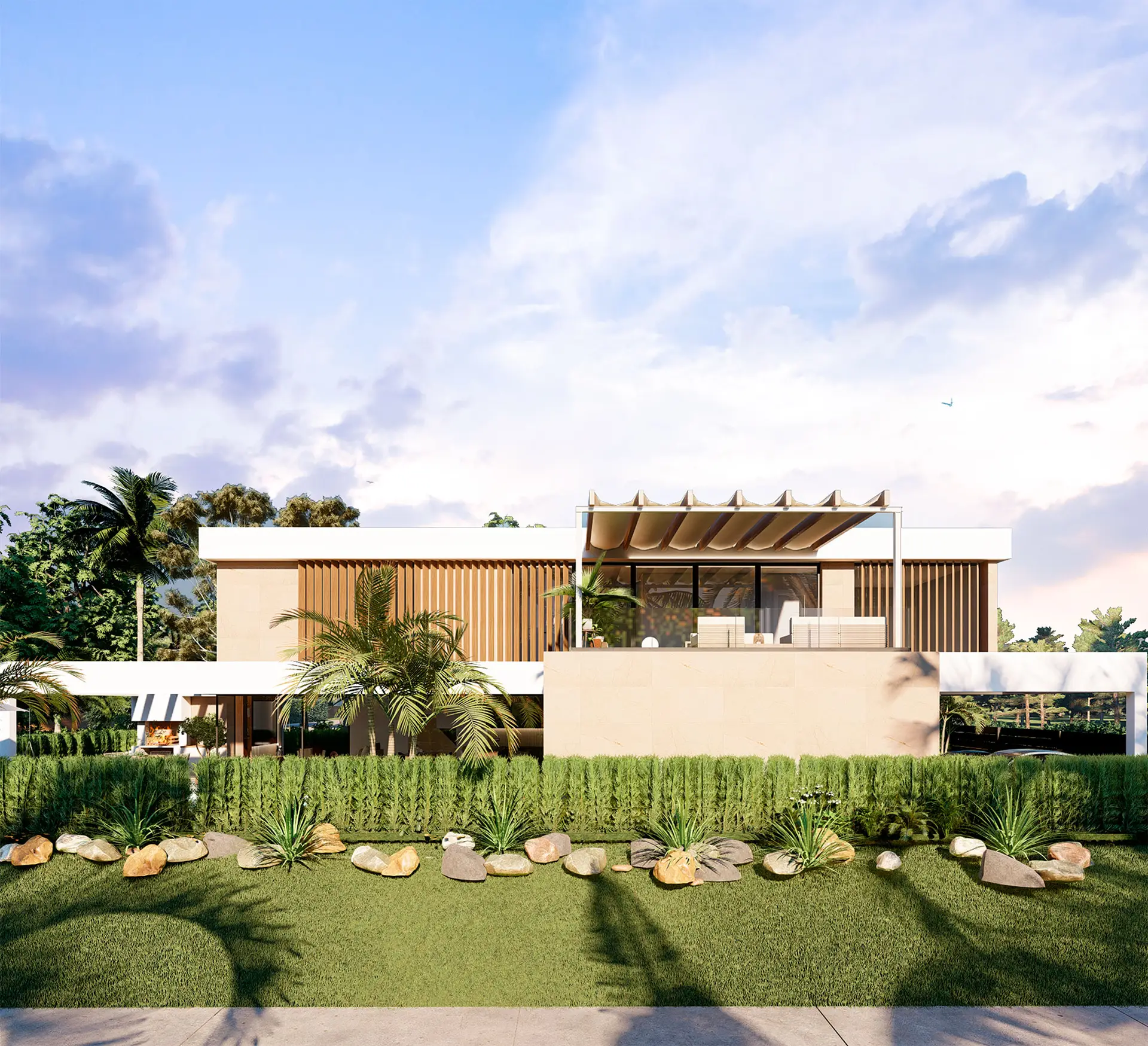
Explore the residential projects of Larimar City mentioned in this article.
Smart Investment
Join the first Smart City in the Caribbean. Discover how Larimar City redefines safety and property value in Punta Cana.
Request information