Renting in the Dominican Republic Through Airbnb: A Guide for Property Owners
 Macarena Perona · Director of Communications
The market for Airbnb in the Dominican Republic has established itself as an appealing option for owners looking to generate income from their homes, especially in tourist destinations such as Punta Cana, Santo Domingo, Las Terrenas, Samaná, and La Romana. The mix of international tourism, medium-term stays, digital nomads, and foreign buyers has fueled interest in vacation rentals as a real estate income strategy.
For many investors, buying a property and running it through Airbnb can be a compelling strategy, provided they carefully assess the location, the regulations, maintenance costs, day-to-day management, and the guest profile. It is not simply a matter of posting a listing: renting successfully calls for planning, a professional approach, and a clear value proposition.
In this guide, we review how Airbnb works in the Dominican Republic, the advantages it offers over traditional renting, the legal and tax considerations worth reviewing, and how to maximize occupancy for a property intended for short stays.
How Airbnb Works in the Dominican Republic
Airbnb lets owners and managers list accommodations for short or medium stays, set nightly rates, manage availability, receive bookings, and communicate with guests through the platform. In the Dominican Republic, this model is especially relevant in tourist areas where there is steady demand for flexible, independent, well-located accommodation.
The process is similar to that of other international markets: the owner creates a listing, uploads photos, describes the property, sets house rules, defines rates, and configures the calendar. Guests can book according to availability and pay through the platform, while the host receives the income once the applicable fees are deducted.
Although the digital process seems straightforward, the difference between a profitable property and one that barely attracts bookings usually comes down to strategy. Location, interior design, the amenities included, cleanliness, response time, reviews, and professional management all have a direct impact on performance.
Property Registration and Legal Requirements
Before operating a property as an Airbnb in the Dominican Republic, it is advisable to check whether the home is permitted to be used for short-term rentals. This is a key point in residential developments, condominiums, or private communities, where internal rules may limit or regulate this type of use.
The owner should verify the property's documentation, the condominium bylaws, the applicable permits, and any obligations that apply to the activity being carried out. In some cases, legal or tax advice may be needed to determine whether the property is operated as an individual, through a company, or via a specialized operator.
It is also important to distinguish between owning a property for occasional personal use and operating it on a recurring basis as tourist accommodation. The higher the level of activity, the greater the need for administrative, tax, contractual, and operational oversight.
Managing Bookings and Payments
Booking management on Airbnb is handled from within the platform itself. The host can accept instant bookings or review them manually, set a minimum length of stay, apply weekly or monthly discounts, and block dates for personal use.
Payments are usually processed digitally, which simplifies operations for foreign owners. Even so, the host should keep internal records of income, fees, cleaning costs, maintenance, utilities, administration, and any applicable taxes.
Well-organized management makes it possible to understand the asset's real profitability. Analyzing gross income is not enough: you have to calculate occupancy, average daily rate, operating costs, and net return.
Advantages of Renting a Property on Airbnb
Renting a home on Airbnb can offer significant advantages over other rental models, especially in areas with high tourist demand. For owners who do not use the property year-round, this approach makes it possible to monetize vacant periods while retaining a degree of flexibility of use.
In addition, in destinations like Punta Cana, guests tend to look for more than just a place to stay: they value location, security, amenities, pools, common areas, proximity to entertainment, design, connectivity, and easy access. As a result, properties located within well-planned developments can enjoy a competitive edge.
Profitability Versus Traditional Renting
One of the main reasons to invest in Airbnb in the Dominican Republic is the potential to achieve higher returns than with traditional renting. With long-term rentals, the owner receives a stable monthly income, but typically with less flexibility and a limited ability to adjust prices.
With vacation rentals, the price can adapt to the season, demand, events, weekends, holidays, or tourist peaks. This makes it possible to optimize income during periods of high occupancy. However, it also involves more management, guest turnover, frequent cleaning, customer service, and constant maintenance.
Potential profitability can therefore be higher, but it requires more hands-on management. For foreign investors, it may be advisable to work with a property management company that handles check-in, cleaning, guest support, maintenance, pricing, and reviews.
Flexibility for Personal Use and Vacant Periods
Another advantage of renting on Airbnb is flexibility. The owner can block off dates to enjoy the home and open up the calendar during the periods when it is not in use.
This model fits international buyers well — those who want to spend a few weeks or months a year in the Dominican Republic and generate income from the property the rest of the time. It is also appealing to those planning a future part-time residence in the Caribbean who do not yet live in the country permanently.
The key lies in planning the calendar wisely. Blocking high-demand dates for personal use can reduce income, whereas setting aside lower-occupancy periods can help balance enjoyment and profitability.
Investing in Airbnb in the Dominican Republic
Investing in Airbnb in the Dominican Republic has gained interest thanks to the evolution of tourism, the arrival of international visitors, and the growth of residential areas designed to combine vacation use, investment, and lifestyle.
To assess an investment of this kind, it is worth studying three factors: location, the property itself, and management. A good location can attract demand; a good product can enhance the guest experience; and good management can turn that demand into recurring income.
Why Punta Cana and Other Areas Are Ideal for Investment
Punta Cana is one of the most renowned destinations in the Caribbean and one of the most attractive spots for those seeking vacation rentals in the Dominican Republic. Its air connectivity, tourism offering, climate, beaches, entertainment, and international demand create a favorable environment for properties intended for short stays.
The visitor profile has also evolved. Alongside the traditional tourist, there are now travelers looking for fully equipped apartments, longer stays, privacy, common areas, security, and digital connectivity. This opens up opportunities for well-located properties within modern residential developments.
If you are weighing this model, you can find out more in this guide on investing in vacation rentals in Punta Cana, which explains why this destination draws so much interest from international buyers.
The Best Real Estate Developments for Airbnb
Not all properties perform equally well on Airbnb. The most competitive ones usually share several qualities: a good location, easy access, security, attractive design, amenities, common areas, professional maintenance, and a clear experience for the guest.
In this respect, residential developments that bring together leisure, sports, dining, nature, wellness, and services can offer a more complete proposition than a standalone apartment. For the guest, it is not only about sleeping somewhere comfortable, but about enjoying an experience throughout their stay.
That is why, before buying, it is worth reviewing the available residential developments in the Dominican Republic and assessing which are best prepared to combine personal use, tourist appeal, and rental potential.
Profitability and Guest Profile
The profitability of an Airbnb depends on factors such as occupancy, average daily rate, seasonality, location, property quality, reviews, operating expenses, and fees. A property with high occupancy but steep costs can be less profitable than it appears if the expenses are not properly calculated.
The guest profile also plays a part. In Punta Cana, you may host couples, families, groups of friends, business travelers, digital nomads, long-stay tourists, or buyers visiting the area to explore real estate opportunities.
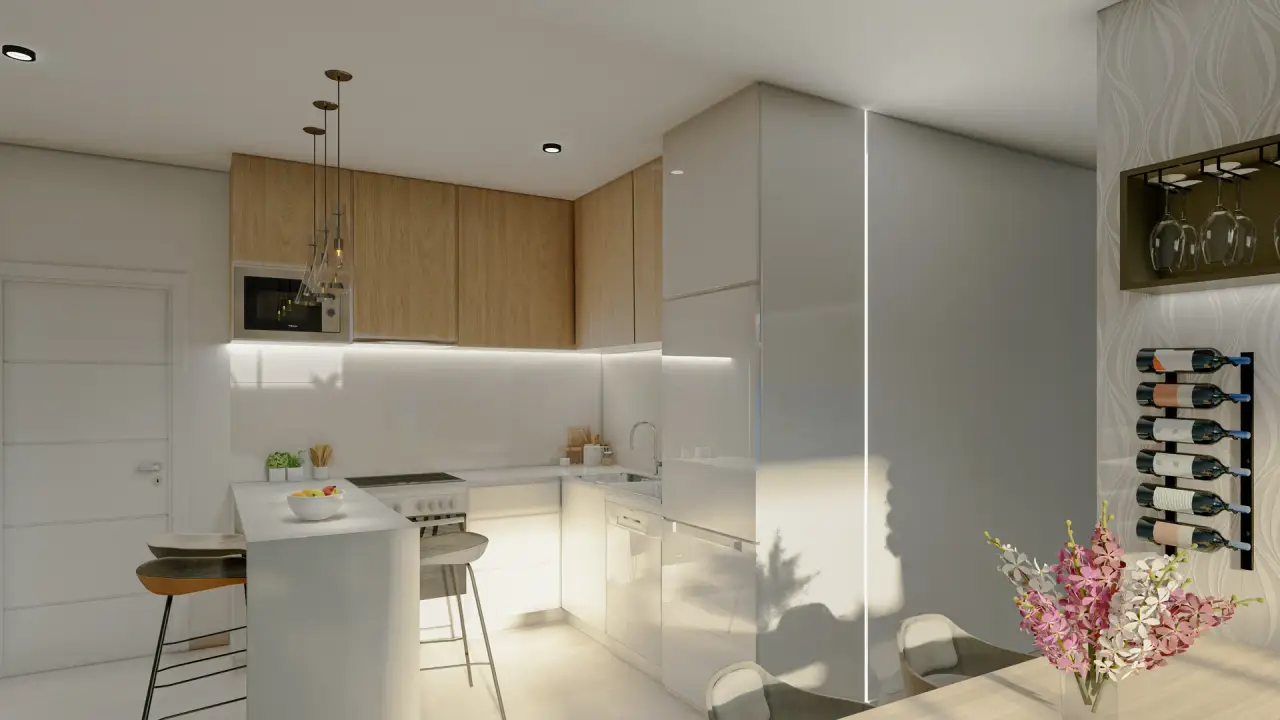
Adapting the property to these profiles helps improve results: reliable Wi-Fi, functional furnishings, a fully equipped kitchen, comfortable spaces, clear instructions, security, professional cleaning, and quality photos can all make the difference.
Regulations, Taxes, and Fiscal Obligations
The legal and tax side is one of the most important aspects for any owner who wants to rent on Airbnb. Although short-term renting is a widespread practice in the Dominican Republic, each property must be assessed individually.
Obligations may depend on the type of owner, how often the property is rented, the legal structure, the location, the condominium rules, and the tax treatment of the income earned. For this reason, it is advisable to seek professional advice before starting the activity.
Licenses, Permits, and Local Regulations
Before listing a home on Airbnb, the owner should check whether the property allows short-term rentals. Some condominiums may set specific conditions regarding guest access, security, minimum length of stay, use of common areas, or an outright ban on short-term rentals.
There may also be administrative or tourism-related requirements depending on the type of operation. A home rented out occasionally is not always treated the same way as a professionally managed operation with high guest turnover.
Complying with the development's internal rules and the applicable regulations avoids conflicts with neighbors, property managers, buyers, guests, and authorities.
Income and Property Taxes for Hosts
Income generated from renting may be subject to tax obligations in the Dominican Republic. This can include filing an income tax return, potential obligations linked to accommodation services, and property-related taxes, as applicable in each case.
For foreign owners, it is especially important to review the purchase and operating structure from the outset. Buying as an individual is not the same as buying through a company, nor is operating occasionally the same as managing several units as a business.
The practical recommendation is to keep clear records of income, fees, expenses, invoices, maintenance, cleaning, administration, and associated payments. Well-organized accounting makes tax compliance easier and allows net profitability to be calculated more precisely.
Tips for Owners
Having a property listed on Airbnb does not guarantee results. Competition in tourist destinations keeps growing, and guests compare price, location, photos, amenities, reviews, and the overall experience before booking.
That is why professional management has become a key factor in maximizing income and protecting the value of the investment.
How to Maximize Income and Occupancy
To improve occupancy, it is important to work with dynamic pricing. This means adjusting rates according to the season, demand, booking lead time, length of stay, and market behavior. Keeping the same price all year round can cause the property to lose income in high season or bookings in low season.
It is also essential to look after the guest experience. A smooth arrival, quick communication, impeccable cleanliness, clear instructions, and efficient resolution of any issues can translate into better reviews. And on Airbnb, reviews are one of a listing's most important assets.
Another key point is keeping costs under control. Cleaning, electricity, water, internet, maintenance, restocking of supplies, fees, and administration must all be factored into the profitability calculation. Strong gross income does not always mean a strong net return.
Strategies to Make the Property Stand Out and Attract Tourists
To stand out on Airbnb, the property must inspire confidence at first glance. Professional photos, a clear description, an attractive title, and a complete list of amenities can raise the listing's conversion rate.
Keywords also matter within the platform. Including terms such as pool, Wi-Fi, Punta Cana, close to entertainment areas, ideal for families, long stay, or fully equipped apartment can help better match the guest's search intent.
It is also worth highlighting what sets the surroundings apart. If the property is part of a development with services, green spaces, leisure, sports, or security, that information should appear clearly in the listing.
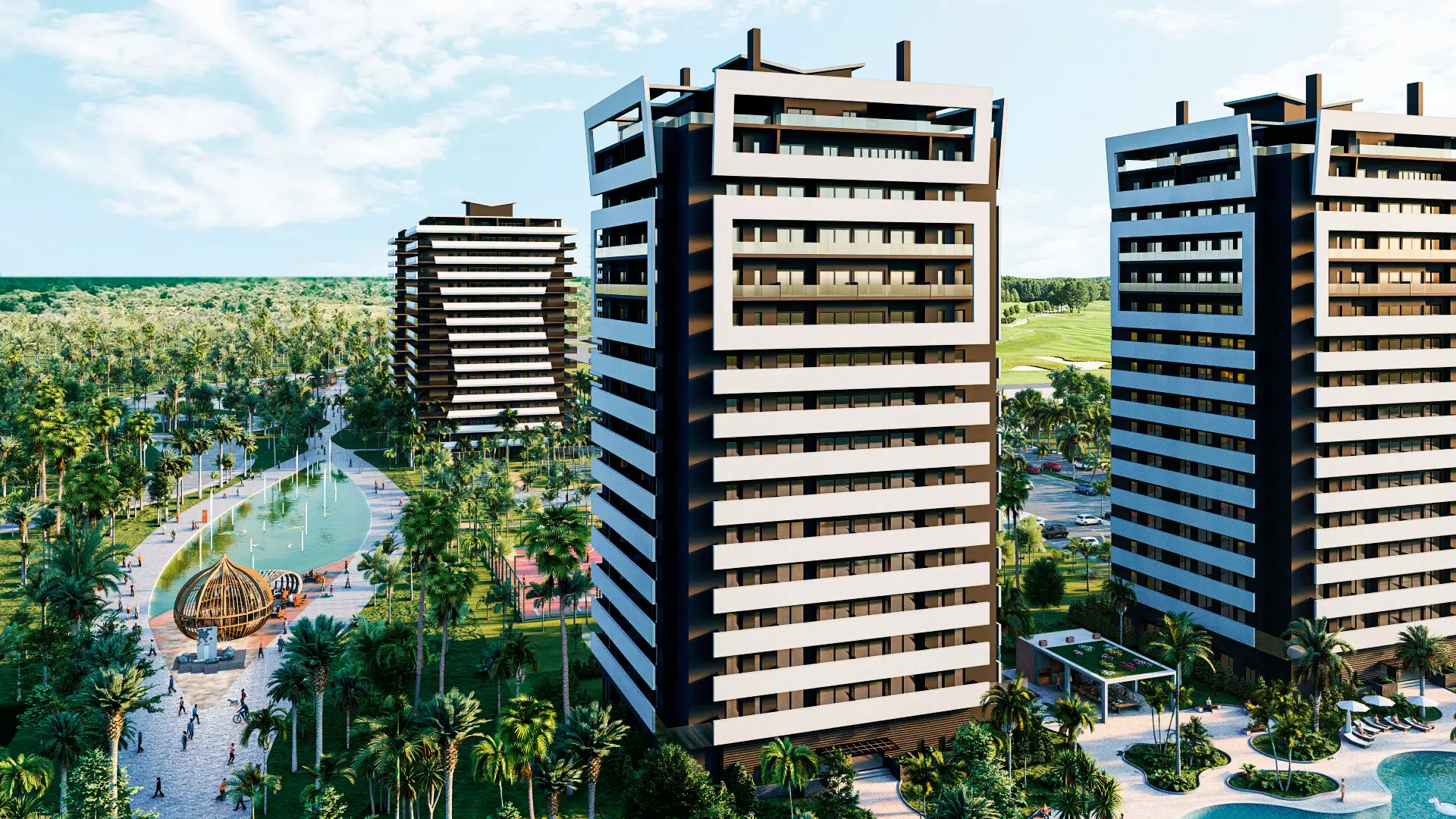
In projects like Larimar City, the appeal is not limited to the home itself. The urban concept combines living, investment, leisure, wellness, and services, which can strengthen the interest of guests looking for more than traditional accommodation. If you would like to understand the project's approach better, you can read more about why invest in Larimar City.
Ultimately, renting a property on Airbnb in the Dominican Republic can be an appealing opportunity for owners and investors, especially in high-demand destinations like Punta Cana. But success depends on buying well, meeting the applicable obligations, managing professionally, and offering an experience that guests will want to recommend.
Written by
Macarena Perona
Director of Communications
Featured projects
Explore the residential projects of Larimar City mentioned in this article.


Smart Investment
Join the first Smart City in the Caribbean. Discover how Larimar City redefines safety and property value in Punta Cana.
Request information