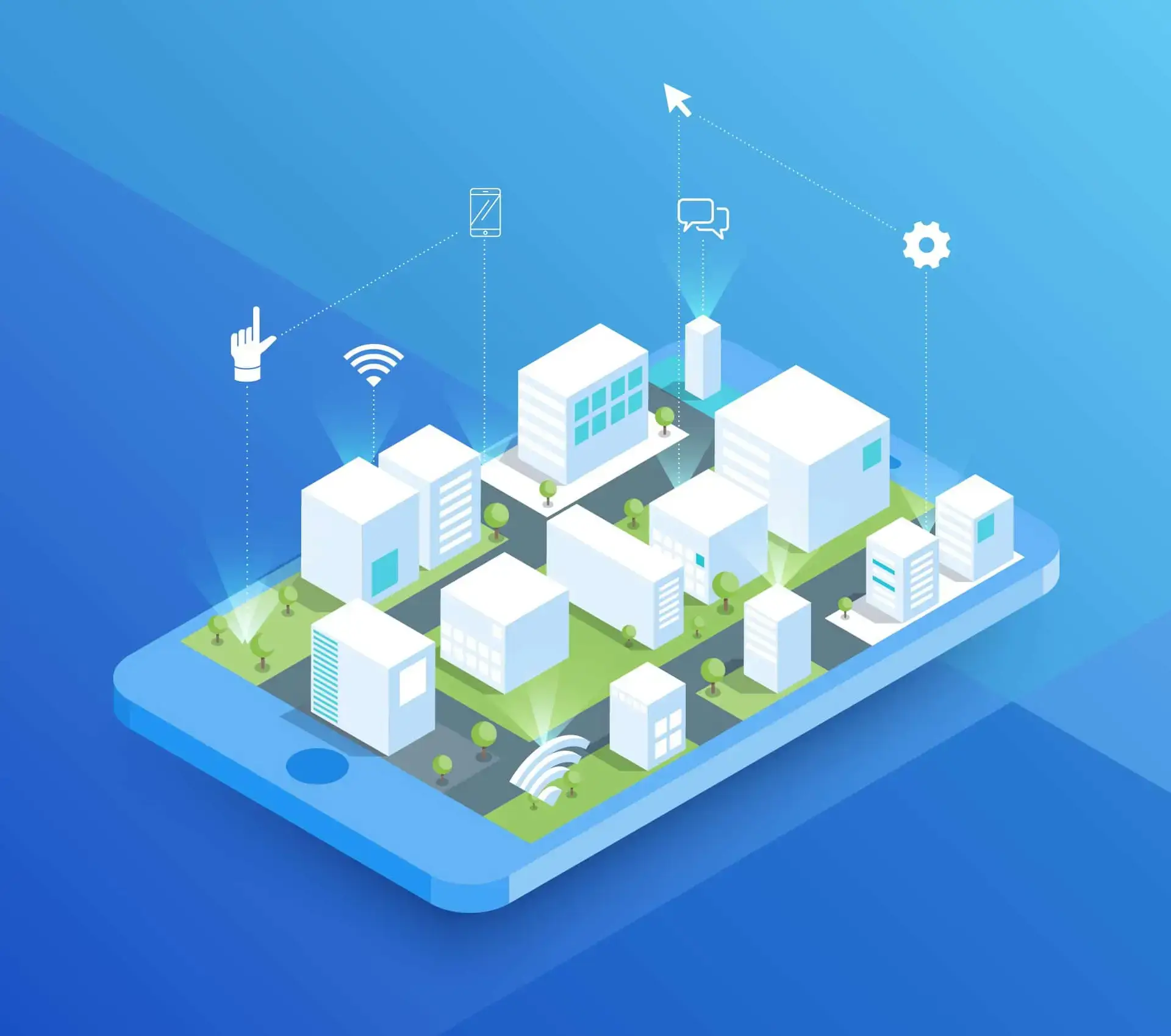
What Is a Smart City? Meaning, Characteristics, and the Case of Smart City Larimar
 Macarena Perona · Director of Communications
The concept of the smart city has become one of the major themes in urban planning today. However, not every city that incorporates technology can truly be considered intelligent. The real value of a smart city lies not only in its digital systems, but in how those resources improve people's lives, optimize the use of resources, and create more sustainable, safe, and efficient environments.
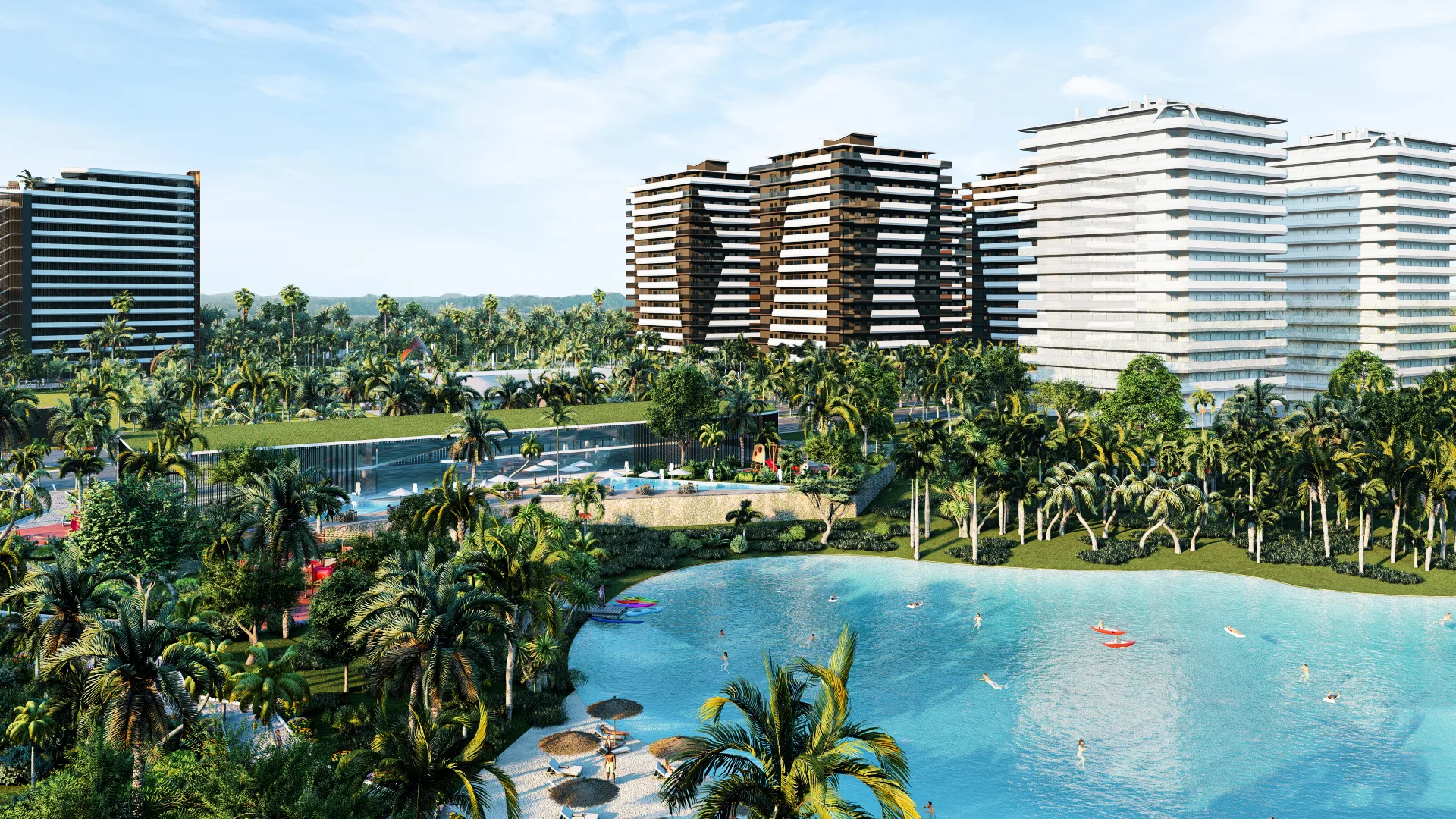
In this context, the Smart City of Larimar represents a new urban vision in Punta Cana: a city planned from the very beginning to integrate sustainability, connectivity, efficient mobility, services, well-being, and quality of life within a single ecosystem.
The Meaning of Smart City: What Is an Intelligent City?
The meaning of Smart City refers to a city that uses technology, data, and urban planning to improve how it functions and to offer a better experience to residents, visitors, businesses, and investors.
A smart city is not limited to having high-speed internet, sensors, or digital applications. Its goal is far broader: to create a city capable of making better decisions, reducing resource consumption, easing mobility, improving safety, and delivering more efficient urban services.
That is why, when we talk about the meaning of a smart city, we are really referring to the concept of the intelligent city: an urban model that combines innovation, sustainability, and quality of life.
In the case of Larimar City, this vision is applied from the design phase. The city is not retrofitted to technology later on; instead, it is born with planning designed to meet the needs of the coming decades.
Characteristics of a Smart City
The characteristics of a smart city may vary from one urban project to another, but there are common elements that define a true intelligent city. These pillars make it possible to distinguish a merely technological city from one genuinely prepared for the future.
1. Smart Mobility and Spaces Designed for People
One of the pillars of ISO 37122 is mobility. A smart city must enable comfortable, safe, and sustainable travel. This means designing pedestrian routes, reducing dependence on private vehicles, connecting residential areas with leisure and service zones, and integrating green spaces that promote a healthier urban life.
At Smart City Larimar, mobility is approached from a holistic perspective. Urban planning aims to make moving around the city simple, efficient, and pleasant, fostering a more comfortable experience for both residents and visitors.
2. Responsible Resource Management
Another essential characteristic of a smart city is the ability to consume fewer resources and manage them better. Energy efficiency, water management, the optimization of urban maintenance, and infrastructure planning are key to reducing environmental impact.
This vision is directly connected to the sustainable city in Punta Cana model championed by Larimar City, where urban development seeks to balance growth, sustainability, and quality of life.
3. Digital Connectivity from the Outset
Connectivity is another of the major indicators in ISO 37122 and one of the great pillars of any intelligent city. Today, a competitive city must be ready to enable remote work, digital services, business activity, and efficient communication among residents, operators, and urban services.
In destinations like Punta Cana — where tourism, real estate investment, international residency, and new profiles such as digital nomads or buyers approaching retirement all coexist — connectivity becomes a strategic advantage.
4. Safety, Well-being, and Quality of Life
Technology must also help create safer, more livable environments. Lighting, the design of public spaces, incident management, and the integration of smart solutions can improve prevention, response, and the overall sense of well-being.
A smart city must not only be efficient. It must also be comfortable, safe, and attractive for those who wish to live, invest, or spend long stays in it.
5. Data to Improve the City Over Time
One of the great distinctions of an intelligent city is its ability to measure its own evolution. Data makes it possible to know what works, what can be optimized, and how to adapt services to people's real needs.
This approach turns urban management into a dynamic process. The city is not confined to its initial design; instead, it can evolve alongside its residents, visitors, and economic activities.
ISO 37122: An International Benchmark for Measuring a Smart City
To understand what makes a city truly intelligent, it is important to mention the ISO 37122 standard. This international benchmark establishes indicators for assessing a city's degree of intelligence across areas such as mobility, energy, water, waste, connectivity, safety, governance, economy, education, health, and quality of life.
More than a seal of approval, ISO 37122 works as a roadmap. It allows us to analyze whether a city is using technology and urban planning in a useful, measurable, and people-oriented way.
From this perspective, a smart city is not defined by the amount of technology it incorporates, but by its ability to improve everyday life and build a more efficient, sustainable, and future-ready environment.
Smart City Larimar: An Intelligent City Planned from Scratch
The difference between adapting an existing city and designing an intelligent city from scratch is enormous. Many traditional cities require major investment to modernize infrastructure, improve mobility, expand green areas, or digitize services.
By contrast, Smart City Larimar starts from a strategic advantage: its planning is born from the outset with a comprehensive vision of the city. Every space, infrastructure, and service is conceived as part of a complete urban ecosystem in Punta Cana.
This is one of the great differences between Larimar City and other residential developments. It is not merely about building homes, apartments, or leisure areas, but about creating a city with services, nature, sports, well-being, connectivity, and spaces designed for living, investing, and enjoying.
To explore this approach further, you can also read the article on the keys that define a Caribbean smart city, which explains how Larimar City integrates innovation, sustainability, and lifestyle in a destination like Punta Cana.
More Than Homes: An Urban Ecosystem in Punta Cana
A true smart city cannot be understood as a simple sum of buildings. Its value lies in the connection between housing, services, leisure, nature, mobility, and well-being.
Larimar City integrates residential zones, commercial areas, sports facilities, dining, nature, urban services, and wellness offerings within a single plan. Elements such as the golf course, the Beach Club, the Promenade, the wellness areas, and the future city services are all part of a connected and functional proposition.
This model responds to a clear trend: international buyers are no longer looking solely for a property, but for a complete environment where the home is part of a whole living experience.
For a foreign investor, this means acquiring an asset within an ecosystem with greater drawing power. For a buyer looking to partially retire in the Caribbean, it means gaining access to a home in a comfortable, sustainable environment built for the long term.
Examples of Smart Cities in Spain
There are various examples of smart cities in Spain that help illustrate how cities are incorporating innovation and sustainability into their urban development.
Barcelona, Madrid, Valencia, Málaga, and Santander have driven initiatives related to urban mobility, energy efficiency, sensor networks, smart lighting, digital services, and urban data management.
These examples show how cities can move toward more efficient models. However, many of these transformations start from already-established cities, where adapting existing infrastructure poses a complex challenge.
Examples of Smart Cities Around the World
Internationally, there are numerous examples of smart cities around the world that have become benchmarks for their ability to integrate technology, sustainability, and quality of life.
Cities such as Singapore, Copenhagen, Amsterdam, Dubai, Seoul, and Helsinki are often cited for their advances in smart mobility, energy efficiency, digital services, data management, and sustainable urban planning.
What makes Larimar City unique is its from-scratch approach: a Caribbean smart city conceived from the outset as a sustainable, connected city oriented toward quality of life in Punta Cana.
Why Investing in a Smart City Can Be a Real Estate Opportunity
Investing in a smart city does not simply mean buying a home in a modern setting. It means positioning yourself within an urban model with potential for appreciation, greater appeal to international residents, and a distinctive proposition compared to traditional real estate developments.
For buyers looking to invest in real estate in Punta Cana, an intelligent city can offer meaningful advantages: greater asset differentiation, integrated services, a sustainable environment, capital-gain potential, appeal for vacation or residential rentals, and a better experience for residents, tourists, and digital nomads.
In tourism markets like the Dominican Republic, where location, safety, services, and user experience are key factors, a smart city can become an especially competitive proposition.
Smart City Larimar: A New Way to Live and Invest in the Caribbean
The cities of the future no longer compete solely on size, but on their ability to offer quality of life, sustainability, innovation, and efficiency.
Larimar City has been conceived following that philosophy: to build a city ready to meet the needs of the coming generations, combining housing, investment, leisure, well-being, connectivity, and services in a unique setting in Punta Cana.
Because an intelligent city is not defined by the amount of technology it incorporates, but by the way that technology improves the lives of those who inhabit it.
That is the true purpose of Smart City Larimar: to build far more than homes. To build a new way to live, invest, and enjoy the Caribbean.
Frequently Asked Questions About Smart Cities
What does smart city mean?
Smart city means intelligent city. It is an urban model that uses technology, data, and sustainable planning to improve quality of life, optimize resources, and deliver more efficient services.
What are the main characteristics of a smart city?
The main characteristics of a smart city are smart mobility, energy efficiency, digital connectivity, responsible water management, safety, sustainability, integrated services, and the ability to measure urban evolution through data.
Are a smart city and a sustainable city the same thing?
Not exactly. A sustainable city focuses on reducing environmental impact and improving the use of resources. A smart city additionally incorporates technology, connectivity, and data to manage the city better. The two concepts complement each other.
Are there examples of smart cities in Spain?
Yes. Barcelona, Madrid, Valencia, Málaga, and Santander are some examples of smart cities in Spain, thanks to their initiatives in mobility, energy efficiency, digital services, and intelligent infrastructure management.
What are some examples of smart cities around the world?
Singapore, Copenhagen, Amsterdam, Dubai, Seoul, and Helsinki are often cited as examples of smart cities around the world for their integration of technology, sustainability, efficient mobility, and advanced urban services.
What sets Smart City Larimar apart?
Smart City Larimar stands out for being a city planned from scratch in Punta Cana, with a comprehensive vision that combines real estate investment, sustainability, connectivity, leisure, well-being, services, and quality of life.
Written by
Macarena Perona
Director of Communications
Featured projects
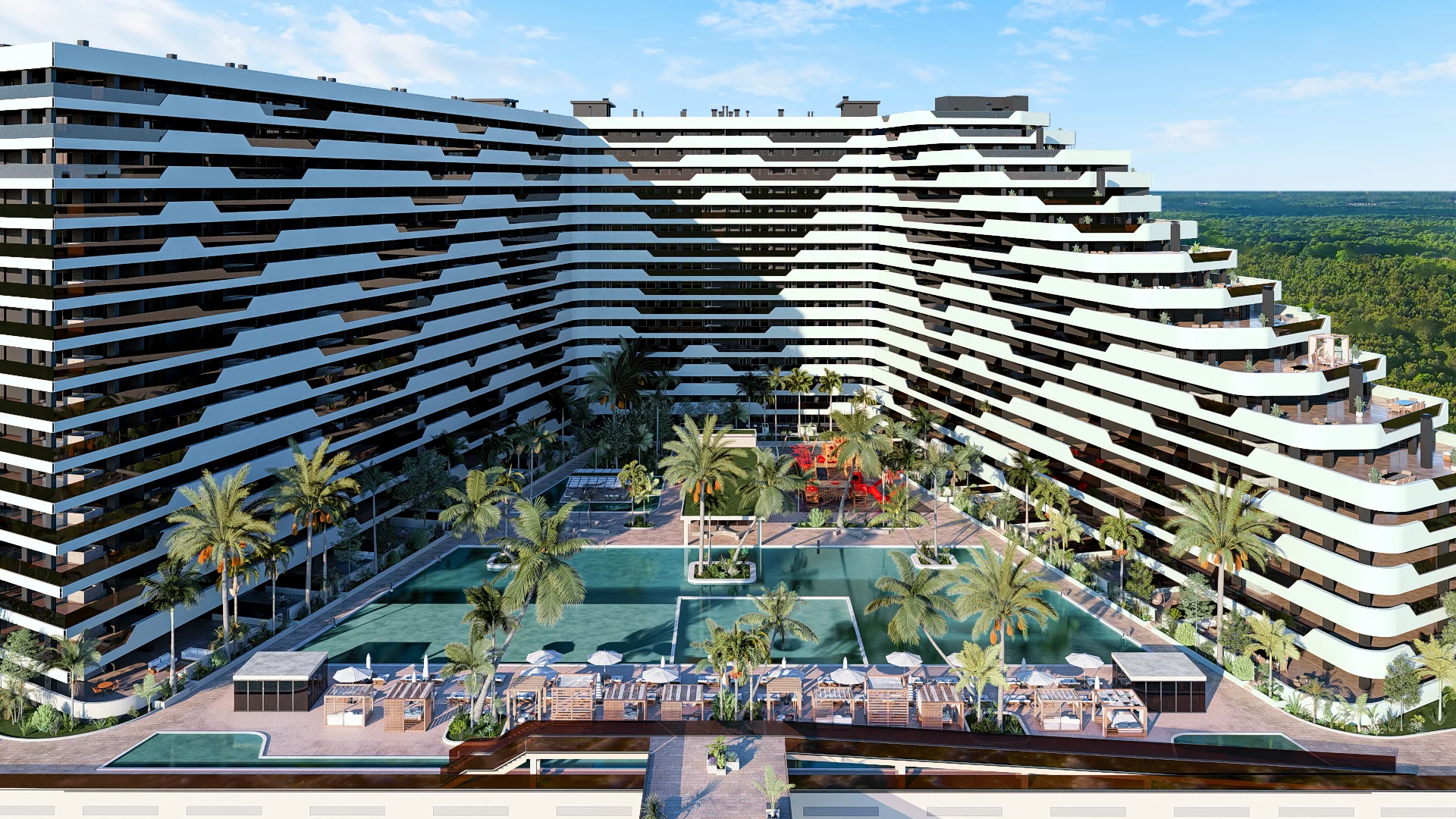
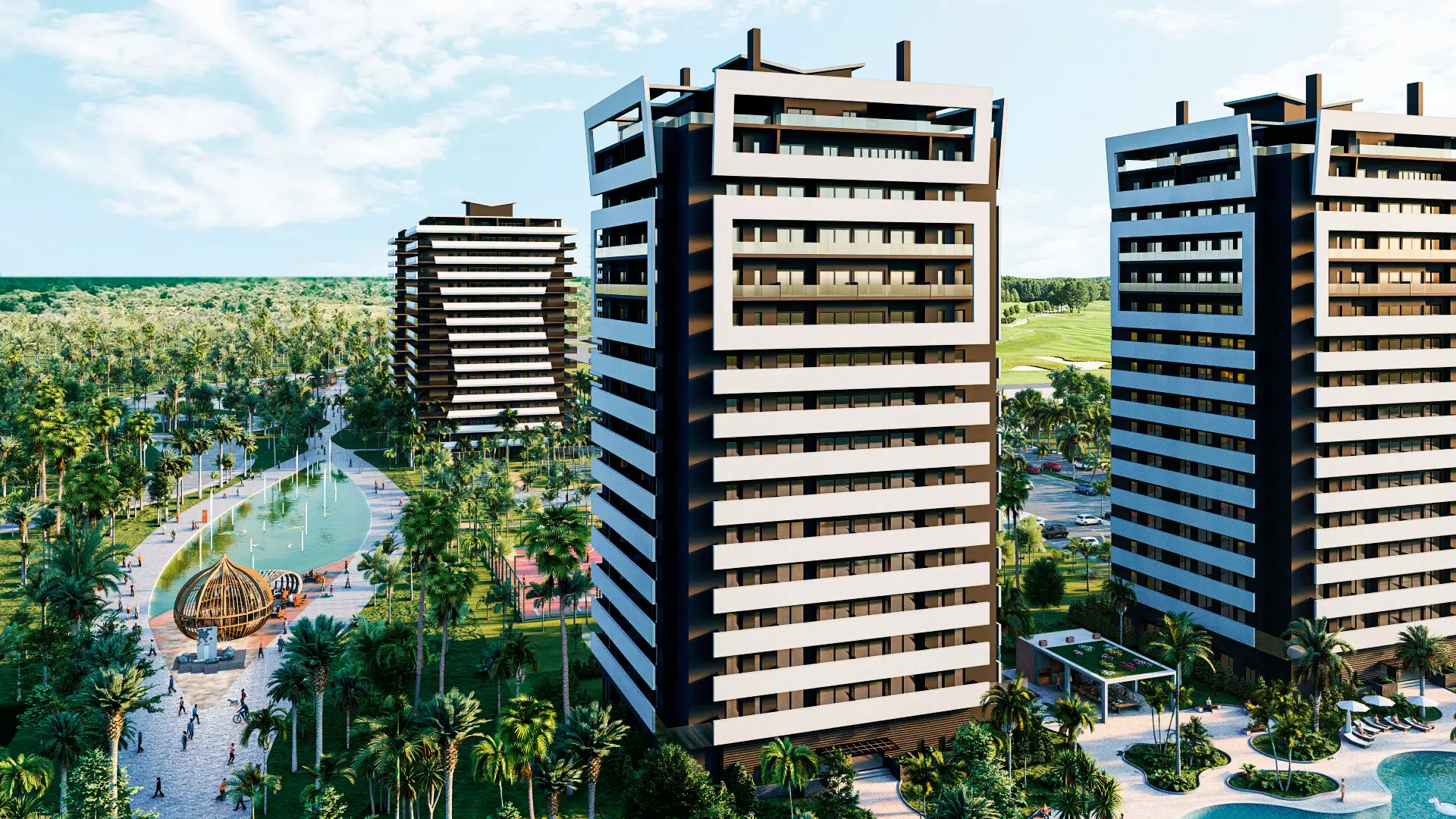
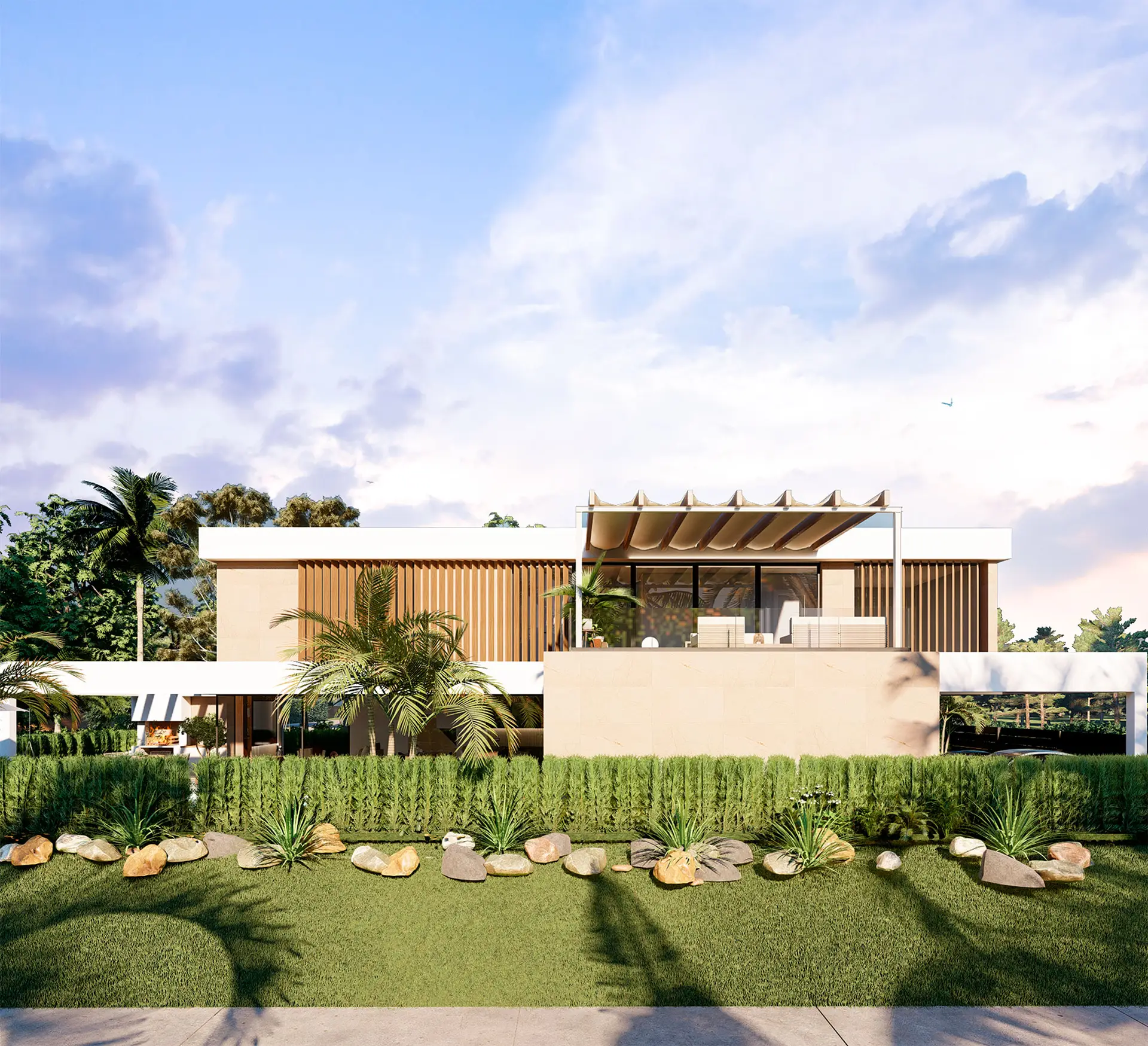
Explore the residential projects of Larimar City mentioned in this article.
Smart Investment
Join the first Smart City in the Caribbean. Discover how Larimar City redefines safety and property value in Punta Cana.
Request informationMore Articles
Biophilic design: conscious architecture that improves quality of life and cuts environmental impact

Slow living and integrated wellness: the Caribbean answer to global stress