Diving in the Dominican Republic: The Complete Guide
Diving in the Dominican Republic reveals a side of the Caribbean that cannot be appreciated from the shore. Beneath its waters lie tropical reefs, underwater walls, caves, shipwrecks, and a wide variety of marine species. All of this makes the country an appealing destination for certified divers and for travelers wanting to make their first dive alike.
For a visitor who has never gone diving, the experience can raise many questions: what equipment is needed, whether a certification is required, how much a dive costs, or which spot is best to get started. The good news is that there are introductory programs supervised by instructors, private trips, and specialized centers capable of adapting the activity to each person's level and expectations.
What's more, diving in the Dominican Republic does not mean giving up comfort. You can book private transfers, exclusive boats, small groups, high-quality equipment, and tailor-made experiences. This way, a day of diving can fit into a premium vacation that combines the sea, dining, wellness, and relaxation.
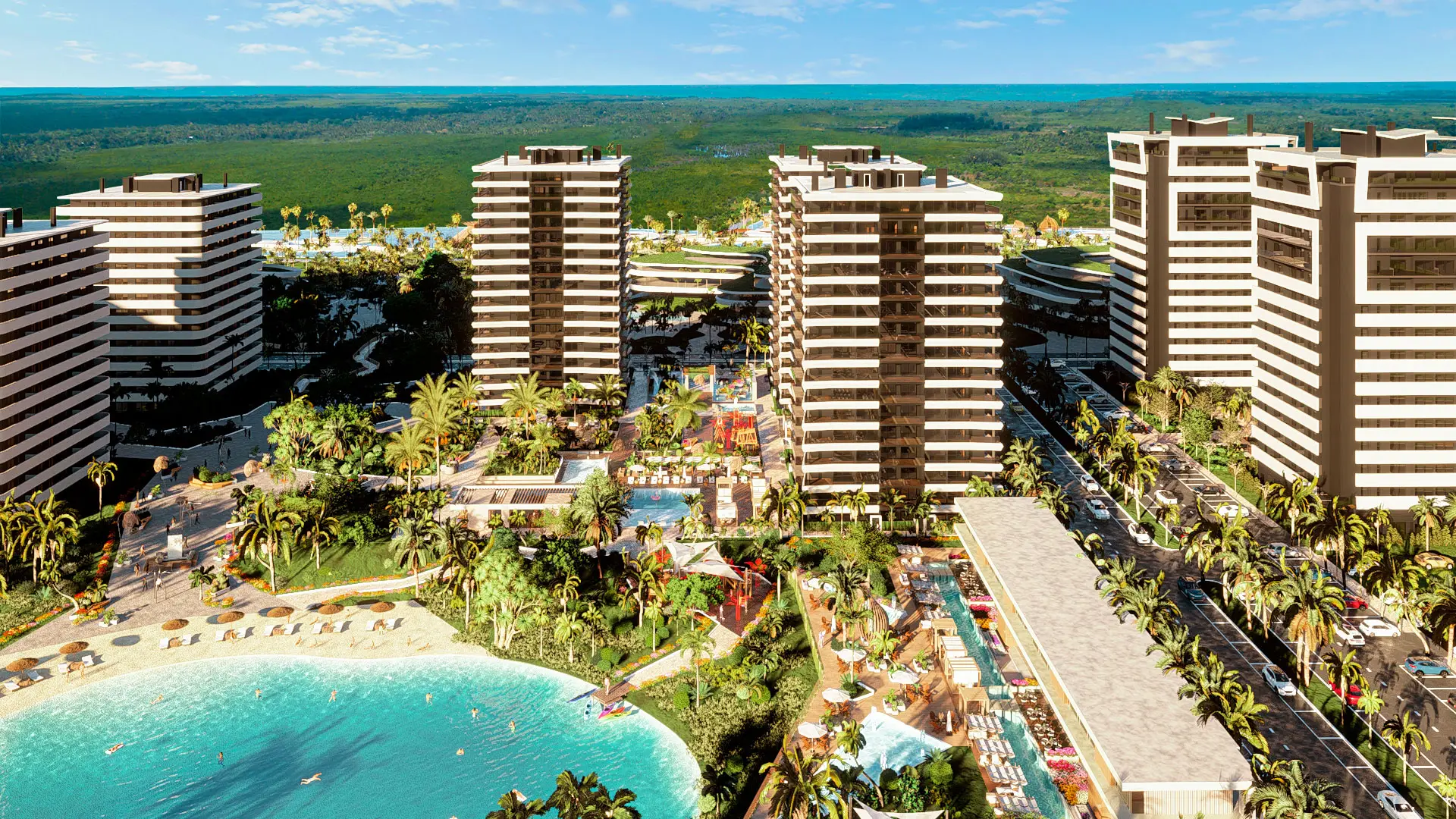
Those who want to enjoy this lifestyle for several weeks or months a year can set up their base in Larimar City, a project designed to integrate housing, leisure, services, and experiences in the Punta Cana area. From there, you can organize dives in the east of the country and getaways to other parts of the Dominican Republic.
Best places to dive in the Dominican Republic
Choosing the right spot depends on the diver's level, the type of seabed they want to explore, and the length of their trip. Some areas stand out for their calm waters and visibility, while others offer currents, caves, or underwater formations better suited to experienced divers.
Bayahíbe and the Caribbean coast
Bayahíbe is one of the best-known destinations for diving in the Dominican Republic. It sits on the Caribbean coast, near La Romana, and offers numerous dive sites reachable by boat.
Its waters are usually suitable for introductory programs and for certified divers seeking reefs, coral formations, and tropical marine life. The area is also known for its shipwrecks, that is, sunken vessels that over time have become habitats for different species.
One of Bayahíbe's advantages is the option to combine diving with a relaxed stay, seaside dining, and excursions to nearby natural areas. For a discerning traveler, private trips can be arranged with customized schedules, small groups, and one-on-one attention from the instructor.
Those who stay in Punta Cana can visit Bayahíbe on a full-day excursion or book a night in the area. The second option lets you enjoy the experience without rushing and complete more than one dive.
Isla Catalina
Isla Catalina is another highlight for diving in the Dominican Caribbean. Its dives are known for their underwater walls, coral zones, and vividly colored waters.
The site can appeal to divers of different levels, provided the trip is tailored to each participant's experience. Beginners should carry out the activity in controlled areas and accompanied by a professional, while certified divers can access deeper routes.
A private excursion to Isla Catalina can include transportation, an exclusive boat, diving equipment, an instructor, drinks, and lunch. This format avoids crowded trips and allows more time to be devoted to each dive.
It is also a good choice for couples or families in which not everyone dives. While one person is on the dive, the others can enjoy the beach, swim, or snorkel.
Isla Saona and Cotubanamá National Park
The marine area near Isla Saona is part of one of the most famous landscapes in the Dominican Republic. Its waters, sandbanks, and protected areas draw visitors interested in nature and water activities.
Not all excursions to Isla Saona include diving. Many are geared toward sailing, swimming, and relaxing on the beach. For that reason, if the main goal is to dive, it is best to book a specific trip with a specialized center.
Dives must be carried out in keeping with the area's conservation rules. Do not touch the corals, feed the animals, or collect anything from the seabed. Responsible diving is essential to protect the ecosystems and ensure that other visitors can enjoy them in the future.
Punta Cana and Bávaro
Punta Cana offers options for those who want to take up diving without traveling too far from their accommodation. In the areas of Bávaro, Cabeza de Toro, and other points along the coast, you can find centers that organize courses, guided dives, and discovery experiences.
Sea conditions can vary from day to day. Waves, wind, and visibility all influence the site chosen for the dive. A professional center should assess these factors before authorizing the trip.
For a traveler who has never dived, Punta Cana can be a convenient choice. You can start with a theory briefing, practice exercises in a pool or sheltered area, and then move on to a supervised dive in open water.
The proximity to tourist services, restaurants, spas, and upscale accommodations makes it easy to create a complete experience. A diving session can be combined with a relaxing afternoon, a private dinner, or a wellness day.
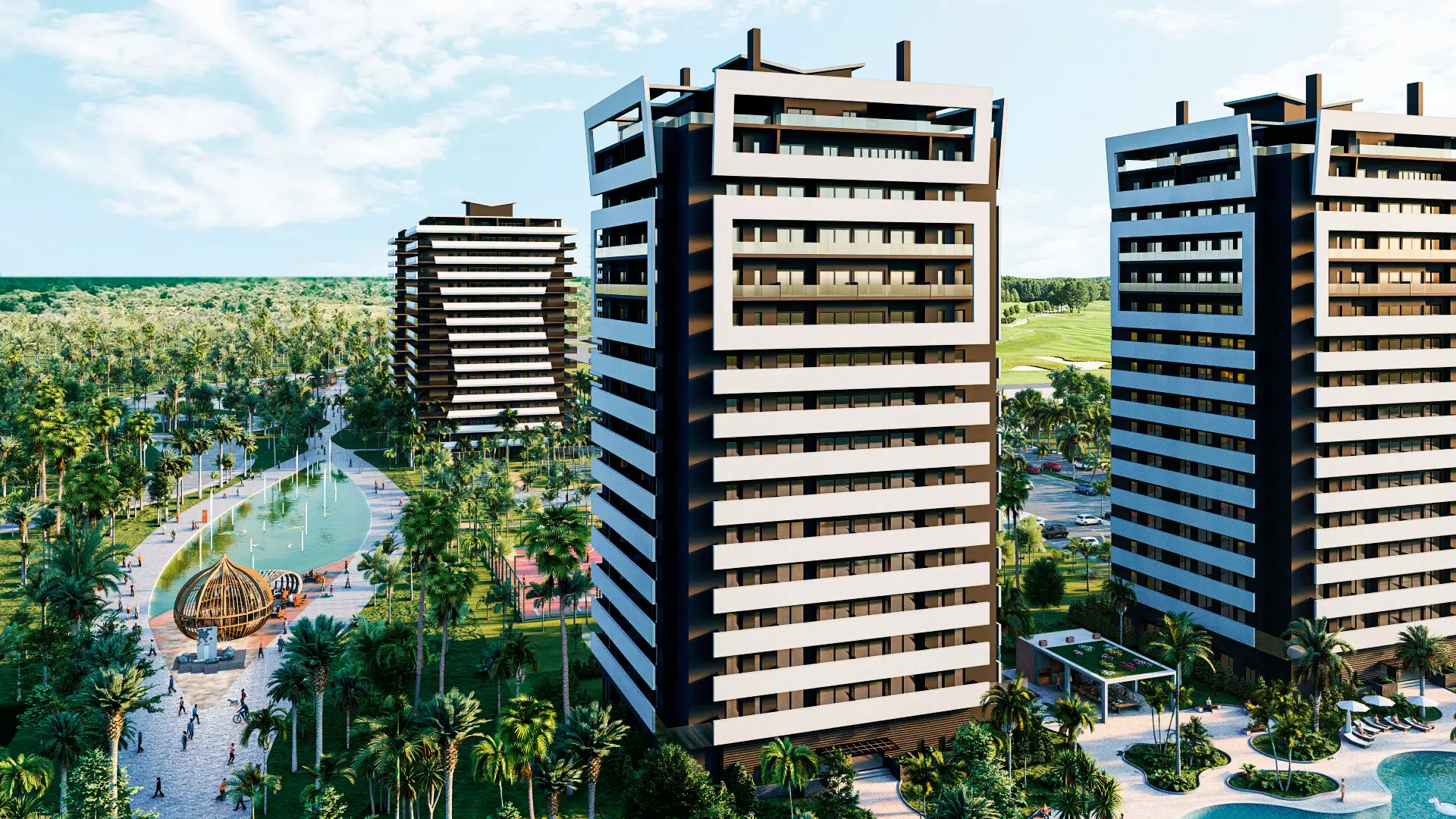
Those who want to keep this connection with the Caribbean for longer may consider a home at Breeze Towers. Living in the Punta Cana area lets you plan water activities at different times of the year, rather than packing them into a short vacation.
Samaná
Samaná offers a different experience, marked by green landscapes, bays, islets and, in certain areas, less urban density. Diving can be combined with nature trails and stays in small hotels or exclusive lodgings.
Trips depend on sea conditions and the specific dive site. Some areas may be suitable for intermediate or advanced divers, especially where there are currents or greater depths.
For those in Punta Cana, Samaná requires more extensive planning. It is best to turn the visit into a getaway of several days rather than a rushed excursion. That way you can enjoy the trip, do more than one activity, and respect the rest periods needed between dives and journeys.
Sosúa and Puerto Plata
The north coast also has options for diving in the Dominican Republic. Sosúa, near Puerto Plata, is one of the best-known spots for its waters, bays, and specialized centers.
The experience can include reefs, rock formations, and various tropical species. The type of dive should be chosen based on certification, experience, and the day's conditions.
Puerto Plata and Sosúa can be part of a route along the north coast. Besides diving, travelers can visit beaches, take part in water sports, and explore towns such as Cabarete.
For a tourist seeking exclusivity, it is advisable to book a private or small-group trip. This option provides greater comfort, allows schedules to be adjusted, and makes for more direct communication with the instructor.
Monte Cristi
Monte Cristi lies in the northwest of the country and offers a less conventional experience. Its surroundings may appeal to divers looking for different landscapes and areas with fewer tourists.
It is not the most practical destination for a first dive from Punta Cana, given the distance and the planning involved. However, it can be added to a broader diving route for experienced travelers or people who spend long stretches of time in the Dominican Republic.
Before booking, it is worth confirming the available facilities, the type of boat, the equipment included, and the operator's experience with the local dive sites.
What you need to dive in the Dominican Republic
Proper preparation makes the difference between an uncomfortable experience and a memorable day. The equipment, the training, your state of health, and the choice of dive center are all key factors.
Diving certification
A prior certification is not always required. Beginners can book a supervised introductory experience, usually known as a try dive or discovery program.
This format includes a theory portion, basic exercises, and a limited-depth dive with an instructor. The participant learns to breathe through the regulator, clear water from the mask, equalize pressure, and communicate using hand signals.
An introductory experience does not make the participant a certified diver. To dive more independently and access a wider variety of dives, you need to complete a recognized course.
Certified divers must show their credentials to the center. Information about the most recent dive may also be requested. If a long time has passed, the operator may recommend a refresher session before entering the water.
Basic diving equipment
Diving equipment usually includes a mask, fins, buoyancy control device, regulator, tank, pressure gauge, weights, and a wetsuit when needed.
For a first experience, it is not common to buy all the gear. Centers offer equipment rental and should select the right sizes for each participant.
The comfort of the mask is especially important. It should fit the face properly without causing excessive pressure. The fins should also be the right size to avoid chafing.
In a premium experience, you can request high-end equipment, one-on-one attention during fitting, and gear prepared before the client arrives. Some centers allow you to book a private boat and assign an instructor exclusively to a couple or family.
State of health
Before diving, the participant must fill out a medical questionnaire. Certain respiratory, cardiovascular, neurological, or ear-related conditions may require a professional evaluation.
You should also report any regular medication, recent surgery, or health problem. Withholding information can increase the risk during the dive.
You should not dive under the influence of alcohol, with a heavy cold, congestion, or trouble equalizing pressure. Rest and hydration are essential before entering the water.
Safety and choosing a center
A professional center should provide a clear briefing, inspected equipment, suitable boats, emergency oxygen, and trained staff. It should also respect depth limits, sea conditions, and each participant's level.
When choosing a diving company, it is worth asking:
How many people each instructor will accompany.
What equipment is included.
How long the activity lasts.
What happens if sea conditions are not safe.
Whether transfers are included.
What level of certification the staff holds.
Whether there is insurance or specific coverage for the activity.
An exclusive service should prioritize safety over speed. If conditions are not right, the dive should be modified or canceled.
What to bring on the day of the dive
In addition to the technical gear, it is a good idea to bring a swimsuit, towel, dry clothes, sunscreen, sunglasses, a water bottle, and a bag to store personal belongings.
Phones, cameras, and documents should be protected inside a waterproof case. If the participant wants to take photos underwater, they can rent a camera or hire a professional service.
On a first dive, it is usually better to focus on breathing, controlling buoyancy, and following the instructor. Carrying a camera from the very start can become a distraction.
Diving and air travel
After diving, you need to allow enough time to pass before flying. The interval depends on the number of dives, their duration, and their depth.
For this reason, it is not advisable to schedule a dive trip on the same day as your return flight. The most sensible approach is to leave the final day for resting, enjoying your accommodation, and doing activities on land.
This point is especially important for international travelers planning tight itineraries. A concierge service or a professional dive center can help coordinate activities with the flight schedule.
How to turn diving into an exclusive experience
Luxury diving in the Dominican Republic is not about descending to greater depths or taking on more risk. The exclusivity lies in the quality of service, privacy, and personalization.
A premium experience can include pickup in a private vehicle, a reserved boat, a private instructor, custom-prepared equipment, and an itinerary tailored to the client's pace.
It can also incorporate breakfast before departure, drinks on board, lunch by the sea, and professional photography. After the dive, the day can continue with a spa treatment, a private dinner, or downtime at home.
For those who enjoy this lifestyle and want to settle in the country for part of the year, it is helpful to understand the process to buy a property in Punta Cana as a foreigner. Having your own home lets you plan activities with more freedom and gradually discover different dive sites.
Frequently asked questions about diving in the Dominican Republic
When is the best time to dive in the Dominican Republic?
Diving in the Dominican Republic can be done for much of the year, although conditions vary depending on the coast, the wind, the rain, and the state of the sea.
The Caribbean coast tends to offer calmer waters than some areas open to the Atlantic. However, there is no absolute guarantee of visibility or the absence of waves.
The best move is to check conditions a few days before the activity. A professional center should select the most suitable site or postpone the dive when the sea is not safe.
Travelers who want to avoid large crowds can book outside the busiest weeks. A private trip also offers more flexibility to choose the time of day.
How much does a dive cost?
The price depends on the location, the number of dives, equipment rental, transportation, and the type of service booked.
As a rough guide, an introductory experience can cost approximately between 90 and 160 dollars per person. A trip with two dives for certified divers can fall within an approximate range of 110 to 180 dollars, depending on the services included.
Private or premium experiences can exceed 200 or 400 dollars per person, especially when they include an exclusive boat, a private instructor, transfers, meals, and a photography service.
These prices are indicative and may vary. Before booking, it is worth confirming whether the rate includes equipment, taxes, entrance fees to protected areas, transportation, and drinks.
The lowest price does not always represent the best option. In diving, the quality of the equipment, the instructor's experience, and safety should carry more weight than a small difference in cost.
Can you dive as a beginner?
Yes. A person with no experience can complete an introductory program under professional supervision.
The activity begins with a briefing on the equipment, breathing, ear equalization, and communication signals. After that, basic exercises are practiced in a pool or a shallow area.
If the participant feels comfortable and meets the necessary conditions, they can carry out a controlled dive accompanied by an instructor.
You do not need to be an athlete, but you do need to feel relatively comfortable in the water and follow instructions. Anyone who feels anxious should say so before descending. The instructor can slow the pace, repeat exercises, or cancel the dive if necessary.
For a first experience, a private session is usually more advisable than a crowded excursion. It allows you to progress calmly and receive constant attention.
What marine species can you see while diving?
The species depend on the location, the depth, the season, and the sea conditions. On Dominican reefs you may spot tropical fish, parrotfish, angelfish, butterflyfish, moray eels, lobsters, and various invertebrates.
You may also come across rays, sea turtles, and barracudas in certain areas. Their presence cannot be guaranteed, since these are wild animals that move about freely.
Shipwrecks tend to attract schools of fish and other species that use the structure as shelter. Walls and coral formations also create diverse habitats.
During the dive, keep a respectful distance. Do not chase, touch, or feed the animals. The goal is to observe the environment without altering its behavior.
Tips for a first diving experience
To enjoy your first dive in the Dominican Republic, it is best to book the activity early in your vacation, but not on the day you arrive. Leaving a day to adjust helps you rest after the flight and get used to the climate.
It is also better to avoid an overly packed schedule. The activity can take several hours, counting the transfer, the preparation, the boat trip, and the dive.
Before entering the water, listen to the entire briefing and ask about anything unclear. There is no obligation to continue if the participant does not feel comfortable.
During the dive, breathing should be slow and steady. You should never hold your breath. To equalize the pressure in your ears, it is important to act gradually and tell the instructor if any pain appears.
After diving, it is recommended to hydrate, rest, and avoid excessive exertion. The day can end with a relaxed meal or a wellness experience.
Diving, residence, and lifestyle in Punta Cana
Diving during a vacation lets you experience the sea for a few hours. Living near Punta Cana offers the chance to make water activities part of a broader routine.
A home in a planned community makes it easier to combine sport, relaxation, dining, and services. It also lets you plan getaways to Bayahíbe, Isla Catalina, Samaná, or the north coast without relying on a single trip.
This flexibility is appealing to international buyers looking for a second home, a place to retire, or a property from which to enjoy the Caribbean at different times of the year.
Diving in the Dominican Republic is an accessible experience for beginners when it is done with supervision and proper planning. Choosing a professional center, booking a service suited to your level, and following the safety rules are the keys to discovering the underwater world with peace of mind.
For the discerning traveler, the experience can go far beyond a single dive. A private boat, a personal instructor, and a comfortable home near Punta Cana let you enjoy the sea with privacy, safety, and freedom. In this way, diving becomes a different way to connect with the Dominican Republic and with the Caribbean lifestyle.
Written by
Equipo Larimar City
Featured projects
Explore the residential projects of Larimar City mentioned in this article.

Smart Investment
Join the first Smart City in the Caribbean. Discover how Larimar City redefines safety and property value in Punta Cana.
Request information