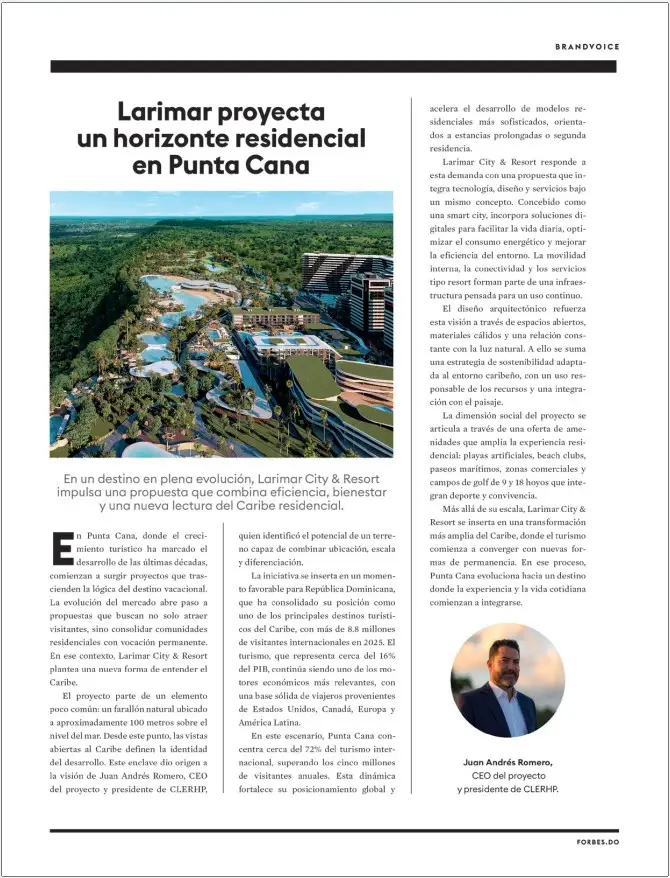
Buying a property in the Caribbean
Buying a property in the Caribbean: Checklist for buying or investing stress-free. Keys.
Thinking about investing in a property in the Caribbean? This guide is for you.
If you're a citizen of the U.S., Canada, Spain, or Latin America — and you're exploring options to acquire a home in destinations like Punta Cana — this article will provide you with the keys necessary to do so with security and profitability.
Some data of interest
According to data from the Central Bank of the Dominican Republic, the country has attracted more than US$3.75 billion annually in Foreign Direct Investment (FDI) in recent years — consolidating itself as one of the most attractive destinations for international capital.
The most dynamic sectors have been tourism, telecommunications, renewable energy, and — notably — real estate development. This constant investment flow responds to a stable regulatory framework, to free-trade treaties with the United States and Europe, and to incentives designed to reduce costs and increase investor returns.
The buyer profile has evolved. Today, many foreign investors aren't just looking for a second residence in the Caribbean, but an asset that generates sustained passive income. From pensioners with stable income to entrepreneurs diversifying their portfolio — all can benefit from efficient legal structures, such as the formation of local companies, which allow optimizing tax impact and increasing patrimonial protection.
Get ready to discover the definitive checklist before taking the step:
1. Location: the key factor
Location is the first decisive element. The Dominican Republic — and especially Punta Cana — stands out from other Caribbean destinations (such as Mexico, Cuba, or Panama) for its economic stability, high tourism flow, and policies favorable to foreign investment. Punta Cana is a consolidated country brand that guarantees visibility and return on investment. In addition, projects like Larimar City are transforming the concept of destination city in the Caribbean. The Dominican Republic — recognized as a leader in attracting Foreign Direct Investment (FDI) in the Caribbean according to ECLAC — combines macroeconomic stability, investment incentives, and consolidated tourism infrastructure. Punta Cana, with more than 6 million annual visitors and an airport with more than 200 international connections, concentrates the greatest appeal.
2. Tax incentives and legal certainty
Investing in the Dominican Republic offers important advantages:
- Stable legal framework: the Constitution protects private property and foreign investment.
- Tax incentives: tax exemptions for tourism and energy projects, or for those who opt for rentier residency.
- Operational ease: possibility of establishing corporate structures in origin and destination to tax-optimize the investment.
The Dominican Republic guarantees foreign investors equal treatment with nationals, legal protection against expropriations, and freedom to repatriate capital. Law 16-95 and international agreements ensure a favorable environment. Tax benefits — such as ITBIS, income tax, and tariff exemptions — apply especially to tourism or energy projects. Likewise, foreign pensioners and rentiers can access quick residency and specific tax benefits.
3. Evaluate the real estate project
Before buying, investigate thoroughly:
- Who is the developer? Do they have experience and track record in the region and in their sector?
- Are construction standards met, especially regarding earthquakes and natural phenomena?
- Is it a mixed project, with sports city, hotels, services, and commercial areas, like Larimar City?
- What deadlines and guarantees does the developer offer?
4. Define your budget and know the associated expenses
The investment ticket includes more than the purchase price:
- Notary and registration fees
- Transfer taxes
- Legal costs
- Furniture and equipment if you want to monetize it with vacation rental
5. Legal aspects of your purchase. Review your conditions.
Request a draft of the contract before signing. Pay attention to:
- Guarantees of invested capital, with an independent insurance company
- Existence of guarantees, bonds, or insurance
- Applicable legislation in case of conflict
- Deadlines
6. Available financing modalities
In emerging countries, the following are usually chosen:
- Off-plan sale: interest-free plans during the construction phase. This implies the possibility of opting for improved interest-free deferred financing.
- Immediate delivery: local or international bank financing available depending on the buyer's profile.
7. Home delivery and after-sales services
The property's delivery should be accompanied by a rigorous technical inspection. Make sure it includes after-sales warranty, finish review, and maintenance or customization services. Success in real estate investment largely depends on these details. You should consider whether the project you've chosen contemplates options such as:
- Decoration and furnishing options
- Complete equipment for tourist rentals
- After-sales management and turnkey delivery
- Review and warranty of both structural and finish completions.
- Facility maintenance, cleaning, guest reception, etc.
As you can see, there are essential aspects that not all real estate projects are able to offer in their entirety. Buying in the Caribbean doesn't have to be a complicated process. With the right choice, you can access a solid, profitable investment with high personal or tourist use value.
You'll have noticed that in the specific case the Larimar City & Resort project meets all the requirements of this checklist, and offers a unique opportunity to be part of the real estate future of Punta Cana.
If you want specific information, our team will inform you.
Contact
By Macarena Perona
Deputy Director
Larimar City & Resort
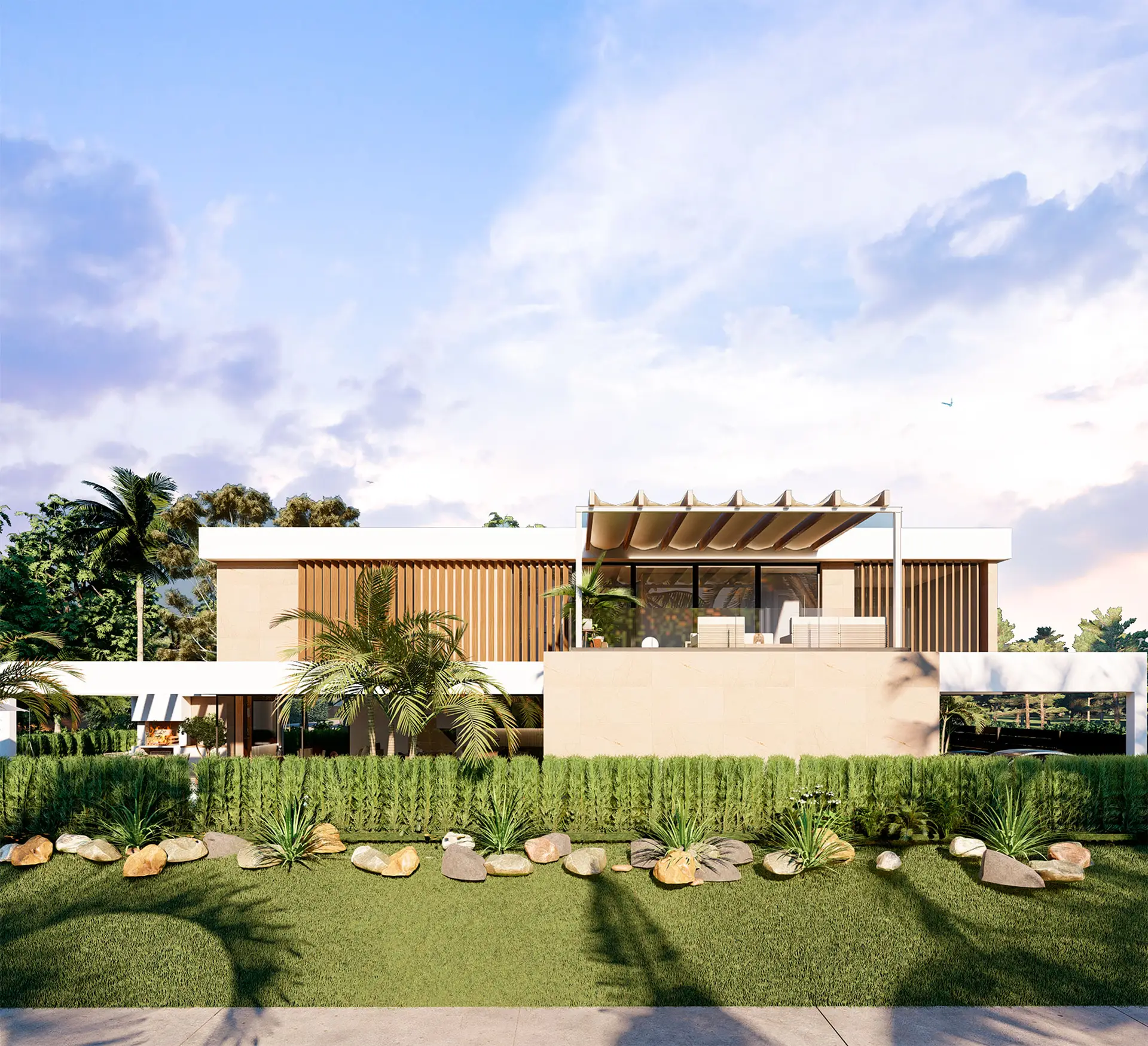
Featured projects
Explore the residential projects of Larimar City mentioned in this article.
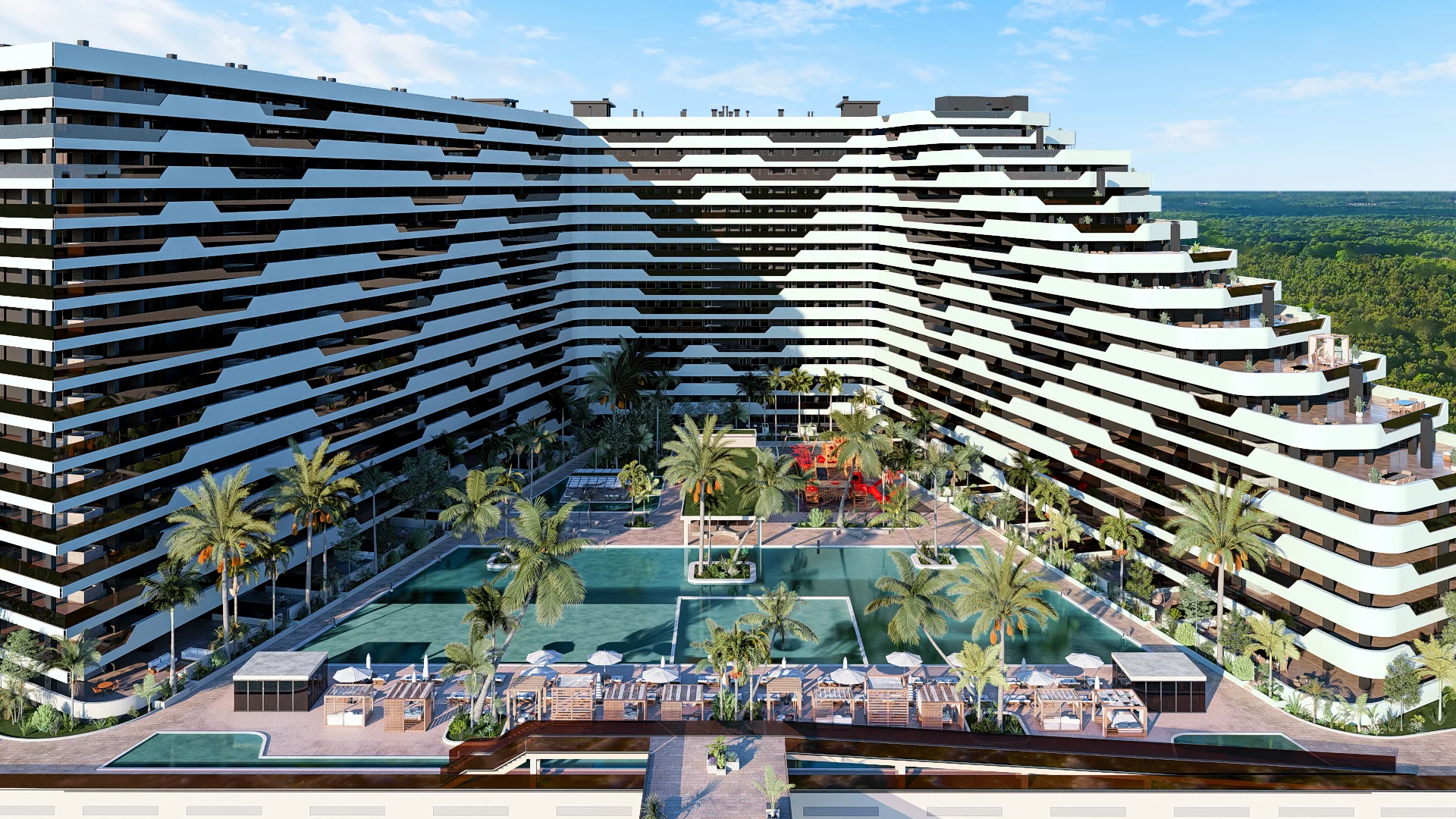
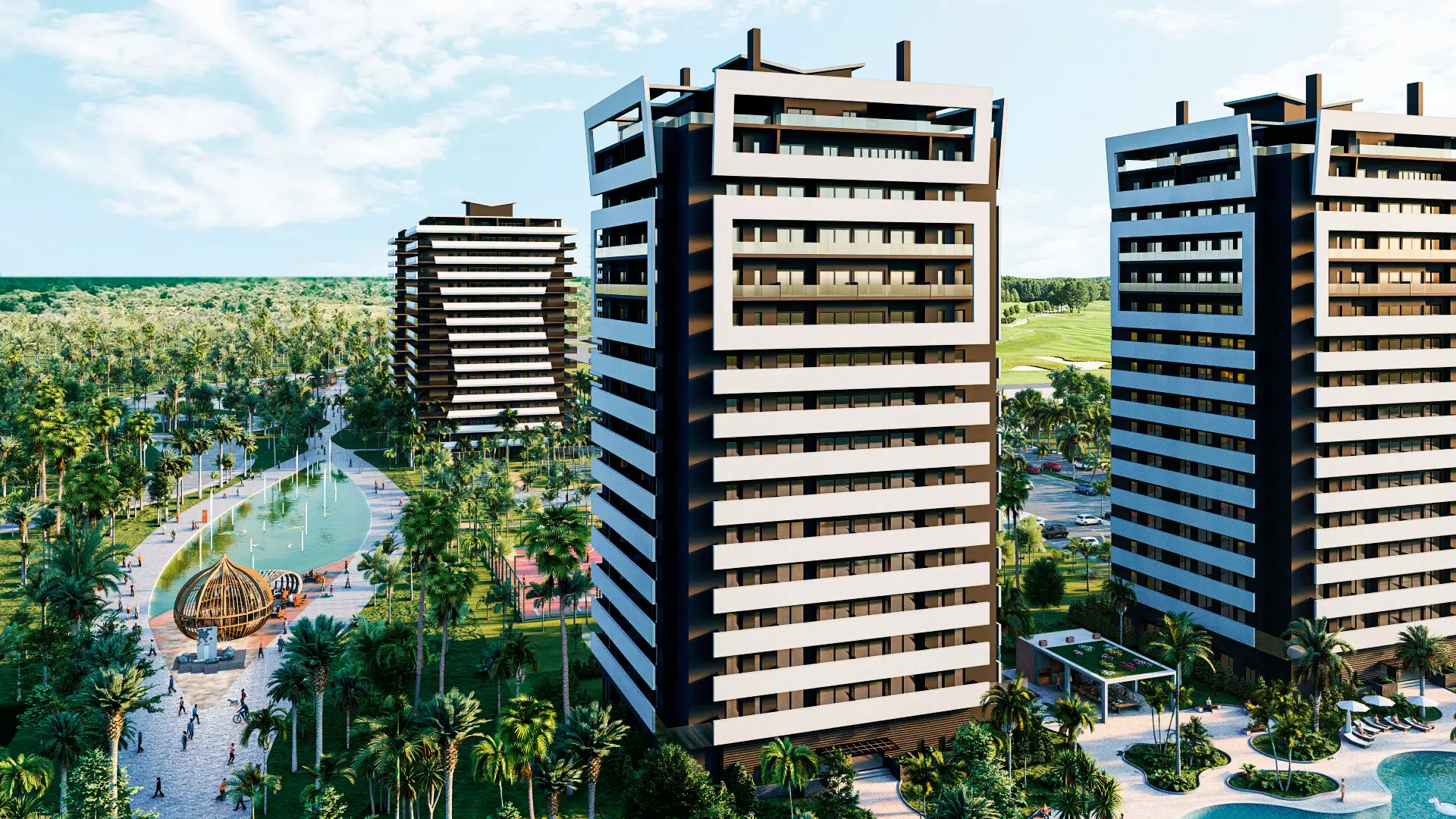
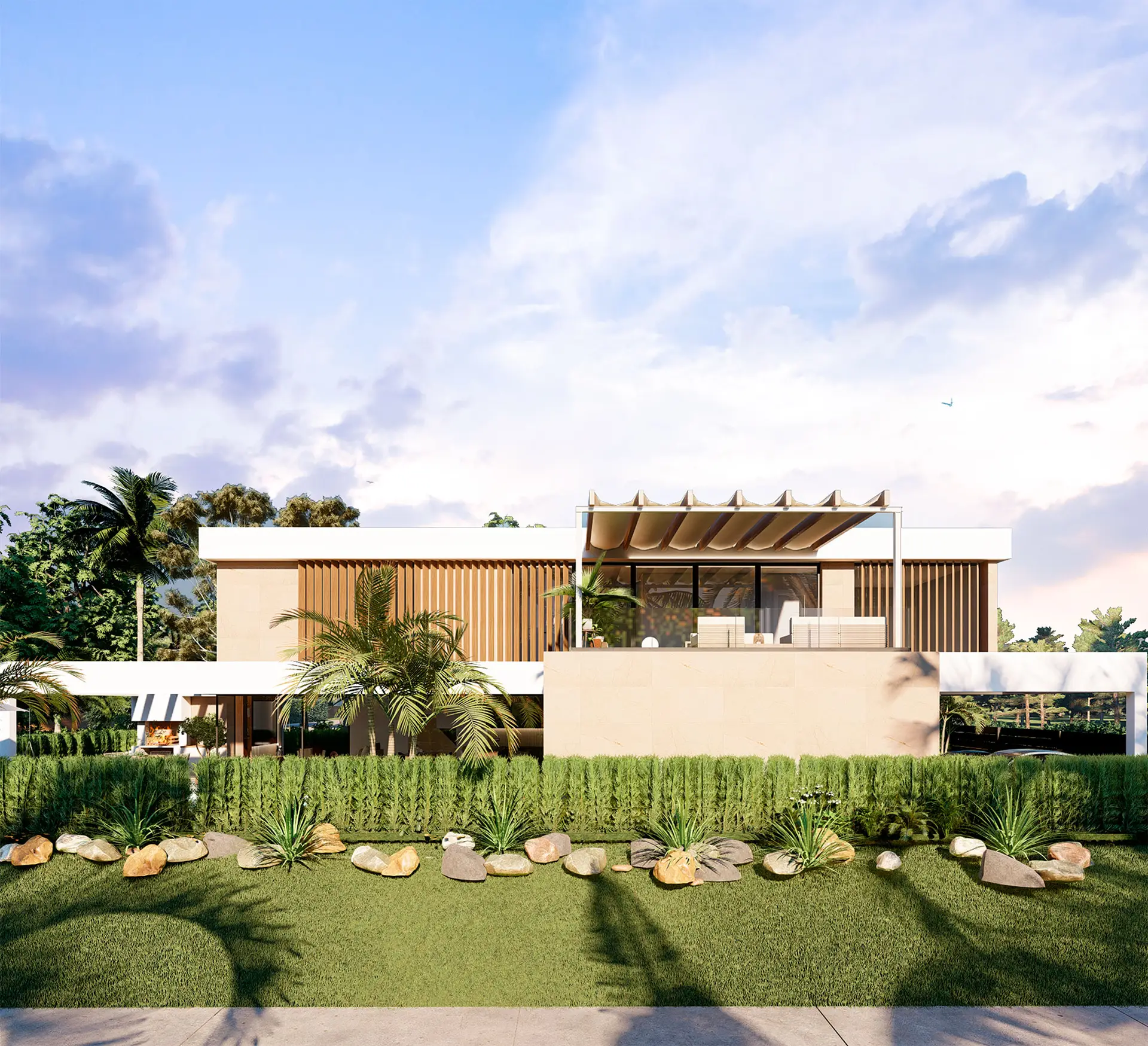
Smart Investment
Join the first Smart City in the Caribbean. Discover how Larimar City redefines safety and property value in Punta Cana.
Request information