The soul of a growing gastronomy: the Dominican flag
In the Dominican Republic, food is much more than something you put on a plate to satisfy hunger. It is pure identity. Few places achieve that hard-to-find blend: keeping their traditions and lifelong ingredients alive while opening the door to new techniques that come from abroad.
If you really want to understand how this corner of the Caribbean works, it is not enough to look at its turquoise beaches or hear merengue in the street. You have to sit down and eat.
A country's history told on the plate
Dominican cuisine tells its own history through its ingredients. The Taínos laid the foundation with cassava and corn. The Spanish, with their gastronomic influence, contributed rice, certain meats and olive oil to the culture. But it was the African influence that gave the whole thing its soul: the spices, the coconut and those fried foods that bring us to life (it is impossible not to think of a good mofongo or a sancocho).
And there, at the center of it all, is the famous "bandera dominicana" (Dominican flag). It sounds like a dish of high diplomacy, but in reality it is the most honest, everyday food you can find in the DR: a good mountain of white rice, stewed red beans and meat (almost always chicken or beef). At first glance it seems very basic, but nutritionally it has everything you need to get through the day. If you add a fresh salad or some freshly fried tostones, there is little more you can ask of life.
They say the name comes, literally, from the country's colors. The rice is peace, the red beans are the blood of independence, and the dark meat nods to the blue of the coat of arms. But beyond the symbolism and the patriotic appropriation, the beauty of the "bandera" is that it is the same for everyone. It is served the same way in the kitchen of a humble home as in the trendiest restaurant in the capital.
In Dominican culture, eating means stopping time
Here, lunchtime is sacred. It is the moment to sit down, to talk with the family and to pause the rhythm. In fact, that disconnection, that living slowly, is exactly what those of us who come from abroad seek with so much enthusiasm.
We no longer travel just to soak up the sun and enjoy the scenery. Look at how things have changed: according to the global report "Luxury Holiday Habits 2025" by Condé Nast Johansens, 76% of international travelers state that they choose their destination thinking about what they are going to eat, prioritizing gastronomy over other interests. The Dominican Republic has understood this perfectly and has positioned itself as one of the gastronomic capitals of the Caribbean. Last year, of the more than 11 million visitors the country received, the vast majority left with an excellent taste in their mouths, literally. We leave almost 30% of our travel budget on enjoying its table.
From tradition to the avant-garde (and to Punta Cana)
Even the most serious critics have noticed the immense gastronomic quality of the Dominican Republic. With the arrival of prestigious guides such as Macarfi in 2025, it became crystal clear that there is a lot of talent here. It is no longer about queuing at the international buffet of a mega-resort. Now there is a whole new generation of chefs reinterpreting their grandmothers' dishes, using zero-kilometer products and elevating them to haute cuisine.
Punta Cana, which takes the bulk of the country's tourism, is leading this change. The area is filling up with local markets, food festivals and menus that bet on the fresh and the sustainable.
The Caribbean with a Mediterranean soul: the case of Larimar
From all this evolution, a really interesting concept is emerging: blending the calm and the good eating of the Mediterranean lifestyle with the vibrant energy and fun of the Caribbean.
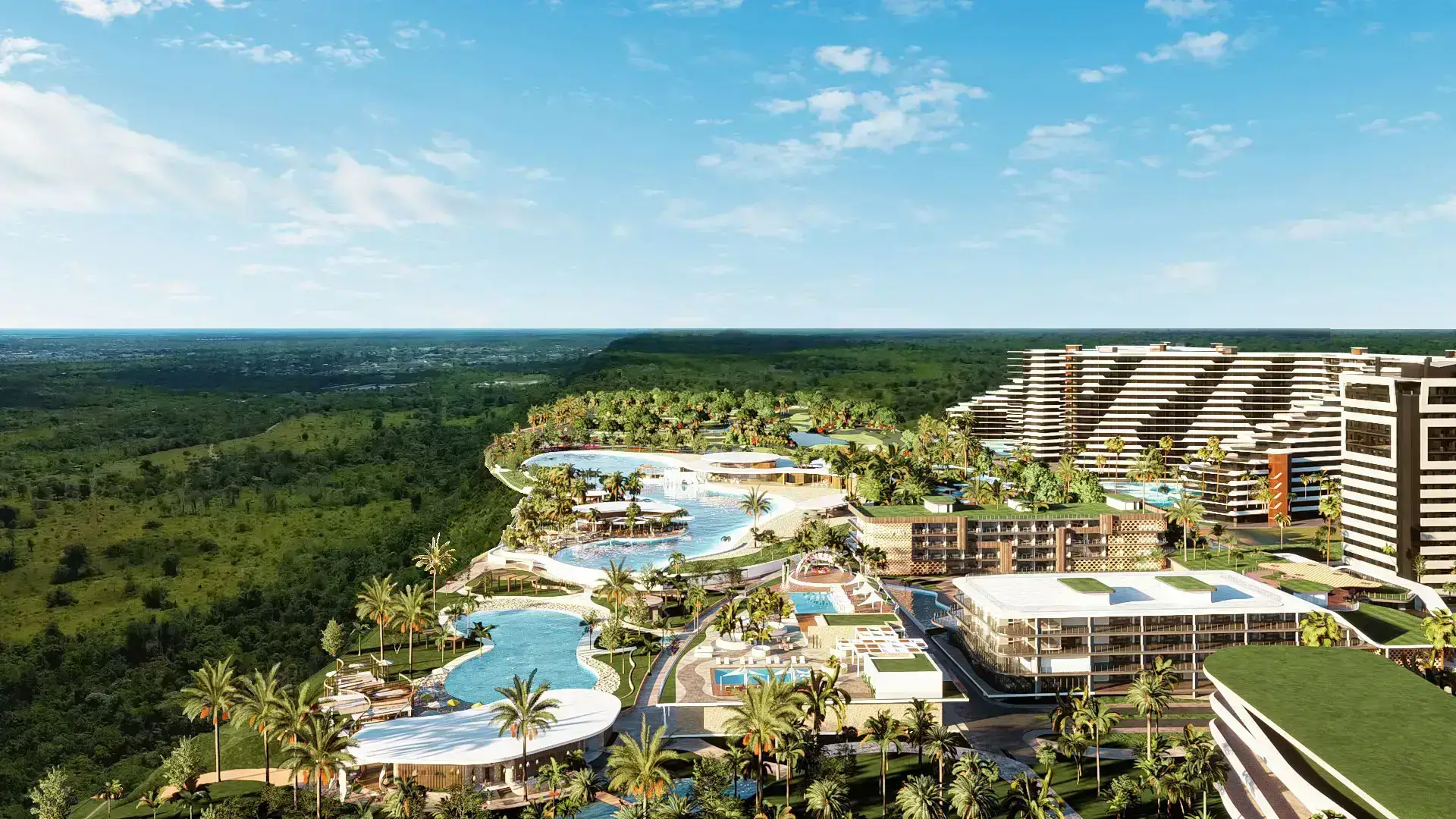
And if there is one project that has known how to read this change of mentality, it is Larimar City & Resort. Far from being the typical tourist development, it is a smart city that has placed gastronomy and well-being at the center of everything. Here food is not conceived as just another service; rather, leisure, service, culture and quality are at the heart of the project.
The best example of this is the conception of the Restaurante Origen. It is located on the promenade, 100 meters above sea level. Picture the scene: you are tasting a spectacular, carefully crafted version of Dominican flavors, betting on local producers, but with infinite views of the coast.
In essence, places like Larimar show you that quality of life is no longer just about having a nice apartment in the Caribbean. The true luxury is being able to live the Caribbean at its best: safe, comfortable and with an incredible culture that you can savor, slowly simmered, in every dish.
Written by
Larimar City & Resort
Featured projects
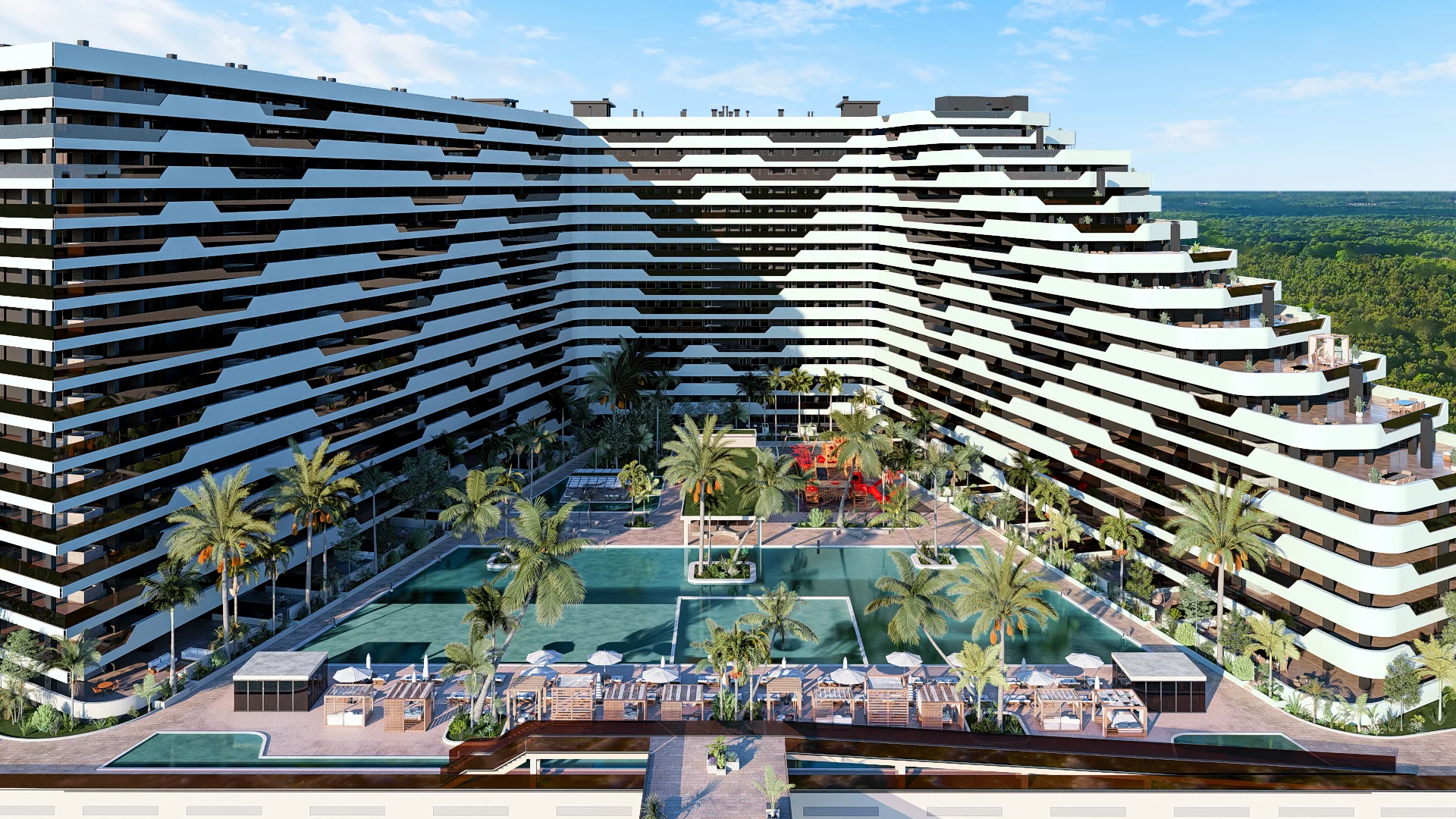
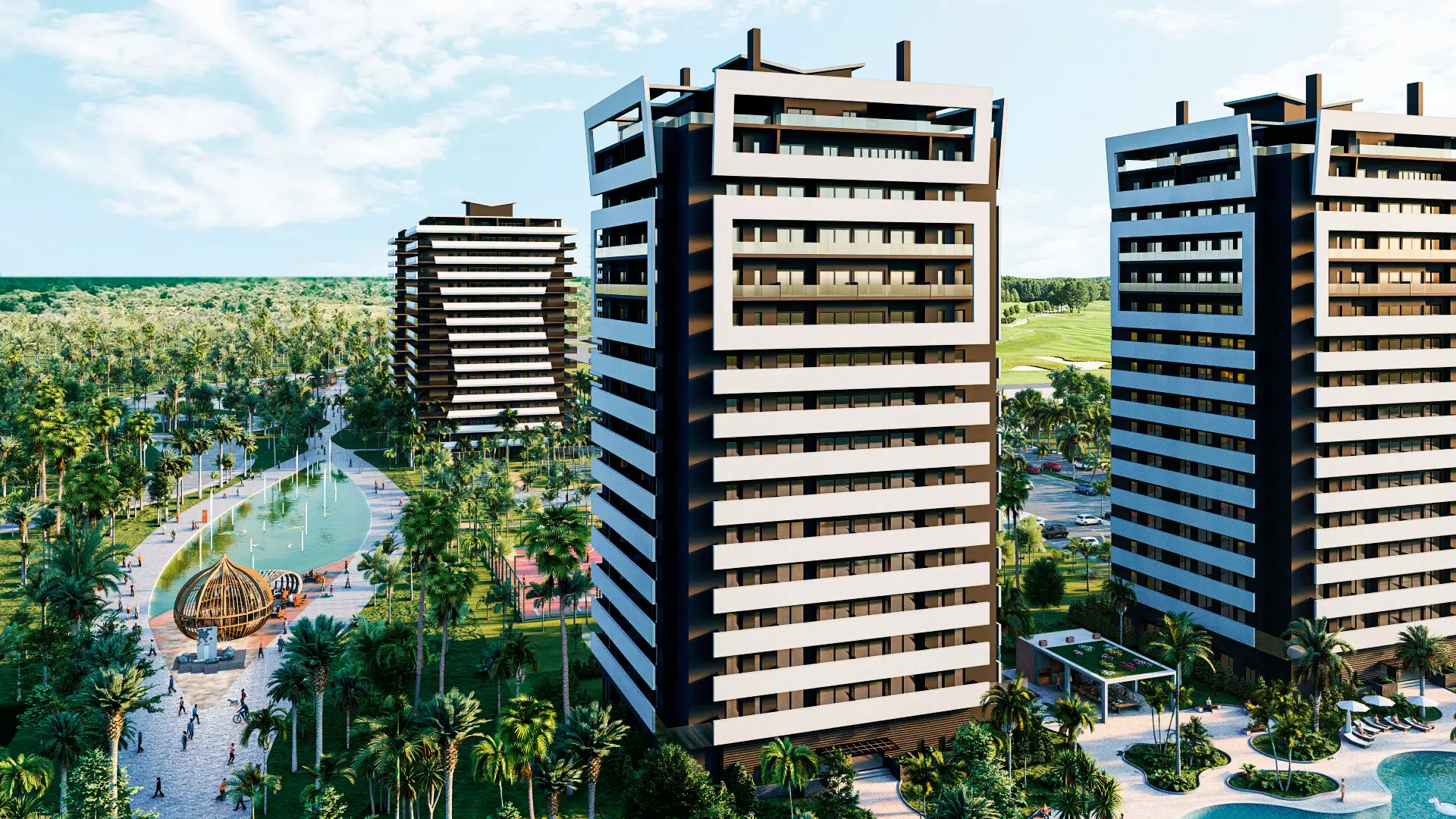
Explore the residential projects of Larimar City mentioned in this article.
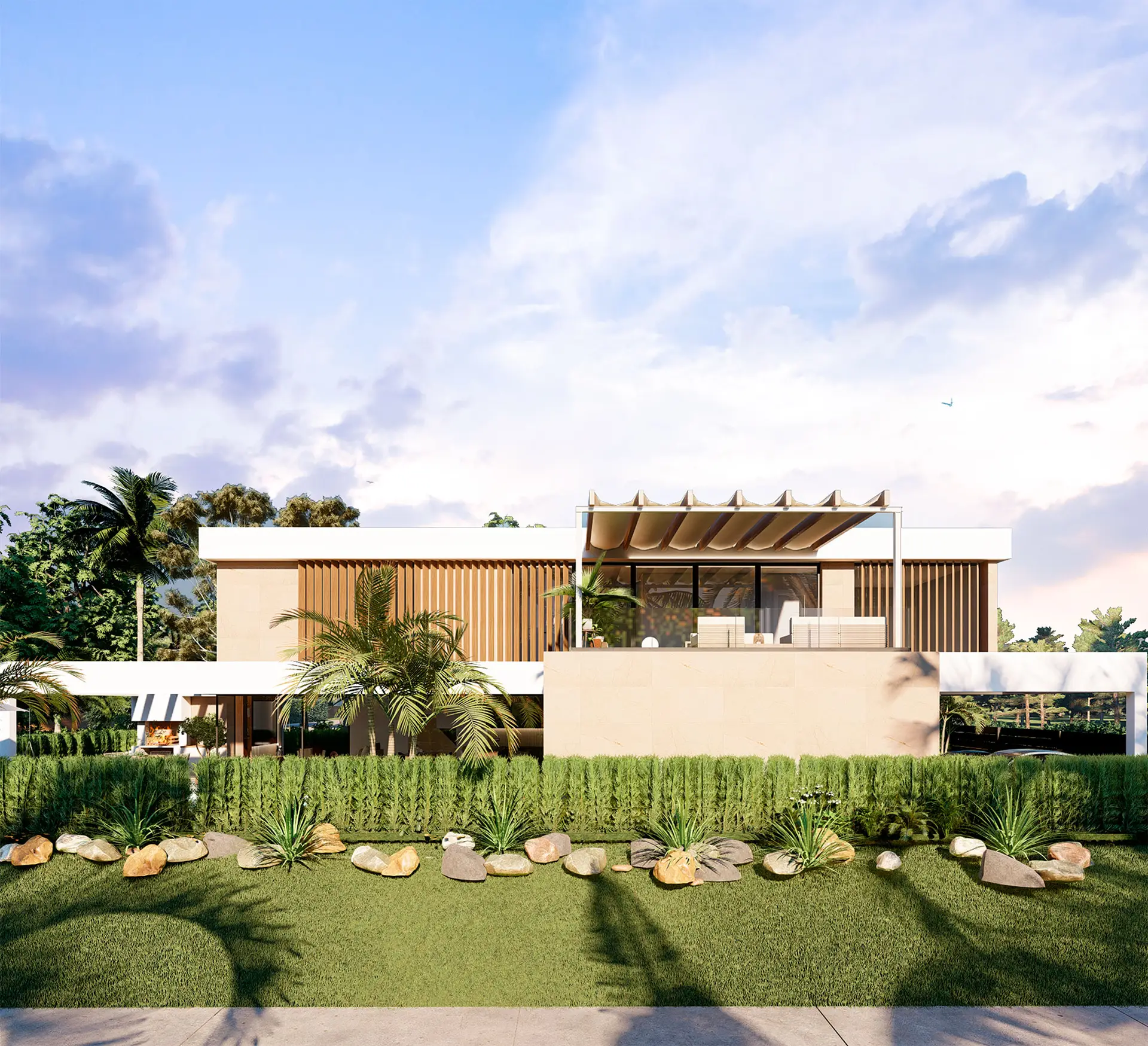
Smart Investment
Join the first Smart City in the Caribbean. Discover how Larimar City redefines safety and property value in Punta Cana.
Request informationMore Articles
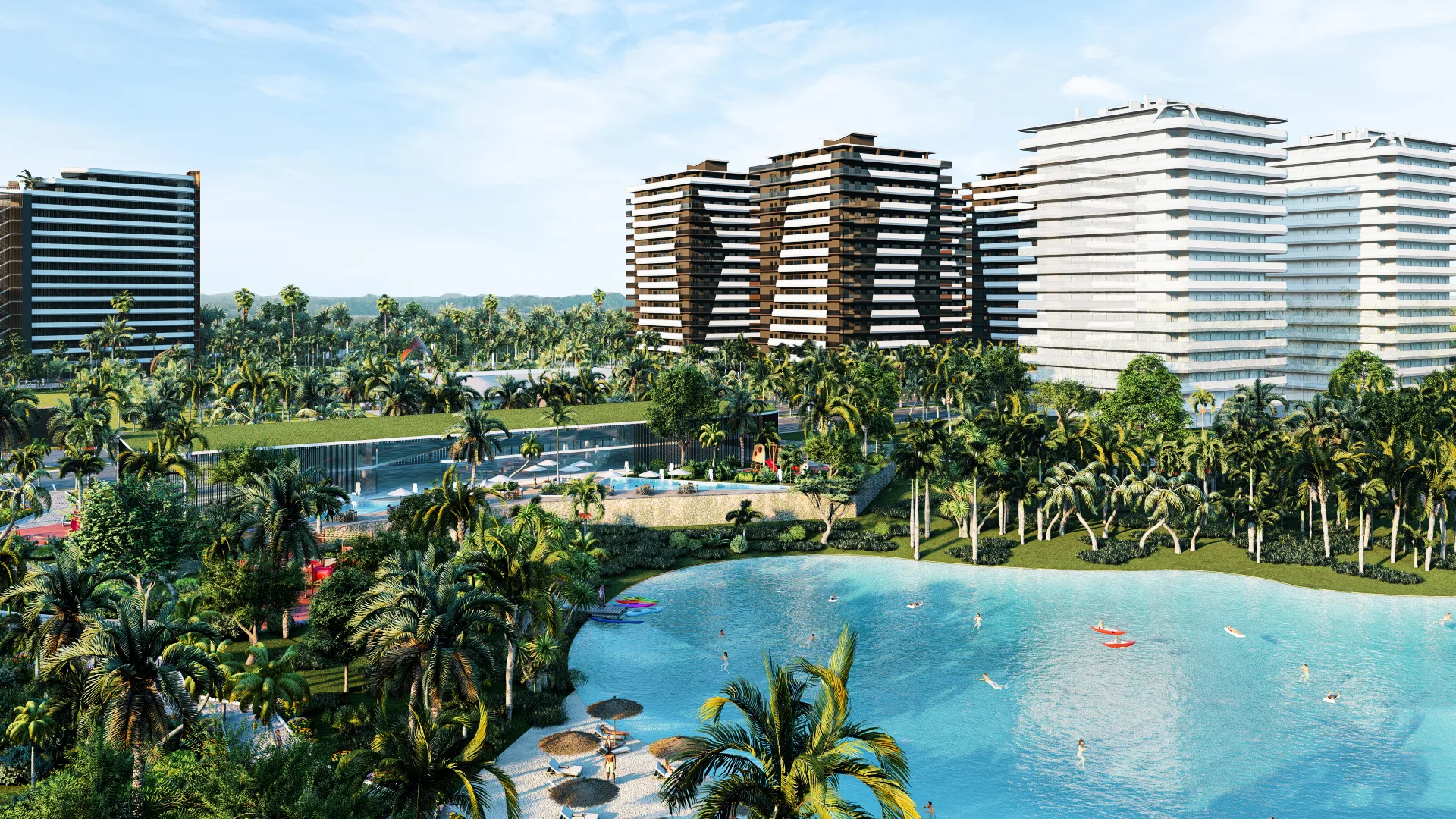
Biophilic design: conscious architecture that improves quality of life and cuts environmental impact

Slow living and integrated wellness: the Caribbean answer to global stress