La Romana in the Dominican Republic, a paradise and cultural destination
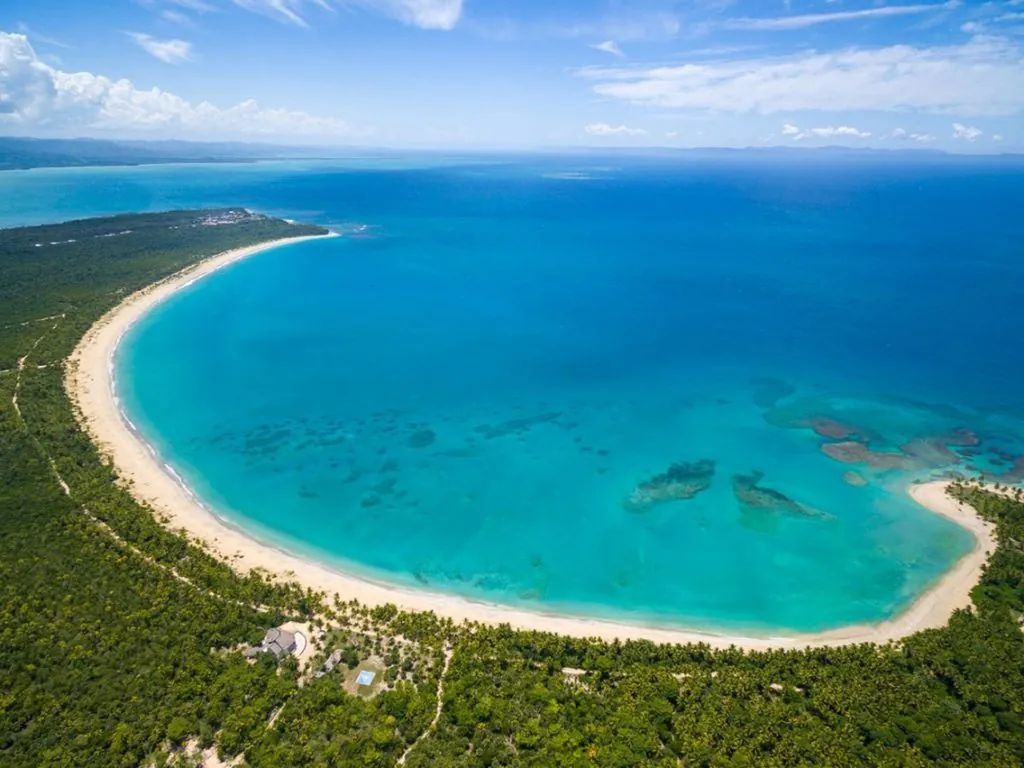
La Romana, Dominican Republic, is one of the most complete destinations in the Caribbean for those looking to combine beaches, culture, excursions, golf, nature and luxury experiences. Unlike other Dominican enclaves more associated with mass tourism, La Romana offers a very attractive mix of sophistication, local history and access to some of the most recognized coastal landscapes in the country.
Located in the Dominican southeast, La Romana is known for its high-end resorts, its golf courses, its proximity to Bayahibe and Dominicus, the excursions to islands such as Catalina and Saona, and the iconic Altos de Chavón. The official Dominican Republic tourism website presents it as a destination that combines luxury, nature and tradition, with crystal-clear beaches, a marina, golf and a strong cultural offering.
For an international traveler, visiting La Romana in the Dominican Republic makes it clear that the country is not only Punta Cana. There are beach destinations, yes, but there is also sugar history, indigenous heritage, cultural villages, local gastronomy and protected natural spaces.
That diversity also explains why the Dominican Republic is gaining interest among foreign buyers looking for a second home, retirement or real estate investment. In that context, options such as residential projects in the Dominican Republic make it possible to compare alternatives beyond the occasional trip.
La Romana on the map
La Romana on the map is located on the southeast coast of the Dominican Republic, between Santo Domingo and Punta Cana. This position is one of its great advantages: it provides access to beaches, resorts, sea excursions and cultural routes without being isolated from the rest of the country. The city sits across from Isla Catalina and close to Bayahibe, Dominicus, Casa de Campo and Cotubanamá National Park, formerly known as Parque Nacional del Este.
La Romana works as a gateway to different types of tourism. From here you can organize boat excursions, snorkeling routes, cultural visits, golf getaways, gastronomic tours and nature plans. In addition, its location makes it an interesting point for those who want to compare the experience of La Romana or Punta Cana, two nearby destinations but with distinct personalities.
While Punta Cana concentrates a huge hotel offering and very powerful international connectivity, La Romana stands out for a more exclusive, cultural and residential profile. That difference is important for travelers seeking tranquility, couples who want a refined experience, or buyers who want to get to know different areas before deciding where to invest in the Dominican Caribbean.
History of La Romana
The history of La Romana is closely linked to the development of sugar, trade and tourism. La Romana's city hall explains that the city's urban development began in the first decades of the 20th century with the establishment of the Puerto Rico Sugar Company and the Central Romana sugar mill.
Central Romana Corporation indicates that it began operations in 1912 as a sugar producer and that, over time, it diversified into areas such as tourism, free-trade zones, port operations, an airport, real estate and hotels. This evolution helps to understand why La Romana went from being a hub linked to agro-industrial activity to becoming one of the most recognized tourist destinations in the country.
Today, La Romana, Dominican Republic, retains that dual identity. On one hand, it maintains a historical relationship with sugar and industrial development. On the other, it has positioned itself as a tourist enclave with resorts, a marina, golf, beaches and culture. This combination gives the destination depth and sets it apart from places built almost exclusively for beach tourism.
For the foreign buyer, this history also provides context. The Dominican Republic does not only offer Caribbean landscapes: it has cities with economic activity, tourist infrastructure and consolidated international demand. That's why anyone analyzing why to invest in Larimar City usually values factors such as services, security, potential profitability and urban vision, elements aligned with the proposal of a complete city with amenities and good value for money.
What to see in La Romana
There's a lot to see in La Romana, whether you're traveling for the first time or already know other Dominican destinations. The key is to combine culture, beach, nature and premium experiences.
Visit Altos de Chavón and enjoy its views over the Chavón River
Altos de Chavón is probably the most emblematic place in La Romana. It's a Mediterranean-style village located above the Chavón River, within the Casa de Campo grounds. Casa de Campo presents it as a cultural experience where you can also visit the Altos de Chavón Regional Archaeological Museum, dedicated to the island's indigenous legacy.
Strolling through its cobblestone streets lets you discover workshops, galleries, cultural spaces, restaurants and viewpoints. The views over the Chavón River are one of its great attractions, especially at sunset. For those looking for what to do in La Romana, Altos de Chavón is a must-see visit because it combines architecture, landscape, photography and culture.
Explore Isla Catalina and its white-sand beaches
Isla Catalina is one of the most popular excursions from La Romana. It's known for its white-sand beaches, clear waters and snorkeling areas. Visit Dominican Republic describes it as an ideal place to enjoy paradisiacal beaches and also mentions its connection to the underwater museum of Captain Kidd's shipwreck.
The experience usually includes a boat transfer, free time on the beach, a meal and water activities. For those who want La Romana beaches with a more natural, Caribbean feel, Catalina is a highly recommended option.
Spend a day in the Parque Nacional del Este and discover its biodiversity
The former Parque Nacional del Este, today Cotubanamá National Park, is one of the great natural gems of the La Romana-Bayahibe area. Visit Dominican Republic describes it as a space with tropical and subtropical forests, species of great ecological value and an important indigenous historical legacy.
Here you can do trails, visit caves, observe wildlife, discover coastal landscapes and connect with Dominican biodiversity. For a traveler who wants something more than resort and beach, this park provides a very valuable dimension of nature and conservation.
Visit the Archaeological Museum of La Romana: pre-Columbian history
The Altos de Chavón Regional Archaeological Museum is a key stop for getting to know the island's pre-Columbian history. Its collection lets you approach the indigenous cultures that inhabited the territory before the European arrival. It's an especially interesting visit when combined with the tour of Altos de Chavón.
This kind of space helps you understand that La Romana, Dominican Republic, is not only a leisure destination. It's also an area with memory, heritage and deep connections to the history of the Caribbean.
Take an excursion to Los Haitises National Park and its pre-Columbian caves
Although Los Haitises is not within La Romana, it can be part of a broader route through the Dominican Republic. The Ministry of the Environment locates it in the northeast of the country, near Samaná and Sabana de la Mar, and highlights its mangroves, mogotes, caves with rock art and bird diversity.
The official tourism website also notes that Los Haitises has mangroves, cays with bird colonies and caves with one of the largest concentrations of petroglyphs and pictographs in the country. For travelers interested in Taíno history and nature, it's an excellent excursion if the itinerary allows for longer journeys.
Enjoy the beaches of La Romana, Bayahibe and Dominicus
The beaches of La Romana, Bayahibe and Dominicus are one of the main reasons to visit the area. Bayahibe has a very pleasant seafaring and tourist atmosphere, with frequent departures of excursions toward Saona and Catalina. Dominicus, for its part, is known for its resorts, clear waters and vacation atmosphere.
The official tourism website highlights La Romana's proximity to Bayahibe, Saona and crystal-clear beaches, in addition to water activities and sailing. This combination makes the area an interesting alternative for those looking for the Caribbean, but with a slightly different rhythm from Punta Cana's.
Take a tour of the Brugal rum distillery
Rum is part of Dominican identity, and Brugal is one of the best-known brands in the country. That said, it's important to clarify that the best-known Brugal Rum Center is located in Puerto Plata, not in La Romana. Viator places it on Avenida Manolo Tavárez Justo, about 10 minutes from the historic center of Puerto Plata.
Therefore, it's not a short excursion from La Romana, but it can be integrated into a broader trip through the Dominican Republic. If your route includes the north coast, visiting a distillery can be an interesting way to get to know the tradition of Dominican rum.
Play golf and enjoy luxury experiences at Casa de Campo
Casa de Campo is one of the great benchmarks of luxury tourism in the Dominican Republic. La Romana has become internationally known, in part, thanks to this complex, its villas, its marina, its restaurants and its golf courses. The official tourism website identifies La Romana with high-end resorts, world-class golf courses and exclusive experiences.
For the visitor looking for a premium experience, Casa de Campo offers a very clear image of Caribbean luxury tourism. For the investor, it also shows the country's ability to attract high-net-worth international profiles.
Enjoy the local Dominican cuisine
Gastronomy is an essential part of any trip to La Romana. In the area you can try Dominican dishes such as fresh fish, tostones, mangú, rice with beans, sancocho, mofongo, stewed chicken, seafood and tropical fruits. The gastronomic experience changes a lot depending on the plan: eating at a resort is not the same as doing so at a local restaurant in Bayahibe or at a traditional roadside stop.
For those who want to get to know Dominican culture authentically, food is a direct path. In addition, in tourist areas like La Romana and Punta Cana, local gastronomy coexists with international proposals, something highly valued by long-stay travelers and foreign buyers.
Take a helicopter tour and admire La Romana from the air
A helicopter tour lets you see La Romana from a completely different perspective. From the air you can appreciate the coast, the tones of the Caribbean, the Chavón River, the residential areas, the resorts and the nearby islands. It's a premium experience, recommended for special occasions or for travelers looking for a memorable activity.
This kind of plan fits La Romana's positioning as a sophisticated destination. It's not an essential activity, but it does reinforce the idea that the area offers much more than beach: also luxury, exclusivity and tailor-made experiences.
Is La Romana or Punta Cana better?
The question of La Romana or Punta Cana depends on the type of trip and the visitor's goal. La Romana is ideal if you're looking for culture, golf, luxury, island excursions, Bayahibe, Dominicus and a more exclusive atmosphere. Punta Cana, on the other hand, is usually better if you prioritize air connectivity, a large hotel offering, all-inclusive resorts, tourist life and a very dynamic vacation rental market.
For a calm and cultural holiday, La Romana can be an excellent choice. To buy a property with a tourist-profitability vision, Punta Cana usually concentrates greater international demand and a higher volume of visitors. That's why anyone who visits La Romana and then evaluates investing can compare options such as Live Towers, apartments in Punta Cana or tools to calculate the vacation rental investment in Punta Cana.
In short, La Romana, Dominican Republic, is a paradise and cultural destination that deserves a place on any route through the country. And if the trip awakens an interest in living, investing or spending long seasons in the Caribbean, Punta Cana and projects like Larimar City may be the natural next step.
Written by
Larimar City & Resort
Featured projects
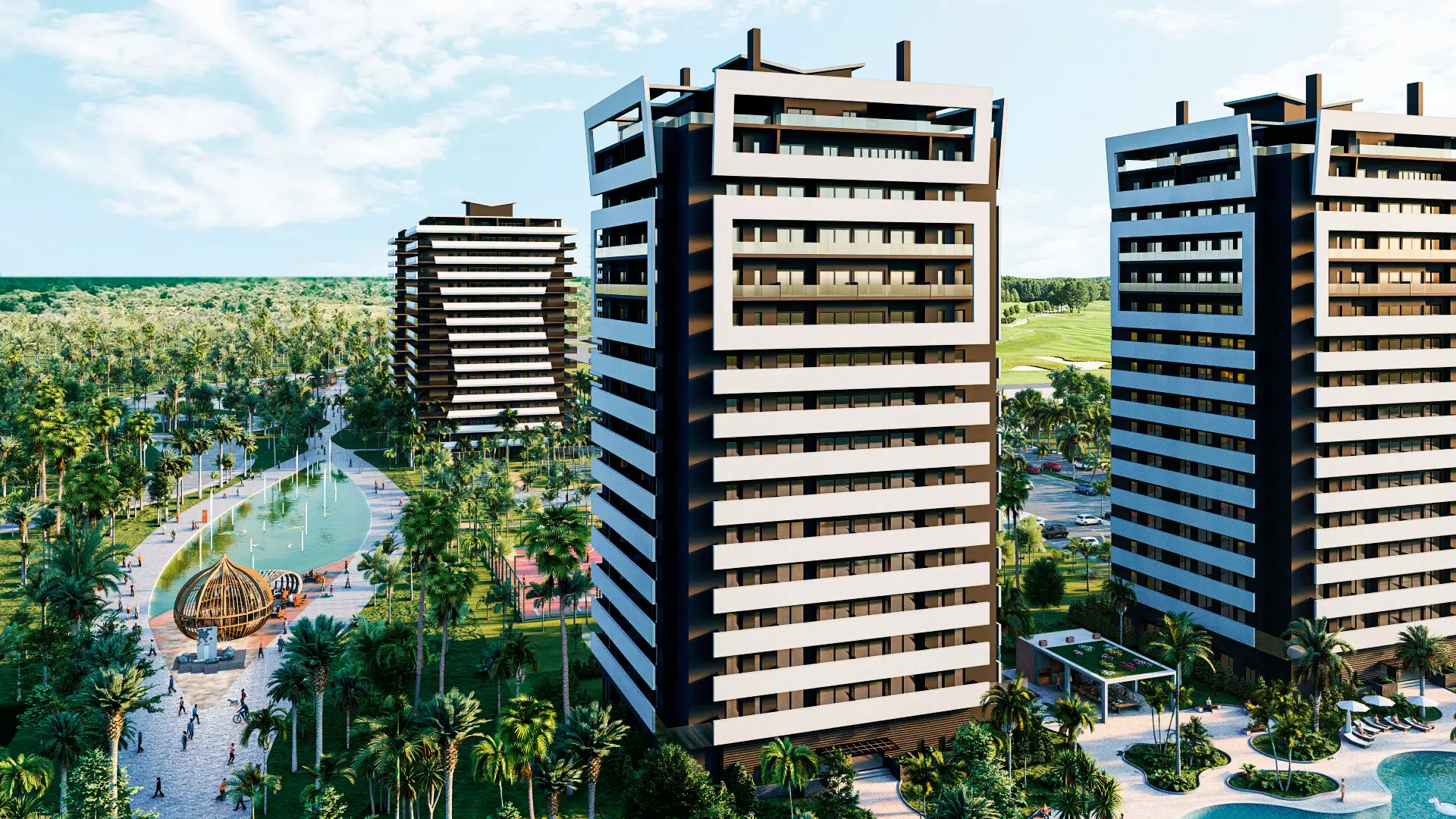
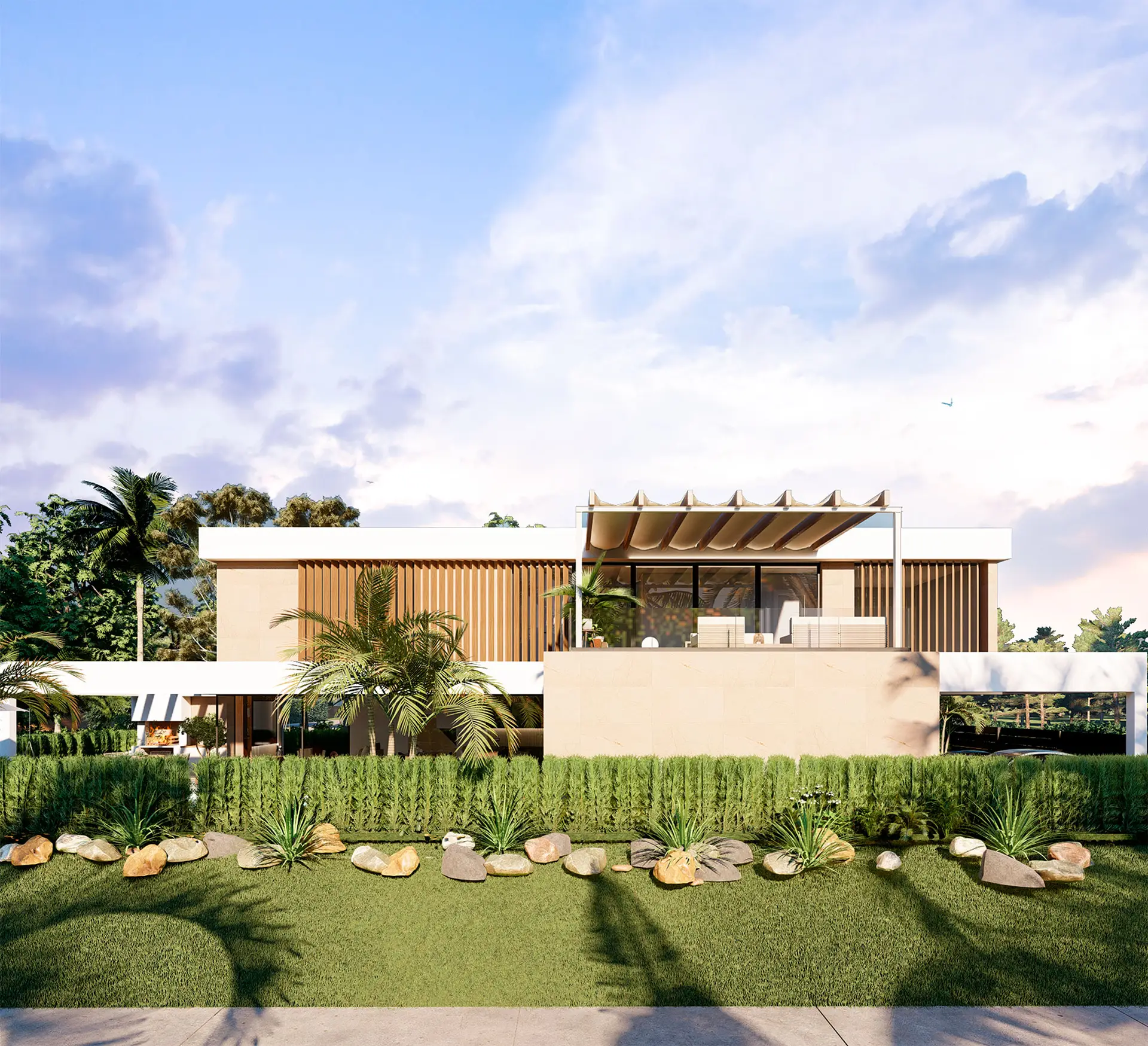
Explore the residential projects of Larimar City mentioned in this article.
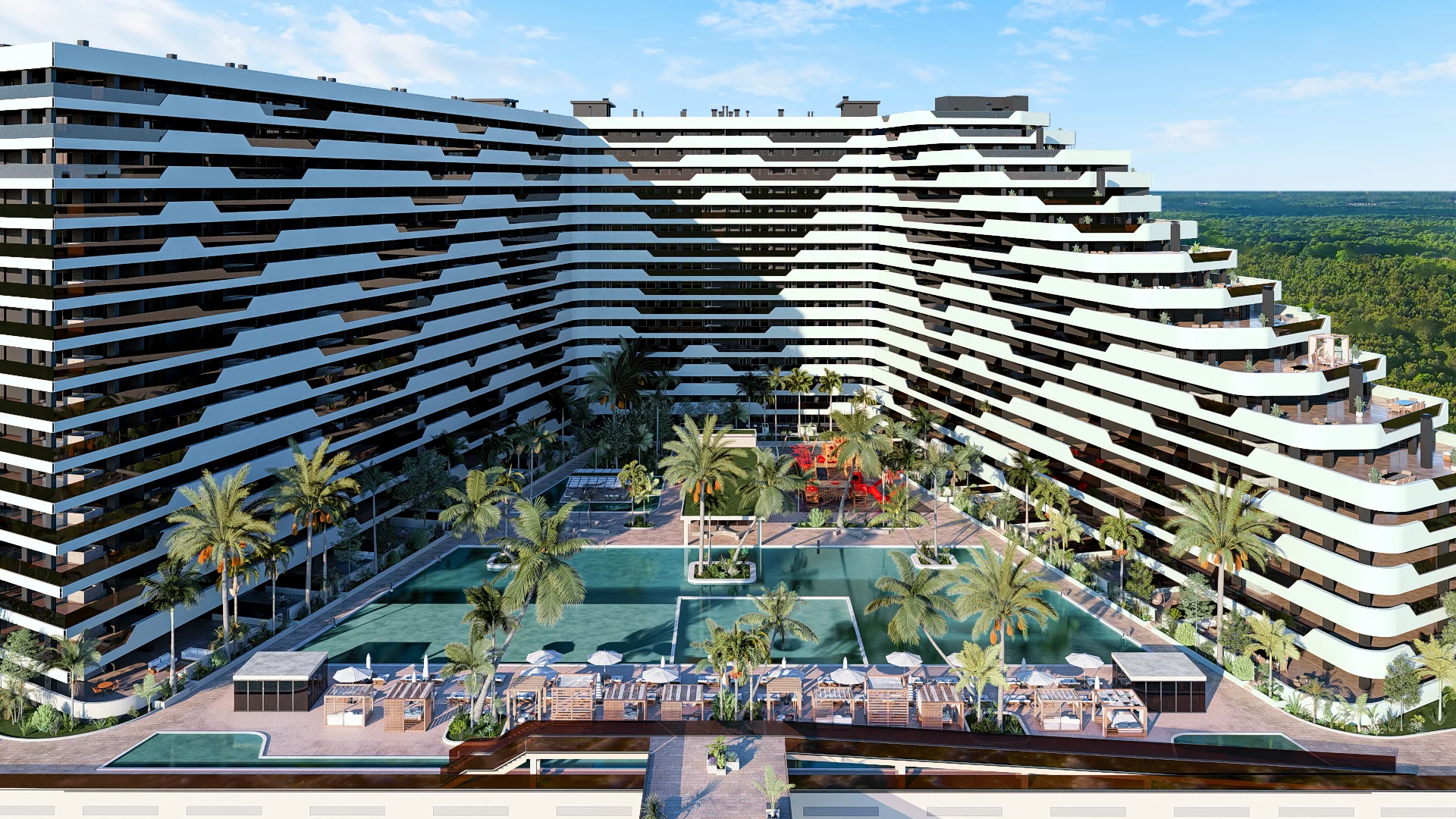
Smart Investment
Join the first Smart City in the Caribbean. Discover how Larimar City redefines safety and property value in Punta Cana.
Request information