
Guide to invest in real estate in 2026 with profitability
Investing in real estate in Punta Cana has consolidated as one of the most attractive strategies for international investors seeking diversification, dollar-denominated income, and exposure to a tourism market in structural growth.
In 2026, the macroeconomic context — stabilizing interest rates, moderate structural inflation, and high international mobility — reinforces the appeal of investing in real estate in Punta Cana over other more volatile financial assets.
It's not just about buying a Caribbean property. Investing in real estate in Punta Cana involves analyzing tourism demand, demographic growth, legal certainty, new-supply pressure, and the real absorption capacity of the rental market. For the foreign investor, it's essential to first understand the requirements and procedures for investing in the Dominican Republic, ensuring a structured and safe operation.
From a technical standpoint, the attractiveness rests on three pillars:
- Competitive gross yield vs saturated European markets.
- Income in hard currency (USD).
- Appreciation potential in an expanding market.
For investors with budgets between USD 100,000 and 300,000, investing in real estate in Punta Cana provides access to quality assets in master-planned projects with integrated amenities and services, such as the real estate properties in Punta Cana designed under a full-city framework.
Why investing in real estate in Punta Cana is still profitable in 2026
Investing in real estate in Punta Cana remains profitable for structural — not speculative — reasons. The region maintains one of the most solid tourism-growth profiles in the Caribbean, with millions of annual visitors and high hotel occupancy.
This steady flow of tourists, international workers, and North American retirees generates sustained demand for both short- and medium-term rentals. Particularly relevant is vacation rental investment in Punta Cana, which combines high occupancy with returns above traditional rentals.
- Positive population growth.
- Sustained foreign direct investment.
- Consolidated airport infrastructure.
- Master-planned urban development.
Investing in real estate in Punta Cana meets these criteria. Construction costs also continue rising globally, creating a future entry barrier and protecting the replacement value of current assets.
Compared with major European or US capitals, where net returns may sit between 3% and 5%, investing in real estate in Punta Cana can offer higher yields, especially under flexible rental models.
Structural demand and tourism growth
Punta Cana International Airport is one of the busiest in the Caribbean. This isn't anecdotal — it's a key indicator of real estate absorption.
Investing in real estate in Punta Cana means positioning yourself in a destination with direct connectivity to North America and Latin America, expanding the rental target market.
USD inflation protection
One of the great advantages of investing in real estate in Punta Cana is that transactions and rents are usually denominated in US dollars.
For Latin American investors, this is a hedge against local devaluation. For North Americans, it means keeping income in their own currency.
How to calculate returns when investing in real estate in Punta Cana
One of the most common mistakes when investing in real estate in Punta Cana is to look at gross yield alone. A professional analysis must include:
- Conservative income estimates.
- Average annual vacancy.
- Maintenance costs.
- Rental management.
- Applicable taxes.
A strategic approach clearly distinguishes between speculative investment and wealth planning. Even for smaller capital looking for where to invest 30,000 without risk, the principle is the same: technical analysis, appropriate time horizon, and professional structure.
Risks of investing in real estate in Punta Cana and how to mitigate them
Like any asset, investing in real estate in Punta Cana carries risks. However, they can be mitigated with proper analysis and structure.
1. Developer risk
Choosing developers with a solid construction track record reduces execution risk. For example, consolidated projects like Phase I of Larimar City let you evaluate past results before making an investment decision.
2. Management risk
Poor administration can wipe out several percentage points of return. Professionalizing management is key when investing in real estate in Punta Cana.
3. Liquidity risk
The recommended horizon is at least 5-7 years. Investing in real estate in Punta Cana should be approached as a medium-term strategy.
Ideal investor profile for investing in real estate in Punta Cana
The profile that benefits most from investing in real estate in Punta Cana is:
- Non-resident foreign investor.
- Available capital between USD 100,000 and 300,000.
- Seeking passive income in dollars.
- Medium-to-long-term horizon.
It's also attractive for North Americans who want to combine investment with partial use as a vacation residence in consolidated real estate properties in Punta Cana.
Frequently asked questions about investing in real estate in 2026
Depending on the rental model, investing in real estate in Punta Cana can deliver yields competitive with — and above — traditional markets, provided the asset is well selected.
The Dominican Republic has a consolidated legal framework for private property. Even so, when investing in real estate in Punta Cana it is advisable to get local legal advice.
In expanding markets, new construction offers lower maintenance and stronger commercial appeal when investing in real estate in Punta Cana. With technical analysis, an appropriate tax structure, and strategic asset selection, investing in real estate in Punta Cana can become a solid tool for building international wealth.
Featured projects
Explore the residential projects of Larimar City mentioned in this article.
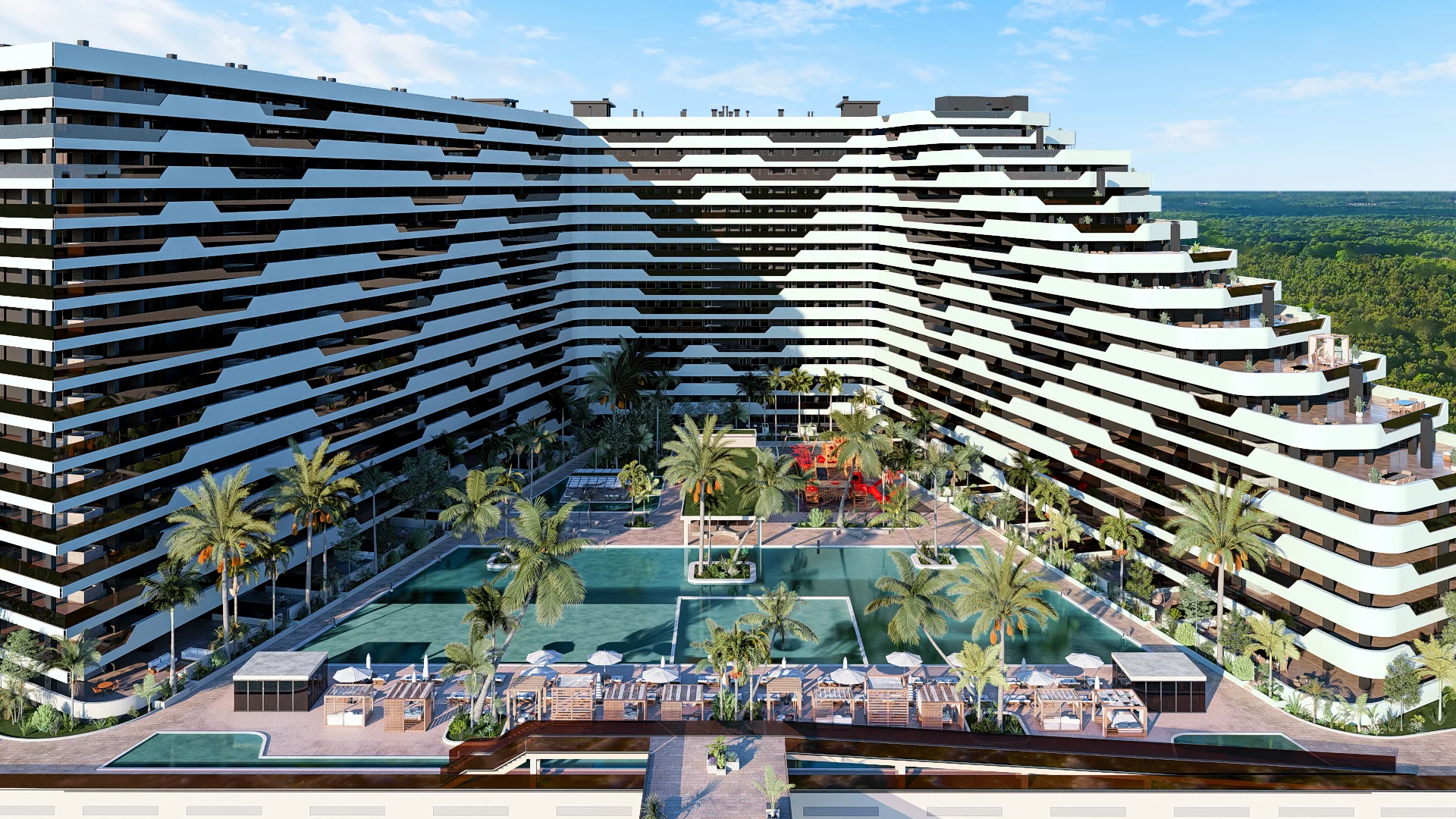
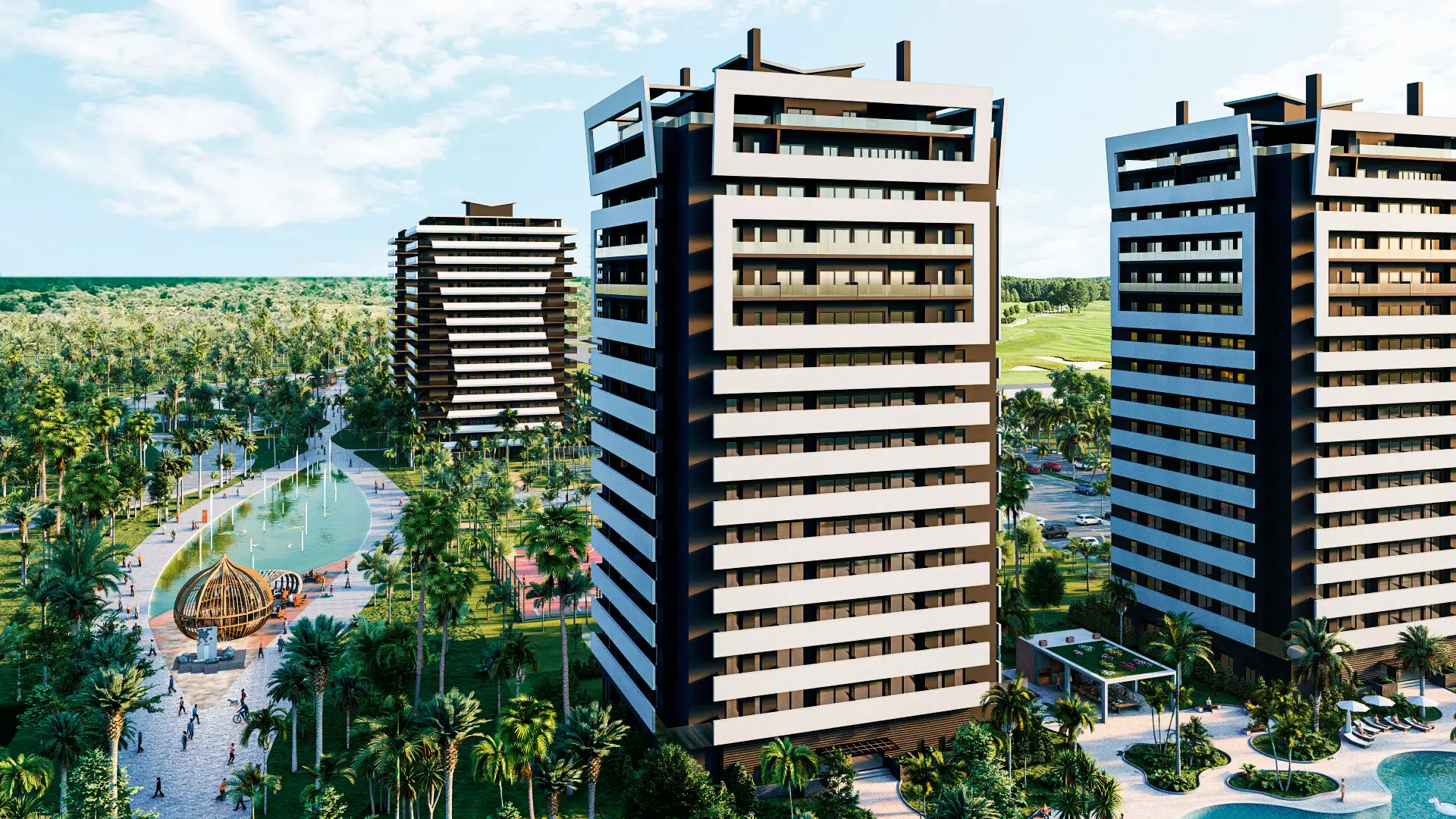
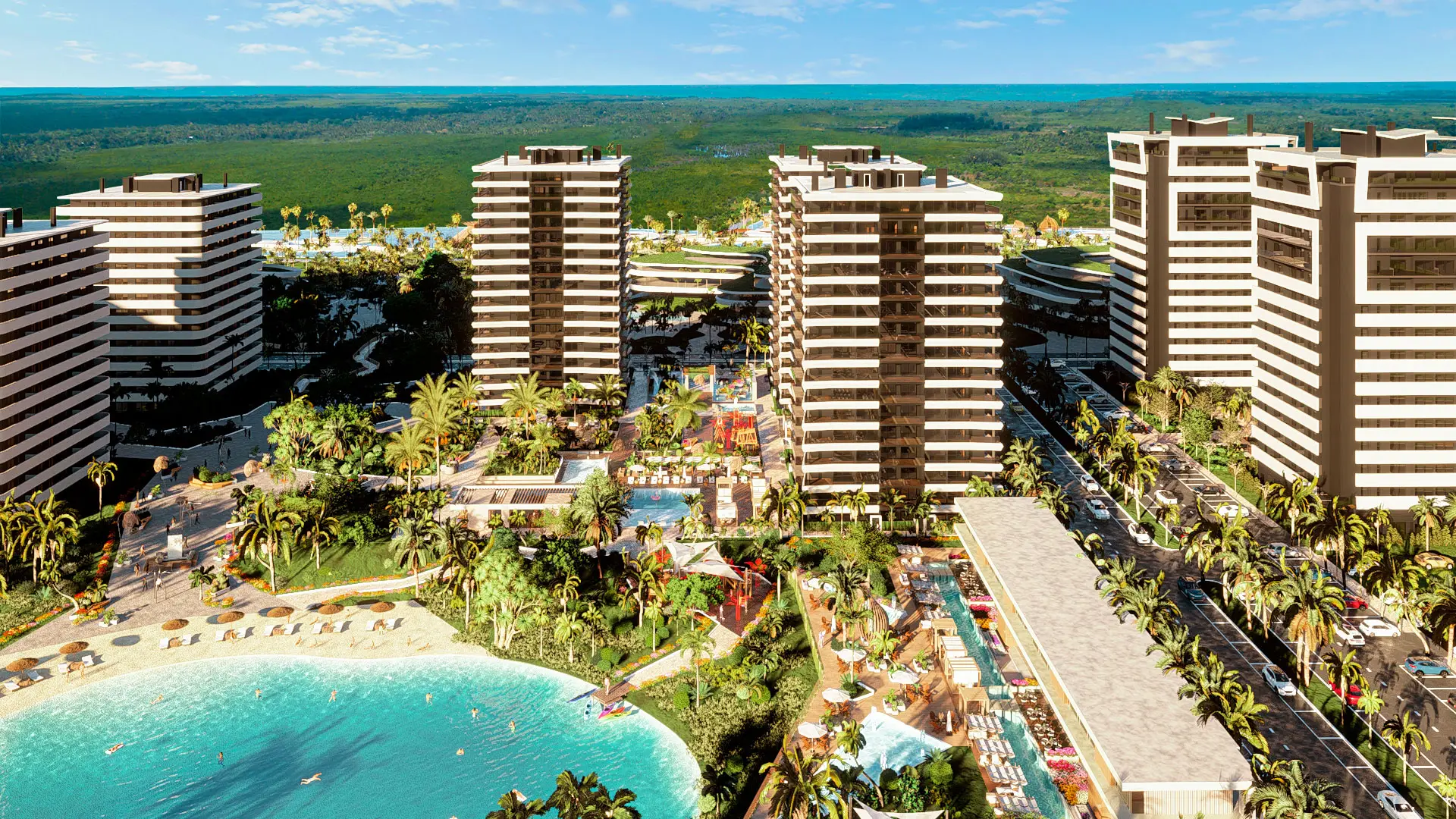
Smart Investment
Join the first Smart City in the Caribbean. Discover how Larimar City redefines safety and property value in Punta Cana.
Request information