A guide to visiting Santiago de los Caballeros in the Dominican Republic
Santiago de los Caballeros is one of the most interesting cities for understanding the Dominican Republic beyond beach tourism. While Punta Cana concentrates much of the international demand for sun, resorts and vacation rentals, Santiago shows another side of the country: history, culture, commerce, tobacco tradition, local life and a very strong urban identity. The official tourism website defines Santiago as the country's second most important city and as the cultural center of the Cibao, a region surrounded by mountains and fertile valleys.
This guide to visiting Santiago de los Caballeros is designed for those who want to get to know a more authentic Dominican Republic, with monuments, museums, markets, traditional neighborhoods and mountain excursions. It's also useful for travelers and investors who want to better understand the country before considering a residence, a second home or a tourist property in consolidated areas like Punta Cana. In that sense, projects like Larimar City connect with an international buyer looking for security, profitability and integrated services in the Dominican Republic. According to the company's internal briefing, its proposal is aimed especially at non-expert foreign investors and at buyers looking for housing in a planned environment with services.
Visiting Santiago does not replace Punta Cana: it complements it. If the eastern coast represents the holiday Caribbean, Santiago de los Caballeros, Dominican Republic, represents the cultural, economic and urban life of the interior. That's why including it in an itinerary helps you better understand the country's diversity and broaden your view of its tourist, residential and real estate opportunities.
Santiago de los Caballeros on the map
Santiago de los Caballeros is located in the north-central region of the Dominican Republic, within the fertile Cibao Valley. Santiago's city council places it about 155 kilometers northwest of Santo Domingo and at an average altitude of 178 meters above sea level. This position has historically given it a strategic role: it connects agricultural, commercial, mountainous and urban areas, and works as a reference point for exploring the north of the country.
For the international traveler, Santiago can fit very well within a combined route. It can be visited from Santo Domingo, from Puerto Plata or as part of a broader itinerary through the Cibao. It also offers a very valuable contrast to the coastal destinations. In Punta Cana, resorts, beaches and tourist leisure predominate; in Santiago you'll find squares, museums, working-class neighborhoods, everyday gastronomy and Dominican commercial life.
This difference is important for those analyzing the Dominican Republic as an investment destination. Not all of the country's value is in its beaches, even if these are one of its great tourist engines. Interior cities like Santiago help you understand the social stability, economic activity and cultural depth of the Dominican market. And for those looking for residential projects in the Dominican Republic, getting to know different regions allows you to make decisions with more context.
From Santiago you can also access nature and mountain routes. The Cibao is a region of valleys, hills and agricultural landscapes, and from here many travelers connect with Jarabacoa, Constanza or adventure routes toward the Central Mountain Range. That's why Santiago de los Caballeros on the map should not be read only as a geographic location, but as a connection point between the cultural, productive and natural Dominican Republic.
History of Santiago de los Caballeros
The history of Santiago de los Caballeros dates back to the early years of European colonization in the Americas. The city's institutional sources indicate that it was founded in 1495 and known as the "First Santiago of America". Visit Santiago also notes that the city was founded by Christopher Columbus during his second voyage, moved in 1506 to the banks of the Jacagua River and relocated to its current position after the earthquake of 1562, next to the Yaque del Norte River.
That past explains why Santiago retains such a powerful identity. It's a city marked by relocations, reconstructions, commercial activity, military episodes and a strong cultural tradition. It's also known as "Ciudad Corazón" (Heart City), a name associated with its location and the warmth of its people, according to local tourist information.
During the 19th and 20th centuries, Santiago consolidated its role as the economic and cultural center of the Dominican north. Its relationship with agricultural production, tobacco, commerce and artistic expression has created a city with its own personality. For the visitor, this translates into a less standardized experience than that of other tourist destinations. Here the appeal lies not only in "seeing monuments", but in understanding how one of the country's most relevant cities lives.
That's why visiting Santiago is especially recommended for anyone who wants to look at the Dominican Republic with a broader vision. The country is not only about beaches; it's also heritage, music, gastronomy, popular culture, entrepreneurship and urban development. That combination is precisely what explains why the Dominican real estate market arouses interest among international buyers. Someone who starts looking for holidays may end up exploring second-home alternatives, wealth investment or apartments in Punta Cana with vacation rental potential.
What to see in Santiago de los Caballeros
There's a lot to see in Santiago de los Caballeros, but the best route combines culture, history, architecture, urban art, local market and nature. Below are the must-see places for a first complete visit.
Explore the Eduardo León Cultural Center and discover Dominican art
The Eduardo León Jimenes Cultural Center, better known as Centro León, is an essential stop for understanding contemporary Dominican art and identity. Its own website defines it as a museum and cultural center conceived for creativity, research, encounter and the enjoyment of Dominican and foreign audiences.
Within a route through Santiago de los Caballeros, Centro León works as a perfect introduction to the country. It allows you to approach Dominican history, artistic expression, visual culture, music, collective memory and social transformations. It's an especially recommended visit for travelers who don't want to limit themselves to a superficial tourist experience.
In addition, Centro León helps you understand why Santiago is considered a cultural city. Its proposal is not limited to exhibiting works: it connects the visitor with Dominican identity from an educational and contemporary perspective. For a foreign investor who wants to get to know the country before buying, this kind of visit provides context and local sensitivity.
Climb the Monument to the Heroes of the Restoration and enjoy its panoramic views
The Monument to the Heroes of the Restoration is the great visual icon of Santiago de los Caballeros. Located on a rise in the city, it's recognized by its monumental structure, its staircases and its dominant presence in the urban landscape. The official Dominican Republic tourism website presents it as a monument dedicated to the Dominican patriots of the Restoration War of 1863-1865, with indoor exhibitions and views toward the city and the Central Mountain Range.
Climbing the monument lets you understand Santiago from above. You can appreciate its avenues, its urban expansion, the surrounding mountains and the relationship between city and valley. It's an ideal visit at the end of the afternoon, when the light makes the panorama more photogenic and the surroundings fill with local life.
For those looking for what to do in Santiago de los Caballeros, this place should be high on the list. Not only for its historical value, but because it sums up Santiago's identity: pride, memory, centrality and character.
Admire the Cathedral of Santiago Apóstol and its historical traces
The Cathedral of Santiago Apóstol, located in the historic center, is another key point for understanding the city's evolution. Visit Santiago indicates that the current structure was built between 1868 and 1894 and consecrated in 1895, after an earlier parish church was destroyed by an earthquake in 1842.
Its value lies not only in the architecture, but in the layers of history it represents. Like many Latin American religious buildings, the Cathedral works as a witness to urban changes, crises, reconstructions and continuities. On an unhurried visit, it's worth observing its facade, its scale, its location and its relationship with the surroundings.
For a European or Latin American traveler, this kind of space allows you to connect Dominican history with a broader urban tradition of the Caribbean. And for those researching the country as a possible place of residence or investment, visiting the historic center helps you understand the cultural depth that underpins the Dominican Republic brand.
Visit the Fortaleza de San Luis and learn about its colonial legacy
The Fortaleza de San Luis is one of the most interesting visits for those who want to delve into the military and heritage dimension of Santiago. Museos RD notes that the museum is located in buildings of heritage importance for the city and preserves pieces of pre-Columbian art, contemporary fine arts, historical documents and historical military weaponry. It also indicates that the first documented references to the site as a military space date back to 1674.
This place lets you understand the strategic importance of Santiago within the Cibao. Fortresses were not just defensive constructions: they also represented territorial control, political organization and the protection of routes. Visiting it offers a different reading of the city, more linked to power, security and colonial history.
Within a cultural route through Santiago de los Caballeros, the Fortaleza de San Luis complements the Cathedral and the Monument very well. Together, these visits show three dimensions of the city: spiritual, military and patriotic.
Enjoy a cultural experience at the impressive Teatro del Cibao
The Gran Teatro del Cibao is a benchmark for the artistic life of the Dominican north. The Ministry of Culture defines it as the country's second most relevant theater hall and as the place where some of the most outstanding plays and shows of the Cibao region are presented.
Beyond its specific programming, the building symbolizes Santiago's importance as a cultural hub. For the visitor, attending a performance, concert or stage activity can be an excellent way to experience the city from within. Touring monuments during the day is not the same as taking part in a nighttime cultural experience with a local audience.
This kind of plan also reinforces a key idea: the Dominican Republic has a much richer cultural offering than many travelers imagine before arriving. That tourist diversity is one of the factors that strengthens the country's international perception and, indirectly, its residential appeal.
Stroll through the colorful neighborhood of Los Pepines and its urban murals
Los Pepines is one of the neighborhoods with the most personality in Santiago. Its streets, traditional houses and urban murals have made the area an attractive stop for those looking for street art, photography and local atmosphere. Civitatis highlights that the area is known in Santiago for the colorful murals that decorate its streets.
Strolling through Los Pepines lets you see a less monumental, more everyday city. Here the interest lies in the details: painted facades, traditional businesses, neighborhood conversations, music, color and popular memory. It's best to walk through it calmly, preferably during the day, and with a respectful attitude toward those who live there.
For the tourist positioning of Santiago de los Caballeros, Dominican Republic, Los Pepines provides something very valuable: authenticity. In a world where many destinations are starting to look alike, neighborhoods with local identity become first-class cultural assets.
An adventure to Pico Duarte, the highest point in the Caribbean
Although Pico Duarte is not within the city, many travelers associate Santiago and the Cibao with the possibility of exploring the Central Mountain Range. Pico Duarte is the highest point in the Caribbean, at 3,087 meters high, and the official tourism website indicates that it can be reached via two- or three-day excursions, depending on the chosen route.
This excursion is for active travelers. It's not an urban walk, but a mountain experience that requires planning, physical condition, a guide and proper equipment. The best-known route starts from the Jarabacoa–Manabao–La Ciénaga area, according to the official tourist information.
Including Pico Duarte in a guide to Santiago makes sense because it broadens the image of the country. The Dominican Republic is not only coast and resorts: it also has mountains, hiking, forests, interior valleys and nature tourism. That diversity increases the destination's value for profiles seeking long stays, active retirement or investment linked to a complete Caribbean lifestyle.
Immerse yourself in the authentic local atmosphere of the Mercado Modelo
The Mercado Modelo of Santiago is perfect for ending the route with an experience close to everyday life. Visit Santiago indicates that it houses craft, jewelry and various goods shops, is located on Calle Del Sol and occupies the grounds of the city's former market.
Here you can buy a souvenir, observe local products, chat with vendors and take the commercial pulse of Santiago. It's not a place to rush through. The interesting thing is to let yourself be carried away by the atmosphere, compare crafts, look at details and understand how commerce, tourism and local life coexist.
The Mercado Modelo is also a good closing for this guide to Santiago de los Caballeros because it sums up one of the city's best qualities: its authenticity. Unlike destinations designed almost exclusively for the visitor, Santiago maintains a very strong relationship with its local population. That makes it a recommended stop for those who want to get to know the real Dominican Republic.
In short, visiting Santiago de los Caballeros lets you discover a cultural, historical and urban Dominican Republic. If, after touring the city, the traveler wants to explore the country's residential and holiday side, Punta Cana remains one of the most solid markets in terms of connectivity, tourist demand and international projection. In that case, it may make sense to compare purchase options, review apartments in Punta Cana and calculate the vacation rental investment in Punta Cana before making a wealth decision.
Written by
Larimar City & Resort
Featured projects
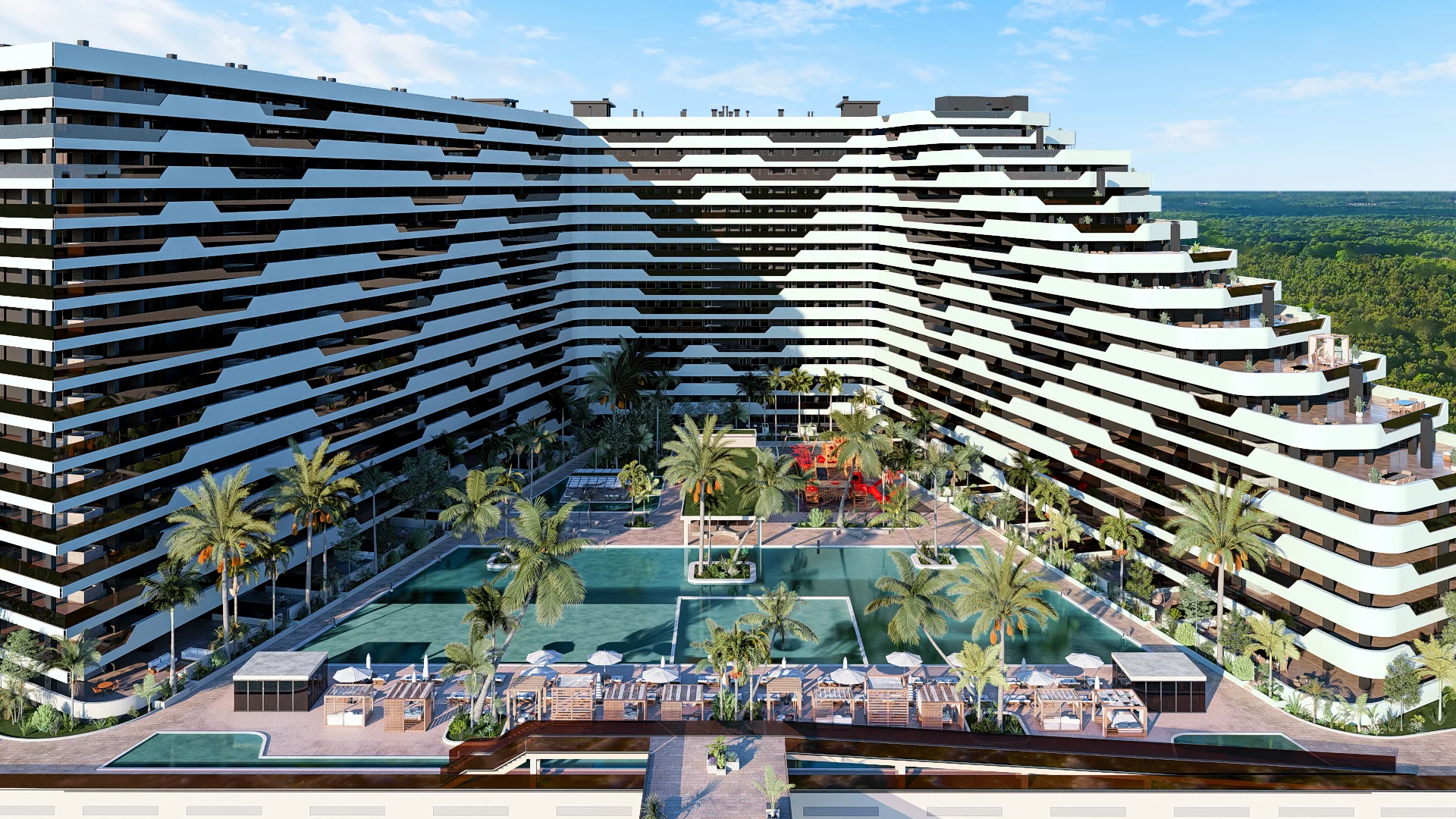
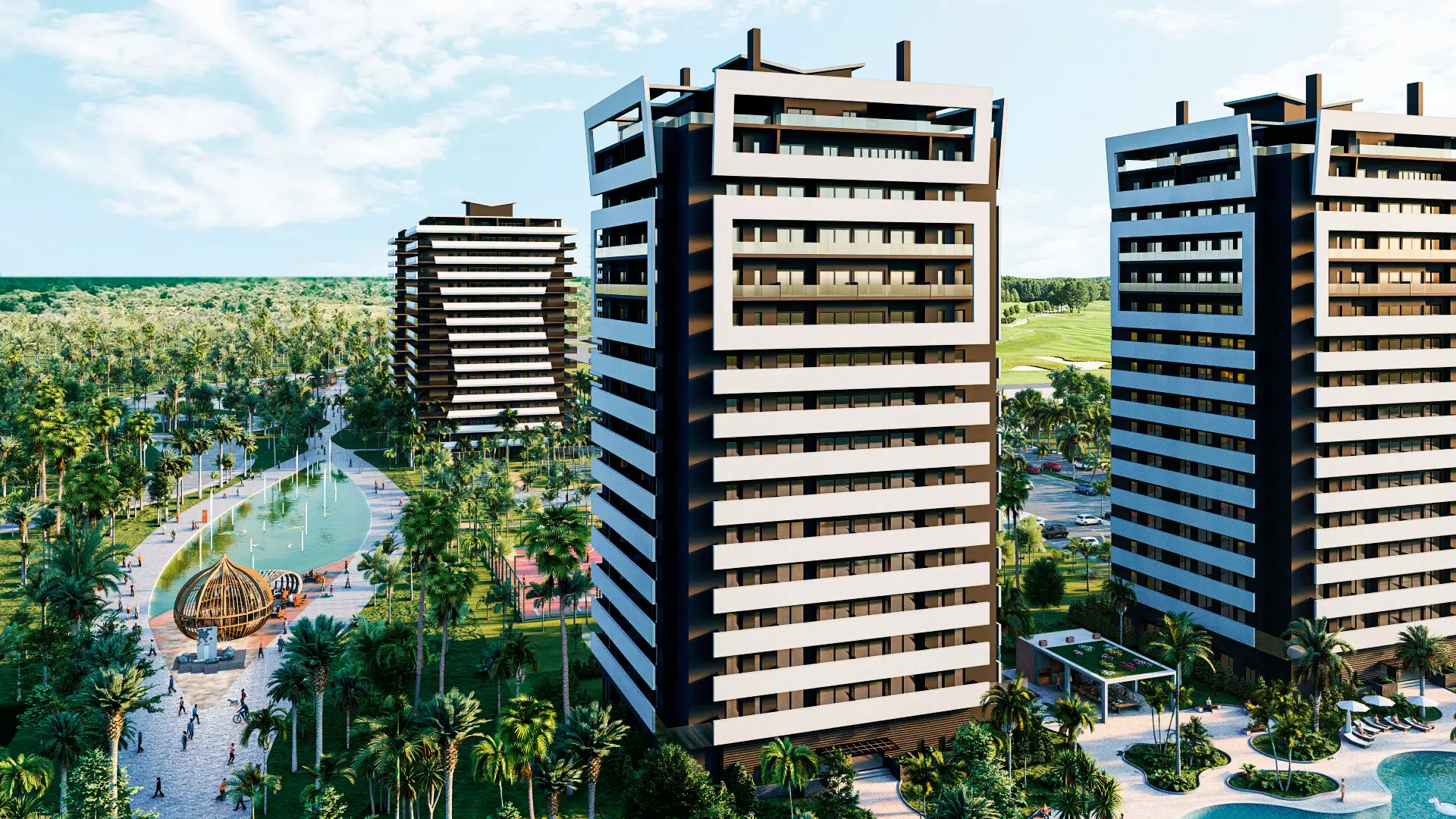
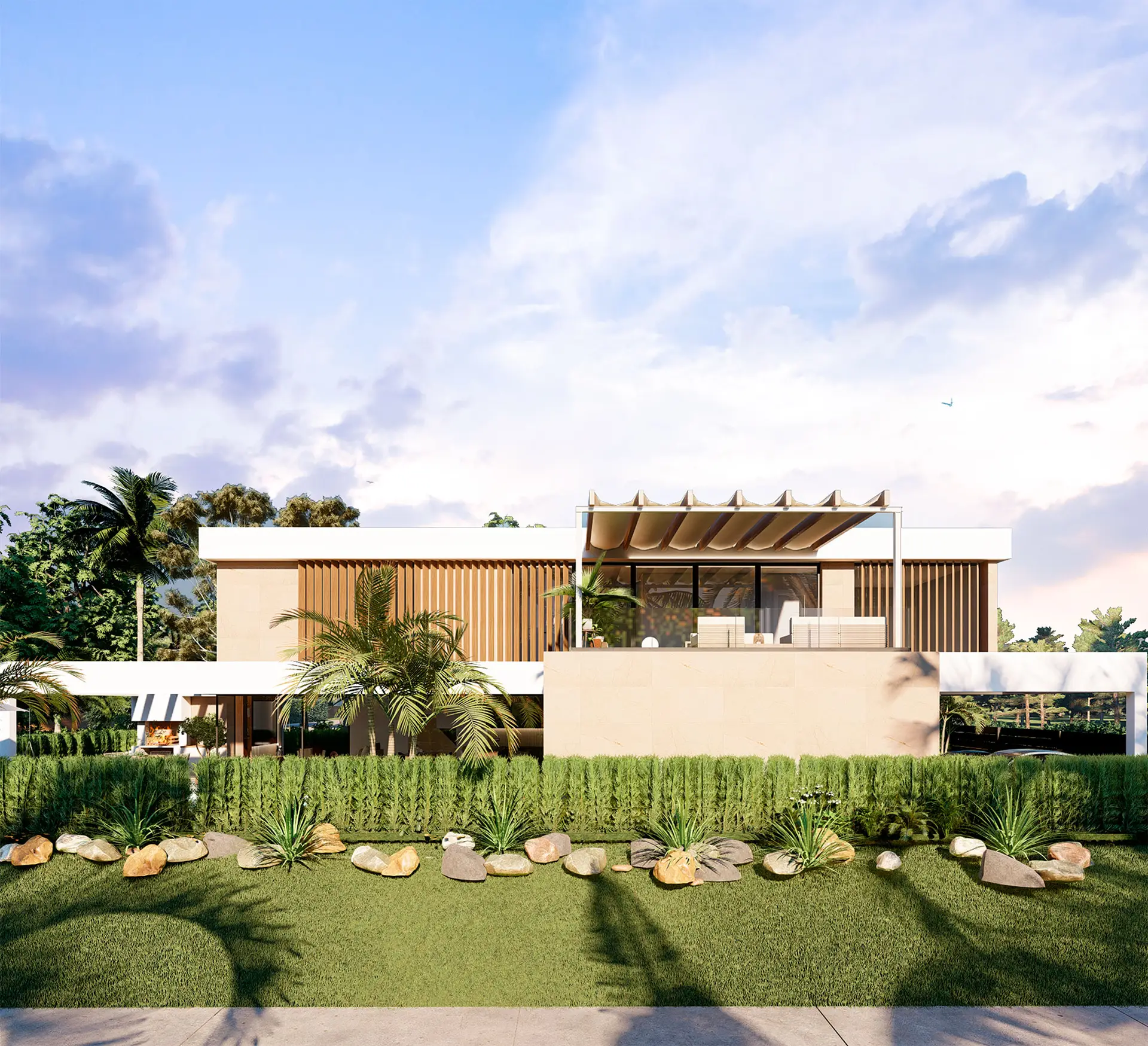
Explore the residential projects of Larimar City mentioned in this article.
Smart Investment
Join the first Smart City in the Caribbean. Discover how Larimar City redefines safety and property value in Punta Cana.
Request information