Tourism in the Dominican Republic: regions and key data
The tourism sector in the Dominican Republic combines Caribbean beaches, historic cities, tropical nature and gastronomy, water activities and an extensive hotel infrastructure. Although Punta Cana is its most internationally recognized destination, the country offers very different alternatives: from the urban life of Santo Domingo to the ecotourism of Samaná, Puerto Plata or Barahona.
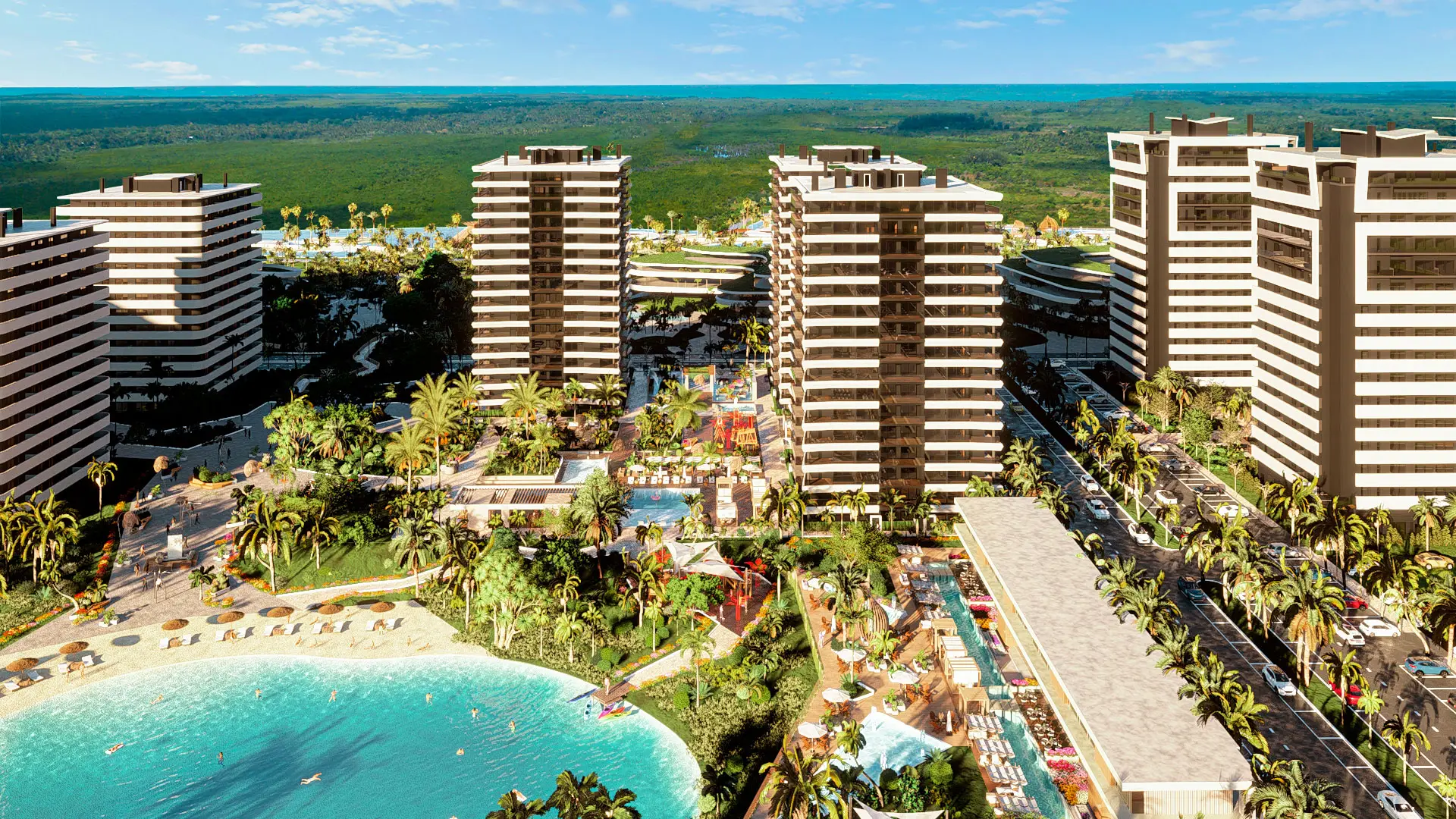
Tourism growth has also sparked interest among people who want to establish a more permanent relationship with the country. Some travelers move from visiting the Dominican Republic on holiday to considering a second home, a place to retire or a real estate investment. In this context, Larimar City & Resort proposes a planned-city model in the Punta Cana area, with residential spaces, services and areas dedicated to well-being.
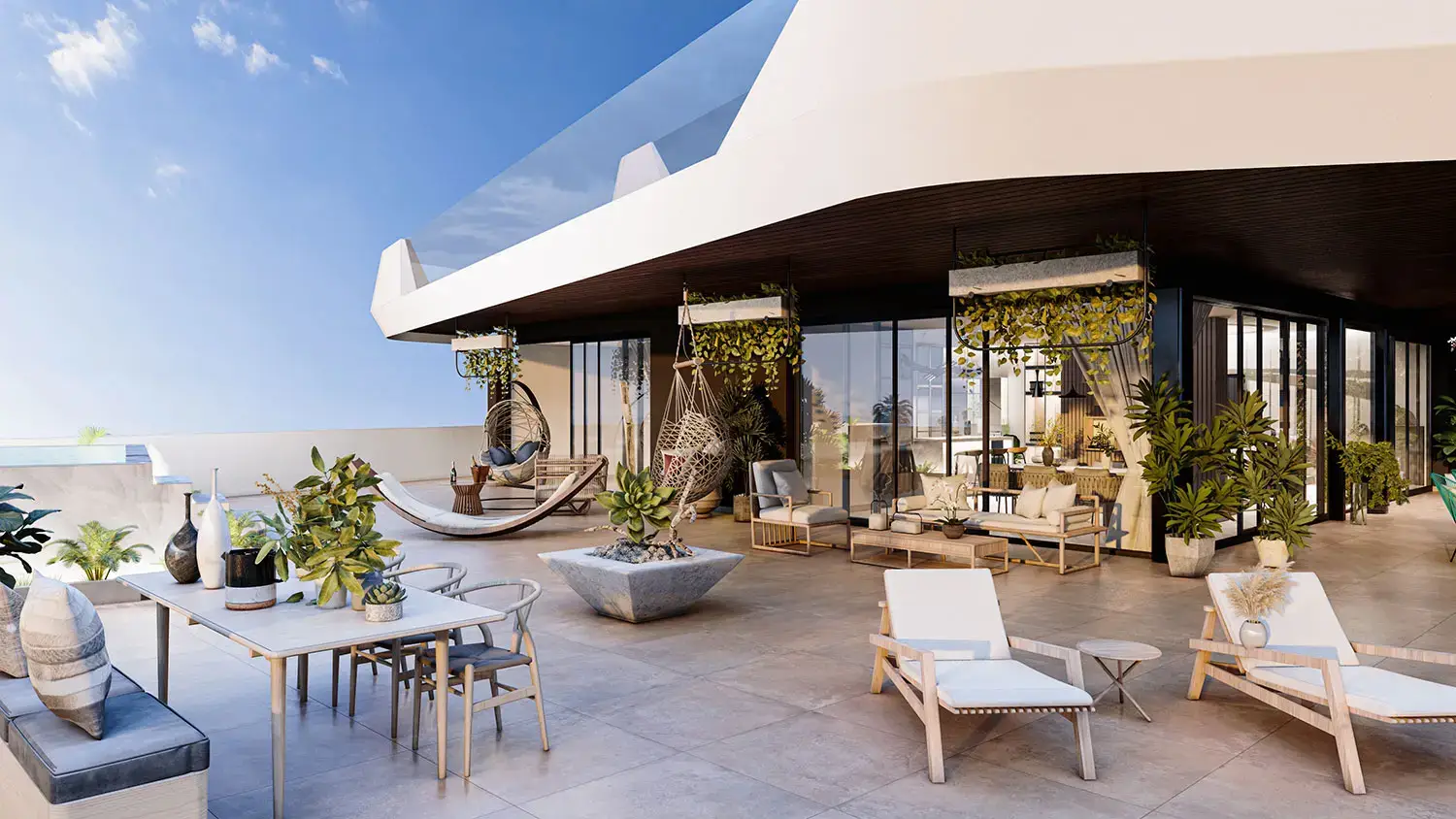
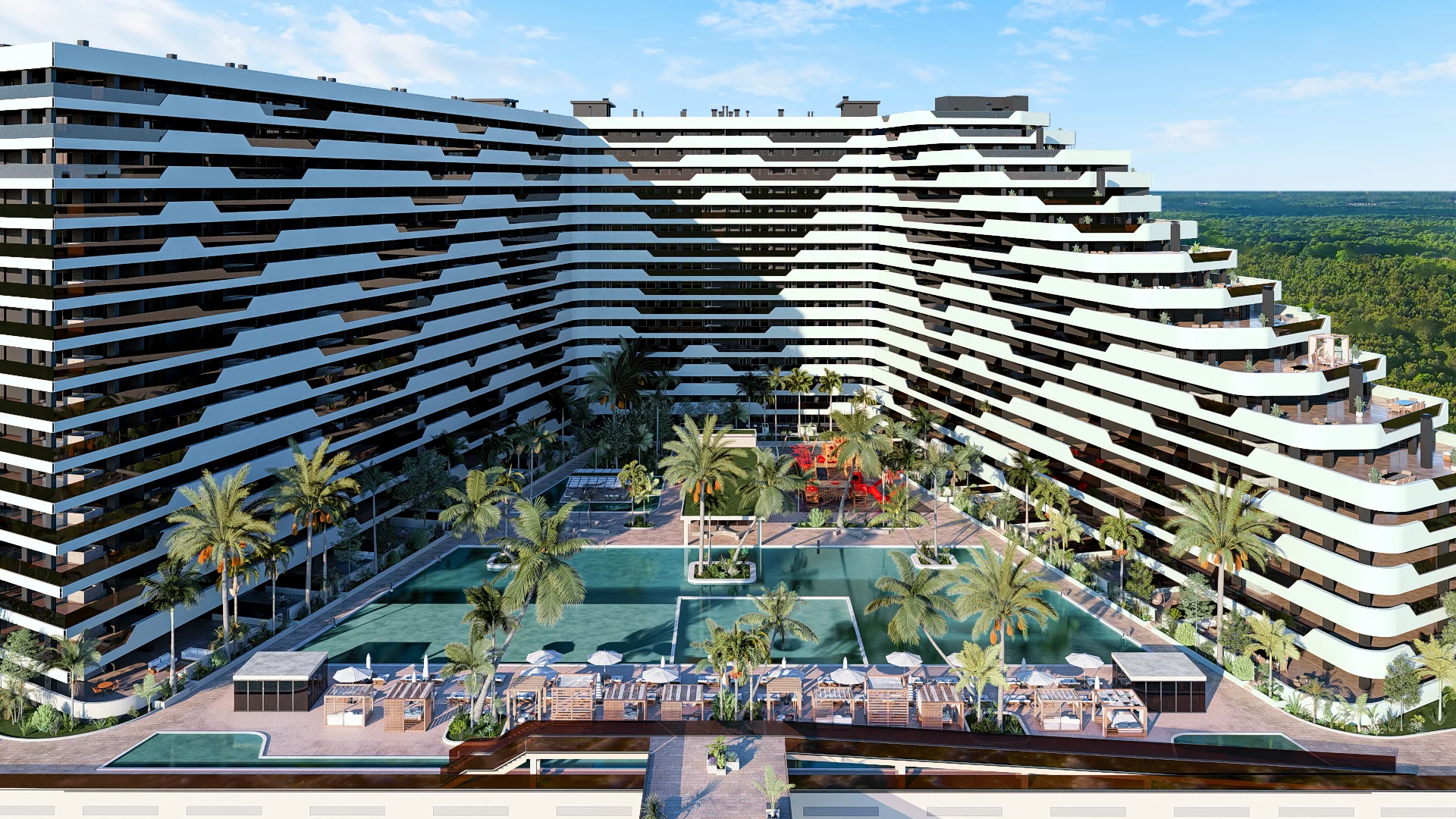
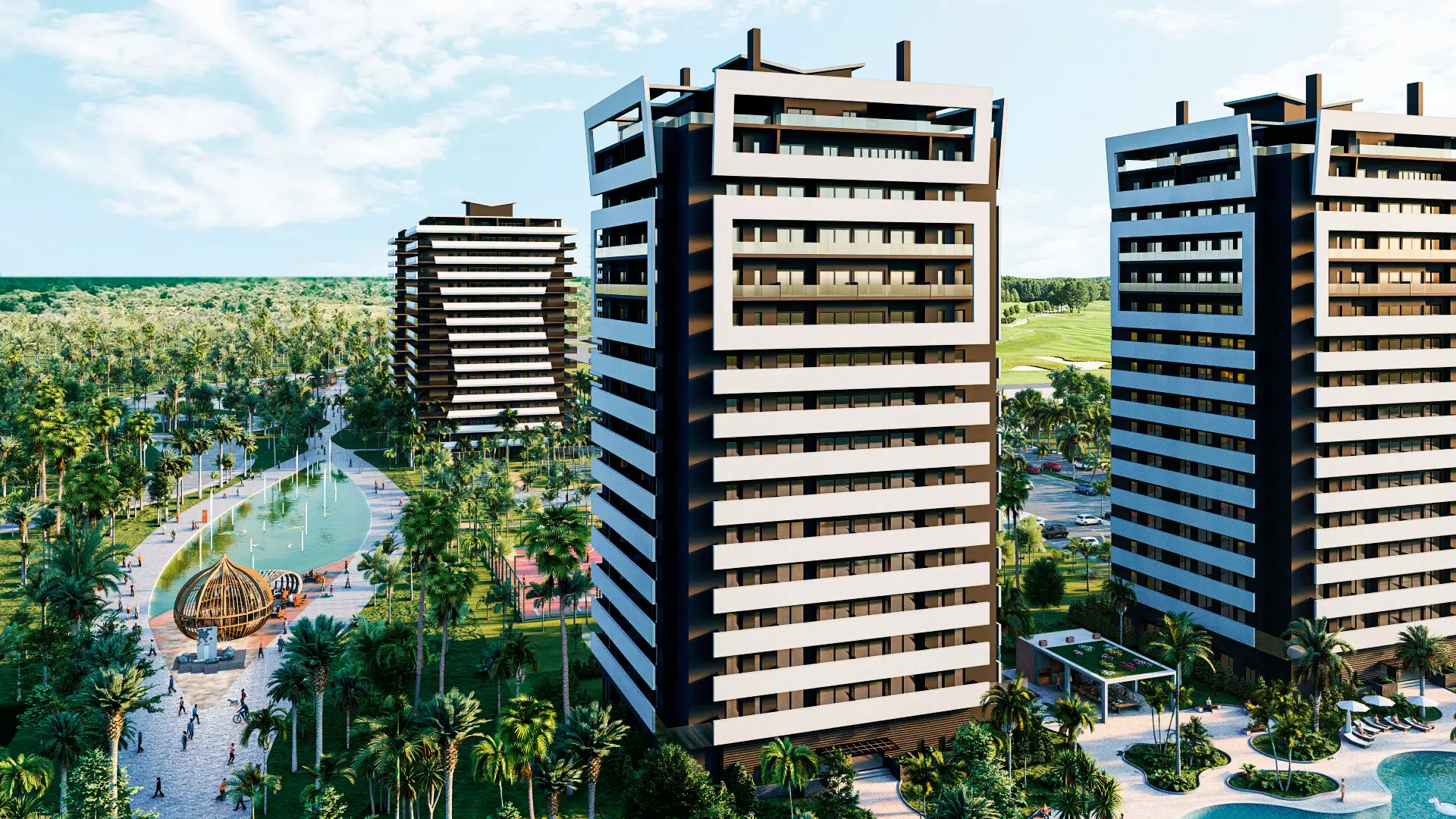
Those looking to buy a home can explore the different residential projects in the Dominican Republic available within the development. Among them is Horizon View, an apartment complex located on one of the highest points of Larimar City and designed around panoramic views, shared spaces and residential services. It is also worth analyzing why to invest in Larimar City, comparing location, budget, personal goals and investment horizon before making a decision.
Most touristic areas in the Dominican Republic
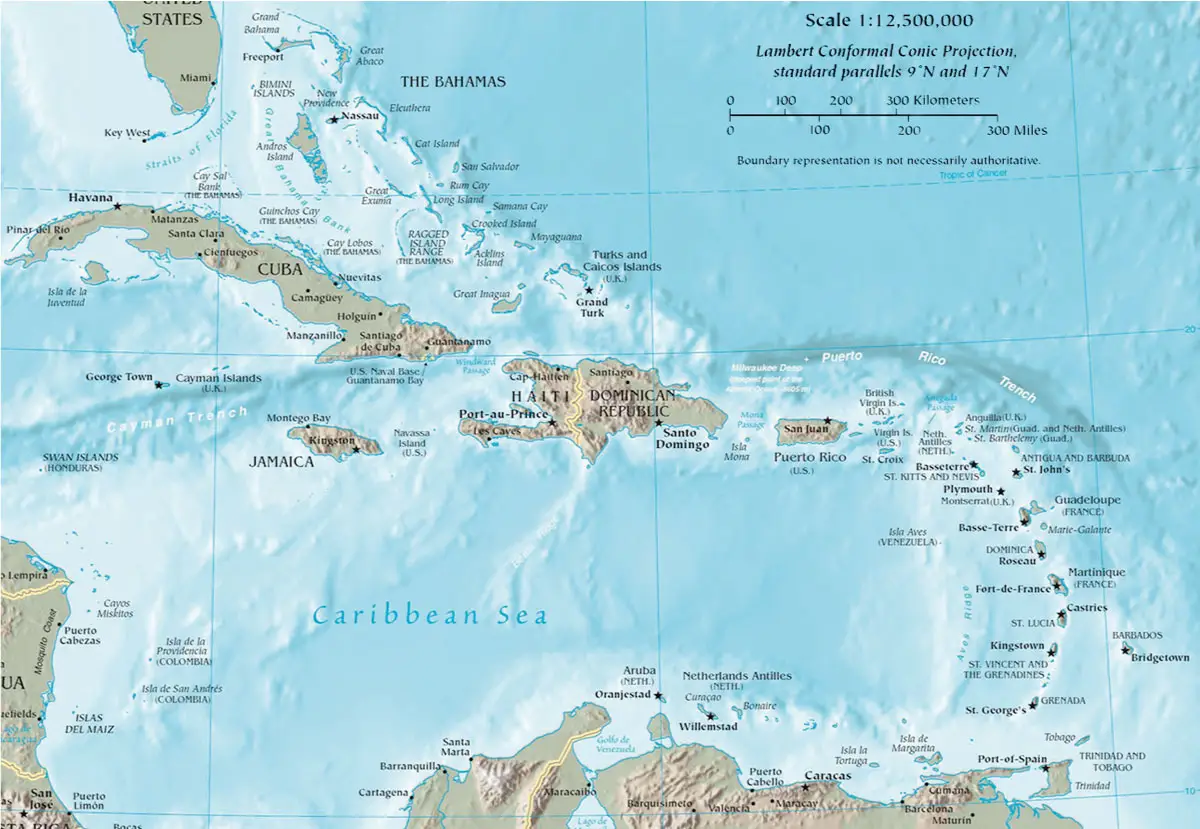
The Dominican tourism offering is spread across different regions. The east concentrates large resorts and Caribbean beaches; Santo Domingo stands out for its heritage and urban activity; the north coast combines history, surfing and adventure; and the Samaná peninsula attracts those seeking nature.
La Romana and Bayahíbe offer luxury, golf and maritime excursions, while Barahona represents a less crowded alternative for discovering rivers, mountains and southern landscapes. This diversity makes it possible to organize anything from a relaxing holiday to a cultural, sporting or ecotourism itinerary.
Punta Cana: Bávaro and La Altagracia
Punta Cana is located in the province of La Altagracia, at the eastern tip of the country. Bávaro concentrates much of the hotels, restaurants, shops and tourist services, as well as one of the best-known beaches in the Dominican Republic.
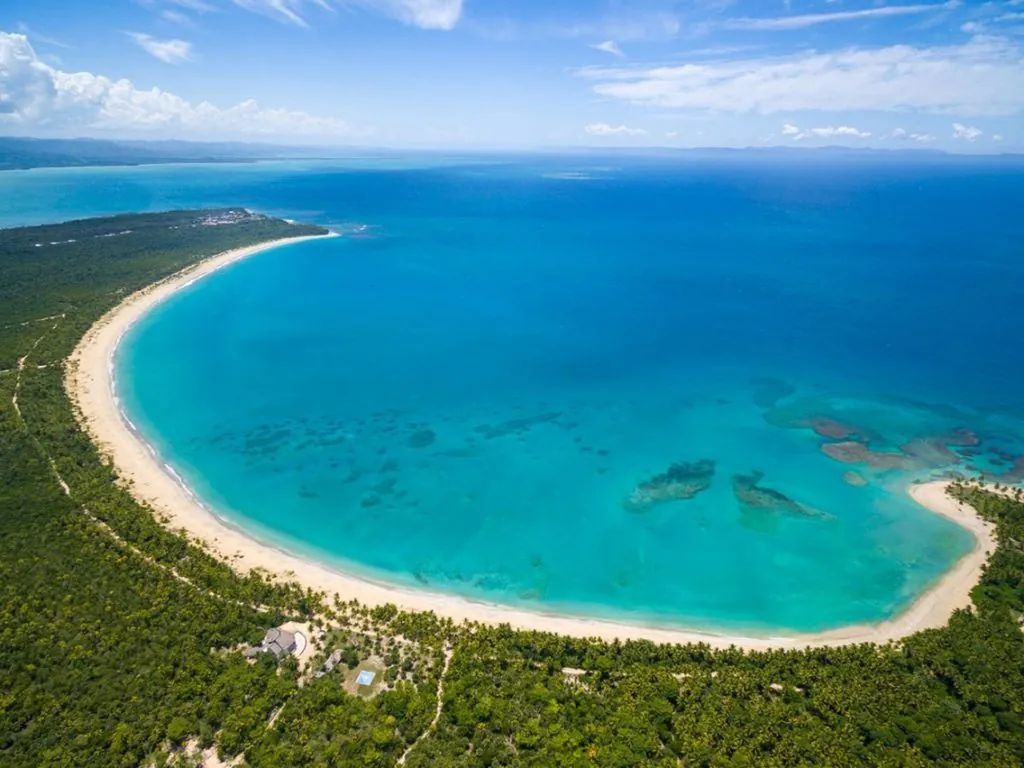
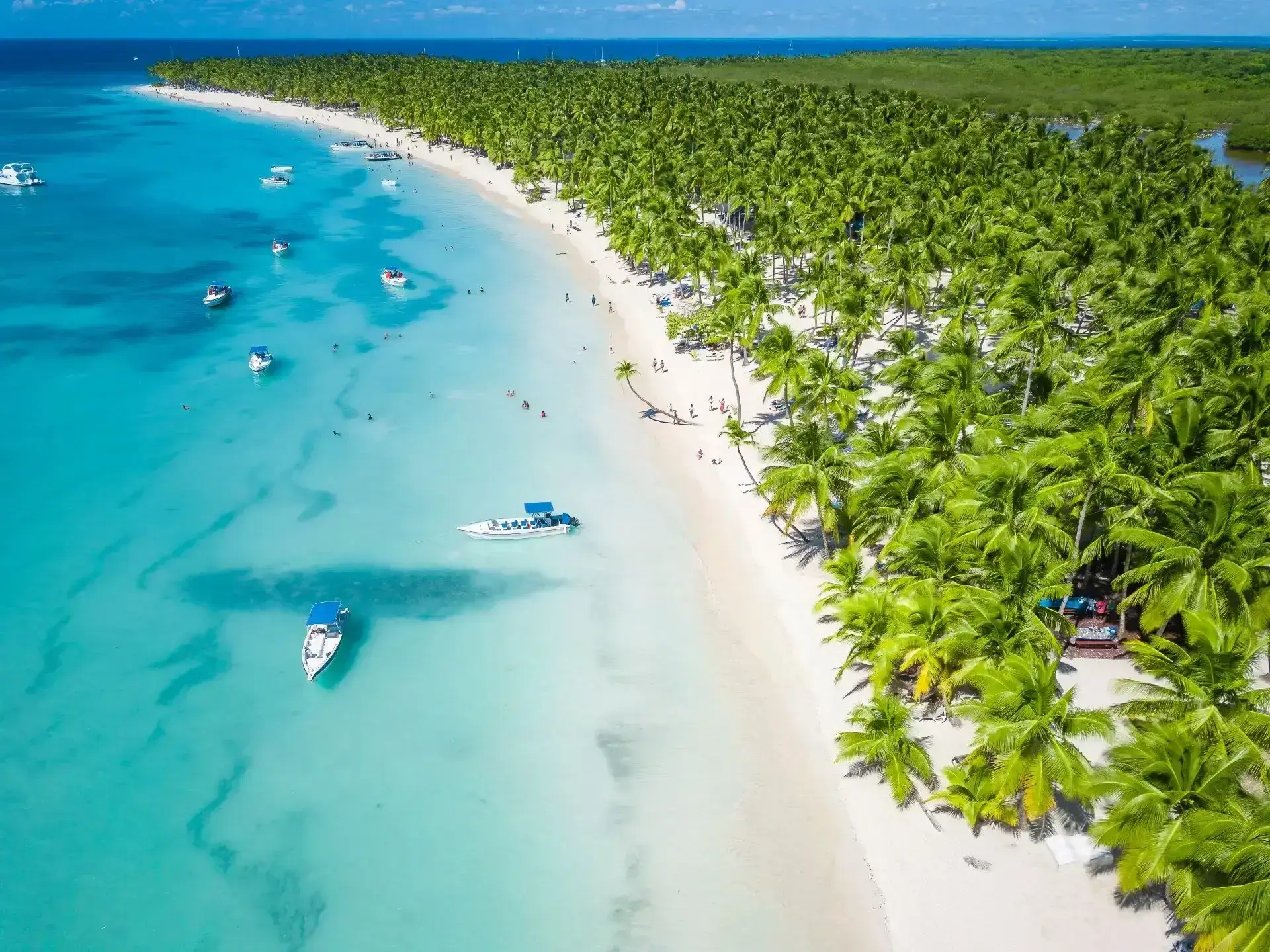
The area offers more than 50 kilometers of coastline, with beaches such as Bávaro, Macao, Juanillo, Cabeza de Toro and Bibijagua. Common activities include catamaran trips, snorkeling, diving, golf, buggy excursions and visits to natural spaces such as Hoyo Azul or the Ojos Indígenas Ecological Reserve.
Its infrastructure supports different kinds of trips. Families find hotels with pools, entertainment and children's activities, while couples can choose adults-only establishments, spas or private experiences. For those staying longer, Punta Cana also has supermarkets, medical centers, restaurants and international connections.
Luxury tourism in Punta Cana
Luxury tourism in Punta Cana is built around high-end resorts, golf courses, villas, marinas, spas, restaurants and personalized services. Visitors can book anything from a private yacht outing to a day of golf, an exclusive dinner or a wellness treatment.
This offering also influences the residential market. International buyers value not only the home itself, but also its proximity to services, sports areas, leisure spaces and air connections. For this reason, projects integrated within planned communities can be attractive to those looking to combine holidays, temporary residence and investment.
Santo Domingo: capital and urban area
Santo Domingo offers a very different experience from the major beach destinations. The capital combines historical heritage, commercial activity, gastronomy, cultural centers and urban life facing the Caribbean.
Its main tourist attraction is the Colonial City, recognized as a World Heritage Site by UNESCO. It is home to the Cathedral of Santa María la Menor (the first cathedral of the Americas), the Alcázar de Colón, the Ozama Fortress, Las Damas Street and the Plaza de España. Also notable are the Malecón, the Los Tres Ojos National Park and the museums, along with its restaurants and shopping centers.
Santo Domingo is well suited to travelers interested in Dominican history, architecture, gastronomy and the everyday rhythm of a Caribbean capital. It can also serve as the starting or ending point of a route around the country.
Puerto Plata and the north coast: Playa Dorada, Sosúa and Cabarete
Puerto Plata combines Atlantic beaches, colonial history and adventure activities. Its historic center, the San Felipe Fortress, the Amber Museum and the cable car up the Isabel de Torres peak allow visitors to complement beach days with cultural visits.
Playa Dorada has well-established hotels and tourist services. Sosúa stands out for its bay, while Cabarete is known for surfing, kitesurfing and its international atmosphere. Inland, the 27 Waterfalls of Damajagua offer routes among waterfalls and natural pools.
The north coast is recommended for active travelers who prefer to alternate water sports, excursions, culture and local life. It also presents a different landscape from Punta Cana, with mountains close to the shore and beaches exposed to the Atlantic Ocean.
Samaná and Las Terrenas
The Samaná peninsula is one of the main nature destinations in the Dominican Republic. Its green mountains, beaches, waterfalls and small coastal towns create an experience more closely tied to ecotourism.
Between January and March, the bay becomes a prime spot for watching humpback whales. Other points of interest are the El Limón Waterfall, Cayo Levantado, Playa Rincón, Las Galeras and the Los Haitises National Park.
Las Terrenas combines this natural setting with restaurants, boutique accommodations and an international community. It can be a good fit for couples, independent travelers and people seeking a quiet stay without giving up tourist services.
La Romana and Bayahíbe
La Romana is associated with premium tourism, golf and maritime excursions. The area has resorts, villas, prestigious courses and cultural sites such as Altos de Chavón.
Bayahíbe, a former fishing village, is one of the main departure points toward Saona Island. It also allows visitors to organize excursions to Catalina Island, diving days and visits to the Cotubanamá National Park.
The combination of beaches, sailing, golf and high-end accommodations makes La Romana an interesting alternative for those seeking an exclusive experience that is more contained than the large hotel hubs of Bávaro.
Barahona and lesser-known areas of the south
Barahona offers a less crowded tourism model that is more oriented toward nature. Its coastline combines pebble beaches, mountains, rivers and viewpoints, creating some of the country's most distinctive landscapes.
Its attractions include San Rafael, Los Patos, Villa Miriam, Playa Quemaito and the area around Lake Enriquillo. The region is well suited to road trips, photography, hiking and contact with local communities.
The south requires more planning than Punta Cana or Santo Domingo, but it rewards visitors with natural spaces, lower hotel density and a more authentic experience.
Tourism data in the Dominican Republic
The most recent figures confirm the importance of the sector. In 2025, the country received more than 11.7 million visitors when combining air arrivals and cruise passengers. Of these, 8,860,709 were non-resident passengers who arrived by air, 3.8% more than in 2024.
Punta Cana International Airport accounted for around 71.9% of air arrivals of non-resident foreigners during that year, which reflects the weight of the eastern region within national tourism.
Main countries of origin of visitors
The United States was the leading source market during 2025, with 44.5% of the foreign tourists who arrived by air. Canada took second place, with 15.6%. Argentina, Colombia and Puerto Rico also stood out, along with European markets such as the United Kingdom, Spain, France and Germany.
The importance of North America is explained by geographic proximity and air connectivity. At the same time, the growth of Latin American markets broadens the visitor profile, especially among travelers from Argentina, Colombia, Chile, Mexico, Brazil and Peru.
High and low tourist seasons
The high season in the Dominican Republic tends to run from December to April. During these months, the weather tends to be drier and demand increases from countries with cold winters. Punta Cana, Puerto Plata and La Romana identify this period as one of the busiest for tourism.
Between May and November there tends to be greater availability and, in some cases, more competitive prices. However, summer, Holy Week and certain holidays can generate occasional spikes in demand. In Samaná, the whale season between January and March is a specific attraction.
The economic contribution of tourism to the country
Tourism generates activity in hotels, restaurants, transport and commerce, construction, excursions and professional services. It also encourages the inflow of foreign currency, job creation and infrastructure development.
The World Travel & Tourism Council projected that the sector would contribute more than 21 billion dollars to the Dominican economy in 2025, equivalent to 15.8% of GDP, and would support close to 893,000 direct and indirect jobs. These figures are estimates from the organization and reflect the broad impact of travel and tourism across different economic sectors.
This growth also increases interest in the residential market in tourist destinations. Even so, any investment should be assessed by considering the purchase price, maintenance costs, taxation, real demand, potential occupancy and the time horizon.
Most in-demand tourist activities
Beaches and resorts remain the main reasons to travel. The Central Bank report indicates that 86% of air tourists in 2025 visited the country mainly for recreation and that 75.7% used hotel establishments.
Among the most popular experiences are excursions to Saona Island, catamaran trips, snorkeling, diving, buggy tours and beach activities. To these are added golf, spa treatments, gastronomy, cultural visits and ecotourism.
The appeal of the Dominican Republic lies precisely in that diversity. Visitors can relax at a Punta Cana resort, explore the history of Santo Domingo, practice water sports in Cabarete, watch whales in Samaná or discover the lesser-known landscapes of Barahona.
For this reason, tourism in the Dominican Republic should not be understood solely as a sun-and-beach holiday. It is a diversified industry and a way of life that combines nature, culture, services, connectivity and residential opportunities in one of the most established destinations in the Caribbean.
Written by
Equipo Larimar City
Featured projects
Explore the residential projects of Larimar City mentioned in this article.
Smart Investment
Join the first Smart City in the Caribbean. Discover how Larimar City redefines safety and property value in Punta Cana.
Request information