Amber Museum of Santo Domingo: a journey through millions of years of Dominican history
 Victoria Méndez · Communications Department
Among the streets of the Colonial City we discovered a place where nature, science and Dominican craftsmanship tell a story that began long before we existed.
Our first stop: the Colonial City of Santo Domingo
Before telling you what we found inside the Amber World Museum, we have to talk about the place where it stands.
Our visit begins in the Colonial City of Santo Domingo, one of the most historically and culturally important areas in the Dominican Republic, recognised as a UNESCO World Heritage Site since 1990.
Walking through its streets means coming across some of the first chapters of the colonial history of the Americas. Institutions, churches and buildings were raised here that are still part of the city landscape today, such as the Cathedral of Santa María la Menor and the Ozama Fortress.
Yet among all that architecture we also found spaces devoted to telling far older stories: those of our island's own natural history.
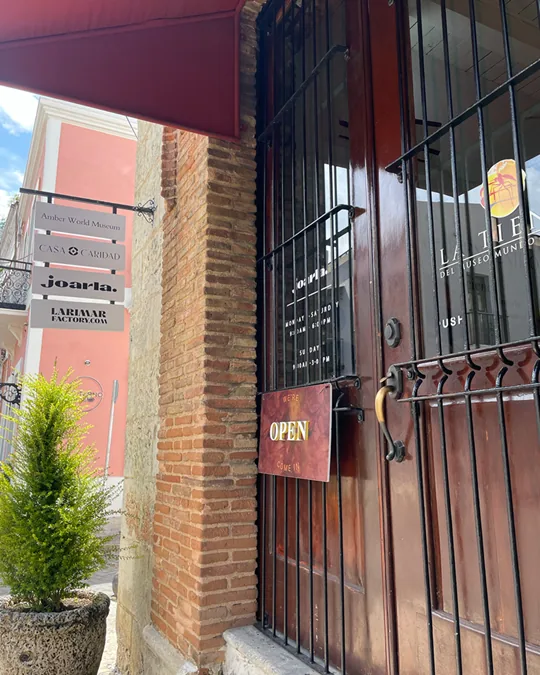
One of them is the Amber World Museum, located at number 452 Arzobispo Meriño street.
And that is where our visit began.
The museum entrance, right in the heart of the Colonial City.
A gem that is not exactly a stone
There is something we should clarify before going into the museum: amber is not a mineral stone in the traditional sense.
Its origin is organic. It is tree resin that, after lying buried for millions of years, ended up fossilising.
What makes it extraordinary is that this resin could trap small insects, leaves, flowers and other organisms, becoming genuine records of vanished ecosystems.
Dominican amber is especially known for its transparency, the variety of its fossil inclusions and its range of colours, from the traditional honey tones to the celebrated blue amber.
Did you know that Dominican amber is linked to Jurassic Park?
If you have ever seen Jurassic Park, you probably remember the mosquito trapped inside a piece of amber.
In the film directed by Steven Spielberg in 1993, that insect becomes a key part of the plot: the fictional possibility of recovering dinosaur DNA from the blood preserved inside it.
The film's story mentions amber from the Dominican Republic, internationally recognised for the extraordinary preservation of small prehistoric organisms.
Although real science is different from fiction, every inclusion makes it possible to study forms of life and environments that existed millions of years before us.
Arriving at the Amber World Museum
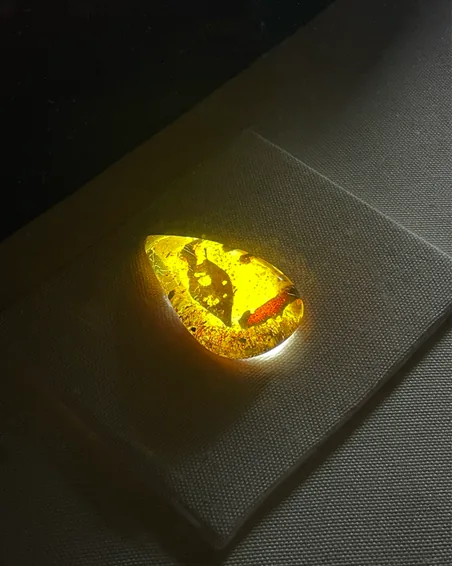
A backlit piece reveals everything amber keeps inside.
Housed in a restored colonial building, the museum combines the architectural value of Santo Domingo with the natural richness of the island.
As soon as we walk in, we are greeted by a large hall and a striking decorative chair carved in amber, whose yellow and orange tones immediately catch our attention.
A spiral staircase, with a handrail decorated with amber, invites us to continue towards the exhibition rooms.
Here the visit unfolds little by little. Every step leads to a new display case, a scientific explanation or a collection of pieces revealing a different part of Dominican natural history.
From ancient tropical forests to our display cases
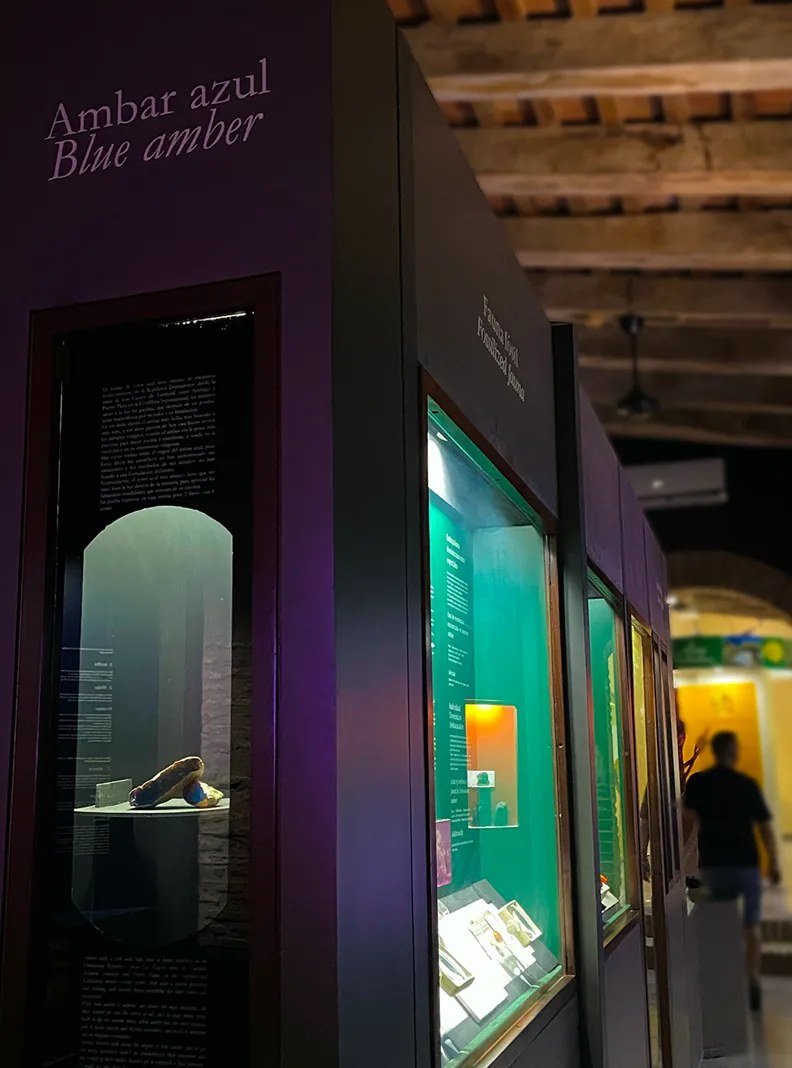
The blue amber room, home to the most distinctive variety of Dominican amber.
Long before the cities and tourist destinations we know today existed, large areas of the Dominican Republic were covered by tropical forests.
In them grew resin-producing trees whose resin could envelop small organisms. Over time, part of that resin was buried and turned into amber.
Scientific research dates significant deposits of Dominican amber with fossil inclusions at roughly 15 to 20 million years old.
Inside the museum we can look at small fragments of those ecosystems that survived the passage of time.
The real spectacle is in the details
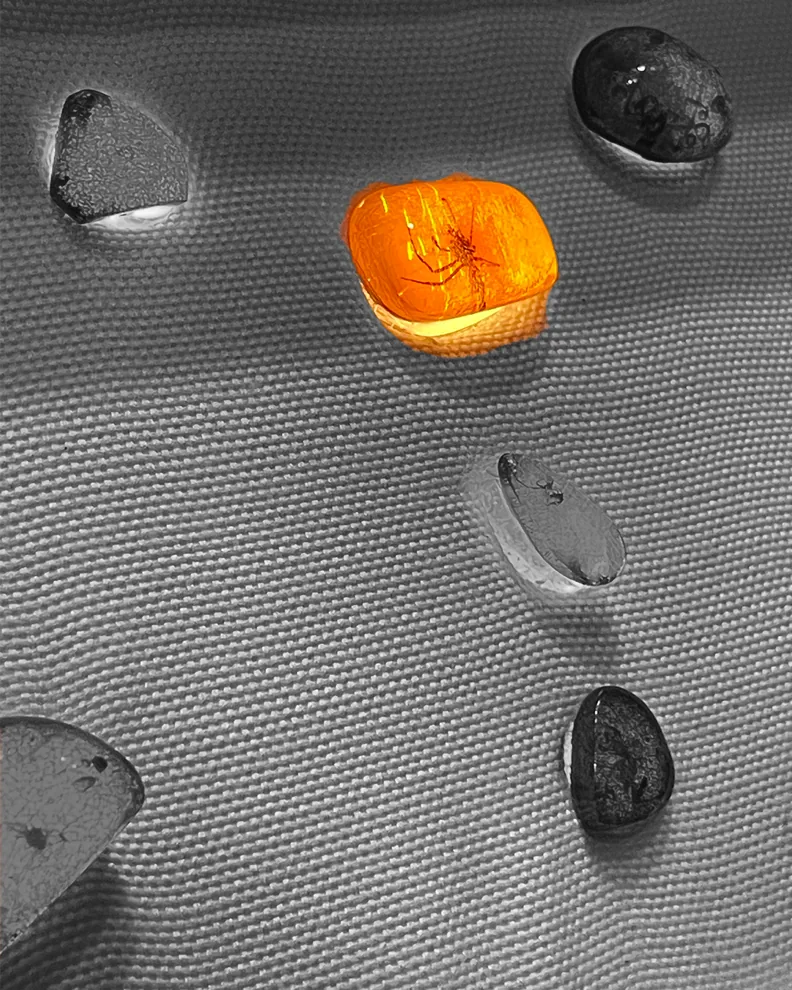
Among all the pieces, the one holding an insect trapped millions of years ago.
As we move on, we discover that some pieces stand out for their colours, others for their transparency and many for what they hold inside.
The museum has information panels, microscopes and display resources that help visitors understand these inclusions.
Among its wonders we found a species of ant that no longer exists today, as well as examples of flora belonging to species that are now extinct.
It is striking to think that something so small can preserve a part of a world that no longer exists.
Casa Caridad: a family story devoted to preserving Dominican amber
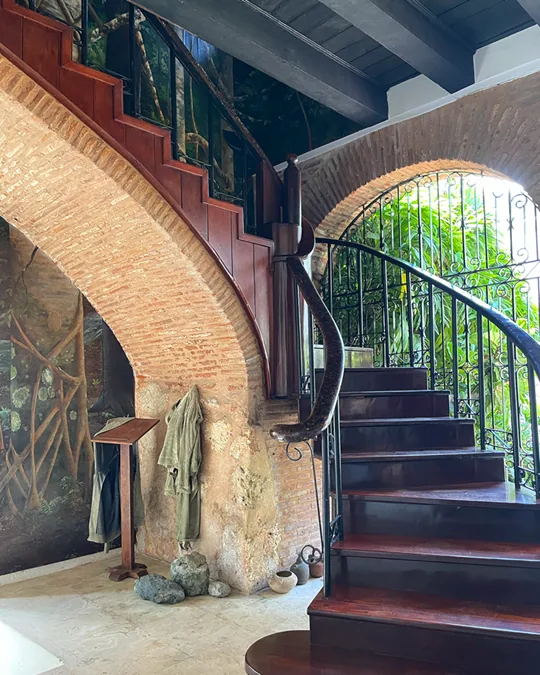
The visit continues through a restored colonial building.
Behind this collection there is also a story of entrepreneurship, knowledge and commitment to Dominican culture.
The Amber World Museum was founded on 5 September 1996 by Jorge Caridad, a craftsman and businessman linked to Ámbar Nacional, known as AMBASA.
It was conceived as a tribute to Santo Domingo during the commemoration of the fifth centenary of its founding.
Over time, the project established itself as a space dedicated to researching, preserving and sharing the history of Dominican amber.
The Caridad family's work also extends to the Larimar Museum, another educational initiative linked to two materials that represent a very special part of the country's natural heritage.
Their commitment has also reached local communities through activities related to craftsmanship and the training of young people.
From fossil to jewel: the work of Dominican hands
Towards the end of the visit we find another dimension of this story: craftsmanship.
After looking at examples of amber in its natural state, we discover how this material can become a piece of jewellery through a delicate process of selection, cutting and polishing.
This is where nature meets the craft.
A resin that began its story millions of years ago can end up as a contemporary piece thanks to the knowledge and creativity of Dominican artisans.
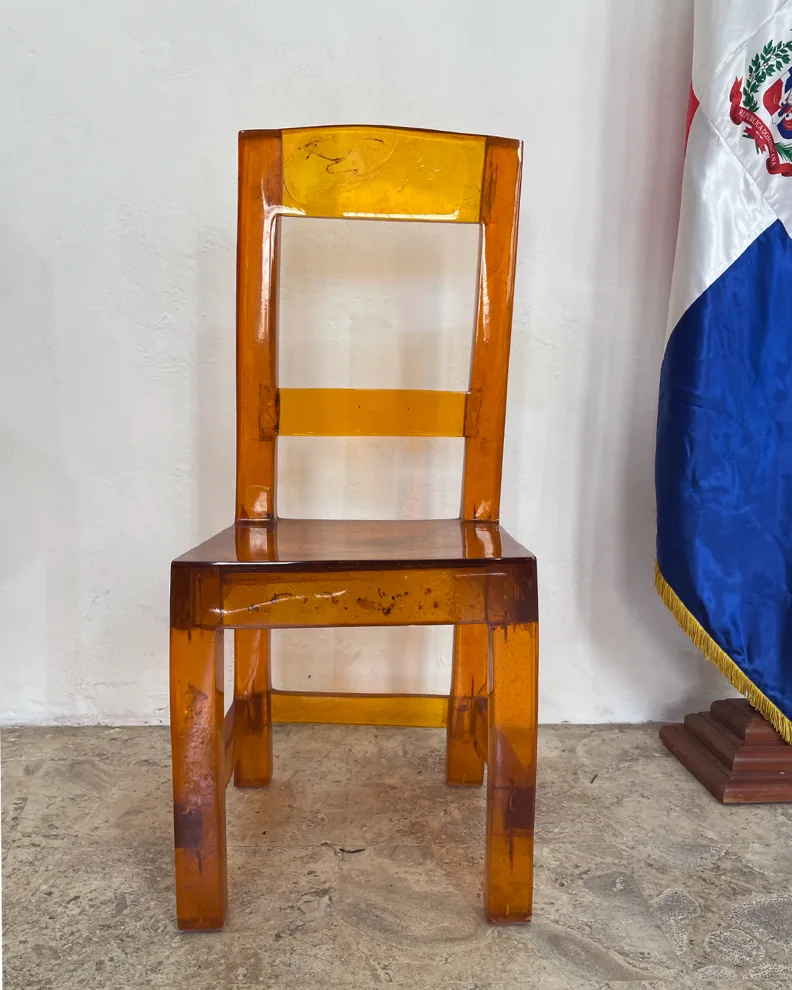
The amber chair that welcomes visitors, beside the Dominican flag.
A visit that shows another side of the Dominican Republic
The Dominican Republic is internationally known for its beaches, its tropical landscapes and its tourism. Yet places like the Amber World Museum remind us that there are many other ways to get to know the country.
In a single morning we can walk along streets that preserve centuries of colonial history and discover organisms that lived on the island millions of years before we existed.
Our visit began as a way to learn about one of the Dominican natural gems and ended up revealing a much wider story: that of an island whose richness also lies beneath its surface and within its natural memory.
At Larimar City & Resort, we keep getting closer to the places, stories and people that represent the identity of the Dominican Republic, to share new ways of discovering and appreciating our country.
Information for planning your visit
- Museum: Museo Mundo del Ámbar (Amber World Museum).
- Location: Calle Arzobispo Meriño 452, Colonial City, Santo Domingo.
- Published opening hours: Monday to Saturday from 9:00 a. m. to 6:00 p. m.; Sundays from 9:30 a. m. to 1:30 p. m.
- Admission at the time of our visit: RD$100 for visitors over nine years old; free for younger children. It is worth confirming current rates.
- Website: amberworldmuseum.com
We thank Casa Caridad for welcoming the Communications team of Larimar City & Resort and introducing us to the extraordinary story preserved at the Amber World Museum. Photographs taken during the interview and visit to the museum by the Communications team.
It is an experience that connects especially well with our own identity: like amber, larimar is an expression of the natural and cultural richness of the Dominican Republic. Two treasures that remind us of the value of preserving our roots and sharing with the world what makes our island unique.
At Larimar City & Resort, we are proud to carry that Dominican identity in our name and in the story we want to tell.
Written by
Victoria Méndez
Communications Department
Featured projects
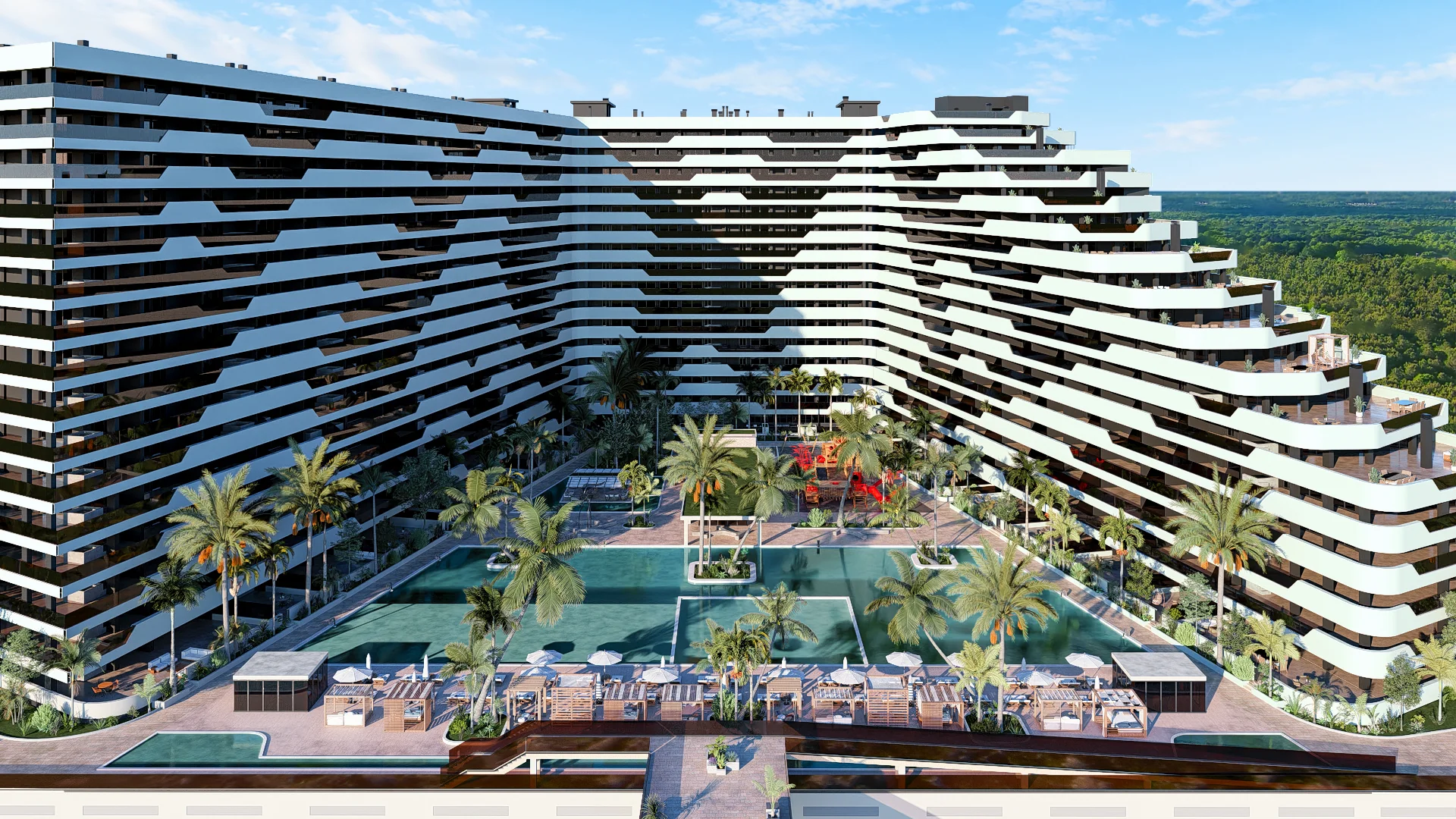
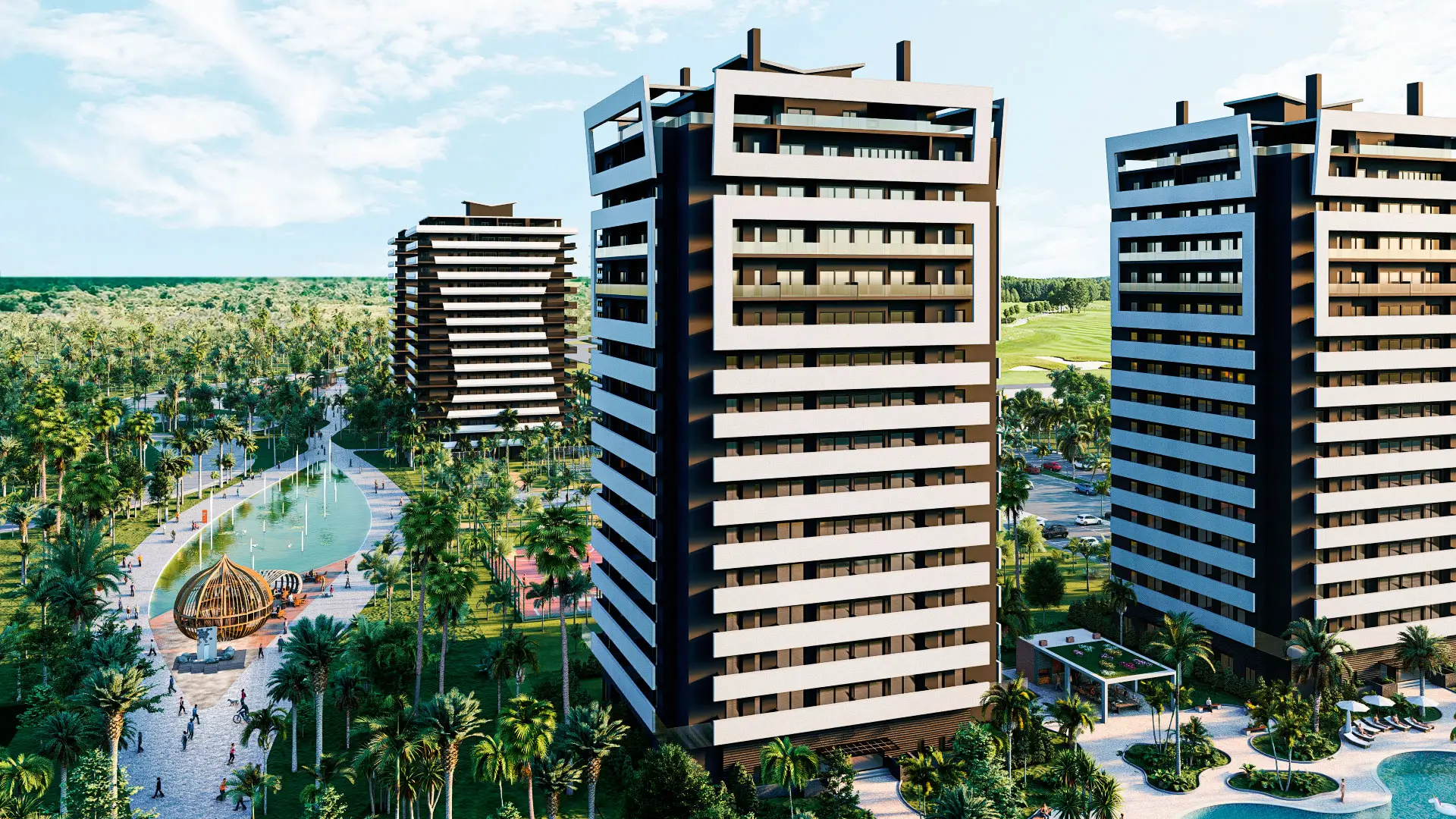
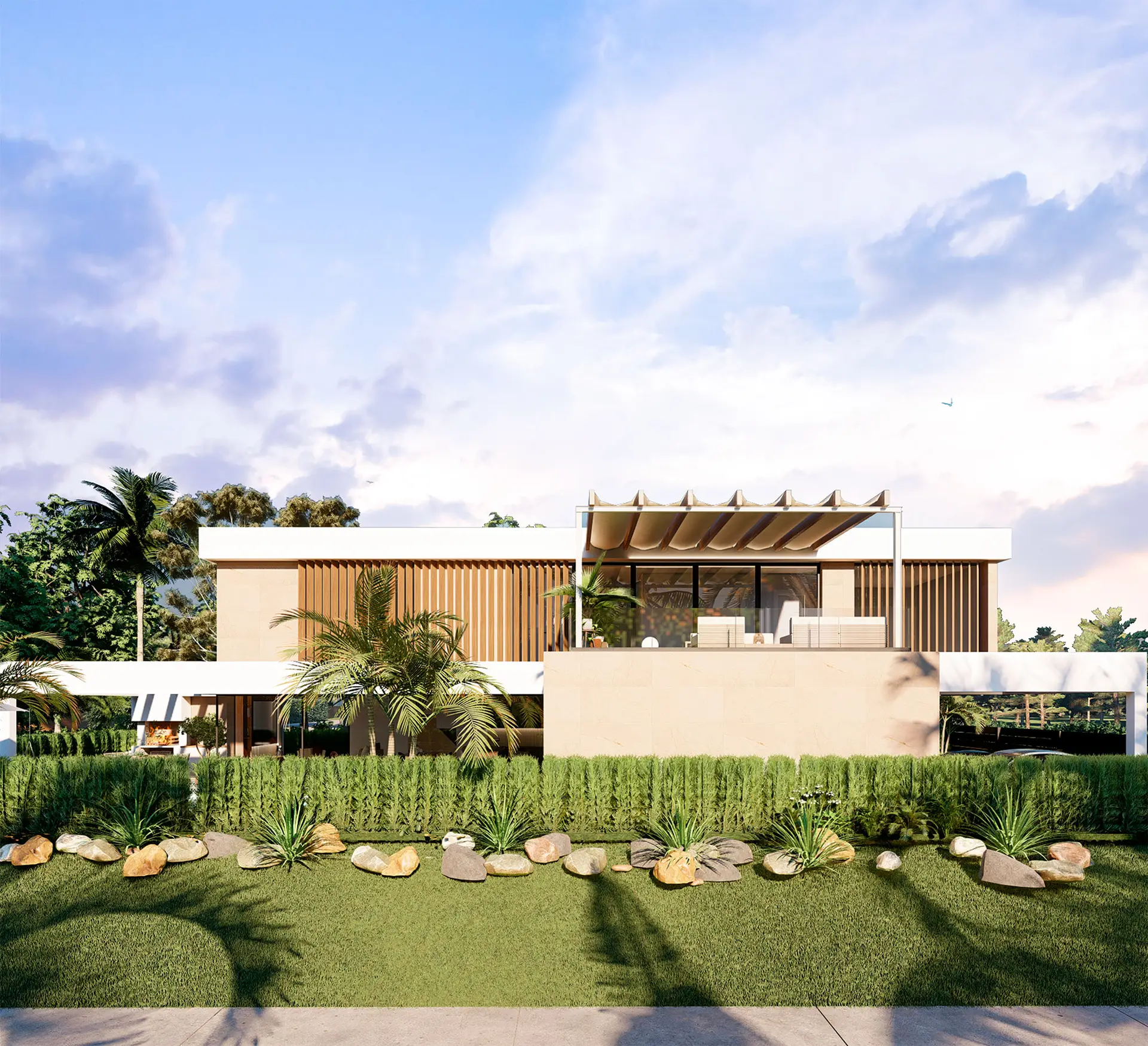
Explore the residential projects of Larimar City mentioned in this article.
Smart Investment
Join the first Smart City in the Caribbean. Discover how Larimar City redefines safety and property value in Punta Cana.
Request information