What makes a Smart City different? Larimar: today's architecture designed for the future
Today's cities were largely designed to meet the needs of the 20th century. However, challenges such as traffic congestion, high energy consumption, efficient water management and overpopulation have exposed the limitations of current urban models and their sustainability.
Faced with this reality, Smart Cities have emerged as a new way of understanding urban planning. Beyond technology, their goal is to create more efficient, sustainable and connected spaces, capable of improving residents' quality of life and responding to the challenges of the coming decades.
The evolution of urban planning
Cities have historically reflected the needs of each era. Most of the urban centers we inhabit began to develop in the 20th century—although many old town centers date back several centuries—at times when mobility, economic growth and demographic expansion responded to very different priorities than today's. However, the challenges of the 21st century have exposed some of the limitations of these traditional urban models. Today, workers and drivers in the world's main economies lose between 40 and 60 hours a year stuck in traffic. Major cities, despite occupying less than 2% of the Earth's surface, consume 70% of global energy demand and generate up to 75% of polluting emissions. These are some of the challenges millions of people face worldwide today, and the data reflect the growing need to move toward more sustainable environments.
The concept of the Smart City has gained prominence as a new way of understanding urban planning. Beyond technology, smart cities are born with the aim of designing spaces capable of efficiently meeting the present and future needs of their inhabitants. This takes shape through the integration of sustainable infrastructure, resource optimization, connectivity between services and carefully considered urban planning, making quality of life one of the main pillars of a model that seeks to build more livable, resilient cities prepared to face the challenges of the coming decades.
Smart resource management
One of the great challenges of today's cities is the efficient management of increasingly limited resources. Urban growth, rising energy demand and pressure on water resources have made sustainability a necessary feature of 21st-century urban developments.
In this context, Smart Cities bet on infrastructure capable of optimizing energy and water consumption from their very design and integration with the environment. The integration of renewable energy, water reuse systems and water-harvesting solutions reduces environmental impact while improving the efficiency of urban services. More than a technological matter, this is a new way of planning cities, where sustainability stops being an add-on and becomes one of the fundamental foundations.
Larimar and the 15-minute city
One of the urban planning concepts that has gained the most relevance in recent years is the "15-minute city", a sustainable urban planning concept created by urbanist Carlos Moreno. This model seeks to bring the main services and leisure spaces closer to citizens to reduce unnecessary travel and improve their quality of life. Unlike traditional cities, where much of the daily time is spent on transport, this philosophy favors environments where housing, retail, sports, dining and essential services coexist in an integrated way and are accessible within an approximately quarter-hour walk.
Larimar City & Resort is built, from its initial conception, following this philosophy of complete integration of services within a pleasant distance for residents. Beyond a question of convenience, this approach helps promote pedestrian mobility, reduce dependence on private vehicles and create more human and sustainable spaces. Proximity thus becomes a new indicator of urban well-being, transforming the way people relate to their surroundings and enjoy their free time.
Green infrastructure
Modern cities no longer see green areas as a mere decorative space. According to studies by Geoinnova, these spaces produce health benefits such as reducing thermal stress, improving air quality and promoting physical activity. Living near these areas can reduce the risk of disease by up to 33%. A remarkable figure that justifies why, in recent decades, urban planning has evolved toward models that integrate nature as an essential element to improve quality of life, encourage pedestrian mobility and create healthier, more sustainable environments.
Urban parks, green corridors, landscaped boulevards and connected open spaces are part of a new generation of cities that seek to balance development and well-being. Beyond their scenic value, this green infrastructure encourages outdoor activity, improves the connection between different urban spaces and lets people enjoy a closer relationship with their surroundings.
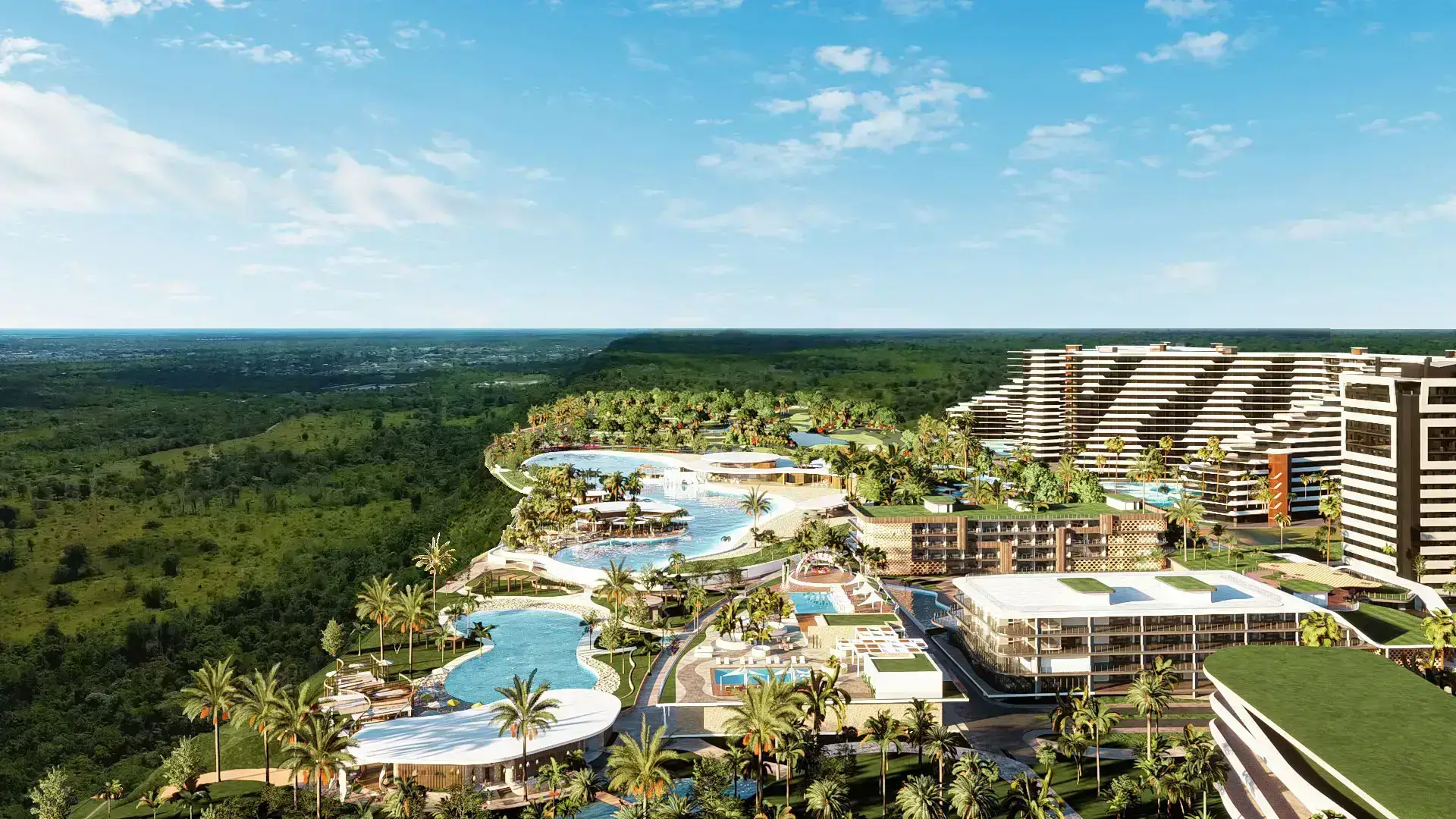
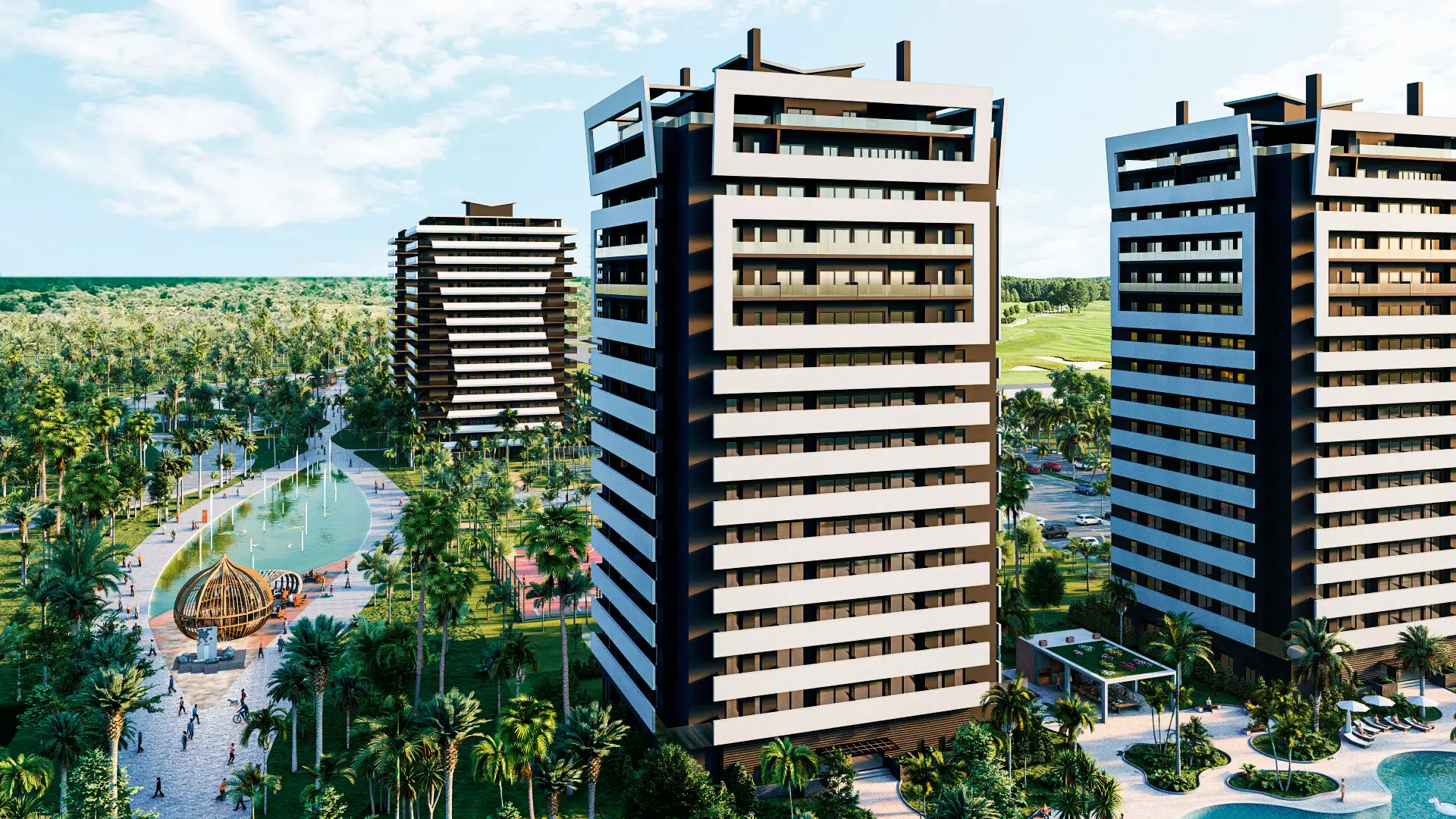
At Larimar City & Resort, this philosophy materializes through planning where nature is part of the city's own structure. The project incorporates a large 160,000-square-meter Central Park, a network of interconnected green boulevards and more than 20 kilometers of pedestrian routes and bike lanes that let you move through the complex without ever leaving the landscaped spaces. Added to this are more than 60 hectares of landscape linked to the golf course and architecture conceived to coexist with the natural environment, reinforcing an urban model where sustainability and well-being move forward hand in hand.
Invisible technology, or innovation you don't see at first glance
When people talk about Smart Cities, it's common to think of complex technologies or futuristic systems. However, true urban innovation often goes unnoticed. Smart cities stand out not only for incorporating technology, but for using it strategically so that services work more efficiently and sustainably.
This kind of optimized resource management—connected infrastructure, smart lighting systems and energy- and water-harvesting solutions—improves how the city works without altering residents' experience. Technology stops being a visible element and becomes a tool integrated into urban design, capable of increasing efficiency, reducing consumption and fostering a better quality of life.
In this sense, Larimar City & Resort bets on a model where innovation is part of the planning from the outset. Instead of adding technology to an existing city, the goal is to build a city conceived and prepared from the very first moment to face the challenges of the future.
Written by
Larimar City & Resort
Featured projects
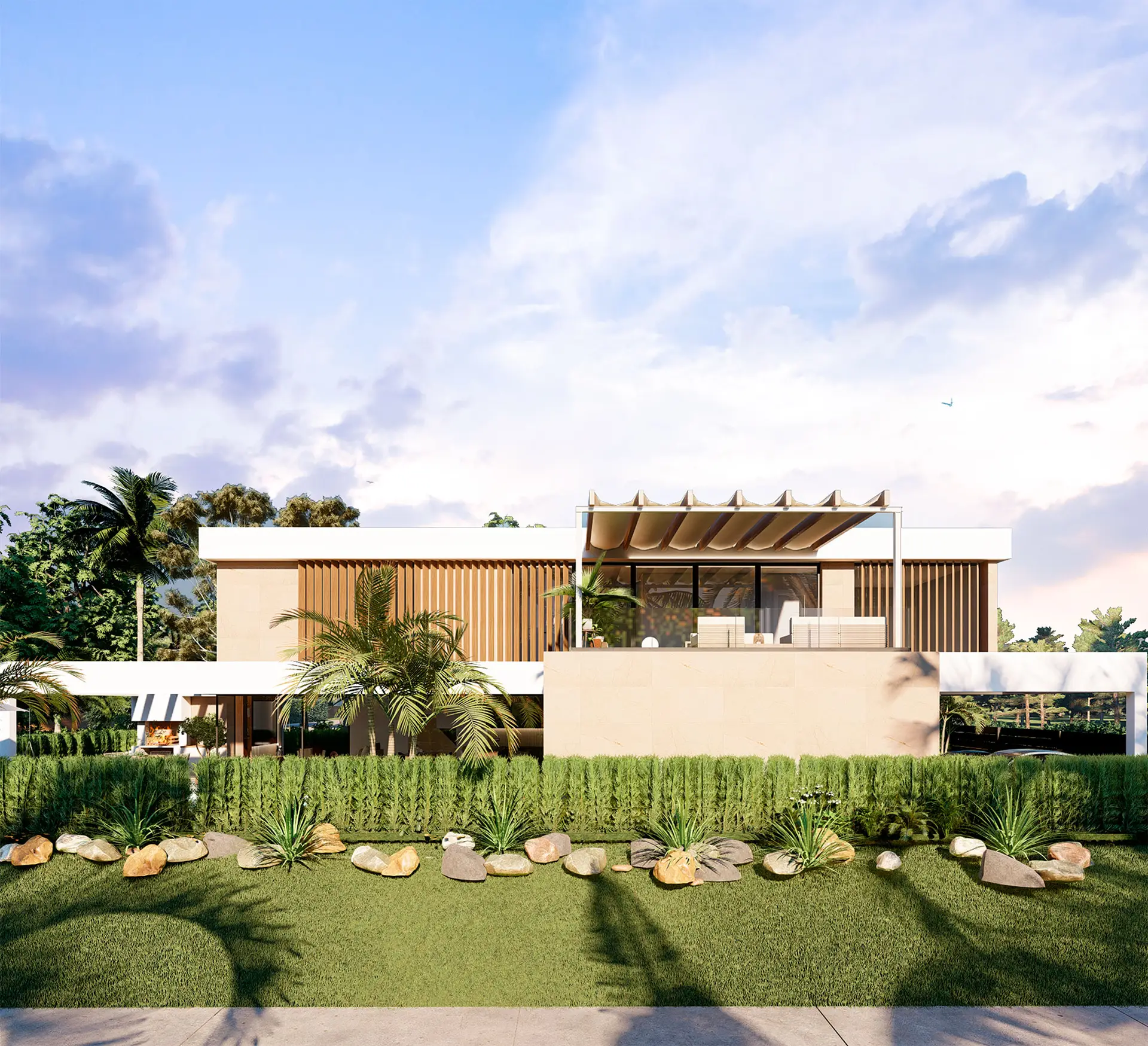
Explore the residential projects of Larimar City mentioned in this article.
Smart Investment
Join the first Smart City in the Caribbean. Discover how Larimar City redefines safety and property value in Punta Cana.
Request information