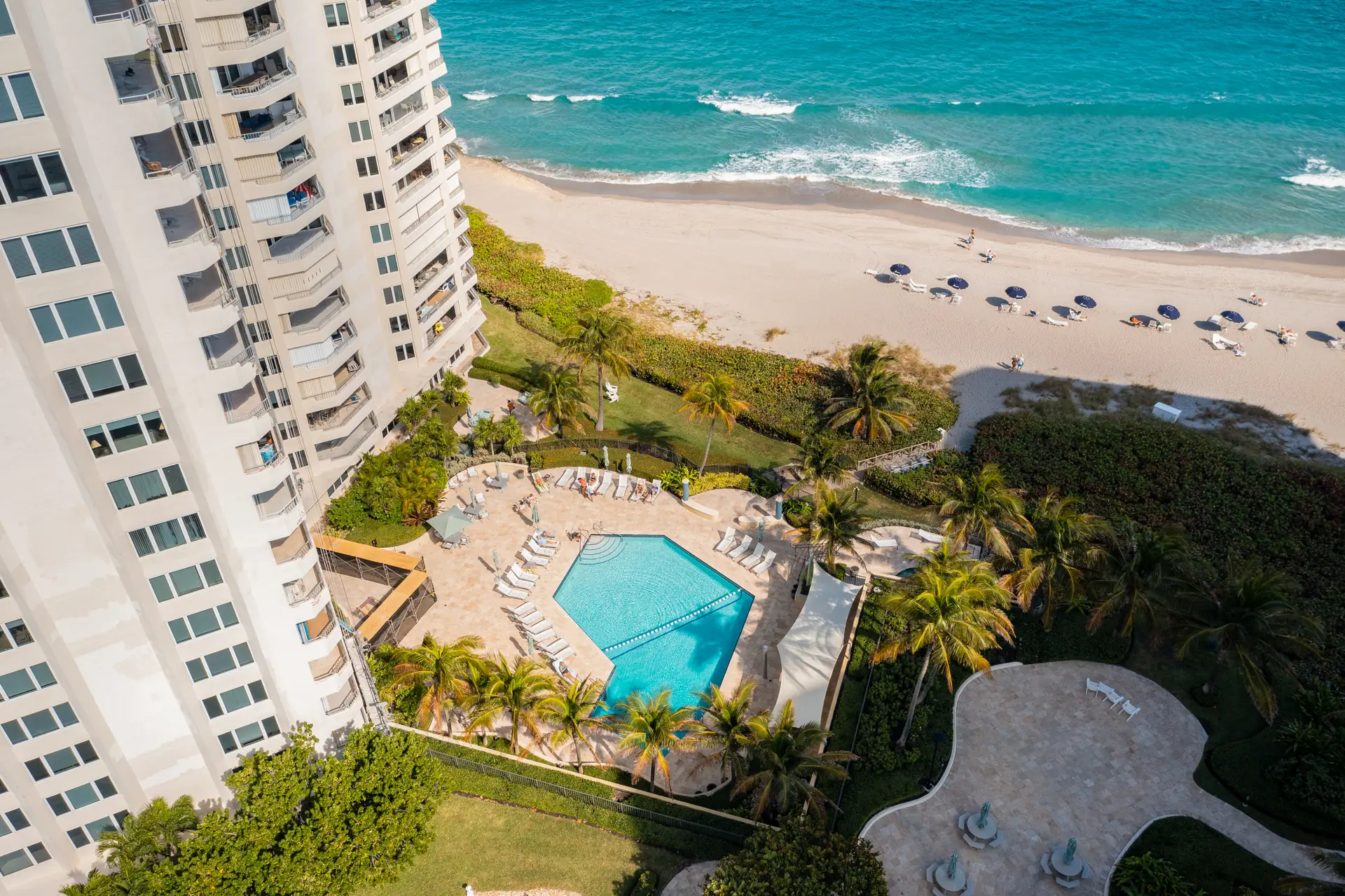
Dominican Republic: The Data Behind an Investment Opportunity
 Macarena Perona · Communications Director
There are figures worth looking at with a certain perspective. Not so much for the specific number, but for what they begin to sketch out when you look at them all together.
The Ministry of Tourism of the Dominican Republic has published the results for July 2026, and we believe they offer a particularly interesting reading for those of us who follow the country's evolution from a business and investment standpoint.
In July, 921,718 tourists arrived in the Dominican Republic, 6.7% more than a year ago and 13.6% more than in 2024. But there is one comparison we find far more significant: that is 55.9% more tourists than in July 2019.
And when we widen the period, the trend is confirmed.
Between January and July, the Dominican Republic welcomed 5,885,259 tourists, 9.4% more than in 2025 and 41.2% above the 2019 figures. If we add cruise passengers, that is already 7,700,118 visitors in seven months, 59.6% more than in the same period of 2019.
These are tourism figures, yes. But they are also economic figures.
Because behind every person who arrives there is accommodation, dining, transport, leisure, retail, services, employment and consumption. There is an economy growing around those millions of visitors, and a clear need to keep developing infrastructure capable of keeping pace with that growth.
And if we zoom in from the Dominican Republic to Punta Cana, the reading becomes even more interesting.
Punta Cana airport handled 537,204 passengers in July, 58% of all tourist arrivals by air in the country. That is 5% more than in 2025, but above all 72% more than in 2019.
Punta Cana is not just growing. It is consolidating.
It also seems important to look at where that growth comes from. The United States remains the main market, with 48% of foreign tourists, but alongside it appear Canada, Argentina, Colombia, Puerto Rico, Mexico, the United Kingdom and Spain.
And some markets are growing very strongly: Colombia by 41%, Spain by around 30%, Brazil by 30%, Peru by 28% and Chile by 23%.
For anyone analysing an investment linked to a tourist destination, that diversification matters too. The more markets feed demand, the broader the base on which the destination keeps growing.
But there is one part of the report that we believe connects especially with what we are developing at Larimar City & Resort.
89% of tourists prefer sun and beach destinations, 80% use social media to learn about the destination, and six out of ten take part in activities outside their accommodation. Moreover, 84% say they would repeat those experiences.
The tourist arriving in the Dominican Republic today does not just want to sleep in a hotel. They want to go out, explore, eat, shop, play sport, discover places and live experiences.
And that is probably one of the keys to the future of Punta Cana and the Dominican Republic.
For years we have talked mainly about tourism. Now we are also beginning to talk about city, services and new ways of living tourist destinations.
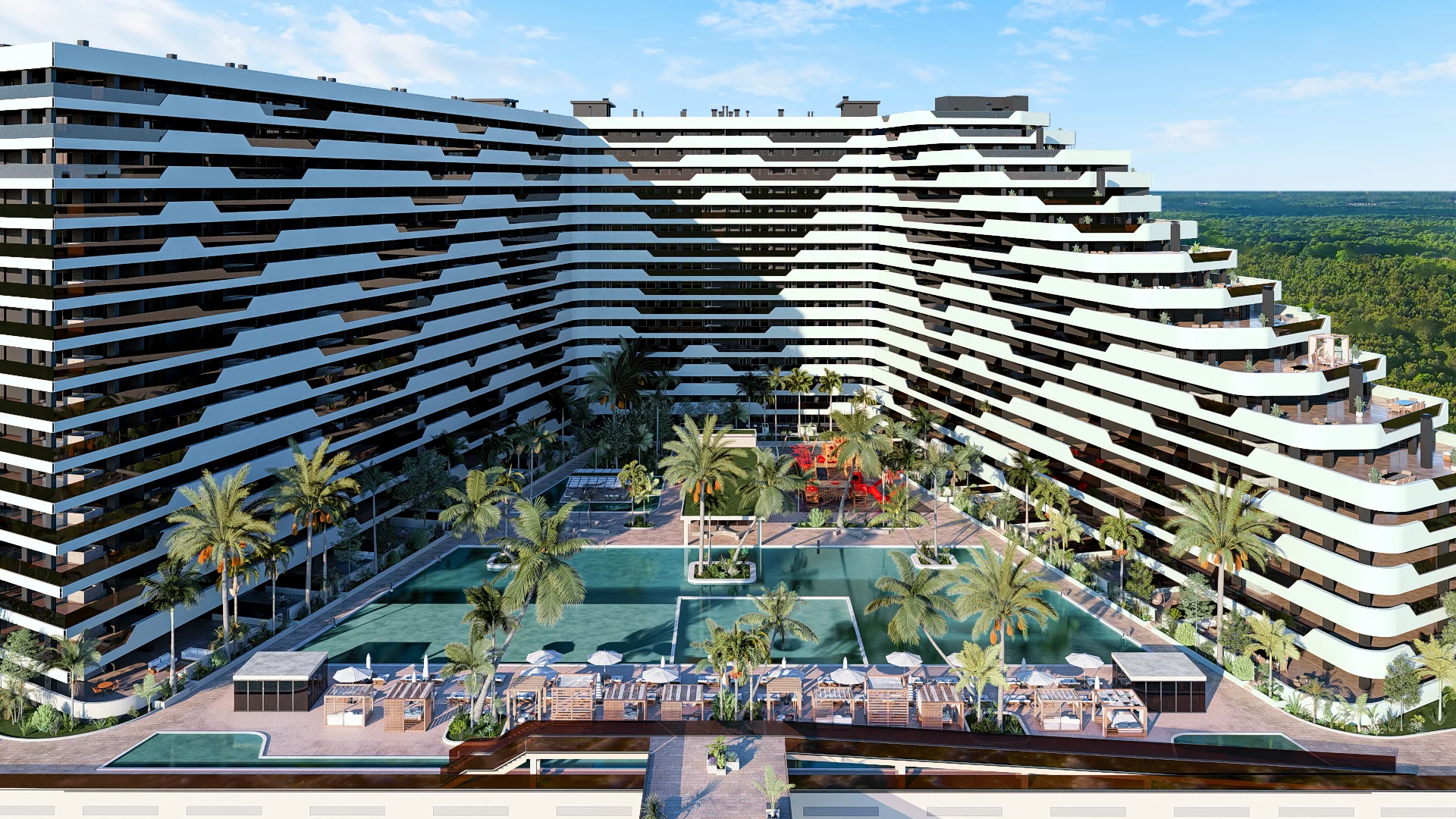
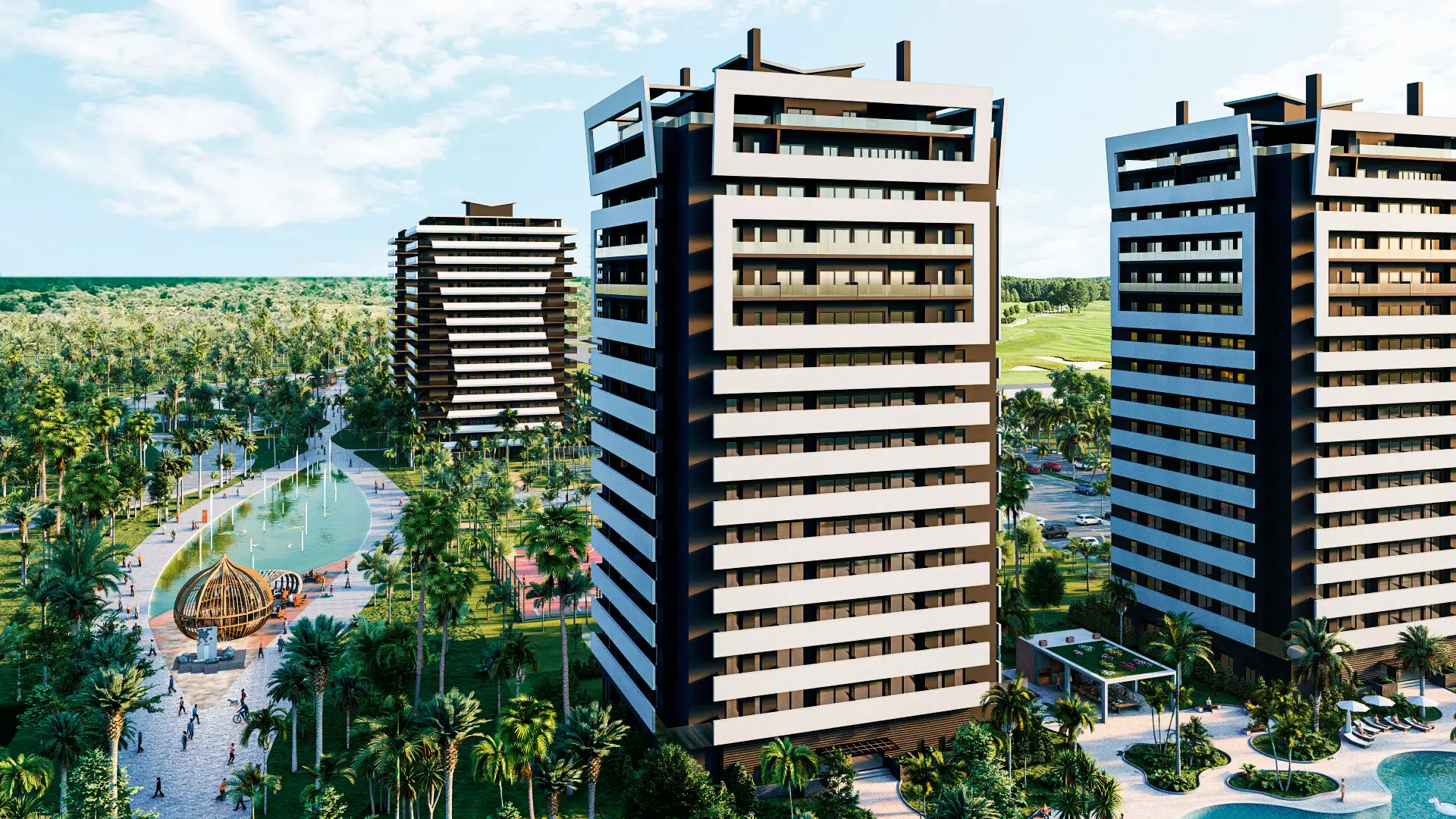
Larimar City & Resort starts precisely from that idea. Not just building homes, but creating a destination city where residence, leisure, dining, sport, wellness, retail and nature coexist within a single project.
Occupancy data also supports this evolution. In July, national hotel occupancy reached 76%, while Bávaro-Punta Cana reached 80%. Added to this is air connectivity that keeps growing: between January and July, 44,383 flights arrived in the country, 6.7% more than in 2025 and 23.1% more than in 2019.
Source: MITUR data.
That is the reflection worth making when we talk about real estate investment in the Dominican Republic.
It is not only a matter of asking how much Punta Cana is growing today, but what Punta Cana will need if it keeps growing at this pace.
More than seven million visitors in seven months, more connectivity, new international markets, high occupancy levels and a tourist who increasingly demands experiences outside their accommodation.
Larimar City & Resort is being built in the midst of that transformation.
And perhaps that is one of the best ways to explain our investment thesis: we did not just choose where to build. We tried to understand where the country is growing and what city it will need tomorrow.
Because investing is also that: knowing how to read today the signs of what is still to come.
Written by
Macarena Perona
Communications Director
Featured projects
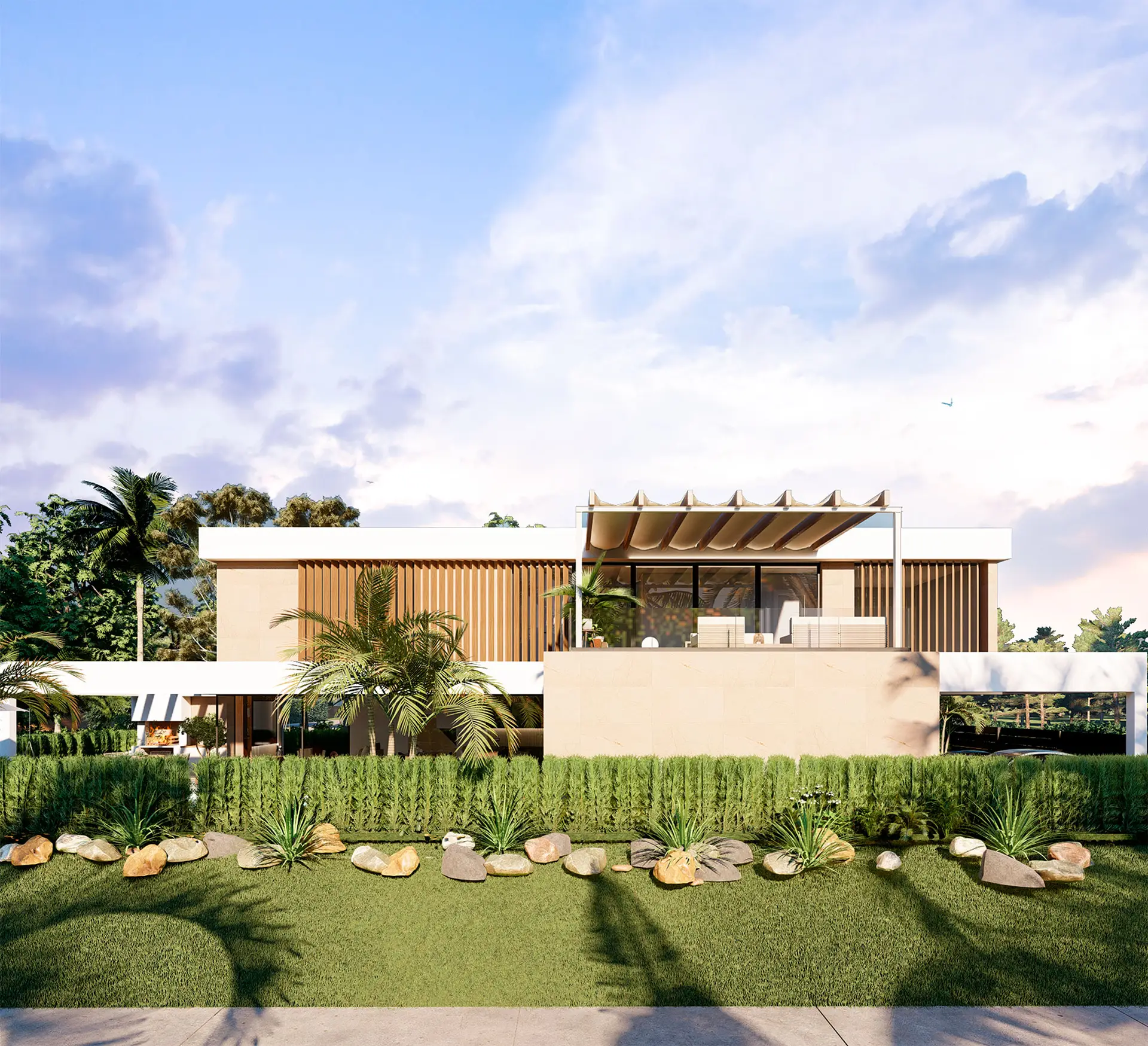
Explore the residential projects of Larimar City mentioned in this article.
Smart Investment
Join the first Smart City in the Caribbean. Discover how Larimar City redefines safety and property value in Punta Cana.
Request information