How Tourism in the Dominican Republic Is Changing in 2026
World Tourism Day is celebrated every 27 September, a date that puts the spotlight on the evolution of one of the most important sectors in the Dominican Republic. The figures published by the Ministry of Tourism through August make it possible to identify some of the trends shaping 2026.
The country is not only continuing to welcome more visitors, it is also broadening its source markets and consolidating destinations such as Punta Cana. At the same time, the way people choose a destination is changing, with social media and the experience travellers find once they arrive carrying more and more weight.
The data therefore paints a picture in which Dominican tourism growth goes beyond the number of arrivals and shows how the profile and behaviour of those who choose the Dominican Republic are evolving.
More than 8.5 million visitors through August
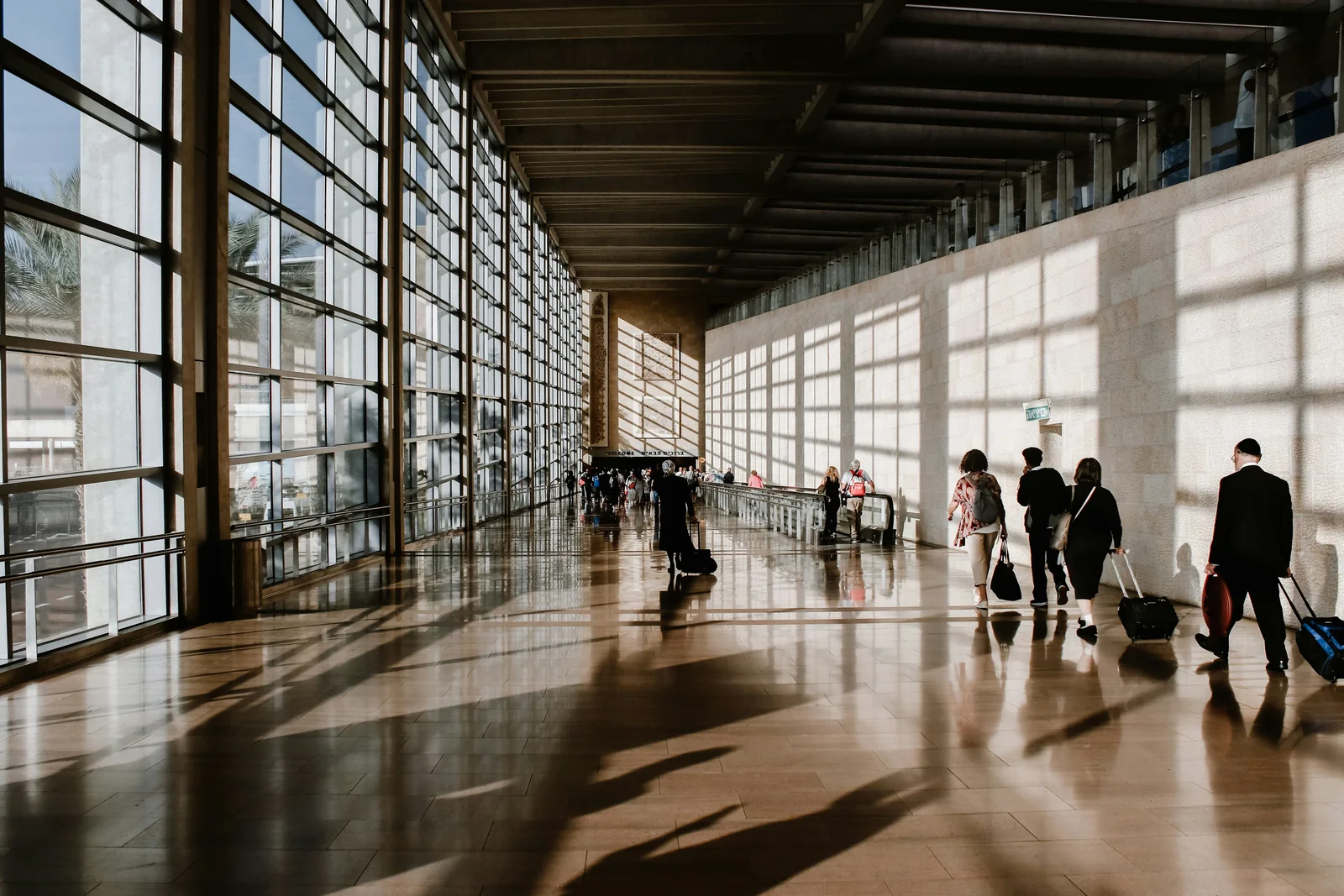
The Dominican Republic welcomed more than 8,550,000 visitors between January and August 2026, almost 7% more than during the same period the previous year. A figure that keeps the country on the growth path recorded in recent years and brings the goal of exceeding 12 million visitors by year-end within reach.
Air tourism continues to carry fundamental weight. During the first eight months of the year, 6,600,000 tourists arrived by air, more than half a million above the figure recorded in the same period of 2025. Compared with 2019, the difference is now approaching two million tourists.
August reflected this trend once again. The country received 725,000 tourists by air, the highest figure recorded to date for an August. That represents growth of 2.6% compared with 2025 and 46% compared with the same month in 2019.
Who is travelling to the Dominican Republic?
This growth also shows how the origin of visitors is changing. North America remains the main market for the Dominican Republic and accounted for 56% of international air arrivals in August, followed by South America with 21%, Europe with 15% and Central America with 8%.
The United States maintains a leading position and represents 44% of the total. However, some of the strongest growth is coming from other markets. Canada advanced 16% compared with the previous year and Colombia, the third source country in August, grew 20%. Mexico also stands out, with an increase of 24%.
Particularly significant is the performance of Spain, which represented 4% of arrivals during August and recorded year-on-year growth of 26%. The data thus reflects international demand increasingly spread across different markets, although the United States continues to hold a predominant position.
Punta Cana remains the main gateway

Within this general evolution, Punta Cana maintains its prominence as one of the country's great tourism engines. In August, 49% of tourists arriving by air did so through Punta Cana International Airport, ahead of Las Américas with 29% and Cibao with 14%.
The figure confirms the weight the destination continues to carry within Dominican tourism. Its international connectivity and broad tourism offering allow Punta Cana to keep concentrating a significant share of the travellers arriving in the country.
Added to this is a hotel occupancy that in August stood at around 69% in Punta Cana, in a month that forms part of the destination's low season. Across the Dominican Republic as a whole, occupancy stood at approximately 68%.
Social media is changing how people choose a destination
The growth of the Dominican Republic also coincides with a transformation in the way travellers discover and choose their holidays. The internet and social media carry more and more weight during that process.
According to data presented by the Ministry of Tourism, 81% of tourists surveyed used or saw social media content to learn about the destination, while 60% said advertising had influenced their decision to travel.
Among the platforms where visitors had seen advertising for the Dominican Republic, Instagram stands out with 58%; Facebook with 42%; YouTube with 38%; and TikTok with 29%. These figures show the importance digital channels have acquired in projecting the country's image toward international markets.
An experience that invites people to return
Alongside the growth in arrivals, another indicator that helps explain the evolution of Dominican tourism is the experience of those who visit the country.
90% of tourists surveyed during August said they would return to the Dominican Republic. Gastronomy also appears as one of the best-rated elements of the stay: 88% reported having had a good culinary experience in the country.
These figures add to the evolution we already covered in our analysis of the data that makes the Dominican Republic an investment opportunity.
Punta Cana and Larimar City facing evolving demand
The 2026 data shows Dominican tourism continuing to grow, but also demand that is diversifying. Visitors arriving from new markets, the weight of digital channels and the growing importance of the experience at the destination paint a picture different from traditional holiday tourism.
This evolution is especially relevant for Punta Cana. Its position as the country's main air gateway places it at the centre of international demand that seeks not only accommodation and beaches, but also leisure, gastronomy, services and new ways to enjoy and stay at the destination.

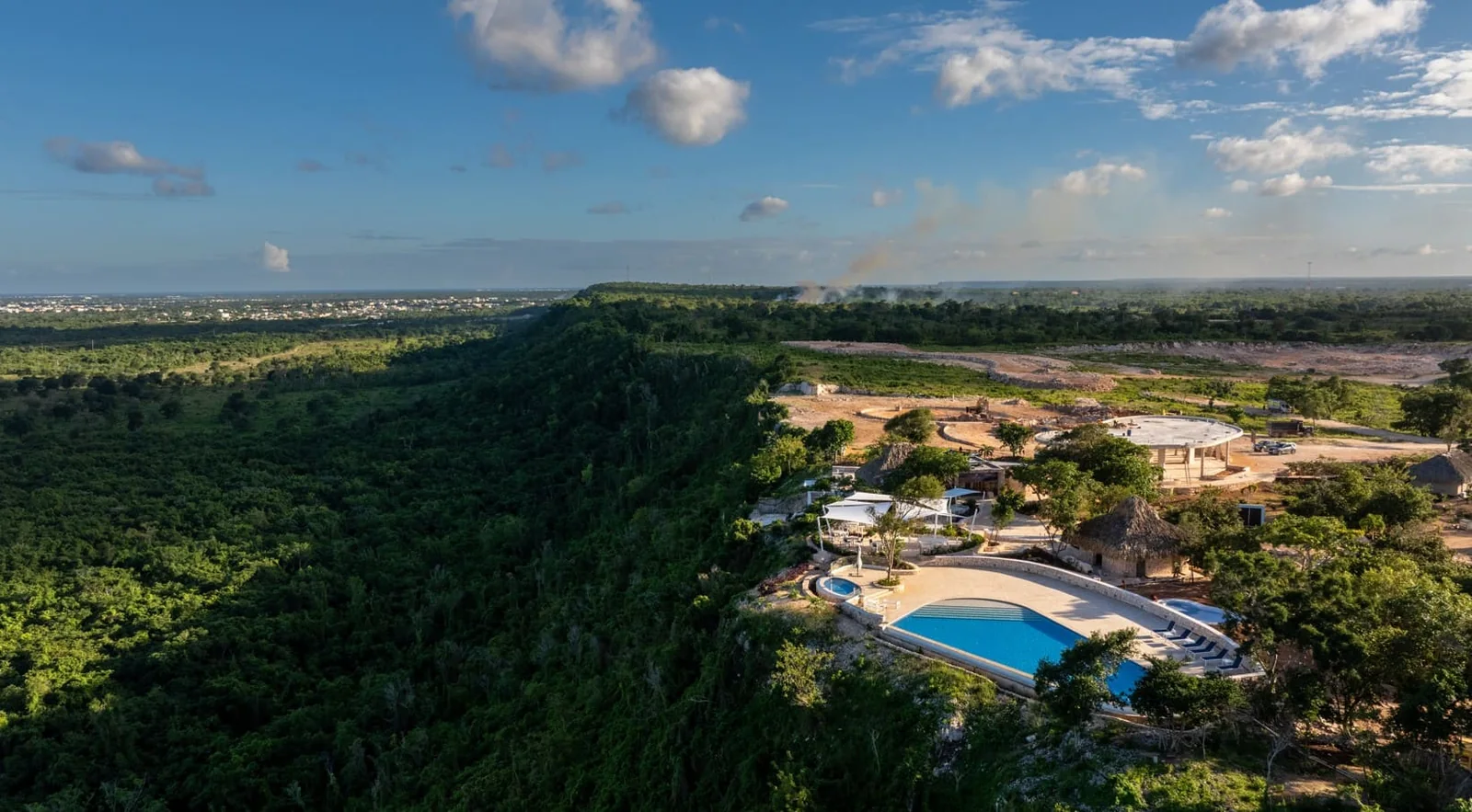
It is in this favourable, growing context that Larimar City & Resort is being developed, a project that integrates housing, leisure, services, nature and wellbeing within a single environment. A proposal connected to the evolution of Punta Cana and to a tourism landscape where visitors, residents and investors coexist with different needs and different ways of relating to the destination.
Featured projects
Explore the residential projects of Larimar City mentioned in this article.



Smart Investment
Join the first Smart City in the Caribbean. Discover how Larimar City redefines safety and property value in Punta Cana.
Request information