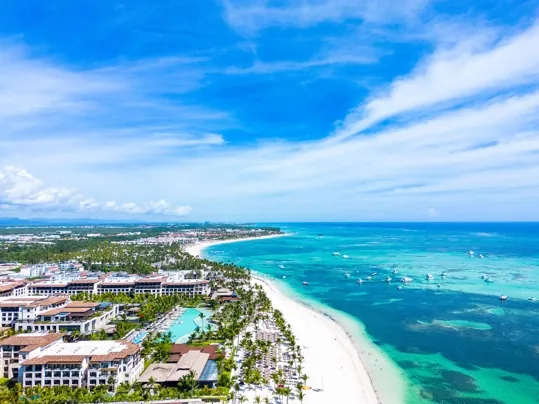
The Dominican Republic Breaks Its Visitor Record: The Connectivity Driving a New Era for Punta Cana
 Macarena Perona · Communications Director
There are destinations we get to know once and others we find reasons to return to.
The Dominican Republic seems to be moving firmly into that second category. During the first half of 2026, the country welcomed 6.6 million visitors, setting a new record for that period. The figure confirms the strong moment Dominican tourism is enjoying, but it also reveals something more interesting: it is becoming easier to arrive, to return and to keep a frequent relationship with the country.
Because behind every tourism record there is something the statistics do not always tell.
There are people who arrived for the first time on holiday and came back months later. Families who began to spend longer periods here. Professionals who discovered they could work a few days facing the Caribbean. Entrepreneurs who found opportunities. People who decided to have a second home and others who simply began to imagine what it would be like to live here.
In that shift, air connectivity is playing a fundamental role.
The Dominican Republic continues to draw closer to Europe, North America, Latin America and the rest of the Caribbean through new routes, greater frequencies and airport infrastructure that keeps pace with the country's growth.
And Punta Cana sits at the centre of that transformation.
When returning becomes easier
The first trip to the Caribbean usually begins with an image.
The sea. The temperature. The palm trees. The feeling of completely changing your surroundings for a few days.
But the relationship with a destination starts to change when returning no longer feels like something exceptional.
Greater connectivity makes it possible to travel several times a year, arrange longer stays or combine periods between different countries. It also makes something as everyday as hosting relatives, returning for work reasons or deciding on a getaway with greater flexibility much easier.
That change is happening in the Dominican Republic.
One of the most recent examples came from Spain. During FITUR 2026, Iberia and the Dominican Ministry of Tourism announced an agreement to increase air connectivity between the two countries by 30 %, with a schedule of up to two daily flights and 14 weekly frequencies.
Beyond the number of flights, the announcement speaks of a relationship that continues to grow closer.
Spain and the Dominican Republic share historical and cultural ties, but also business, tourism and family ones. Madrid also works as a gateway to other European cities.
For someone who divides their life between both sides of the Atlantic, that frequency can represent something very simple and, at the same time, very valuable: having more chances to choose when to come and when to return.
Punta Cana: when a destination begins to feel like a place to live
Punta Cana helps to understand this evolution especially well.
For decades, its name was associated internationally with holidays, beaches and large hotel complexes. That identity remains one of its greatest assets, but around it a much broader reality is taking shape.
Today Punta Cana is also restaurants, supermarkets, medical centres, schools, sports spaces, residential projects, companies, international communities and new urban developments.
The destination continues to welcome travellers while building the conditions for a life that can extend beyond a holiday stay.
And here the airport takes on another dimension.
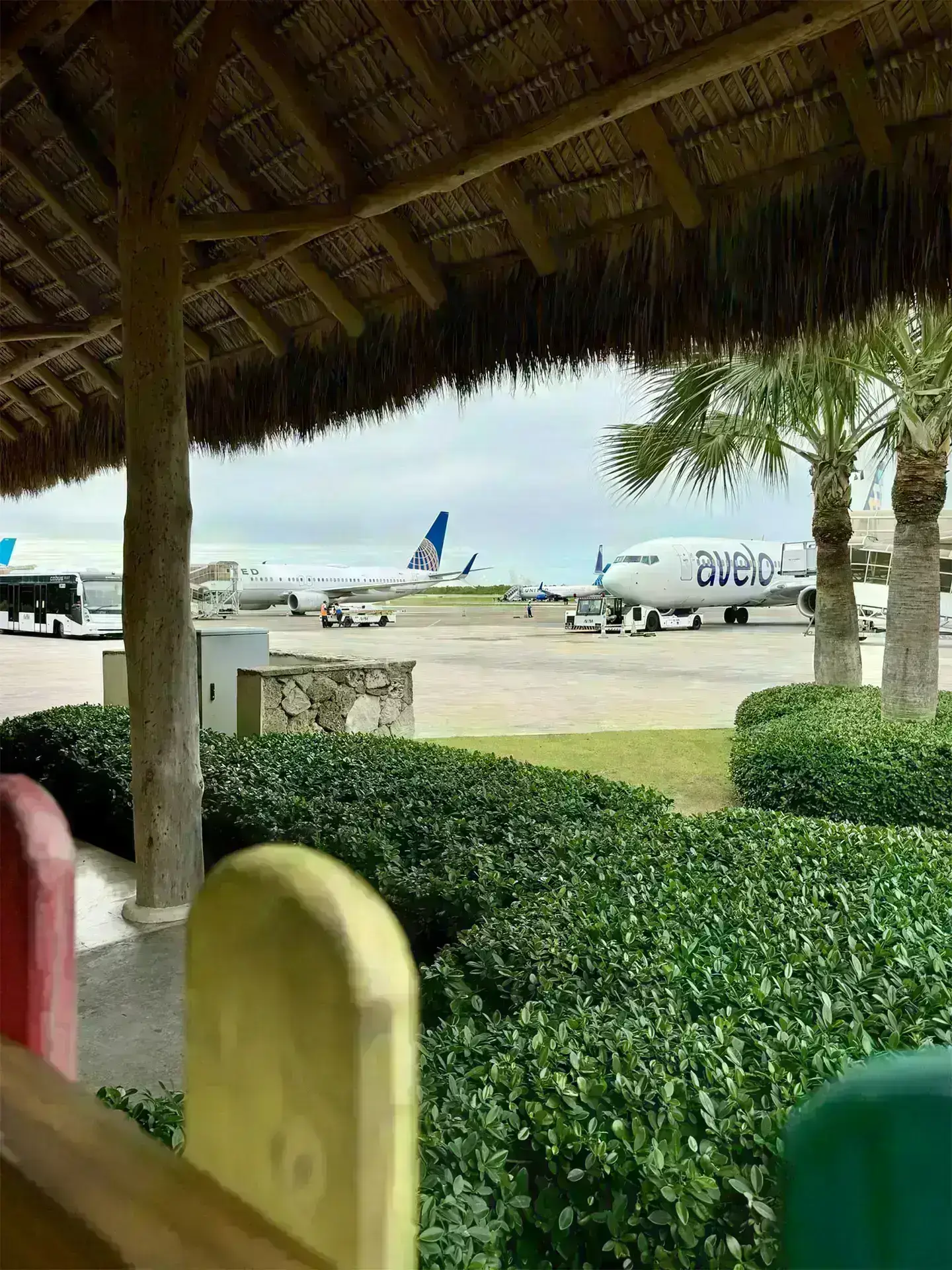
Punta Cana International Airport currently connects the destination with dozens of international cities. From Europe to the United States, Canada and Latin America, its air network allows those who live or spend long periods in the area to keep a smooth connection with other places.
In July 2026, the terminal also continued to advance its improvement programme with the partial resumption of check-in operations at Terminal A, as part of the process of upgrading its facilities.
The airport grows because Punta Cana grows.
And both are evolving at the same time.
Distance is no longer measured only in kilometres
There is something interesting in the way we choose where to live today.
For a long time, our home was inevitably tied to the place where we worked. The office, business and professional responsibilities defined much of the map of our life.
That map has become far more flexible.
Remote work has allowed certain professionals to carry out their activity from different cities. Entrepreneurs operate across markets. Many families have members living in different countries. And more and more people build a life that unfolds across several places.
In that context, distance takes on a different meaning.
Madrid and Punta Cana are separated by thousands of kilometres, yet a direct flight can make that relationship simpler than the one between other destinations that are geographically closer but poorly connected.
The same is true for cities in the United States, Canada and Latin America.
Connectivity transforms our perception of the map.
And for a residential destination, that matters.
A life that can happen between two places
Imagine a couple who live part of the year in Europe and spend periods in Punta Cana.
Or a family whose children study outside the Dominican Republic.
An entrepreneur who needs to travel regularly.
A professional who works remotely but keeps in-person meetings in another country.
Someone who buys a second home and wants to enjoy it several times a year.
In all these cases, the airport stops being only the beginning and the end of a holiday.
It becomes part of life.
Being able to arrange a trip easily allows two places that seemed very far apart to begin to coexist within the same routine.
A week can begin in Punta Cana and end in Madrid. A meeting may require a few days in Miami before returning to the Caribbean. Relatives can arrive during the holidays. Friends can plan a visit.
International life becomes more natural when the place we choose is connected.
The Caribbean can also be a starting point
This perspective even changes a deeply rooted idea about the Caribbean.
For years, we thought of it mainly as a final destination: the place you arrive at to rest.
Today it can also work as a starting point.
From the Dominican Republic it is possible to keep connections with major cities in the Americas and Europe, while the expansion of regional routes continues to bring the country closer to Latin America and other Caribbean territories.
That makes it possible to build a life where Punta Cana can be the base from which many other things happen.
Working. Travelling. Hosting visitors. Doing business. Discovering other destinations. And returning home.
For those who value an international life, this possibility adds a new dimension to the appeal of the Caribbean.
What happens around an airport that connects the world
Connectivity also transforms cities.
An international airport generates movement, and that movement creates new needs.
Those who arrive need services. Those who stay longer need housing. Families require education and healthcare. Companies find new markets. Gastronomy evolves. Spaces for leisure, commerce and sport appear.
Little by little, the territory becomes more complete.
That helps explain part of what is happening in Punta Cana.
Its tourism success created the foundations for international infrastructure. That infrastructure continues to drive new services and developments. And that evolution allows more and more people to imagine a different relationship with the destination.
Tourism remains the great engine, while around it an increasingly diverse urban life is taking shape.
From visiting Punta Cana to being part of it
Perhaps that is one of the most interesting changes hidden behind the 2026 tourism record.
Among the millions of people who arrive each year, some will return.
And among those who return, there will be some who begin to look at Punta Cana in a different way.
First they discover a beach.
Then a restaurant.
On another trip they get to know the area better.
They start to recognize places.
They meet people.
They discover what it would be like to work from here.
They wonder what it would be like to spend several months.
And at some point, an experience that began as a trip can turn into a much closer relationship with the destination.
Connectivity makes precisely that transition easier.
It allows Punta Cana to remain accessible even when life continues to happen in other places.
Larimar City: a city within a connected life
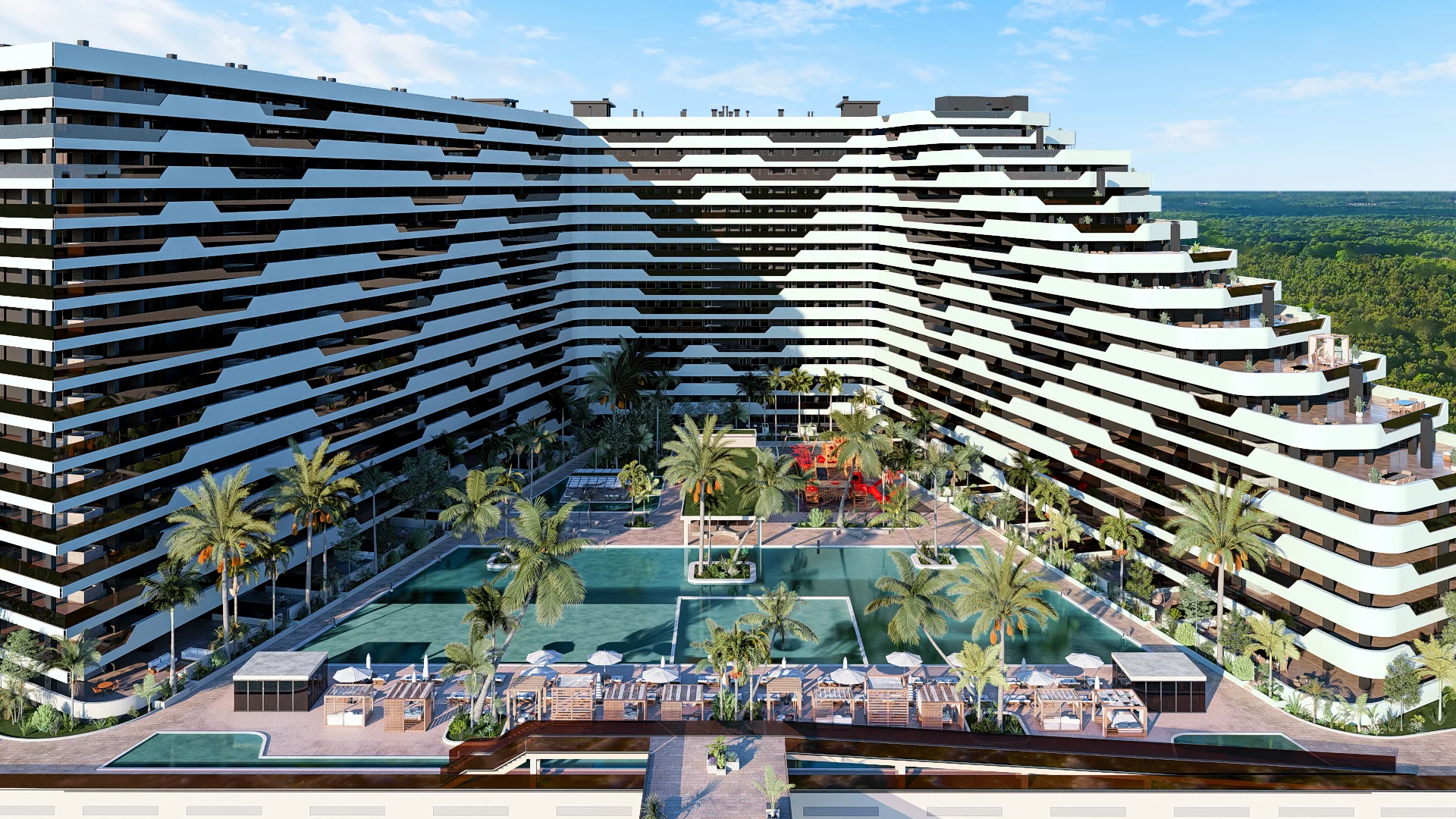
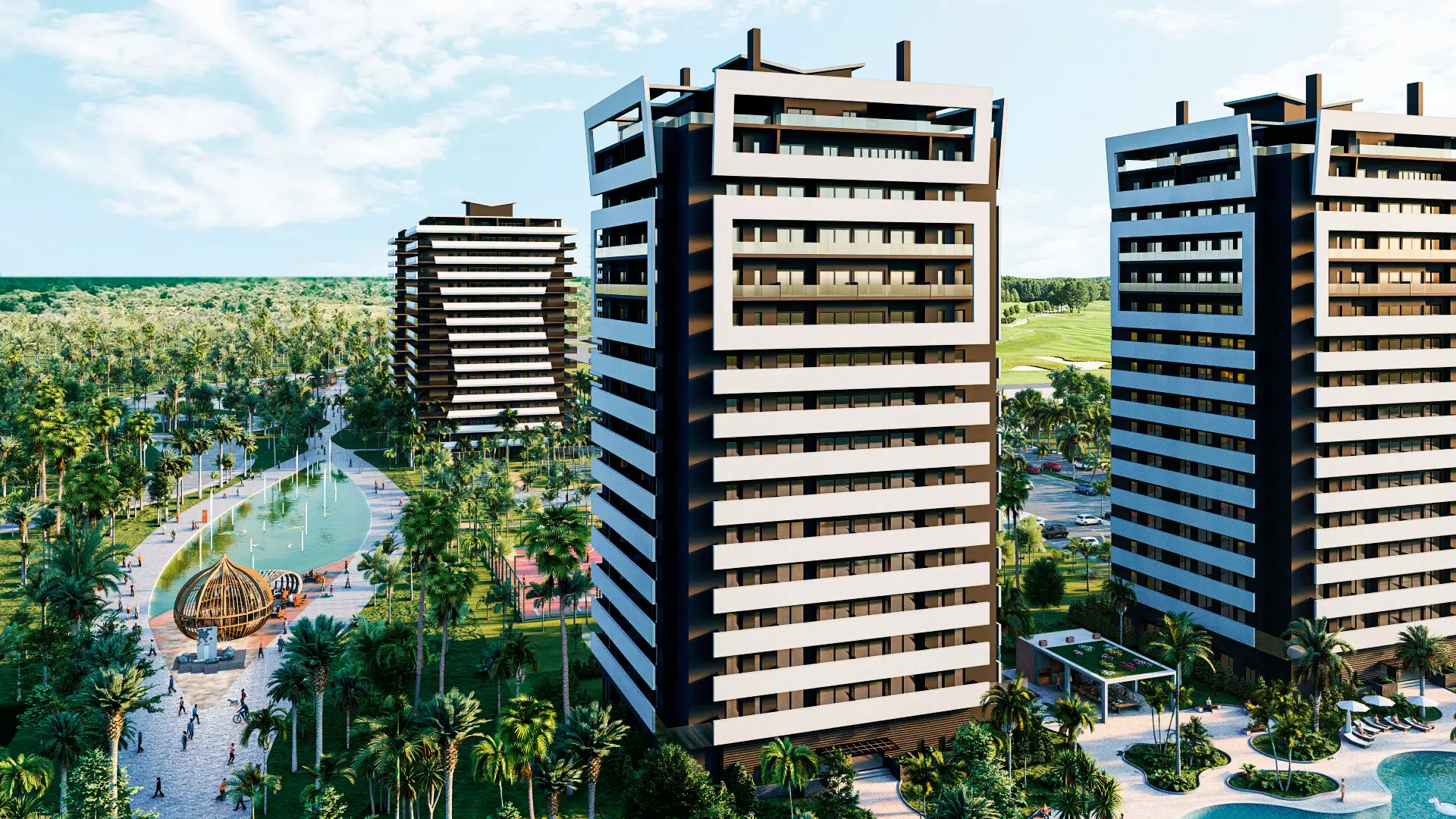
It is in this new reality that Larimar City & Resort finds an especially natural connection with the moment Punta Cana is living.
Larimar is born as a planned city to integrate housing, nature, sport, wellbeing, services, leisure and community spaces within a single environment.
But a contemporary city also needs to be connected to what happens outside it.
Punta Cana's proximity to one of the main international air gateways of the Caribbean broadens the possibilities for those who imagine their life in Larimar.
For an international family, it means being able to keep frequent ties with other countries.
For a professional, it makes it easier to combine a life in the Caribbean with work commitments in other markets.
For those looking for a second home, it makes it possible to enjoy it at different times of the year.
And for those who wish to settle for longer periods, it allows them to build a life in Punta Cana while keeping their connections with the world open.
Location then takes on a much broader meaning.
It no longer speaks only of what we have nearby.
It also speaks of everything we can stay connected to.
A new era for the Dominican Republic
The 6.6 million visitors welcomed during the first half of 2026 are a snapshot of the extraordinary moment Dominican tourism is going through.
But behind that snapshot there is movement.
New people discovering the country.
Travellers who return.
Routes that expand.
International relationships that grow stronger.
Professionals who can work from new places.
Families who begin to divide their time between different countries.
And tourist destinations that evolve until they also become places to build a life.
Punta Cana is one of the main settings of that transformation.
Its airport connects the Caribbean with the world while, around it, a region with new services, communities and urban projects keeps growing.
Larimar City & Resort is part of that new chapter: a city conceived at a time when living in the Caribbean can coexist naturally with an international life.
Perhaps that is why the great news behind the visitor record is not only how many people are arriving in the Dominican Republic.
It is also how many are finding reasons to return.
Written by
Macarena Perona
Communications Director
Featured projects
Explore the residential projects of Larimar City mentioned in this article.
Smart Investment
Join the first Smart City in the Caribbean. Discover how Larimar City redefines safety and property value in Punta Cana.
Request information