The US Silver Tsunami and the Caribbean real estate market
Retirement can change the way a person thinks about their home. After years shaped by work and family obligations, some people start to ask themselves whether they want to keep living in the same place or would rather spend this new stage of life in another country. Climate, cost of living and the chance to enjoy their free time then become part of the decision.
This shift coincides with the ageing of the US population, known as the Silver Tsunami. For the Caribbean real estate market, the question is how this demographic transformation may influence residential preferences and what needs the housing supply will have to meet in the coming years.
A generation gaining demographic weight
The change is already visible in the figures. In the United States, people aged 65 and over made up 18.9% of the population in 2025, a share that could reach 23.4% by 2060, according to the report An Aging World: 2025, published in 2026 by the US Census Bureau.
This ageing does not mean that all these people will retire abroad. Some will prefer to stay close to their family; others will look for a smaller home or a second residence where they can spend part of the year outside their country. And some will consider moving permanently.
For the real estate sector, these differences matter. Someone buying a home for holidays does not have the same needs as someone who wants to make it their home for much of the year.
Demand that is already present in the Dominican Republic
Interest in living outside the United States is not just a matter of future preferences. US benefit records show that there is already a population of retirees with a registered address in the Dominican Republic. In December 2025, 5,253 retired workers were receiving US Social Security benefits at an address in the country, according to the Annual Statistical Supplement 2026 of the US Social Security Administration.
This figure does not represent all American retirees living in the Dominican Republic, but it does give a concrete reference for the presence of beneficiaries of this system in the country.
For those already developing residential projects in the Dominican market, this demographic trend raises a practical question: what features should a home designed for a long stay have? The answer goes beyond location or an attractive setting. Access to healthcare, mobility, property maintenance and everyday costs also need to be considered.
What buyers look for when they plan to stay longer
When a property is intended for an extended stay, some aspects become more important. The layout of the rooms, accessibility, ease of maintenance and proximity to shops and services can directly affect day-to-day comfort.
Hobbies and social life matter too. Some people will want green spaces nearby for walking; others will prefer sports facilities, restaurants or places to meet other residents. There is no single retiree profile, so the residential offer has to respond to a range of needs.
This potential demand may also be of interest to the long-term rental market. However, identifying an audience does not guarantee higher occupancy or a particular return. The purchase price, upkeep costs, competition and property management remain essential factors when assessing an investment.

The surroundings are part of the home
Choosing where to live means weighing up both the property and what lies around it. Proximity to services, leisure options and ease of getting around can shape the residential experience, especially when it comes to spending several months a year in the same place.
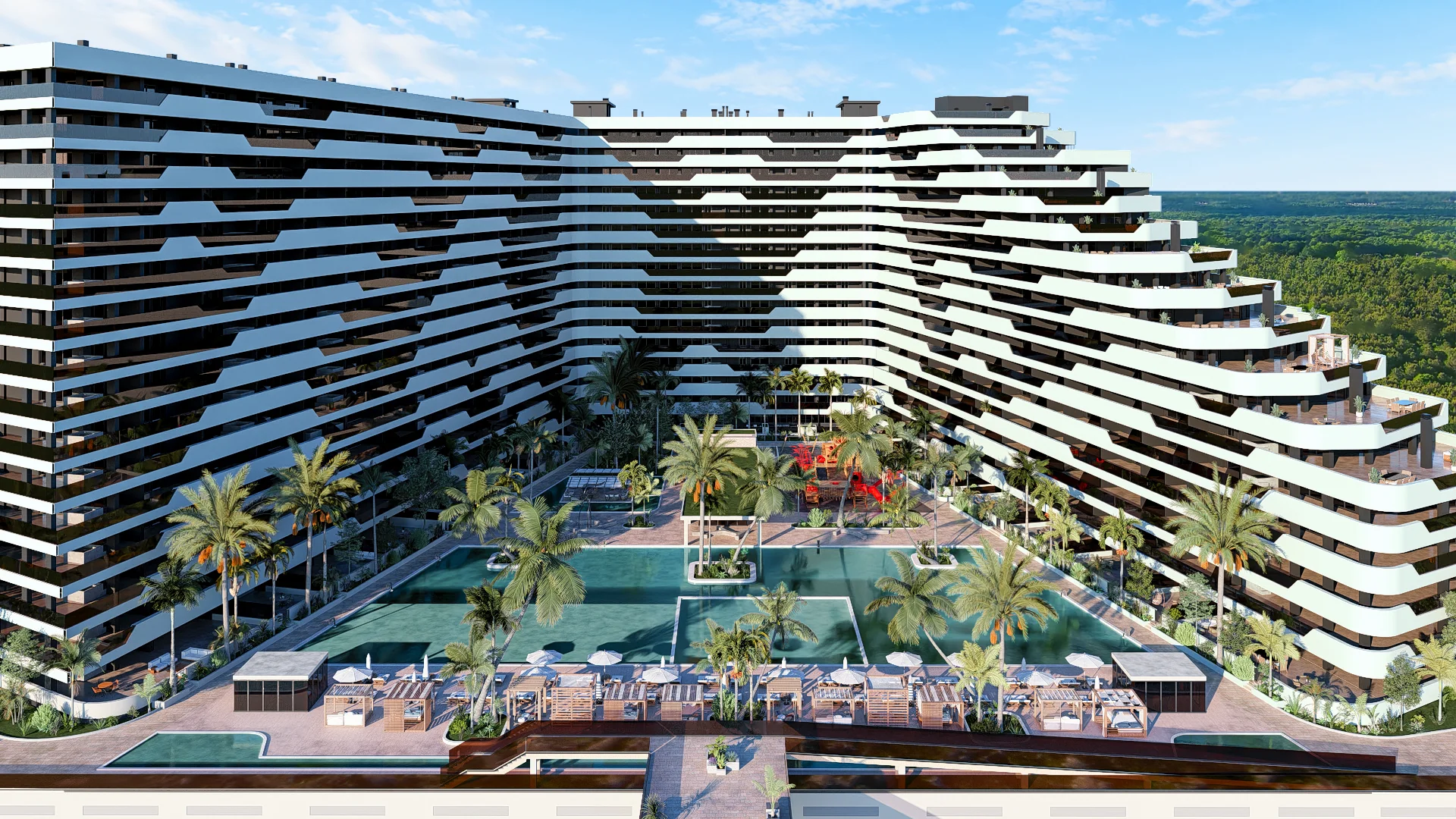
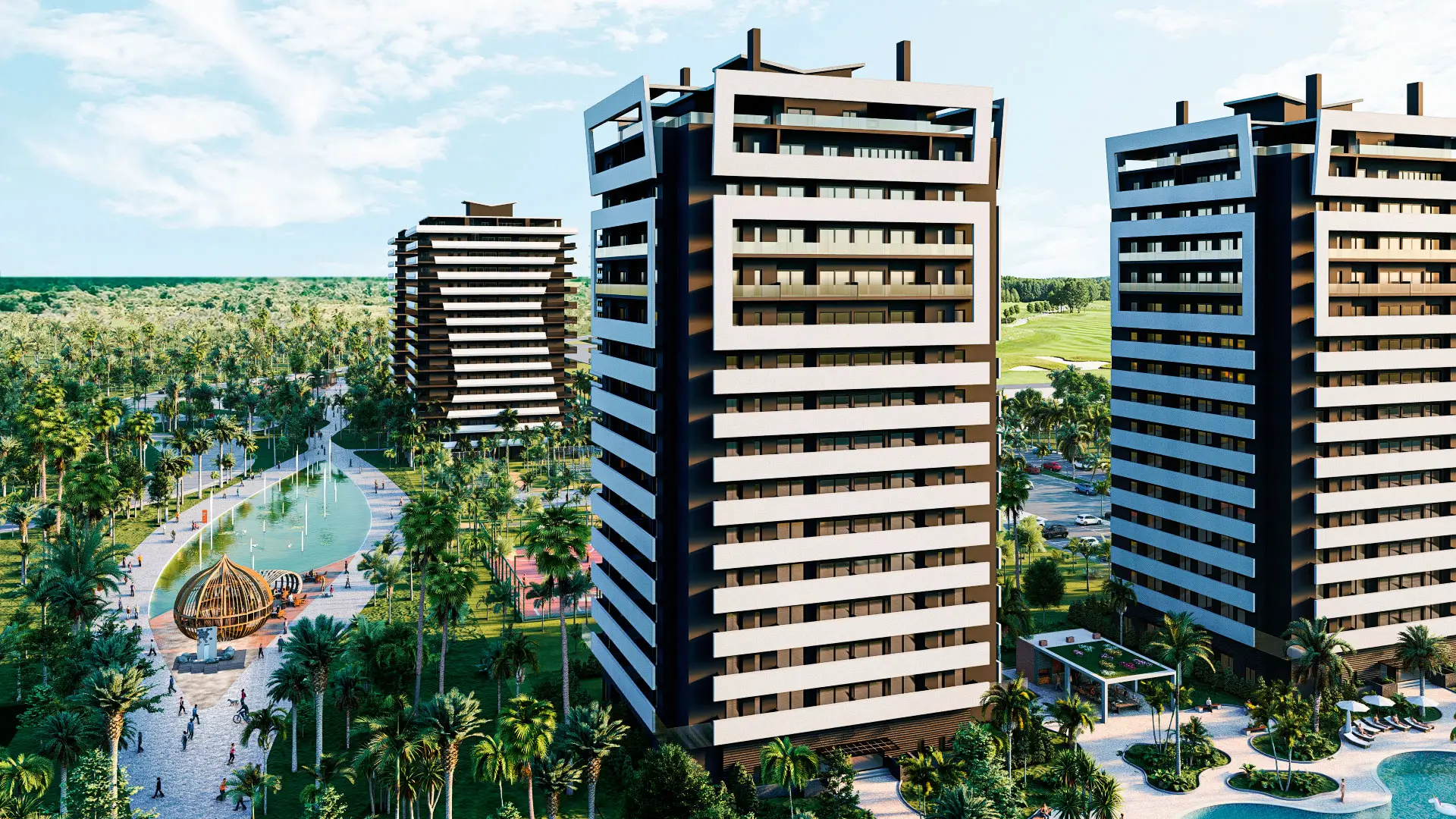
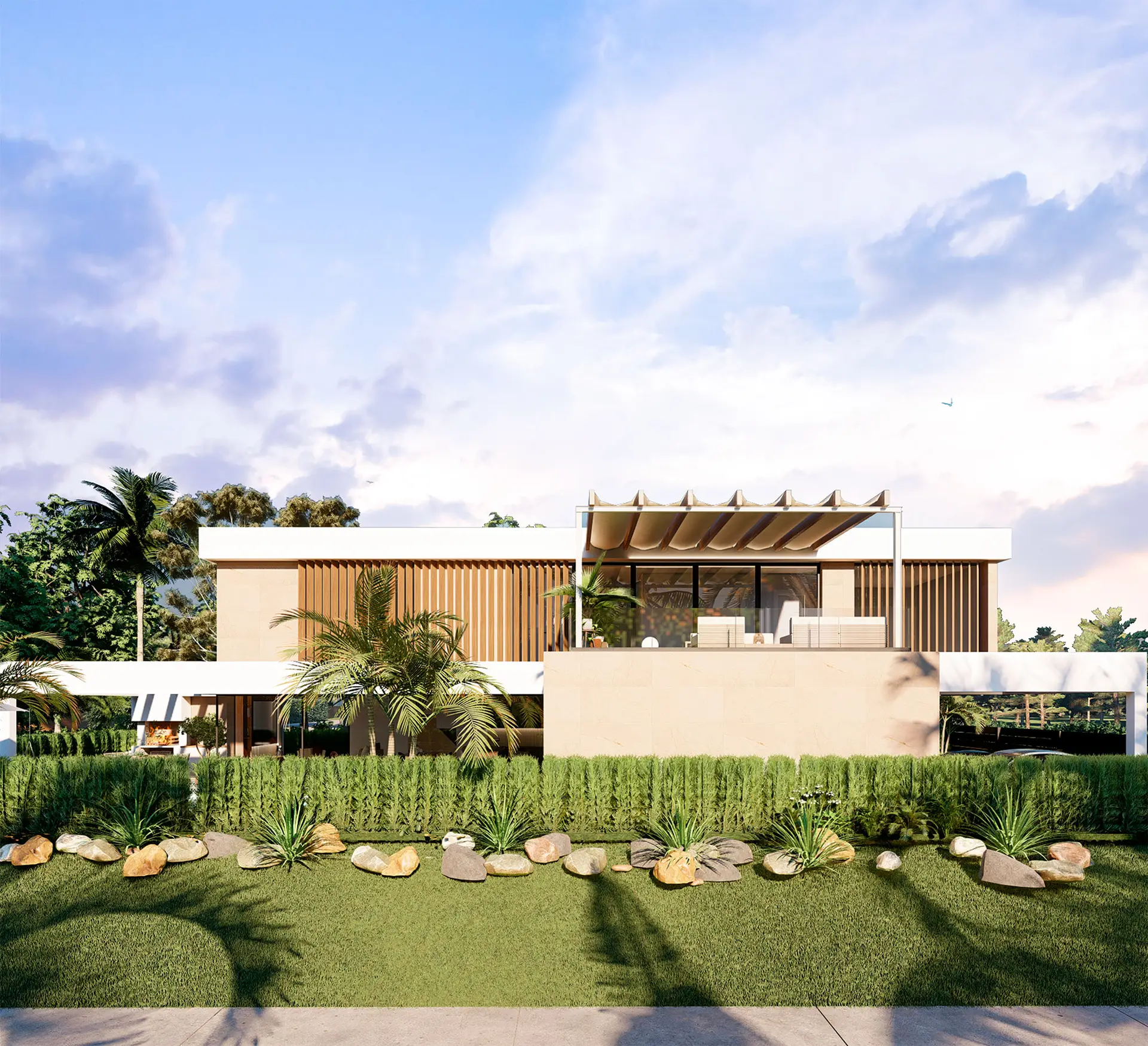
This is also reflected in the urban developments already under construction in Punta Cana. Larimar City & Resort, for example, integrates residential, commercial and leisure uses within its master plan. The relationship between these areas makes it possible to look at a home from a broader perspective than that of a holiday property, although each buyer should assess whether the project meets their specific needs.
For developers, the challenge is to understand what each type of resident expects and how those preferences can be translated into the design of the homes and the organisation of services. Decisions should be based on the real characteristics of demand, not only on demographic forecasts.
What could change in the Caribbean real estate market
The ageing of the US population is a well-established trend, but its impact on the Caribbean residential market will depend on how many people decide to move, which destinations they choose and what kind of home they need.
For companies already developing projects in the region, following this trend can help them better understand international buyers and anticipate changes in their preferences. For investors, it will remain essential to analyse actual demand, prices, costs and competition before making a decision.
Retirement does not follow a single model. Some people will prefer to stay in familiar surroundings; others will look for a new chapter abroad. Understanding that diversity will be key for the Caribbean real estate market to adapt to those looking for more than a holiday home.
Featured projects
Explore the residential projects of Larimar City mentioned in this article.
Smart Investment
Join the first Smart City in the Caribbean. Discover how Larimar City redefines safety and property value in Punta Cana.
Request information