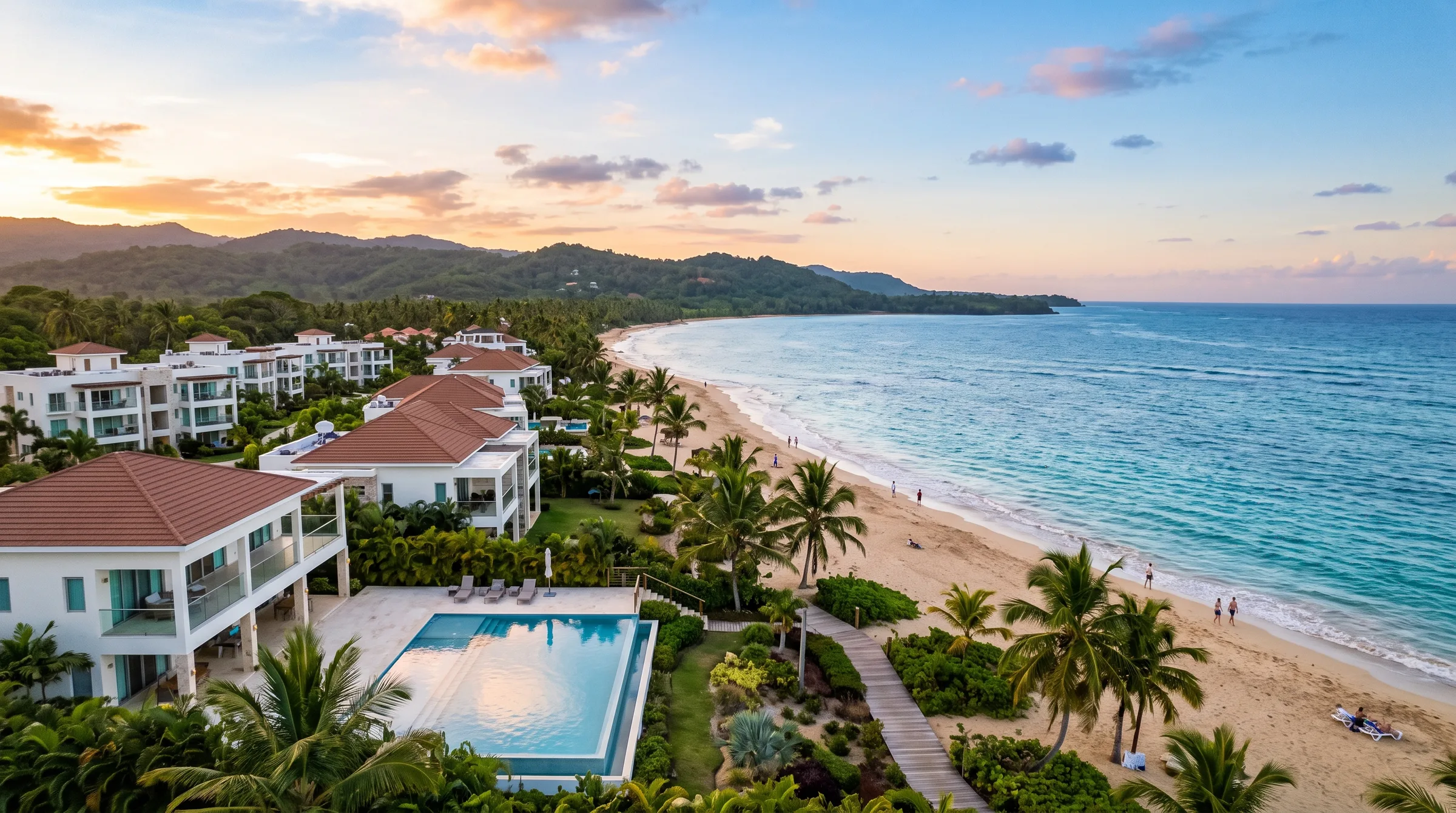
How investing in the Dominican Republic protects your wealth compared with the European market
Investing in property, in “bricks and mortar” as people often put it, is no longer the safe bet in Europe that it used to be. Traditionally the formula was simple: you bought in your own city, let time pass and your wealth grew almost on autopilot. Today, however, the numbers no longer add up the same way. Between accumulated inflation, regulatory requirements to upgrade energy efficiency and a tax burden that keeps rising, many urban properties barely manage to protect capital against the loss of purchasing power.
Just look at cities such as Madrid, Paris or Berlin, where gross rental yields hover, with luck, around 3% or 3.5%. Subtract property tax, income tax, building levies and constant maintenance, and the net return shrinks to almost nothing. That is why it makes sense for capital to look at other markets: destinations that offer legal stability while enjoying organic demographic and tourism growth. This is where the Dominican Republic comes in. Far from being seen as an exotic or high-risk option, the country has established itself as one of the most attractive, orderly and liquid emerging markets in the region.
Demographics and the inflow of capital
Behind any rise in an asset’s value there are always demographic conditions. While Europe’s population pyramid is ageing rapidly, holding back consumption, a market of more than 500 million people with high purchasing power lies just four hours’ flight from the main Dominican airports.
In the United States and Canada alone, around 40 million people will retire this decade, with as many again coming behind them. Many of them do not want to spend the winter in the cold; they are looking for warm, safe and well-connected destinations where they can take their lifestyle or buy a second home. Demand for a region like the Caribbean is not a passing fad: it is a steady stream of buyers who choose Punta Cana for its infrastructure, its air connectivity and a stable climate all year round.
On top of this there is the Dominican diaspora itself: more than two million citizens who live and work abroad and continually reinvest in their home country. This constant flow of buyers paying in strong currencies such as the dollar or the euro creates a foundation for appreciation that shields property from local currency fluctuations.
Net returns and incentives: the regulatory advantage
Where the gap between buying in Europe and buying in the Dominican Republic really opens up is in the small print on taxes. In any European country, between transfer tax, stamp duty, capital gains and direct or indirect levies, the tax bill can easily eat up between 6% and 20% of the value of the transaction. In the DR, by contrast, the rules of the game are designed to do exactly the opposite: to encourage foreign money to come in and stay.
The clearest example is the Confotur Law. If a project qualifies under this framework (and much of the high-quality tourism and residential supply does), the property is exempt from several key taxes for 15 years. That means no transfer tax on purchase, no Tax on the Transfer of Industrialised Goods and Services (ITBIS), no Real Estate Property Tax (IPI), and even relief from tax on the rental income generated. For a private investor or a family structure, saving that ongoing cost completely changes the numbers.
Then there is day-to-day operation. A traditional residential let in the country’s most established areas typically delivers average net returns of around 7% a year, practically double what any major European capital offers today. And for those who opt for holiday rentals, on an island that welcomes close to 12 million travellers a year and where more and more tourists prefer an apartment or a villa to a conventional hotel, the margins are higher still.
Beyond the beach: the leap towards urban planning and smart cities
It would be a mistake to think that this shift towards the Caribbean is only about sun and sand. There are serious numbers and opportunities behind these deals: the country has grown at an average of 5.5% a year for some 25 years. Those figures are backed by something investors value highly: clear rules, free currency exchange and no obstacles to taking your money out whenever you want.
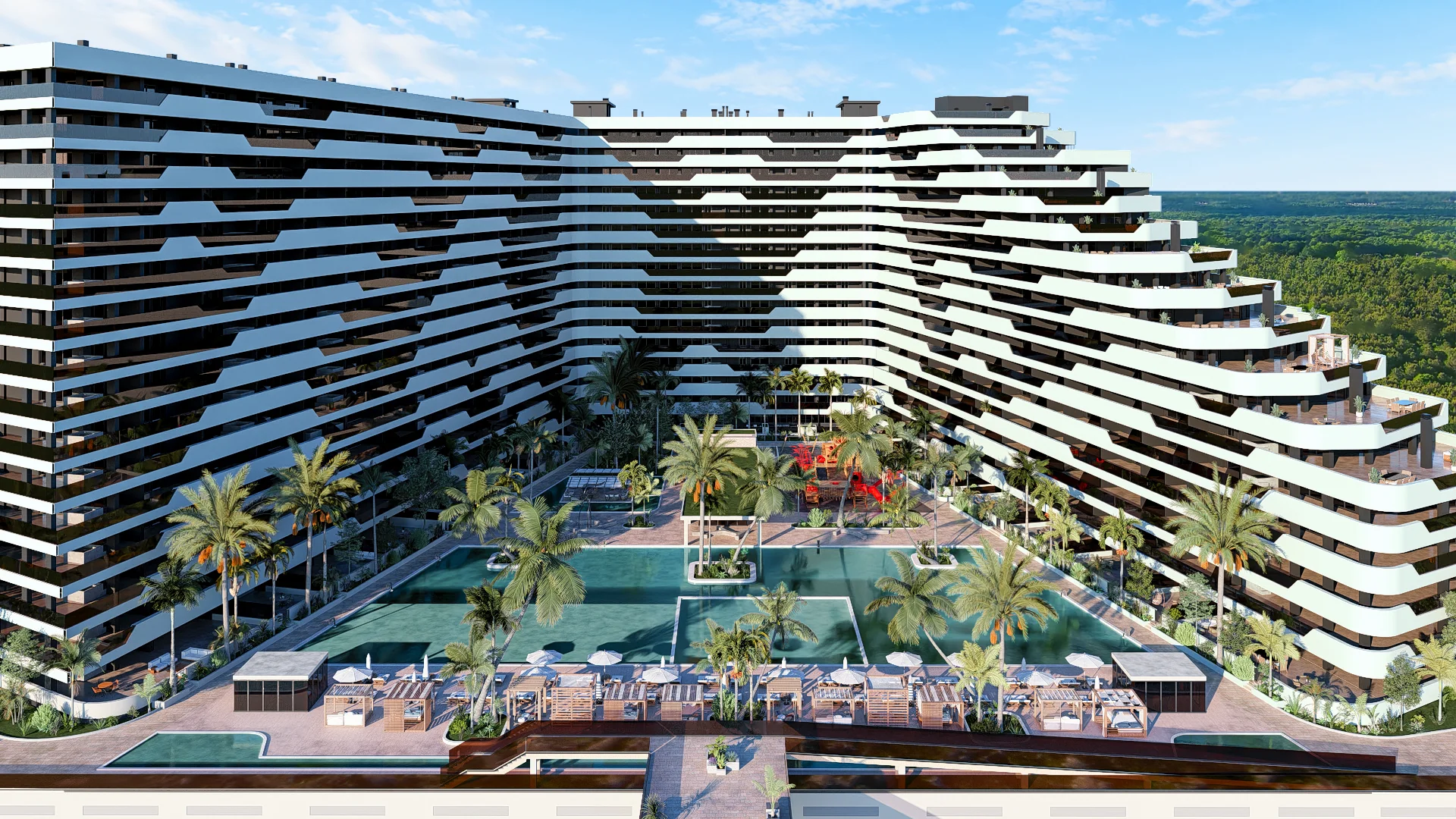
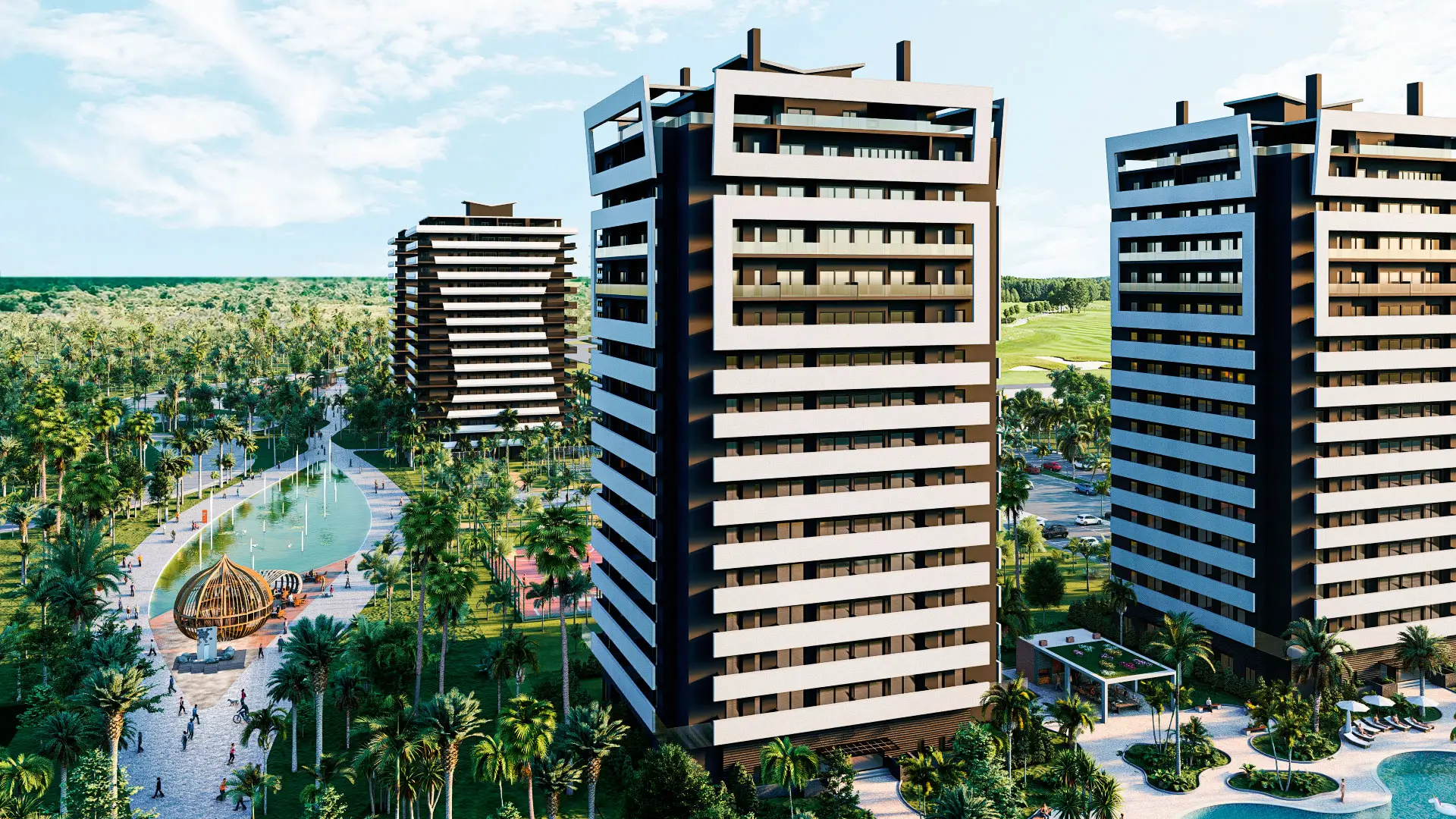
This environment of security and legal certainty has made the projects being built far more ambitious than a simple block of flats, giving rise to complete urban developments such as Larimar City & Resort.
Unlike traditional scattered construction, the three million square metres of Larimar City & Resort are not just for homes: they bring together healthcare centres, schools, golf courses, shopping and leisure areas and other services. Everything is designed to work as a small self-sufficient city. For those who invest off-plan, the opportunity is not only in waiting for the wider market to rise but in the progress of the development itself. As streets are paved, services open and the infrastructure comes to life, the price per square metre goes up. In developments like this, buying in the early phases often brings appreciation of more than 30% before the keys are even handed over.
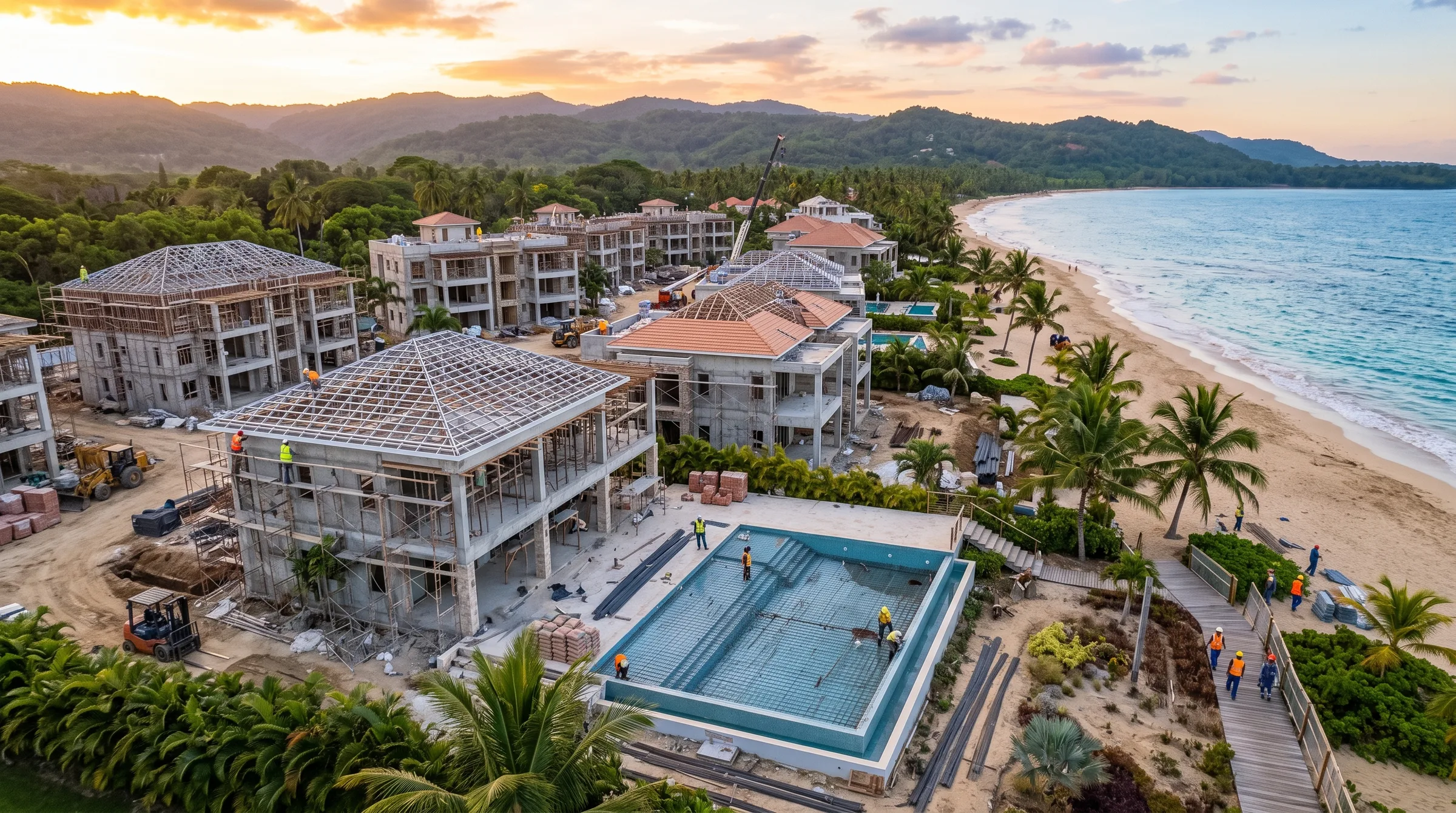
A decision to preserve wealth
Staying in Europe and watching taxes eat into assets that barely move no longer makes much sense for anyone who wants to protect their money. That is why so many investors are looking towards the Dominican Republic.
In short, investing capital where foreign demand is well proven, earning in dollars or euros and within well-designed projects, goes far beyond the whim of buying a beach house for retirement. It is strategy and common sense, as well as a direct way to diversify, ride out inflation without it eating into margins and make sure your wealth genuinely grows over the next ten or fifteen years.
Featured projects
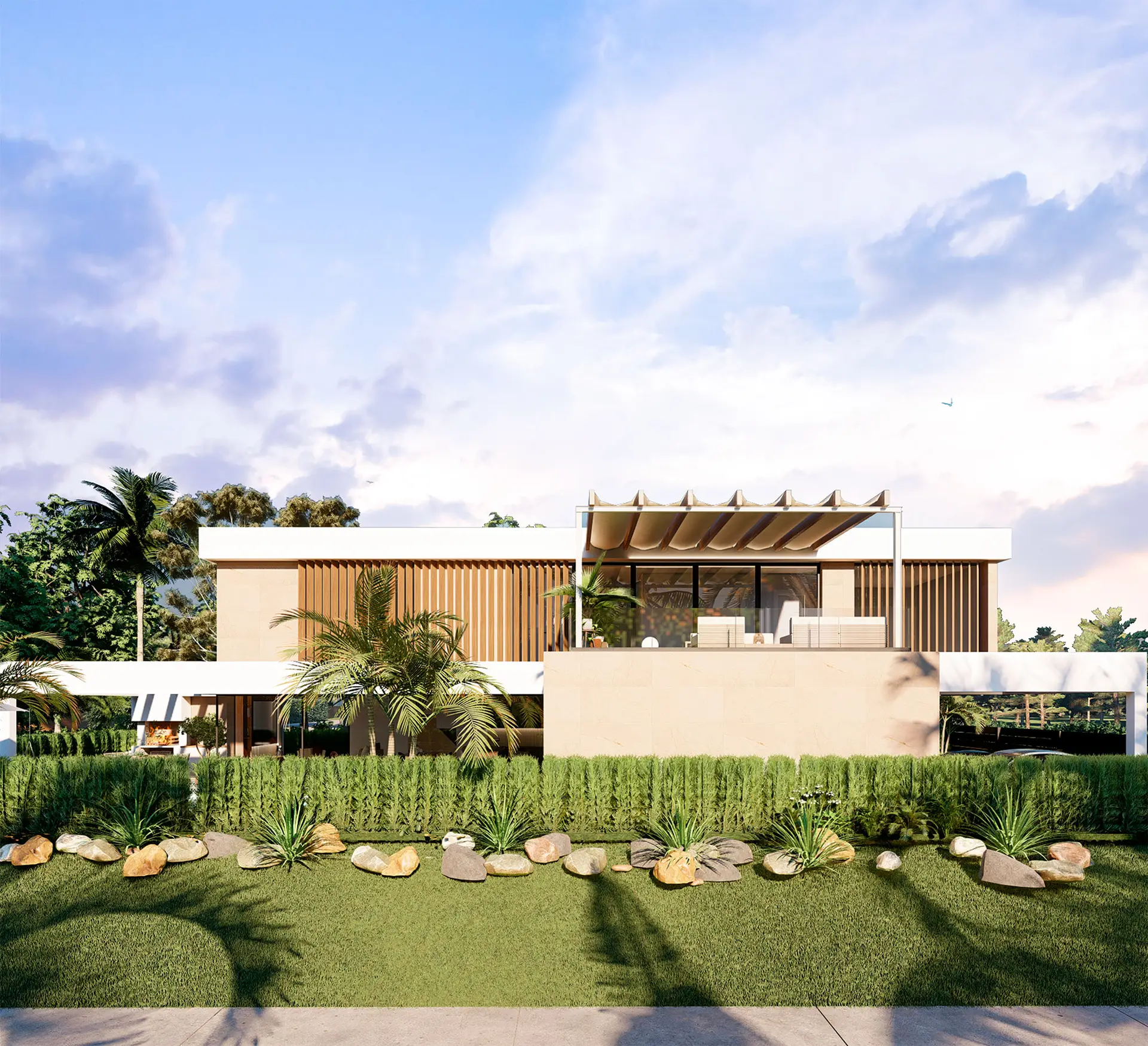
Explore the residential projects of Larimar City mentioned in this article.
Smart Investment
Join the first Smart City in the Caribbean. Discover how Larimar City redefines safety and property value in Punta Cana.
Request information