Remote Work Drives the Search for Second Homes in the Caribbean
New ways of working have changed what we look for in a home. Remote work has completely turned the real estate market upside down, and those who can afford it are no longer looking simply for a place to sleep and (occasionally) eat.
These people are looking for a complete operations centre where they can spend most of their time with every comfort: a place with a good internet connection, where working feels good and where, once the laptop closes, quality of life is real. In the midst of all this change, the Dominican Republic has become a destination almost everyone has on their radar.
A lifestyle change reflected in housing
The idea of spending five days, Monday to Friday, in an office block in the congested centre of a big city is becoming obsolete in a world that increasingly values comfort, leisure and quality of life. We have realised that, for certain jobs, there is no need to live tied to a specific geographic area. This has led to something that sounded impossible a few years ago: many workers and young people are packing their bags for places they used to visit only to retire or go on holiday. The Caribbean, and very especially Punta Cana and its surroundings, is playing its cards well here. It has filled with executives, entrepreneurs and professionals who have decided to move their base of operations to a place where good weather is almost eternal.
What these profiles look for has also changed drastically. Ten years ago, someone buying on the coast only asked how many metres away the beach was. Today, they need to know whether the internet connection is impeccable, whether there are green areas near home and whether there are enough options for sport, dining out and socialising. In short, whether the area's services can keep up with the pace of their daily life. That house is no longer just a summer refuge; it is their command centre. And that forces developers to build differently: it is no longer enough for the home to be beautiful, it has to be technologically flawless and functional.
Remote work is a labour trend that keeps growing
The numbers make it quite clear: this is not a passing fad. It is estimated that by 2030 there will be some 92 million people working 100% remotely worldwide (in 2023 there were 73 million, an enormous jump). In fact, for 81% of workers, being able to work remotely weighs more than salary when choosing a company. And it makes sense, because almost everyone agrees their mental health has improved, and they even say they perform better from home.
If we focus on highly qualified or tech profiles (the ones who usually buy these premium homes abroad), almost half work remotely. They also tend to earn a little more than those who go to a physical office, which gives them that extra margin to invest in a good international destination.
The Dominican Republic saw this coming long before other destinations. Its appeal is not just a stable temperature of around 25 degrees all year round (which helps), but the fact that the numbers truly add up for the investor. It has a stable economy and laws designed precisely to help foreign investors. Add to that a strategic location a few hours' direct flight from the main business hubs of the United States and Europe, and it is easy to understand why the area is attracting so much capital.
Projects like Larimar City champion the new standards of quality of life
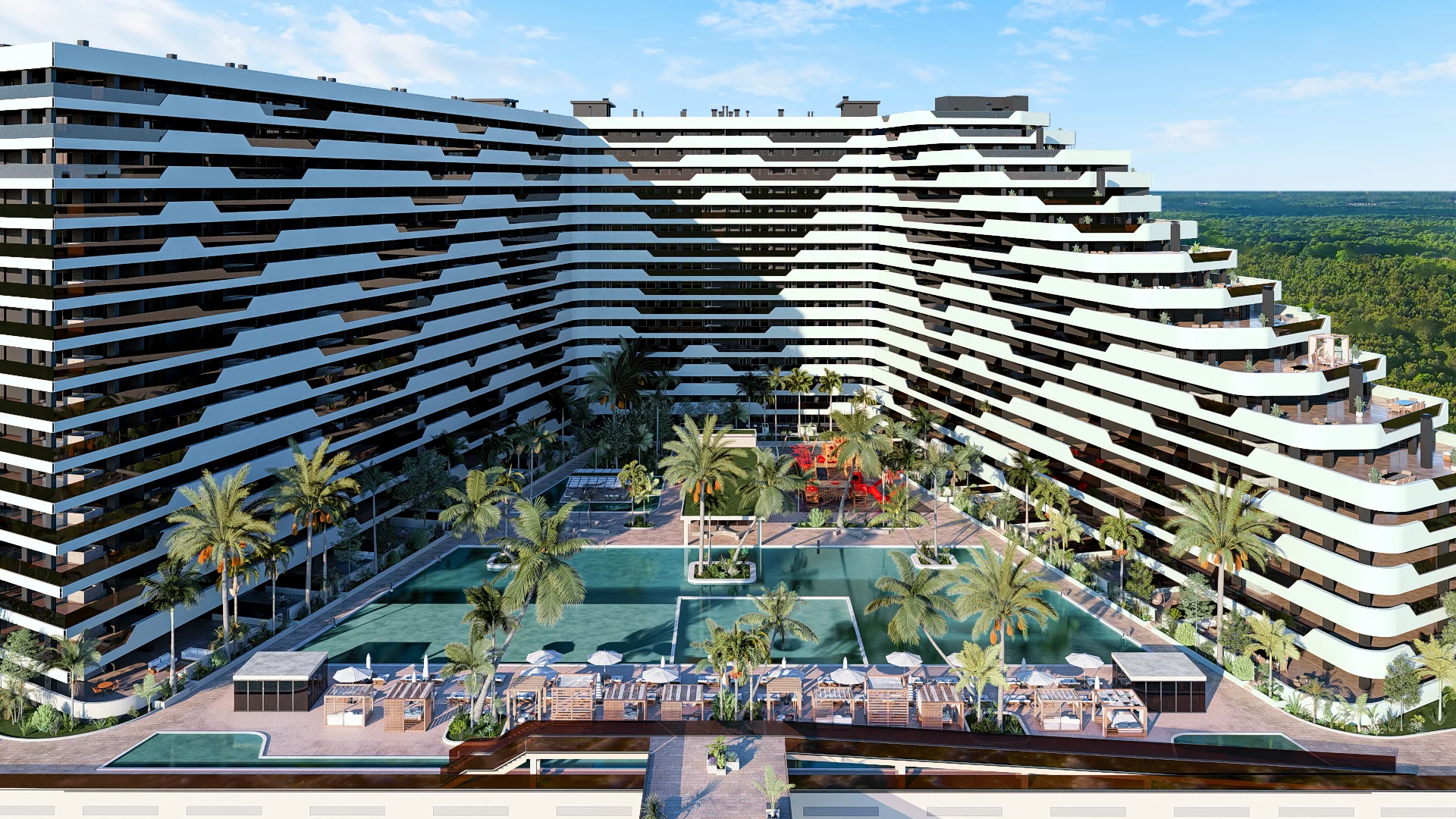
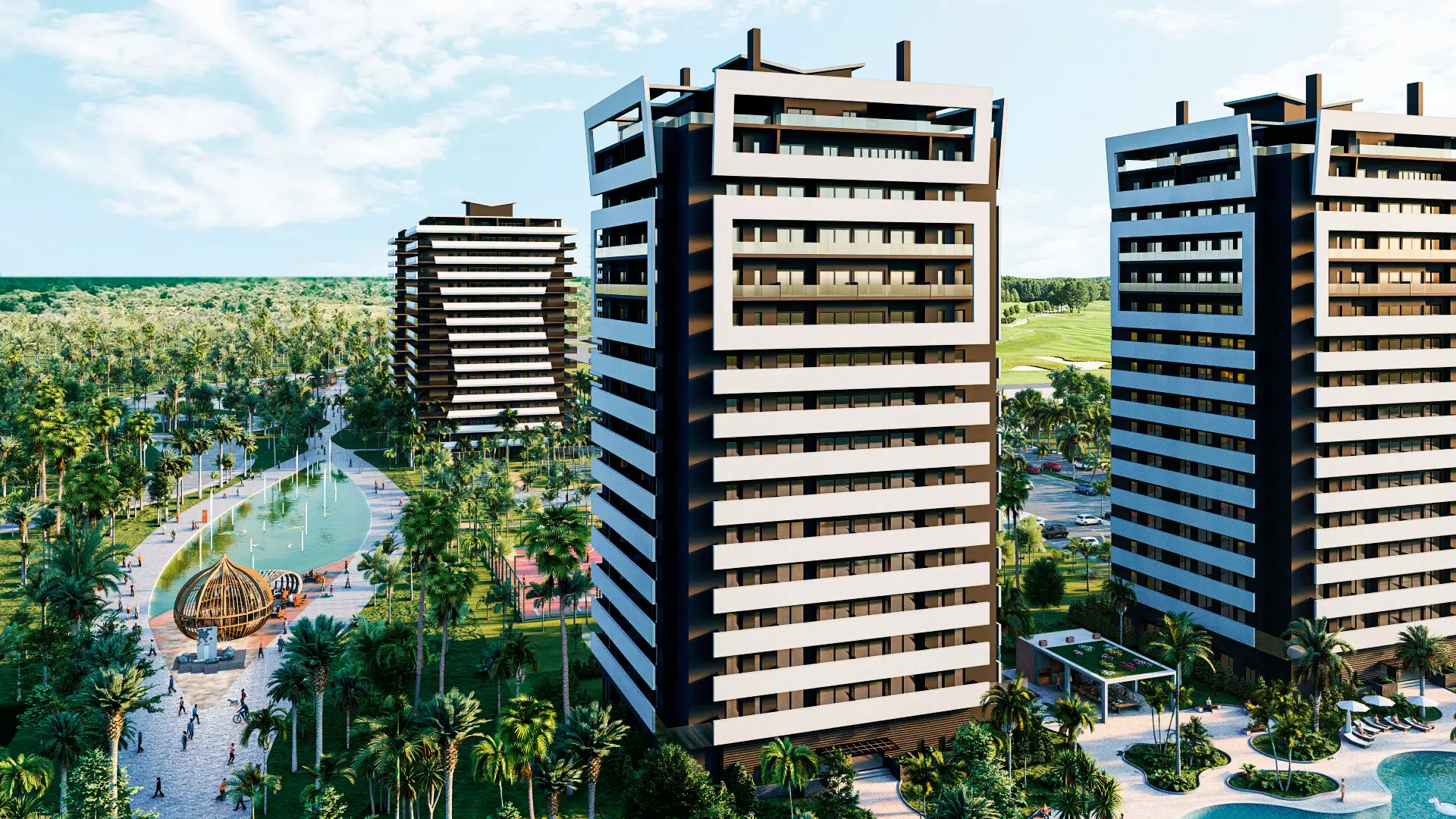
That said, those who move to these areas demand guarantees. A paradise setting and good taxes are useless if the connection suddenly drops in the middle of a shareholders' meeting, if you live in constant traffic or if there are no real leisure options. This is where the new projects come in, designed from scratch to meet this working reality and all the social demands that define real quality of life. A good example is Larimar City & Resort, born precisely to fill this gap as the first Smart City in the Dominican Republic. A place where landscape combines with technology to offer sustainable residences finished to the highest standard, where green areas, leisure areas, sports facilities, supermarkets, schools and hospitals are never more than a 20-minute walk away.
Inside, homes have also had to adapt. Putting a desk in the corner of the guest room is no longer enough. People want real work areas, well insulated from noise, with design focused on wellbeing and natural light that does not wreck your eyesight after eight hours in front of a screen. In projects like Larimar, every detail is designed for this: from huge terraces made for truly disconnecting, to property management services that take the typical headaches of maintaining a home off your plate.
Larimar's philosophy has always been to stay one step ahead of demand. Simple residential apartment blocks are not built here; a smart urban ecosystem is being developed where technology enables day-to-day efficiency, allowing residents to work and run their businesses in the morning with full technical assurance, and enjoy an incomparable natural environment in the afternoon.
At the end of the day, moving to a Smart City of this kind is a matter of pure and simple quality of life. You skip the traffic jams, live in a place that consumes less energy and achieve something that always sounded utopian: high-level work and free time coexisting without stepping on each other. Mixing the calm of the Caribbean with high-speed internet and the health and leisure services of a big city simply means that work finally adapts to your environment, and not the other way around.
Featured projects
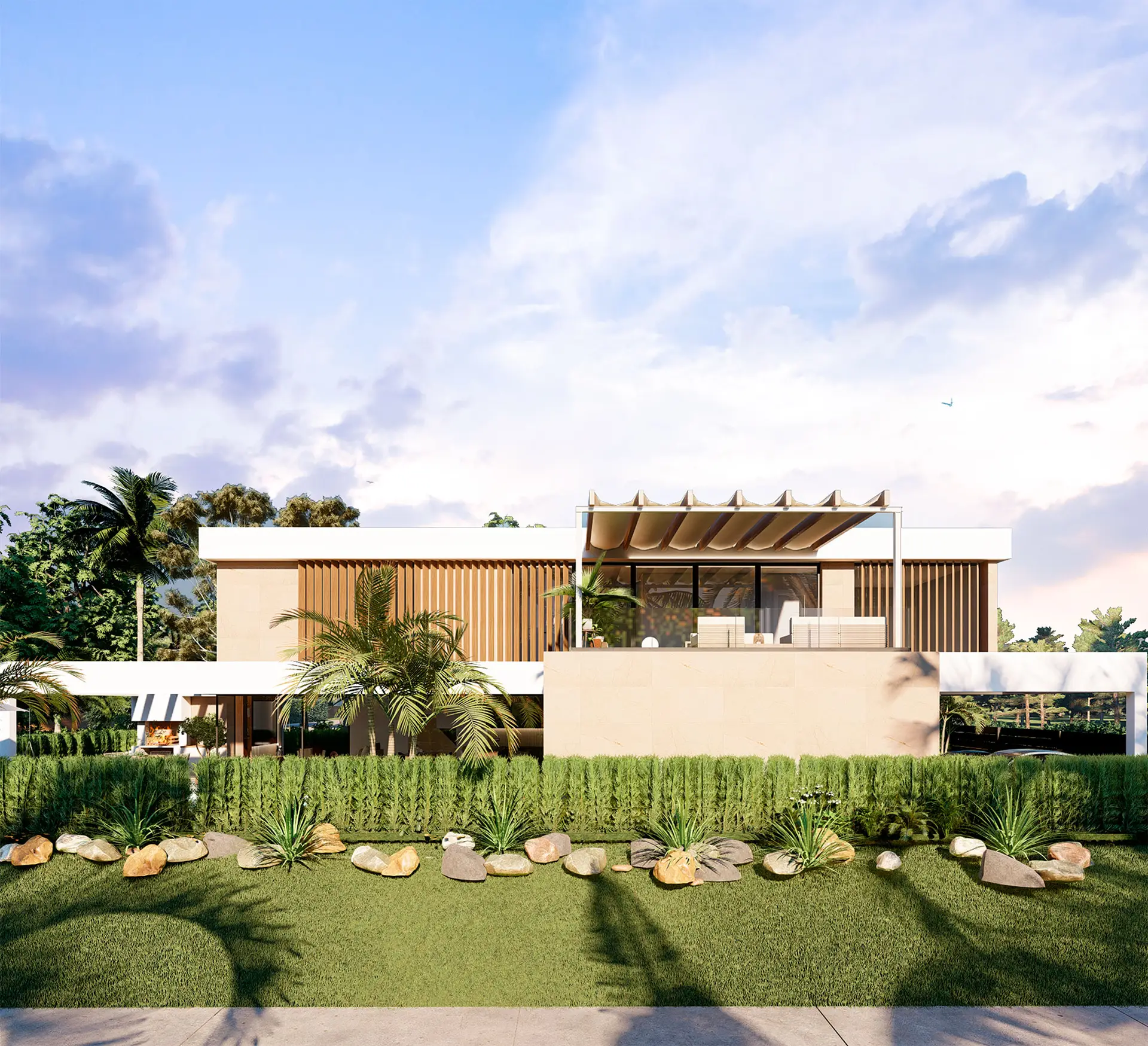
Explore the residential projects of Larimar City mentioned in this article.
Smart Investment
Join the first Smart City in the Caribbean. Discover how Larimar City redefines safety and property value in Punta Cana.
Request information