Sport, well-being and quality of life: the vision of the Real Murcia Club de Tenis 1919
In the world of tennis, there are places where sport transcends competition and becomes a true culture. One of those spaces is the Real Murcia Club de Tenis 1919, an institution that has known how to combine tradition, excellence and innovation to position itself as a benchmark not only nationally, but also internationally.
A few years ago, the club took its projection a step further by hosting a Challenger tournament with players of different nationalities, consolidating its organizational capacity and its weight within the professional circuit. In addition, one of the great names in world tennis, Carlos Alcaraz, regularly passes through its facilities, a reflection of the level and quality you breathe in every corner of the club.
But beyond the spotlight and the elite, this club stands out for its commitment to developing tennis at every stage, offering spaces, services and experiences for players of any age and level. What is the key to achieving this balance? How do you build a club capable of developing talent while, at the same time, creating community?
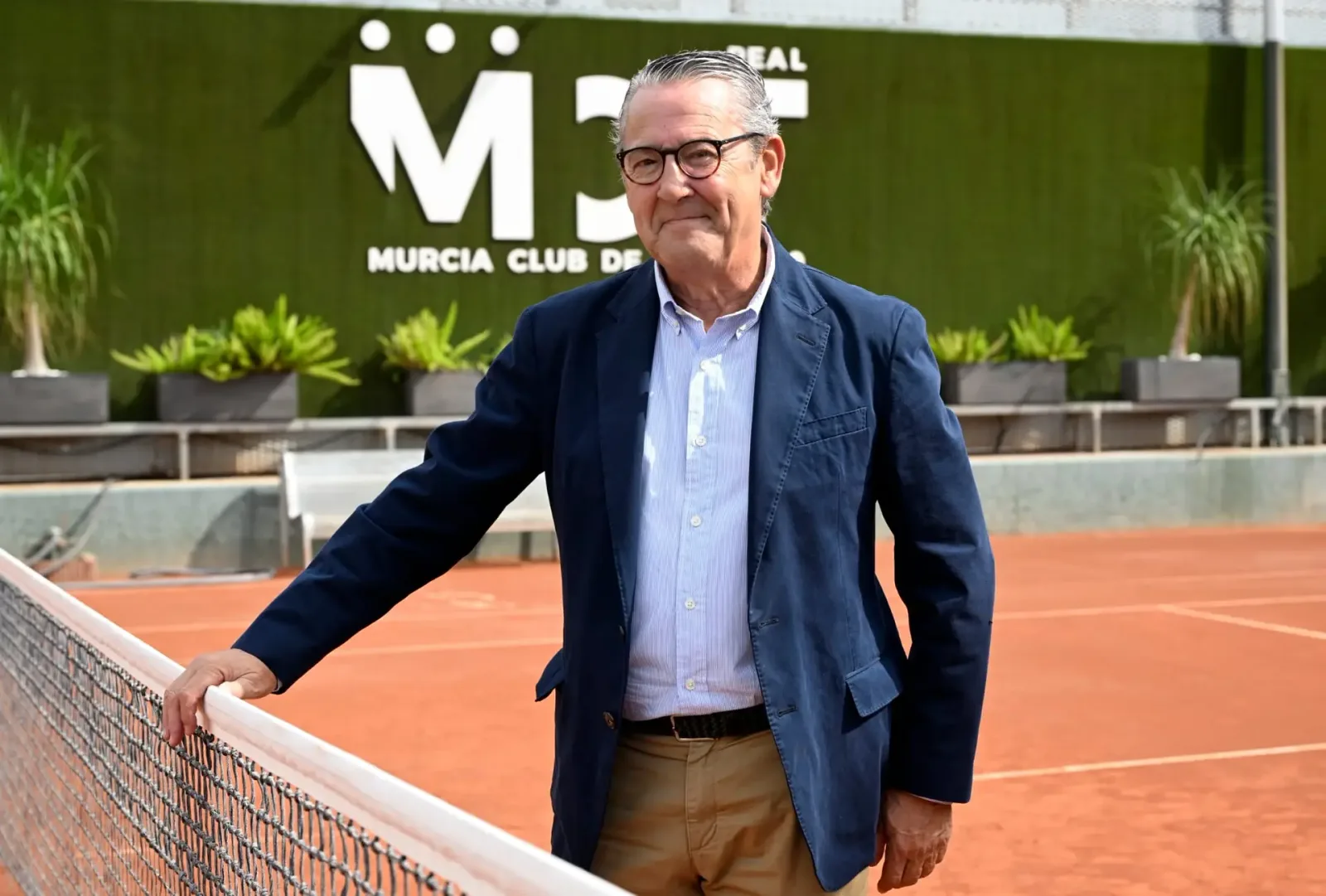
To find out, we spoke with Francisco J. Martínez Ruiz, president of the club, who opens the doors to his philosophy and vision for the future.
In a region like Murcia, where outdoor sport is part of everyday life and Spanish tennis is enjoying one of its best moments internationally, your club has established itself as a benchmark. For those who don't yet know you, how would you describe in a few words the essence of the Real Murcia Club de Tenis 1919?
The Real Murcia Club de Tenis, with nearly 5,500 members, is the benchmark for tennis in the city and in the Region of Murcia. It therefore has a commitment to promoting this sport in all its facets: learning, tournaments, practice and openness to society.
We're talking about a club with more than a century of history, something unusual that implies having gone through different stages of tennis and of Spanish society itself. Looking back, what would you say has been that key moment that marked a turning point in your evolution?
Every era of this century-old club has been a step in the journey of turning the RMCT into an institution ranked among the 10 best tennis clubs in Spain. With all due respect to those who preceded me in the Presidency, I would say that the most decisive boost was given by Tono Páez during the years he was at the helm of the club.
Keeping alive the tradition of a historic club while at the same time adapting to the new demands of modern sport is no easy task. In a context where tennis is constantly evolving, how do you manage to balance that respect for history with the need to innovate?
Tennis, like all sport, is in constant technical evolution. But, in my opinion, the values it represents are constant: respect, effort, conduct on and off the court. Respect for and from the public. A certain style, which is easy to identify.
Spain is a world power in tennis and more and more cities are betting on attracting international competitions. In that sense, the recent organization of a Challenger tournament with players of different nationalities puts Murcia on the map. What has this event meant for the club, both in sporting terms and in terms of projection?
The VII Challenger Murcia Costa Cálida has been a success in organization and attendance. An event like this requires very well-oiled logistics and passing the ATP supervisor tests. The Club's team has accomplished its mission with flying colors. It has placed the Club where we deserve to be.
Spanish tennis is living through a brilliant generation, and having a world benchmark like Carlos Alcaraz at your facilities is not something that happens every day. What does it mean for the club to have that direct connection with the elite of world tennis?
The presence of Carlos Alcaraz, who frequently trains on our courts, fills us with satisfaction. He is a very approachable person, one of us, and a magnificent professional. He and his family are much loved at the Club and, in that way, he projects the image of Murcian tennis exponentially.
Today, a tennis club is no longer just a place to train, but a space where you live a complete experience. In an environment like yours, with facilities designed for all ages and levels, what do you seek to convey to each person who walks in for the first time?
Our Club is designed for playing tennis, padel, swimming, going to the gym, eating or having a coffee or an aperitif. Also for attending our social activities: photography, floral arts, cultural visits, trips or mus. It is a club of everyone and for everyone.
The club aims to be a space where each member feels comfortable, well looked after, with customer-oriented management focused on their satisfaction.
In that evolution of the concept of a sports club, where service and the quality of the facilities make the difference, which spaces or services do you consider essential in your proposal to offer a differential experience?
As I said, this is a sports and social club. The quality of service is an essential factor in this Board's policy. This, together with transparent management and a good internal communication channel in both directions, usually produces good results.
Murcia has a very close-knit and social identity, where sports clubs are often also meeting points. In your case, what role does the club play in the social life of the city?
The RMCT 1919 is embedded in the social life of the city of Murcia. Not only because of the number of members it has, who represent a large part of our society at all levels, but because it takes part in numerous initiatives: Red Cross, Charity Walks, Unicef, Cabildo de Cofradías, etc.
Tennis is going through a very attractive moment in our country and more and more people are considering taking it up. For someone who is hesitating to take the step, what would you tell them from your experience?
Tennis doesn't disappoint. You can play it at very different levels, at very different ages, and across different ranges of physical ability. And it generates a lifestyle and social relationships that are definitely positive.
I couldn't sum it up any better.
At a time when spaces are no longer valued only for their facilities, but also for the experience, well-being and community they generate, projects like Larimar City & Resort focus on a new way of living. From the perspective of a club with such a long track record, to what extent do you believe that sport and environments like yours are key to building that healthy, social and quality lifestyle that so many people seek today?
The whole set of services, facilities, staff, etc., have their sights set on member satisfaction, on making them feel comfortable. In this context, the member truly builds and develops a certain lifestyle, that's how it is. Health, the quality of social relationships over years and generations, an interaction with members of different professions, with different points of view, but with a common hallmark for all: quality of life, quality of relationships, personal quality.
That is the RMCT1919 style.
We would like to sincerely thank Francisco J. Martínez Ruiz for his closeness, his time and the willingness he showed throughout this interview. It has been a pleasure to learn firsthand about the vision, the values and the work behind an institution with so much history and relevance for Murcian and national sport. Conversations like this one help us understand that a club's success is measured not only in facilities or competitions, but also in its ability to create community, transmit values and keep driving tennis generation after generation. Many thanks for opening the club's doors and sharing this vision of present and future with us.
Natalia Kvirikashvili Sadikova
Department of Communication
CLERHP
Written by
Natalia Kvirikashvili Sadikova
Featured projects
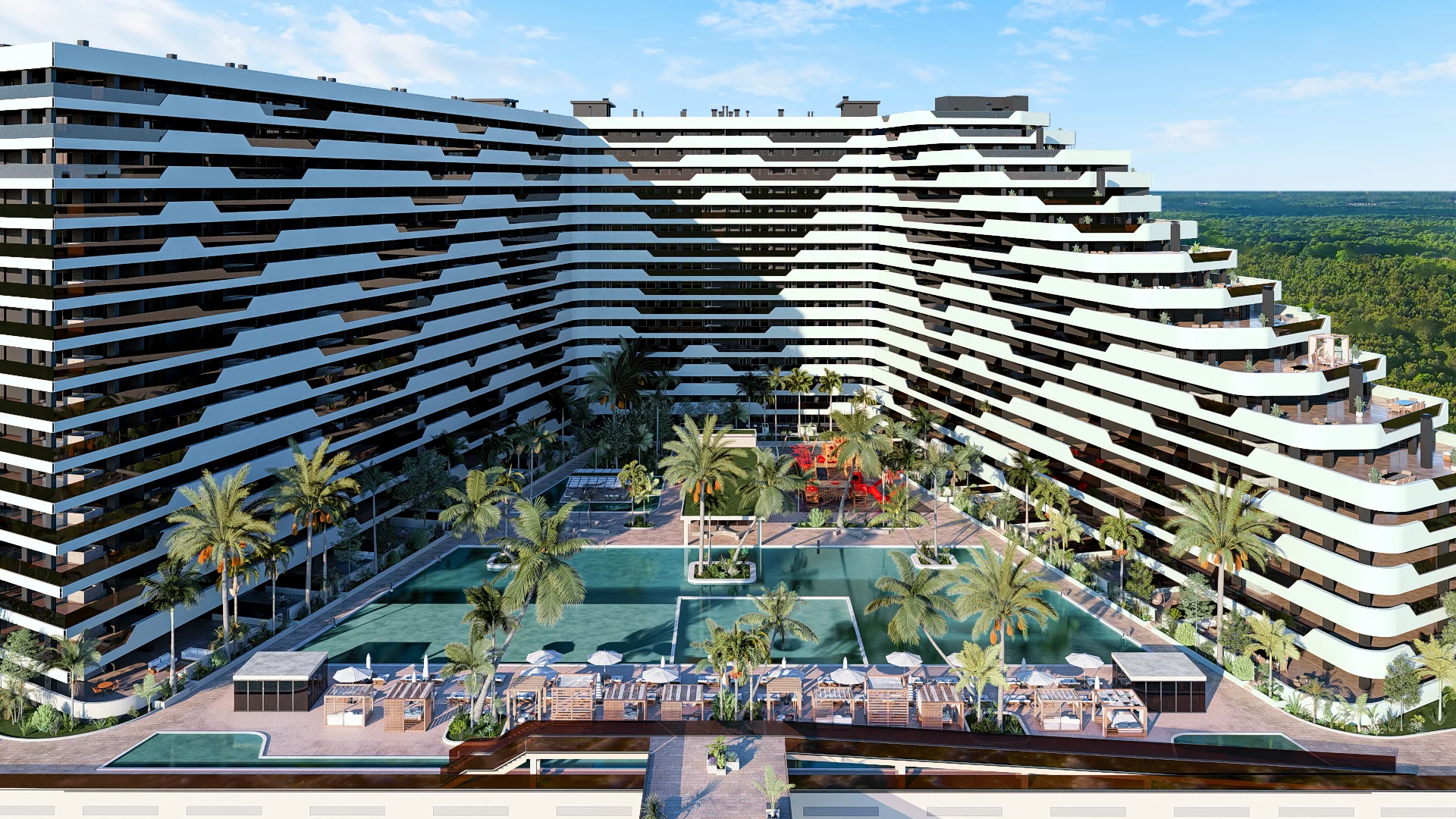
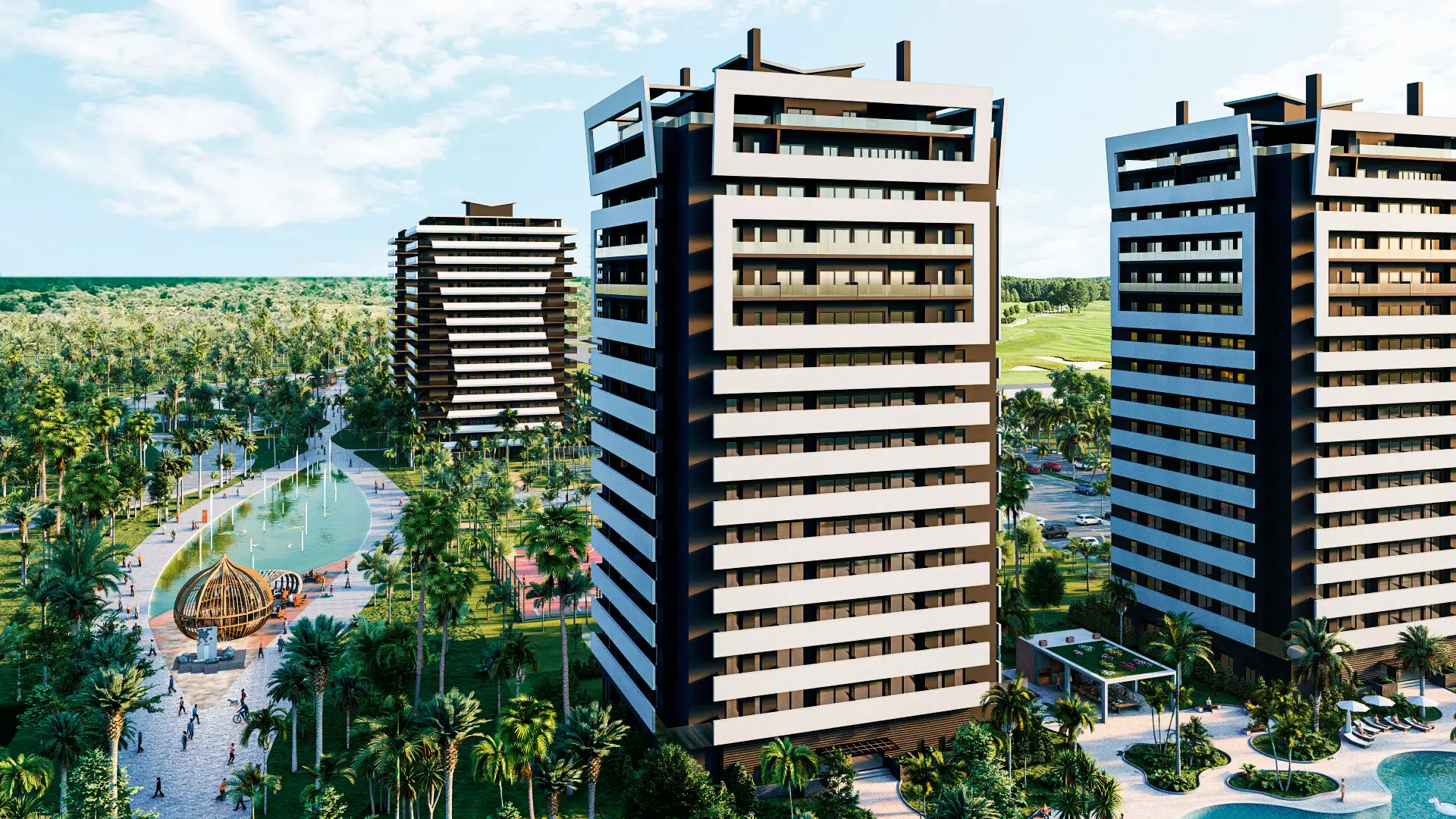
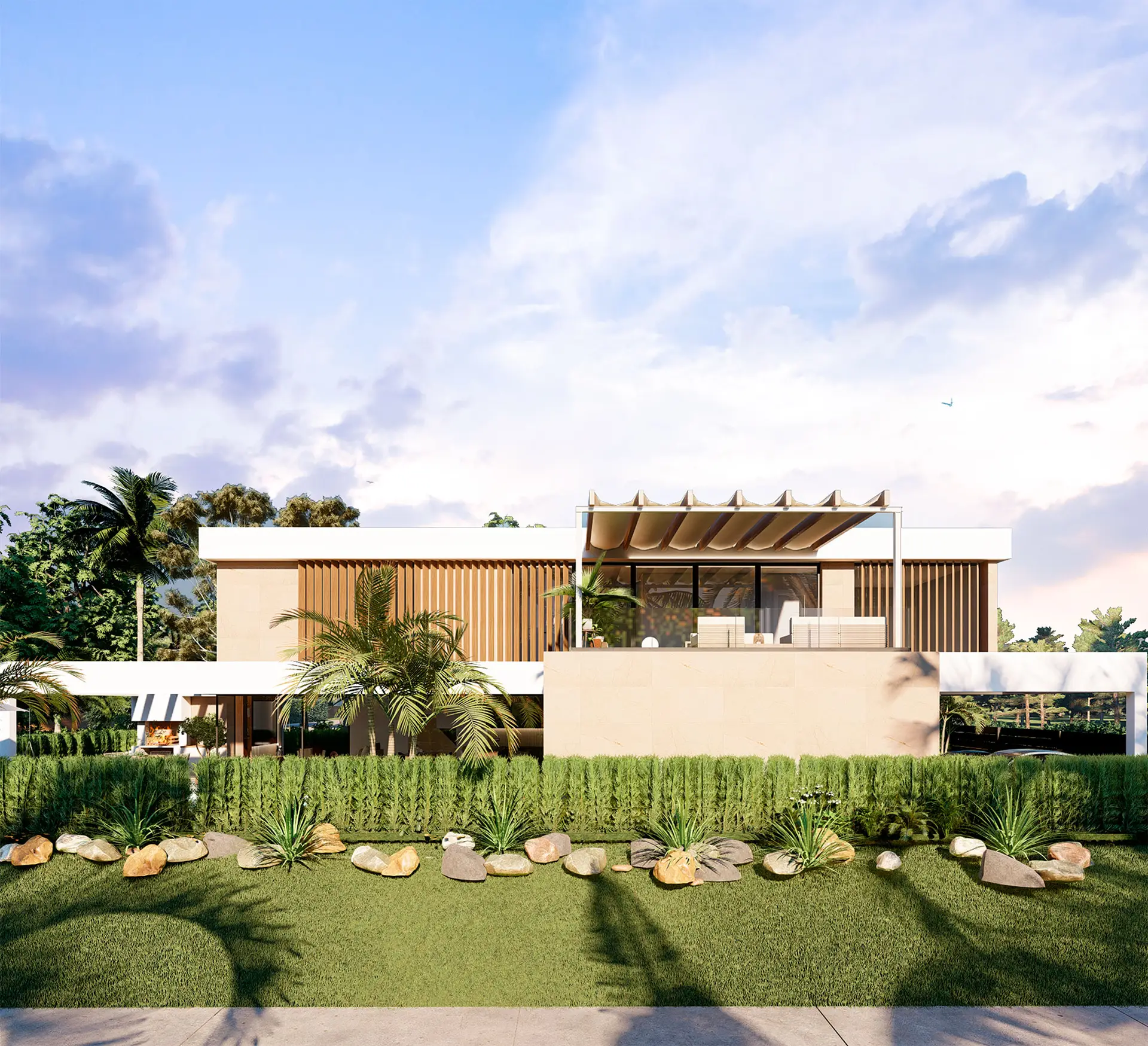
Explore the residential projects of Larimar City mentioned in this article.
Smart Investment
Join the first Smart City in the Caribbean. Discover how Larimar City redefines safety and property value in Punta Cana.
Request information