Let's talk about the humanism of prosperous cities
Let's talk about the humanism of prosperous cities
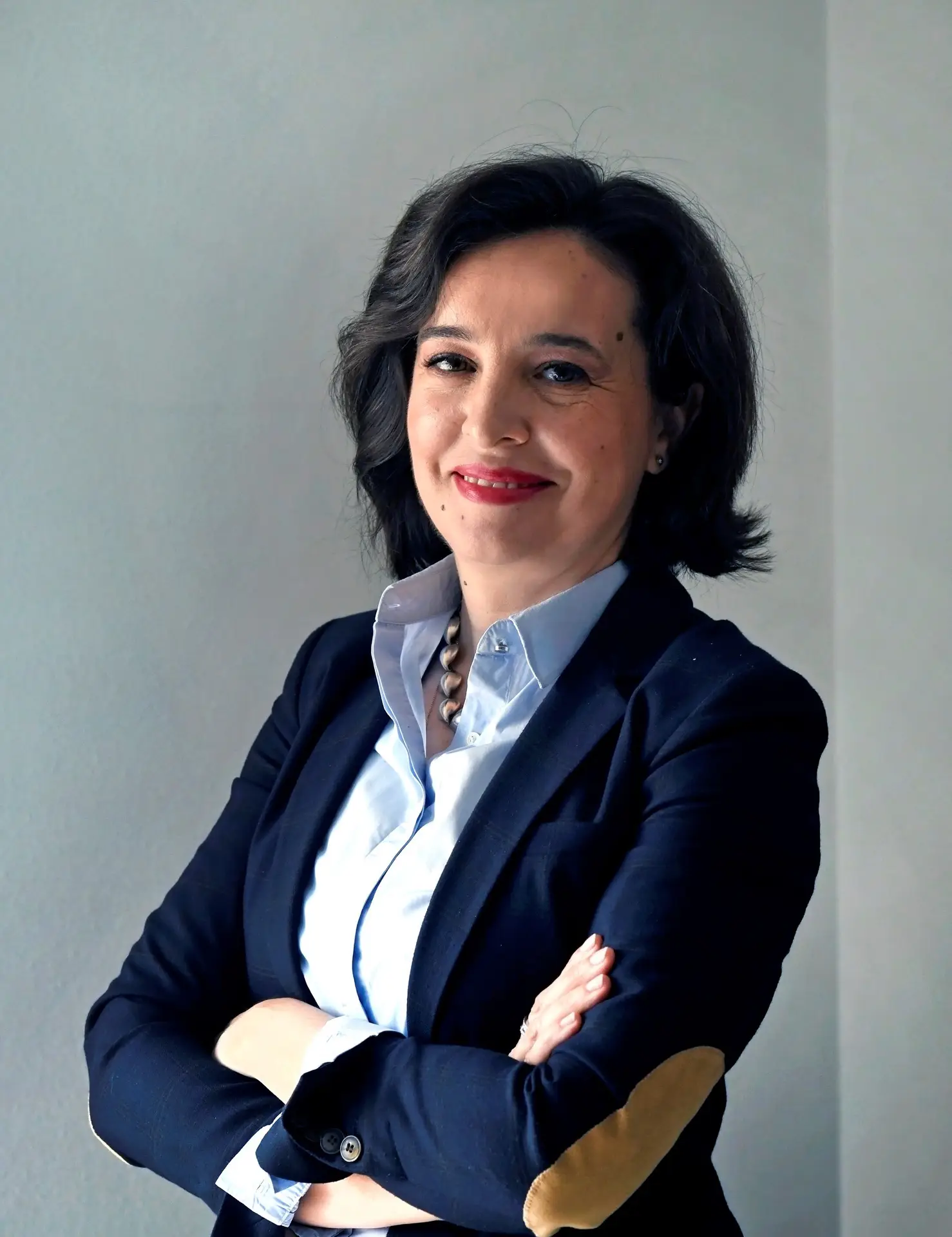
Today we speak with Ana María Hernández Gil — historian, advisor on giftedness, trainer, and conflict mediator with people — a lifetime devoted to the study of humanism and the values that shape the person. Today we ask her about the humanism that should inhabit cities of happy people. And she tells us more about it…
1. If we want to build a city of happy people, what role do education and continuous learning play in the lives of its inhabitants?
The capacity to be happy is developed by each person from within, and learning has the function of increasing that happiness, because the more you know about each aspect of life and the more deeply you explore it, the greater your capacity to be happy and to discover, in each moment of life, an opportunity to achieve it.
This process lasts a lifetime, and learning has to be continuous, to keep the brain active and developing each day — and the city where you live, as the environment you move in, has much to contribute to that. It can enhance learning or limit it.
A city can develop spaces that generate beauty and create opportunities, and also provide public or shared spaces for being together — because the greatest happiness is that everything you learn you can give back, making others happy and helping the people you live alongside through the different stages of their lives.
2. How can an environment like Larimar City, connected with nature and wellbeing, foster a more open, curious, and creative mind?
Nature always brings peace, and knowing its cycles also helps us understand ourselves. That's fundamental for discovering, with an open mind, our own rhythms within it. Curiosity is activated by all the perspectives nature offers and that we can apply to our lives. Nature is immense because nothing repeats and nothing is the same — just as each of us is unique.
Enjoying the climate, the sun, the sea — these are riches that foster creativity, because they create an environment that nurtures a vital, joyful character that is in no way hostile to the human being.
3. To what extent do knowledge and personal development influence the quality of life of a community?
Every person is a world, and every relationship a universe. If those potentials come together with the goal of improving knowledge and becoming a better version of oneself each day, all of that naturally radiates out to the community — and truly, several minds together think and act much better than one alone.
We're all connected, we all depend on one another, and when there's a shared common goal, you can go much further. History has shown us this over and over: we advance further as a community.
4. If the mind fills itself each day with what we see, read, and hear, how can the spaces and experiences of a city help fill it with positive, enriching content?
By seeking genuine beauty in each of its expressions, a city can contribute greatly to the enrichment of each of its inhabitants. Everyone living in an environment is shaped by it. When a city is orderly, clean, and aesthetically proportionate, all of that is transmitted to each of its inhabitants — both in how they care for the city and in how they care for themselves. That's where a community of happy people emerges.
5. What values should be cultivated in a city designed for people's wellbeing — curiosity, respect, perseverance, community…?
For me the fundamental values would be goodness, truth, and beauty. Translated to a city, they would mean that the space is genuinely kind to people's lives — no architectural barriers, easy mobility, and services available in an accessible way. That it creates spaces for different ages, meeting points.
The truth of a city is that it be itself — welcoming people of great diversity in values, opinions, and criteria, with respect — and that it fosters culture with adequate spaces, healthcare, education, safety, sports, care of nature, commerce, leisure, religious practice, and spirituality.
And beauty would be a balance among all the buildings, distances, parks, and architectural designs of public services like hospitals or schools. Architectural design has to be at the service of the human being. To create spaces where people are comfortable, where they have peace. That's possible — and nature gives us great lessons there, and we can lean on it so as not to clash with its natural surroundings.
6. Could a city also become a place where people don't just live but also learn, evolve, and discover new capacities within themselves?
Without a doubt, that's the very vocation of a city — to create spaces where people improve each day and build the best version of themselves. The city, being a form of life in which a greater number of people share the same space, can generate many more development opportunities because of closeness and social contact.
Thank you, Ana, for showing us more about how the environment shapes the person — how wellbeing is cultivated from within outward — and from urban awareness in cities, in cities for and by happy people, as is the ultimate purpose of Larimar City.
Macarena Perona
Communications Director
CLERHP
Featured projects
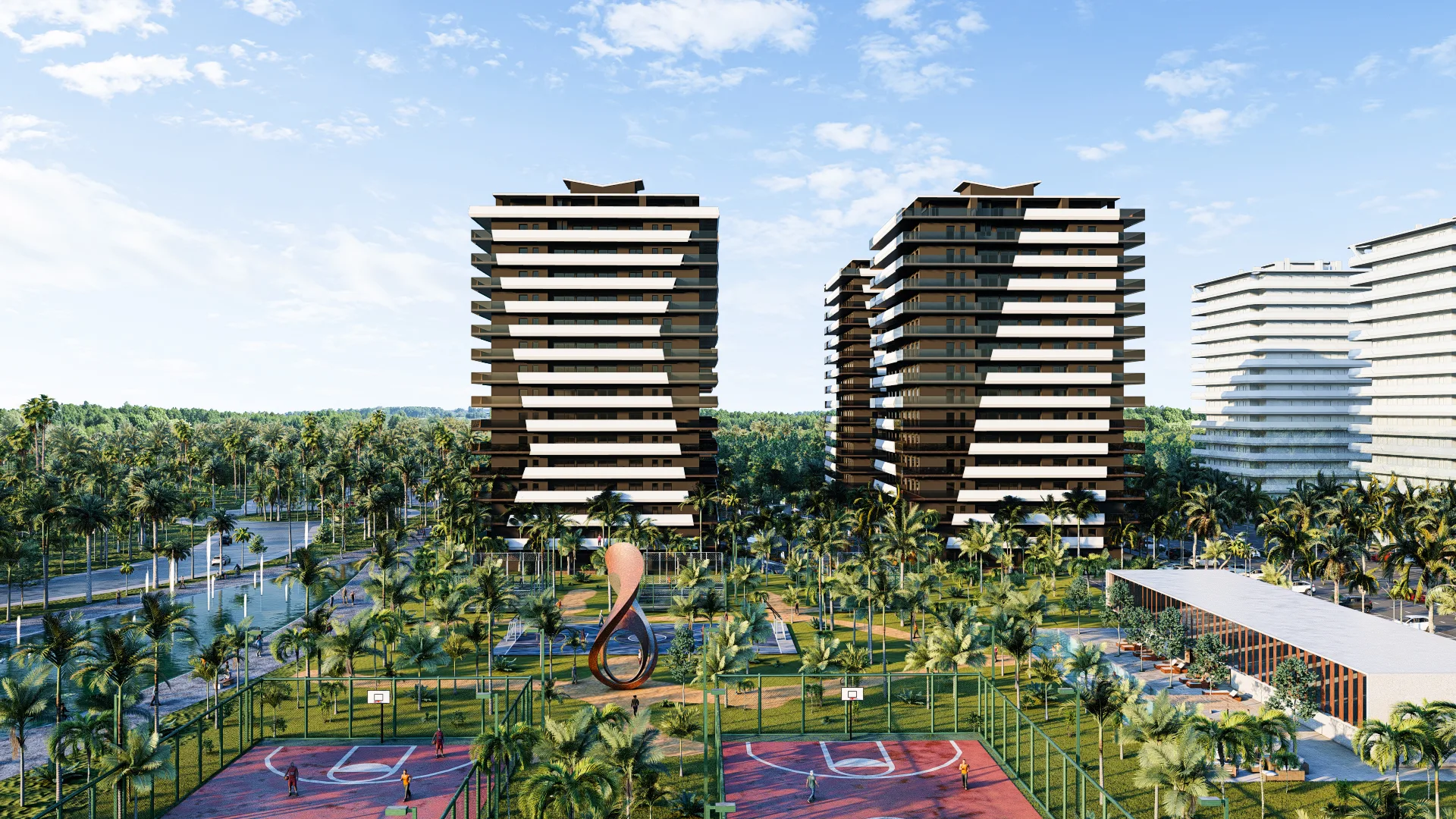
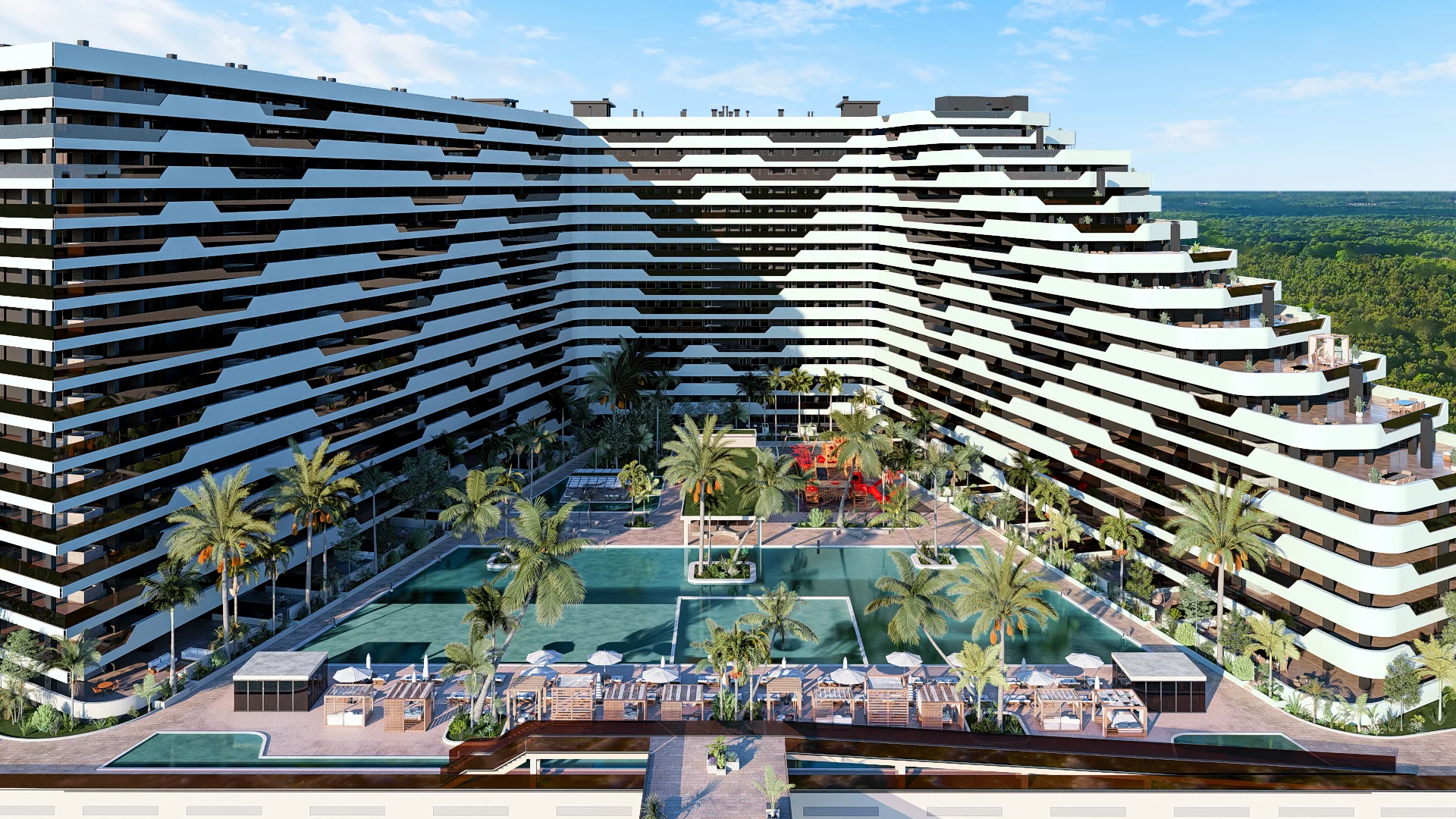
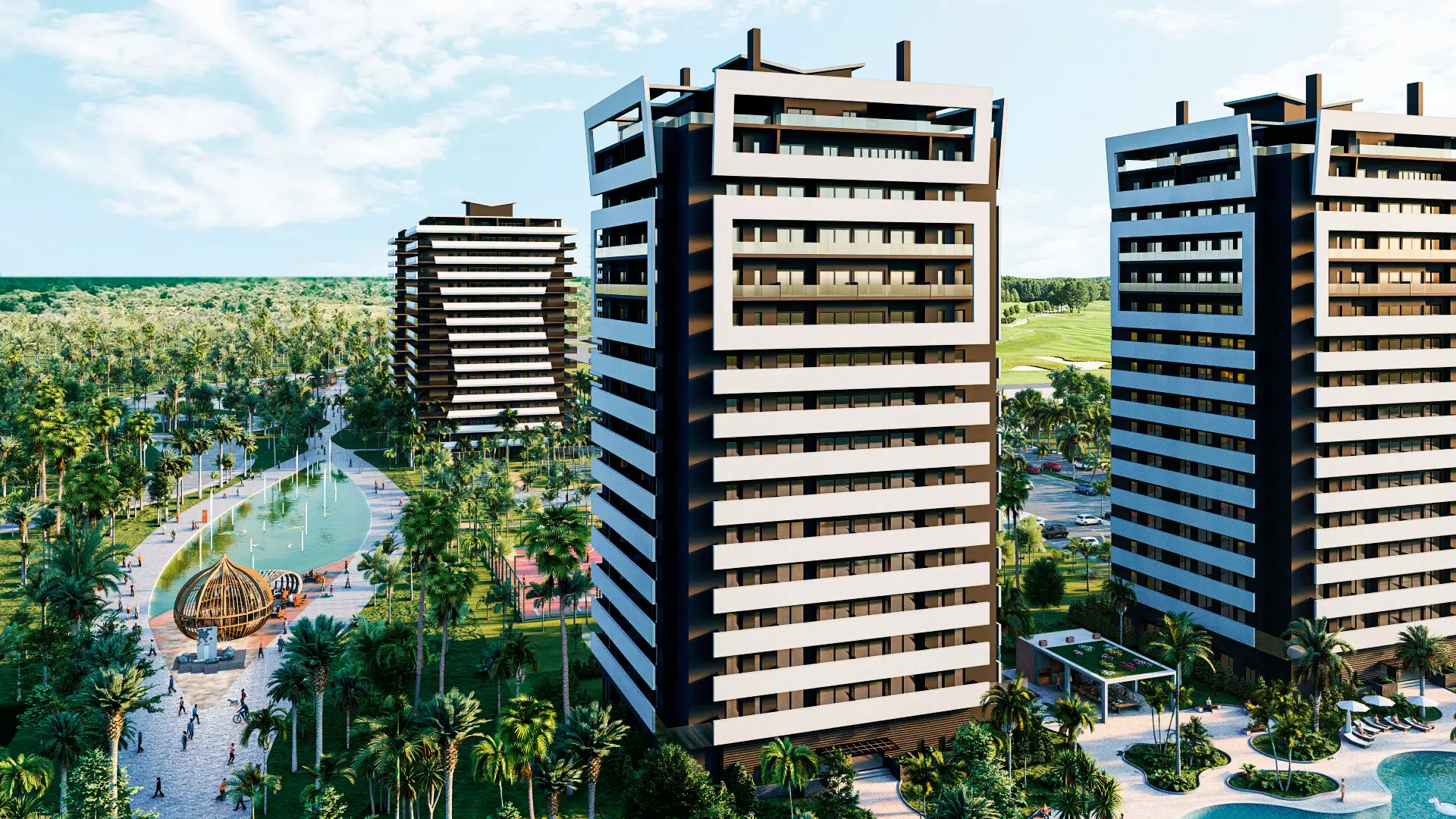
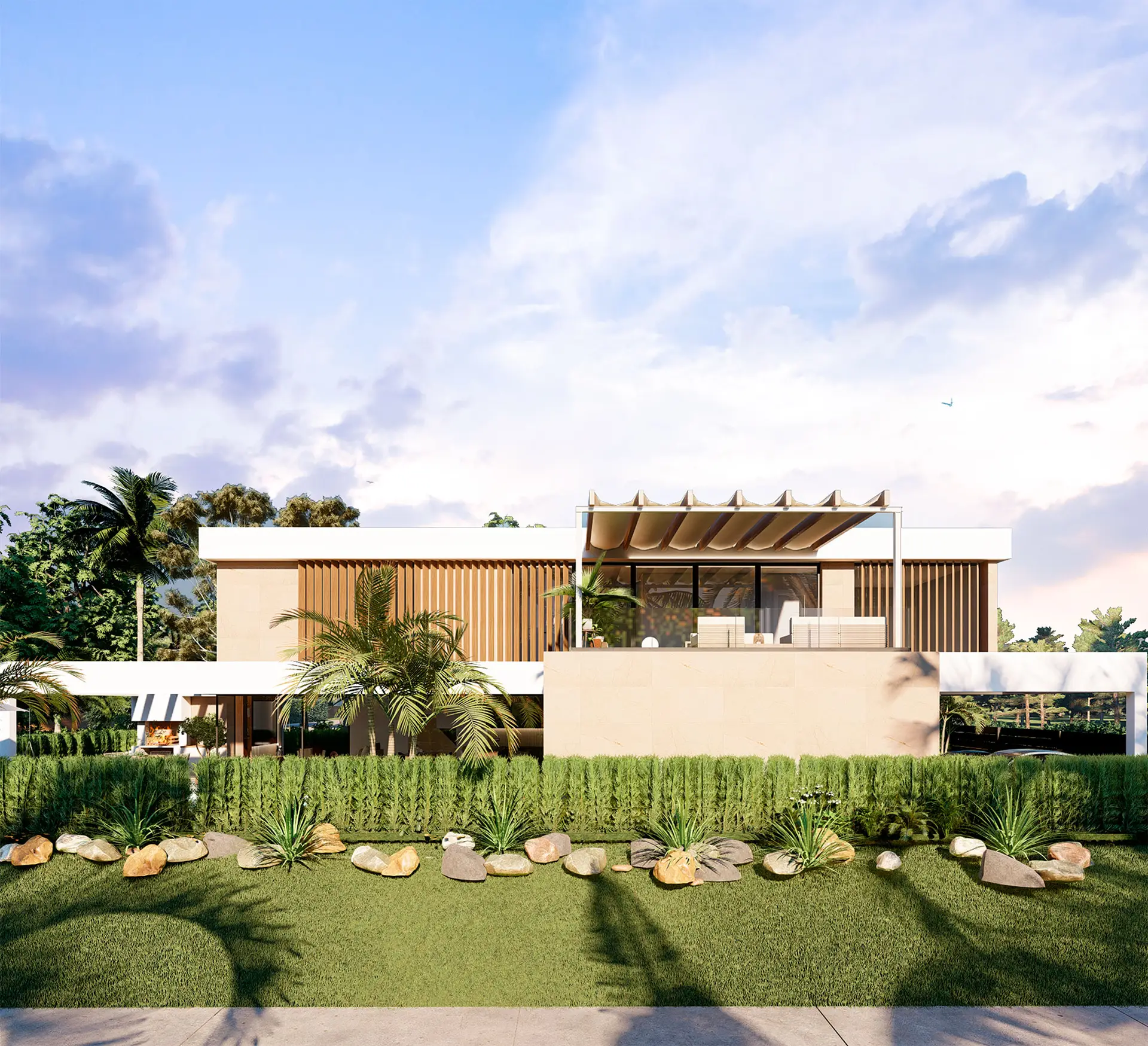
Explore the residential projects of Larimar City mentioned in this article.
Smart Investment
Join the first Smart City in the Caribbean. Discover how Larimar City redefines safety and property value in Punta Cana.
Request information