The Dominican Republic and the new map of Latin tourism
The Dominican Republic and the new map of Latin tourism
Latin America is experiencing a moment of tourism consolidation that transcends the numbers. It isn't just about travelers crossing borders — it's about a region that has turned its cultural identity, its biodiversity, and its way of understanding life into a global asset.
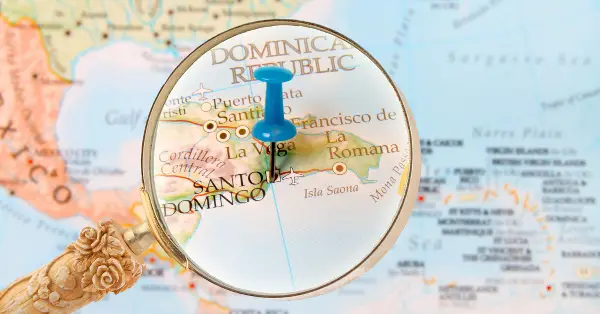
The most recent international tourism data confirms a clear trend: Latin America continues to be one of the most attractive destinations in the world. On that map of emerging and consolidated destinations, the Dominican Republic positions itself as the second most visited country in the entire region, only behind Mexico.
With 11.7 million international visitors, the Caribbean country reaffirms its role as one of the great gateways to tourism on the continent.
But behind that figure lies something deeper: a destination model that combines nature, hospitality, investment, and quality of life.
Latin America: a region that captivates the world
Latin America has something other destinations can't easily replicate: authenticity.
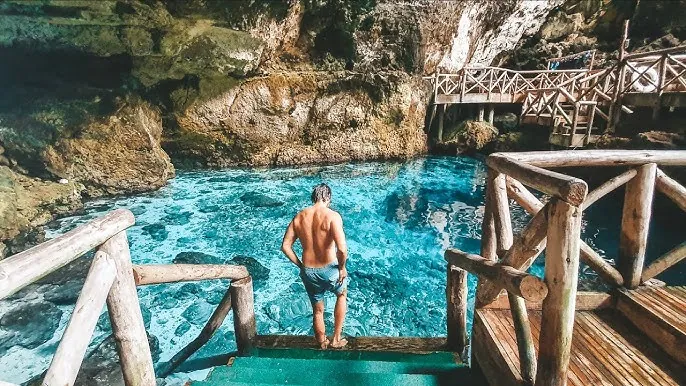
From the volcanic landscapes of Central America to the Amazon jungles, from the Andes to the Caribbean beaches, the continent offers a geographic and cultural diversity that turns every trip into a unique experience.
According to the latest international tourism data, the ranking of most visited destinations in the region reflects that richness:
- Mexico leads with 45 million international tourists
- The Dominican Republic reaches 11.7 million
- Brazil receives 9.3 million
- Argentina reaches 8.8 million
- Colombia records 6.5 million
- Chile reaches 6 million
- Peru receives 4.2 million
These figures confirm that Latin America has consolidated its position as one of the planet's most relevant tourism hubs.
But they also reveal an interesting reality: the Latin Caribbean has become one of the main drivers of this industry.
The Dominican Republic: a growing tourism model
In this regional context, the Dominican Republic stands out with its own strength.
Over decades, the country has built a solid tourism ecosystem combining infrastructure, air connectivity, legal certainty for investment, and an increasingly sophisticated experience offering.
Today, tourism represents one of the country's main economic levers, generating employment, local development, and opportunities for multiple sectors.
But Dominican success isn't explained by its beaches alone.
It's also explained by its ability to evolve.
The country has gone from being solely a resort destination to becoming a territory where different forms of tourism coexist:
- luxury tourism
- real estate tourism
- sports tourism
- gastronomic tourism
- cultural tourism
- wellness tourism
This diversification has allowed the destination to keep growing and adapting to an increasingly demanding international traveler.
Punta Cana: the tourism heart of the Caribbean
Within this growth, Punta Cana has consolidated itself as the great engine of Dominican tourism.
It's estimated that around 70% of tourists arriving in the country do so through its international airport, making it one of the most important tourism hubs in the Caribbean.
The region has combined large resorts with new urban developments, real estate projects, golf courses, marinas, gastronomic centers, and leisure experiences that elevate the destination's standard.
Today, Punta Cana represents more than a vacation spot.
It's a territory where tourism merges with lifestyle.
Where more and more visitors don't just arrive to stay a few days — they come to invest, reside, or establish new professional opportunities.
Tourism as an engine of development
When we talk about tourism, we often think only of travelers. But tourism is much more than that.
It's infrastructure, connectivity, employment, commerce, services, and urban development.
Each visitor activates an economic chain that benefits multiple sectors: transport, hospitality, culture, construction, technology, and entertainment.
In destinations like the Dominican Republic, tourism has also become a tool for territorial transformation.
New roads, airports, commercial zones, and urban projects emerge driven by the sector's growth.
In this context, tourism doesn't only generate wealth — it builds cities.
The new tourism: experiences and lifestyle
The international traveler has also changed.
Today's tourist seeks more than sun and beach.
They seek authentic experiences, wellbeing, connection with nature, local gastronomy, and destinations that offer a different way of living.
That change has driven a new tourism concept where urban design, sustainability, technology, and wellbeing form part of the value proposition.
In other words, destinations no longer limit themselves to receiving visitors.
They start to create communities and lifestyles.
Latin culture and a shared vision of the territory
In this new tourism scenario, projects are emerging that understand the territory from a broader perspective: not only as a vacation destination, but as a space for coexistence, investment, and community.
In that process, cultural connection also matters.
The developer CLERHP — a Spanish-origin company with more than 16 years of experience in Latin America — is part of that shared vision between Europe and the Latin world.
Its experience in different regional markets has allowed it to understand something fundamental: Latin America isn't just a market — it's a culture.
A way of understanding relationships, hospitality, the territory, and life.
That cultural closeness makes it easier to better interpret the needs of those who live, work, or invest in the region.
Because speaking the same language goes far beyond words — it means sharing values, sensibility, and a common way of understanding development.
Larimar City and the new generation of destinations
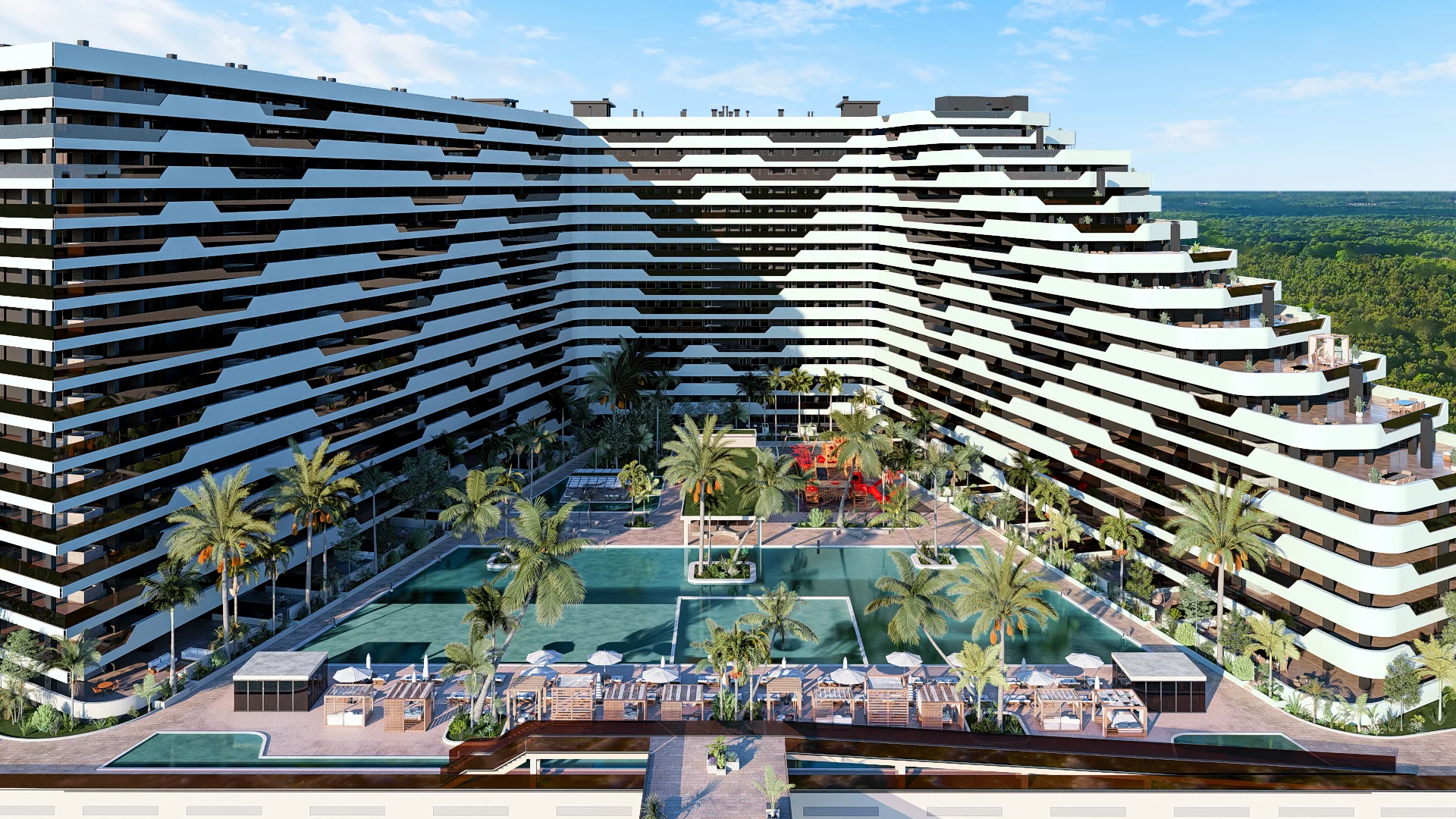
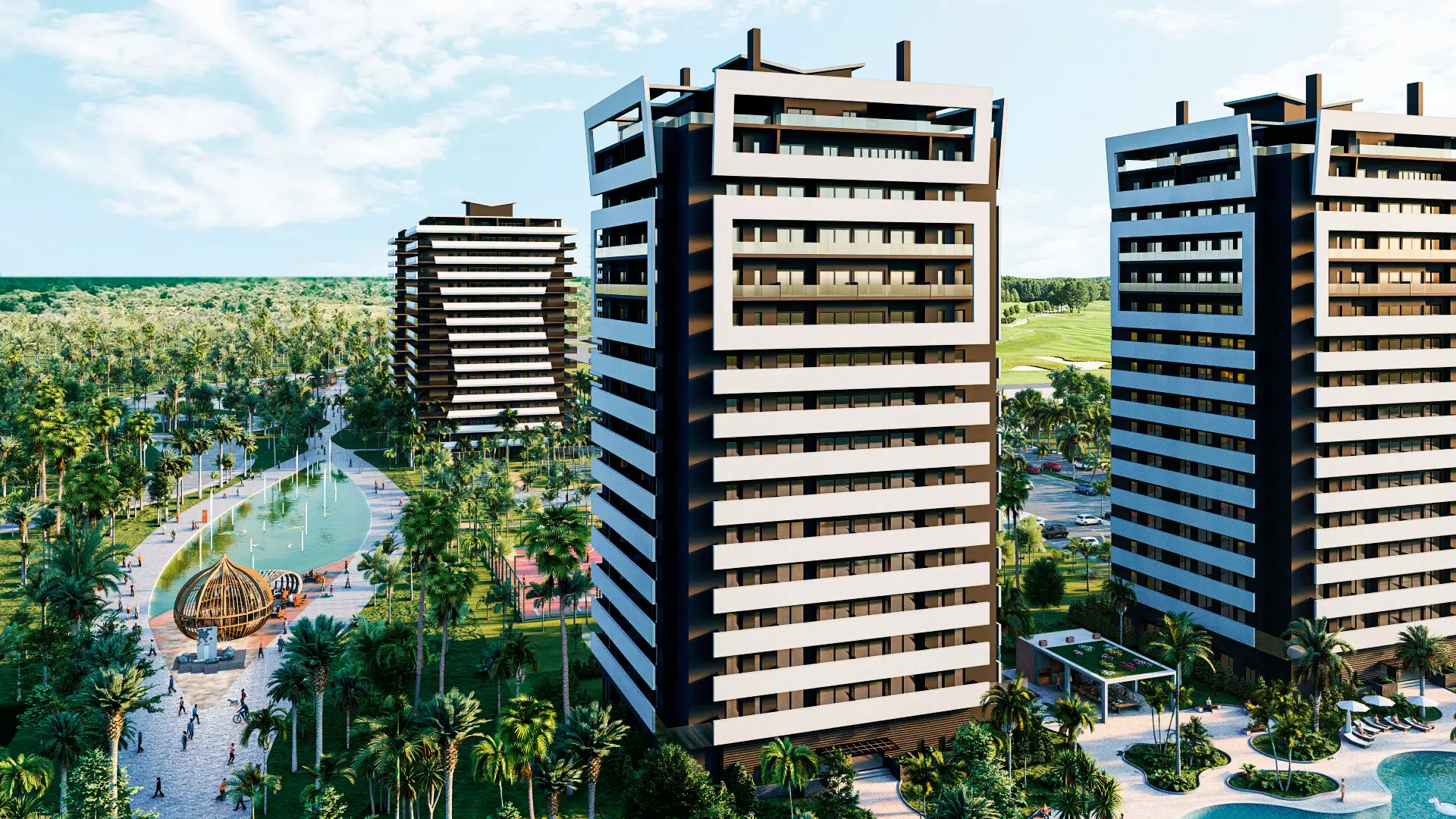
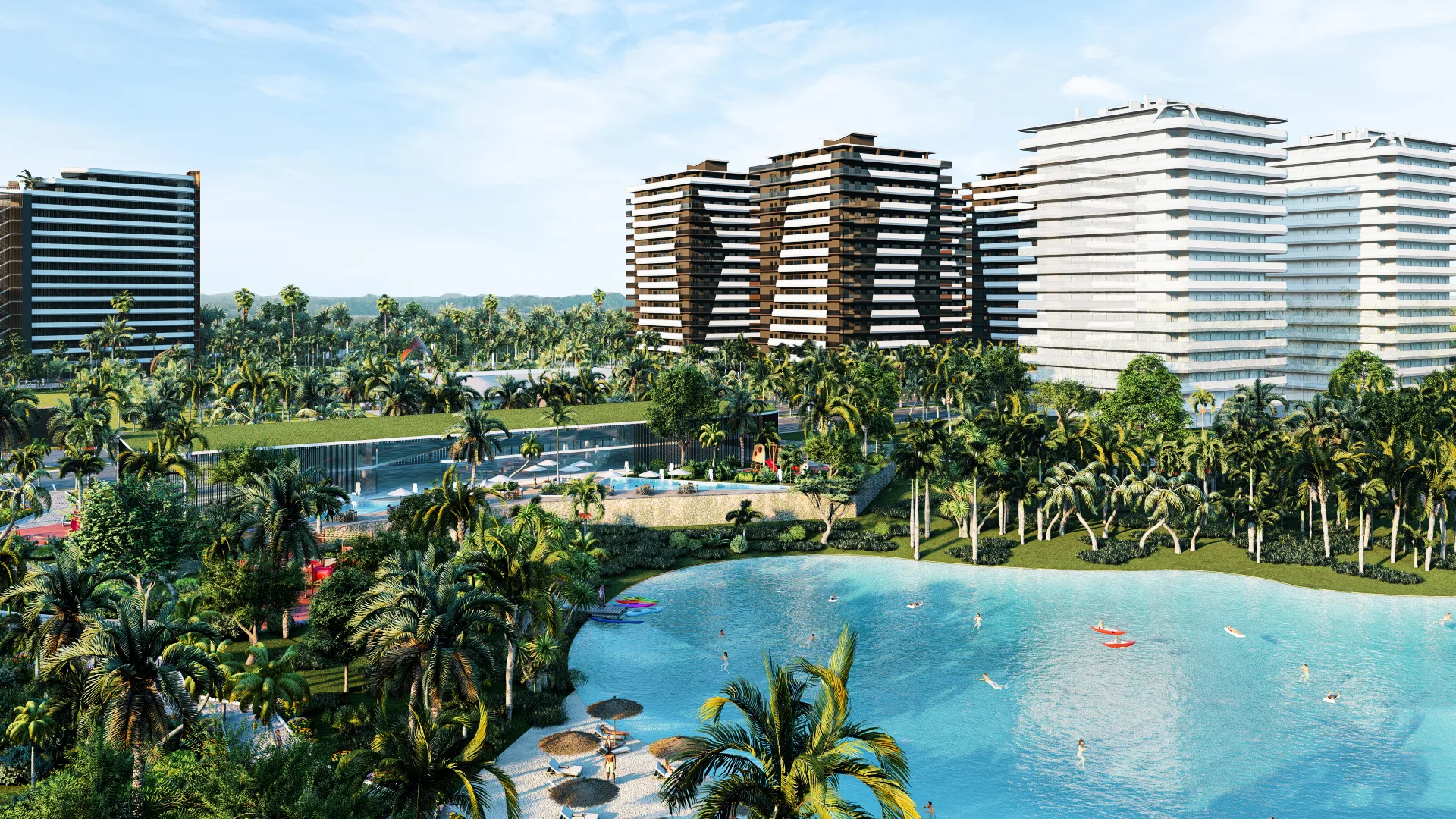
That understanding of the territory is precisely what inspires projects like Larimar City, conceived as a city that integrates tourism, urban planning, nature, and quality of life in the heart of the Caribbean.
A project born from a Latin perspective, where urban development is conceived with people, community, and the experiences that give meaning to a city in mind.
Because the future of tourism isn't only in the places we visit.
It's in the places we know how to build to live them.
And in Latin America, where hospitality is part of the culture, that future continues to be written with a unique energy.
Macarena Perona
Communications Director
CLERHP
Featured projects
Explore the residential projects of Larimar City mentioned in this article.
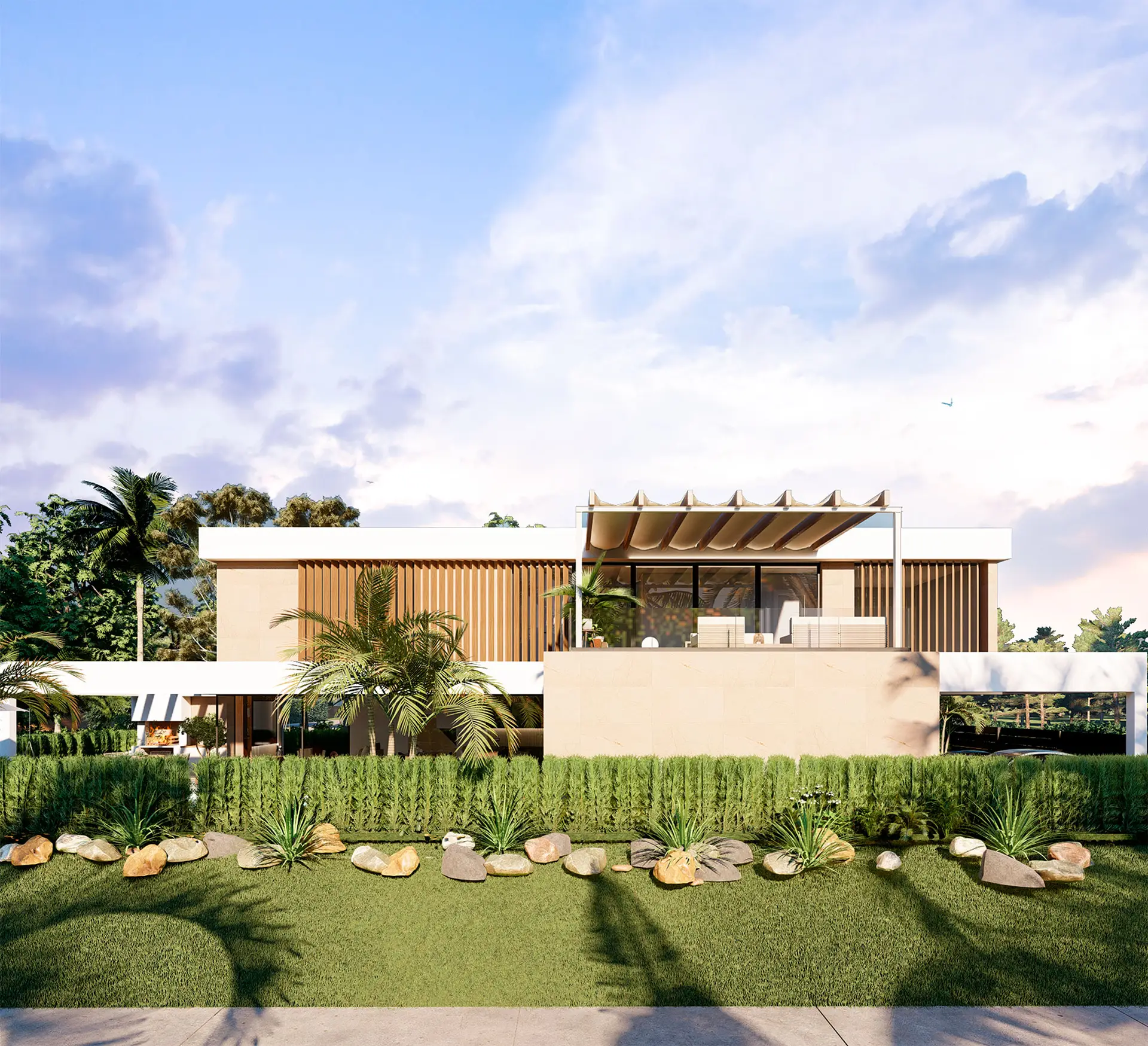
Smart Investment
Join the first Smart City in the Caribbean. Discover how Larimar City redefines safety and property value in Punta Cana.
Request informationMore Articles
Biophilic design: conscious architecture that improves quality of life and cuts environmental impact

Slow living and integrated wellness: the Caribbean answer to global stress