Slow living and integrated wellness: the Caribbean answer to global stress
 Macarena Perona · Directora de Comunicación
There is a kind of tiredness that fifteen days of holiday does not cure. It is the background exhaustion left by daily routine in big cities: mornings in traffic, schedules measured to the minute, constant ambient noise and the uncomfortable feeling that the days go by so fast you barely notice them.
For years that pace was taken for granted as the price of professional success and a decent life. Yet for the generations now approaching retirement, and for anyone who has started to value wellbeing above other ambitions, the story has changed. The real priority today is not accumulating possessions or collecting quick trips. It is something far scarcer: calm, and quality time.
That rethink is reshaping travel trends and international residential flows. Against the short getaway, slow living is gaining ground: the conscious decision to ease off, slow the daily pace, recover healthy habits and live in places where the environment supports physical and mental rest. People looking to spend long stretches abroad no longer want just a beautiful, comfortable apartment; they want somewhere that lets them switch off from city stress without giving up legal certainty, first-class medical services or an active social life.
The problem with how cities are designed
One of the biggest drivers of daily stress is the environment itself. Beyond work and social circumstances, urban design affects our mood more than we tend to think. The planning of the past half century has separated services by zone: residential areas on one side, offices that empty out at seven on another, and shopping centres in the middle of nowhere. Doing almost anything requires a car.
On top of that distance from services comes the lack of green space. In most capitals, nature is reduced to the planting on a roundabout or a fenced park between three-lane avenues. Asphalt, visual pollution and the absence of open space raise cortisol levels and turn anxiety chronic. Living under that constant overstimulation eventually takes its toll on cardiovascular health and disrupts sleep cycles.
Enjoying and walking cities again
The answer is not moving to a cabin in the mountains with no phone signal either. What people are after is balance: open communities where nature is an organic part of the landscape and where the essentials are within walking distance of home.
Climate plays an important part here. Being able to walk and enjoy your surroundings twelve months a year — gentle exercise, a swim, meeting people without checking the forecast — lifts your mood and changes your health. But climate alone is not enough. For a destination to work long term for international residents, it has to guarantee proper infrastructure: stable power, digital connectivity, safe surroundings, healthcare, and enough culture and leisure to fill a life. That is why the Caribbean's role is shifting towards being a strategic residential destination, able to offer the calm that big cities lost years ago.
A planned answer: the Larimar City model
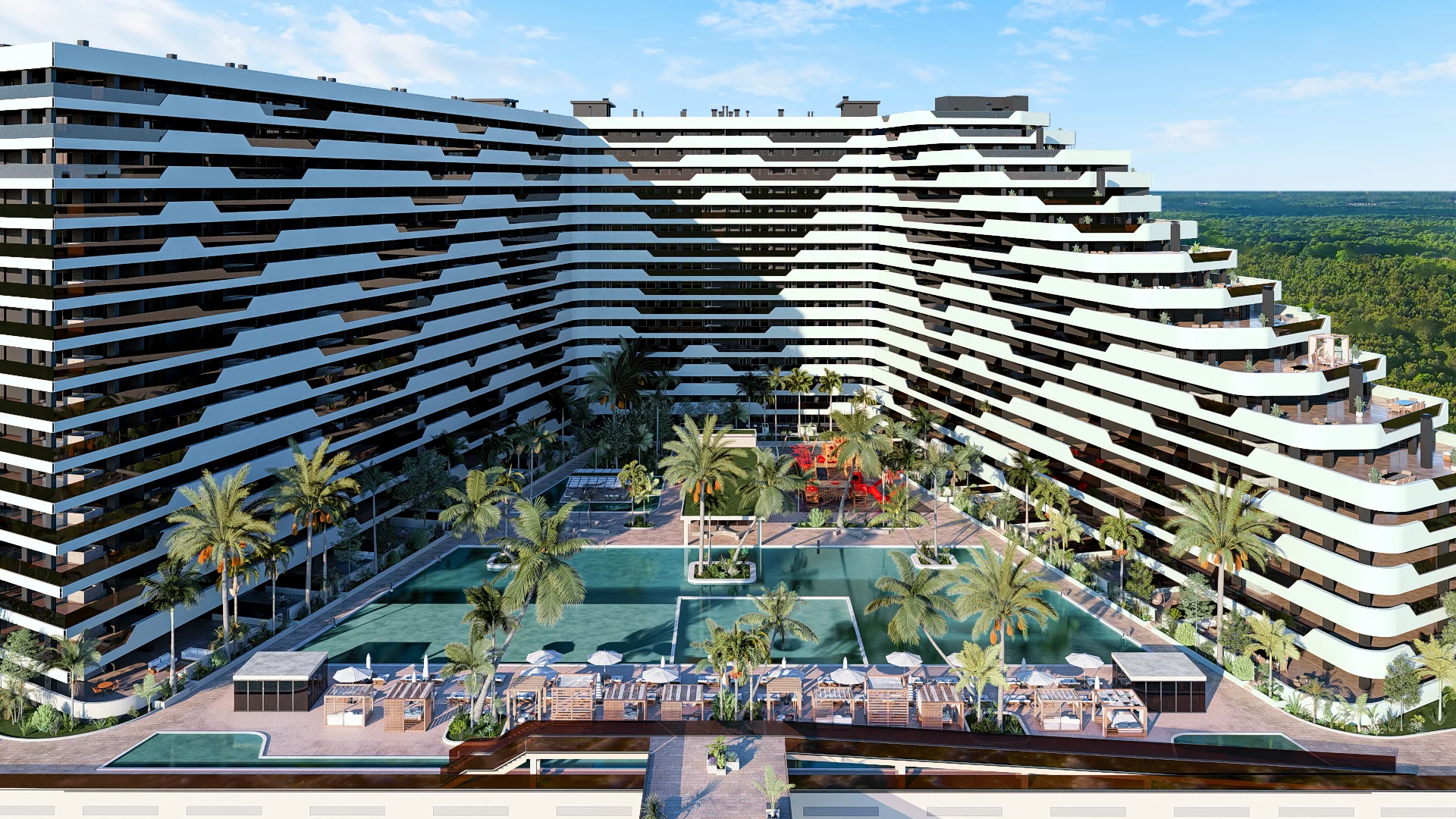
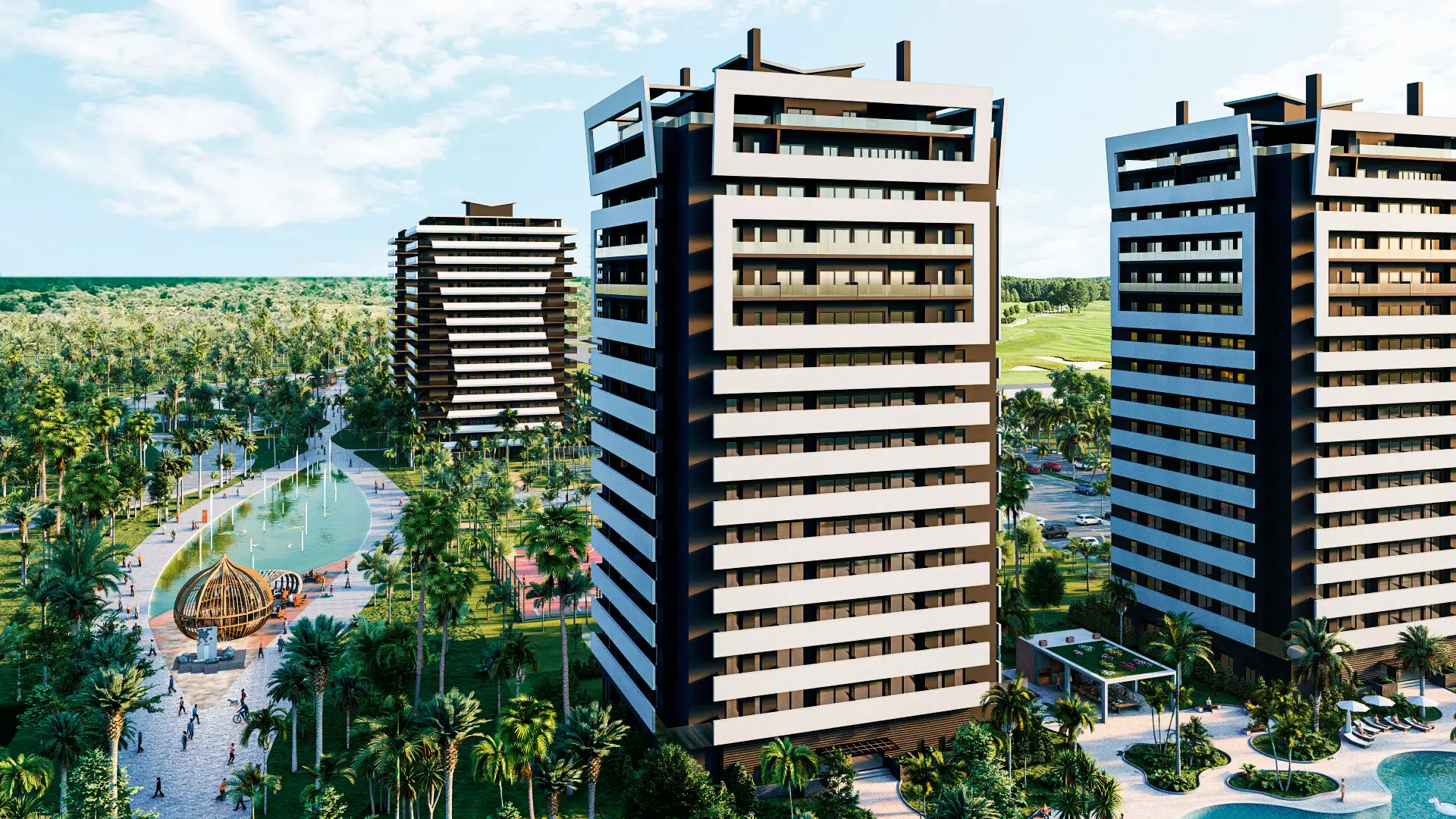
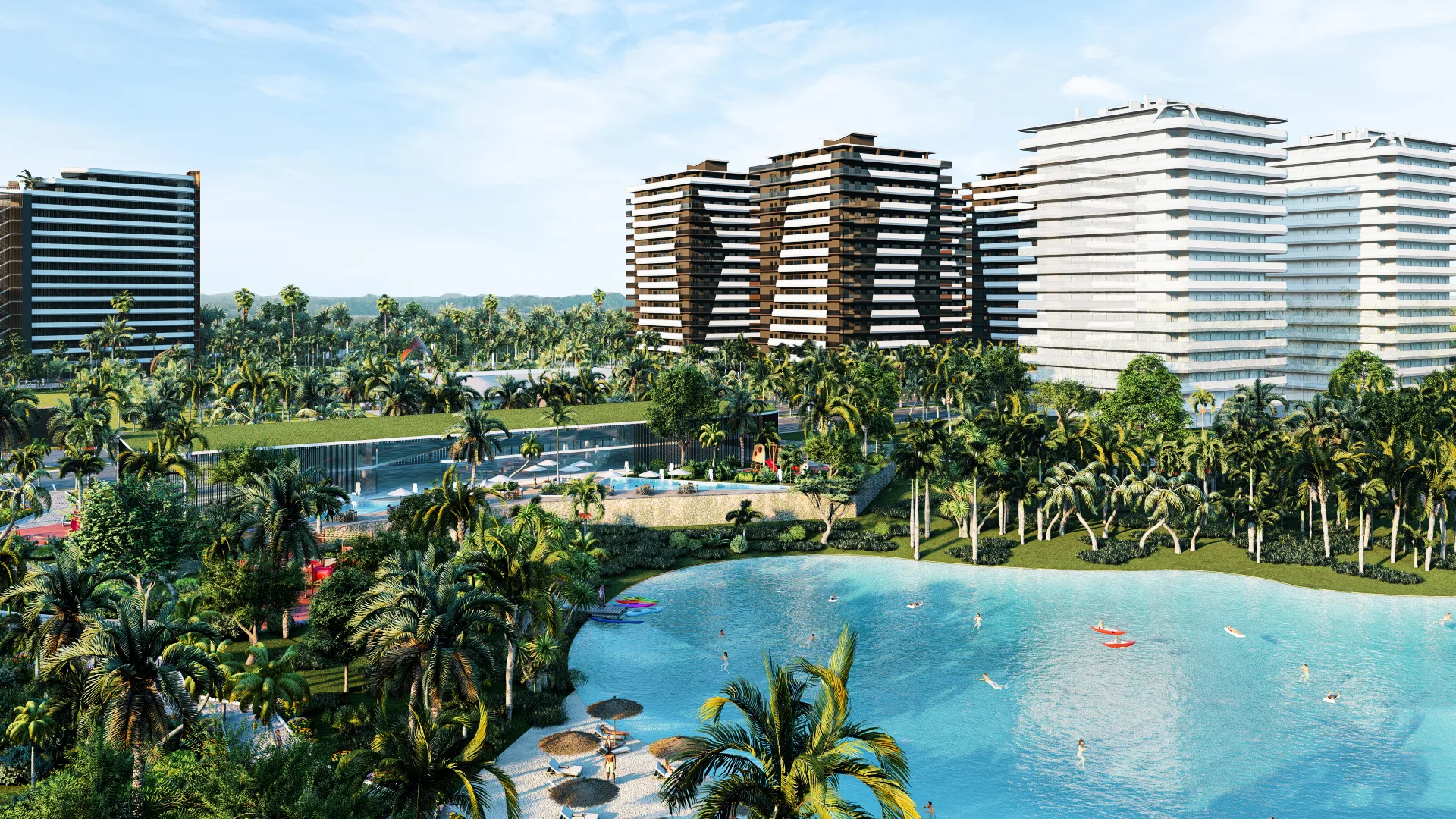
That is the thinking behind Larimar City & Resort, in the Punta Cana area of the Dominican Republic. Against the traditional urban model, the city is structured around biophilic planning and walkable proximity. The layout prioritises wide tree-lined boulevards, lagoons and natural corridors, arranged so that any resident can walk to community, healthcare or leisure areas in under fifteen minutes. That design cuts the need to drive for everyday journeys and gives the street back its role as a place to meet. Wellbeing is the starting point of the whole project, which brings together sports areas, golf courses, green space and personal-care centres alongside first-class medical facilities, shops and schools, all within the development or a comfortable distance from it. The result is a slower pace of life with the reassurance that everything essential is close at hand.
In the end, with big cities more saturated every year, projects like Larimar City & Resort show that chronic stress is not something you have to accept. The idea of a calm life stops sounding like an advertising slogan when the place you live actually supports it. It comes down to choosing somewhere built to look after your health and your time.
Written by
Macarena Perona
Directora de Comunicación
Featured projects
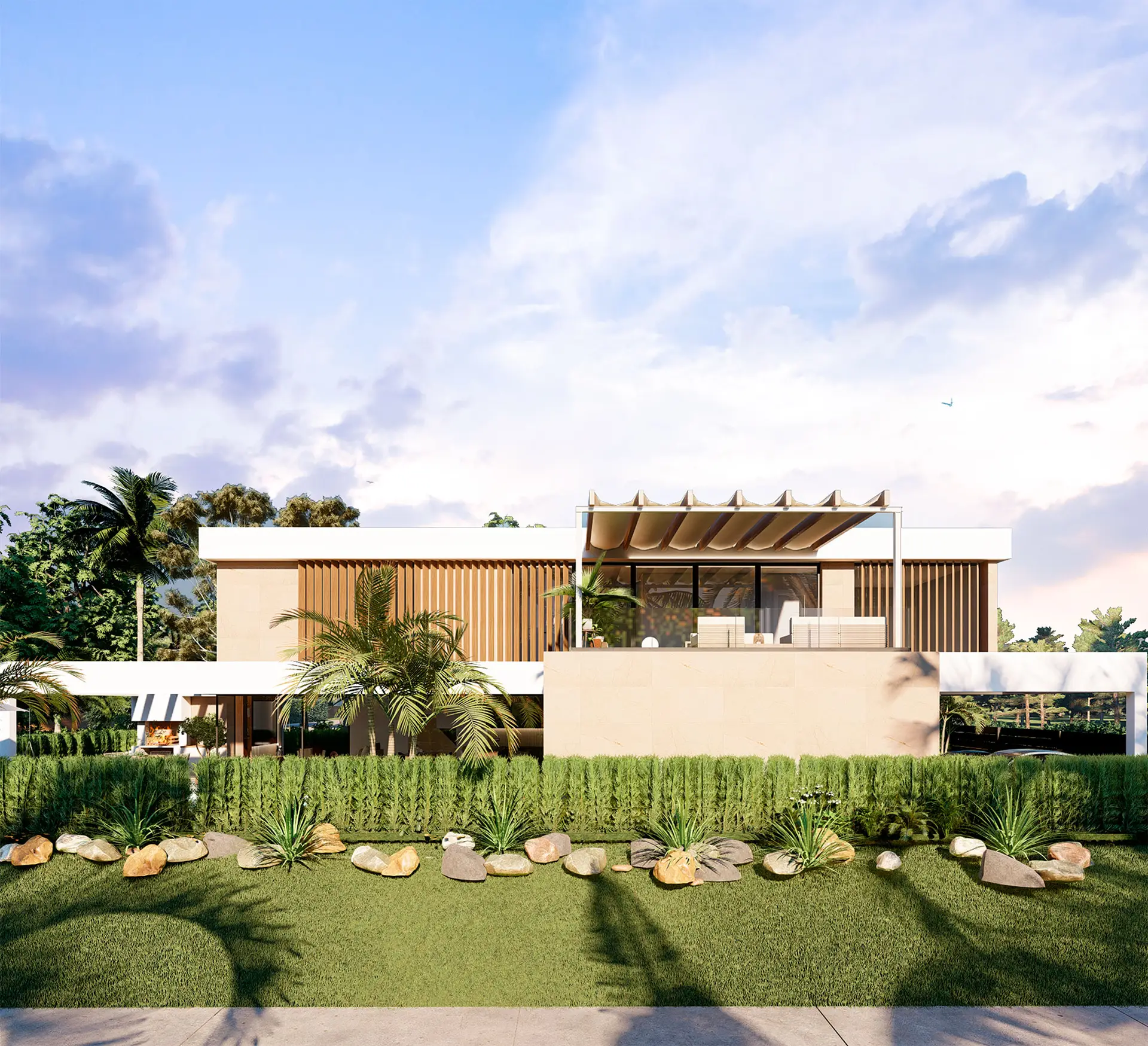
Explore the residential projects of Larimar City mentioned in this article.
Smart Investment
Join the first Smart City in the Caribbean. Discover how Larimar City redefines safety and property value in Punta Cana.
Request informationMore Articles
Biophilic design: conscious architecture that improves quality of life and cuts environmental impact
From a Privileged Natural Reserve on the Farallón: 5 Places to Keep Discovering Punta Cana's Nature