Dominican Republic: flavors that narrate a Caribbean identity
Dominican Republic: flavors that narrate a Caribbean identity
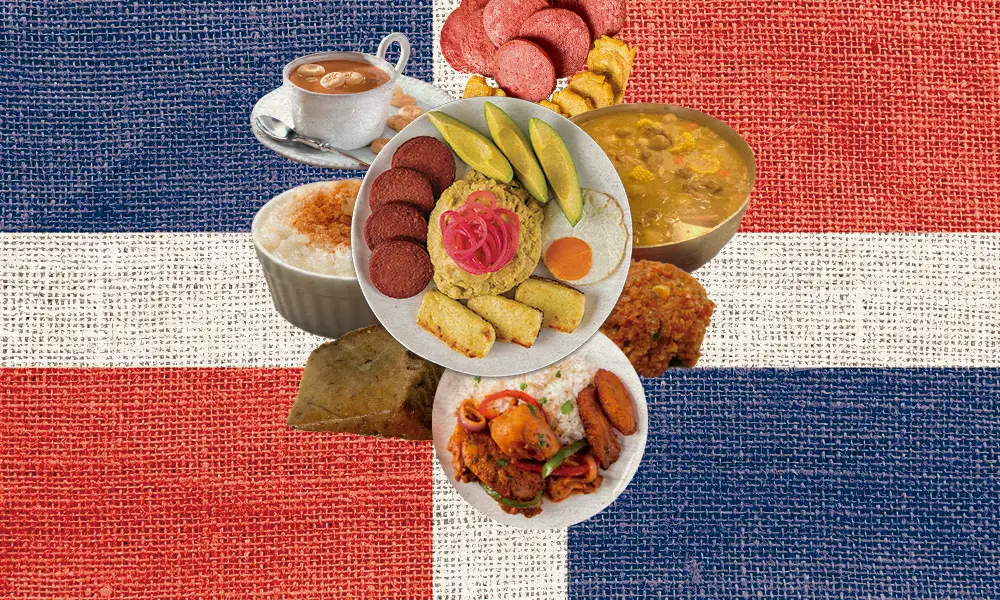
Dominican cuisine is one of the most authentic cultural expressions of the Caribbean. Through its flavors, ingredients, and traditions, you can understand the country's history, territory, and identity. Built over centuries, this cuisine has turned the Dominican Republic into a gastronomic reference with its own identity within the Caribbean.
A cultural heritage cooked slowly
Dominican cuisine is born from the encounter of three great cultures: Taíno, African, and European. Each contributed ingredients, techniques, and ways of understanding food that remain present today.
Influences that shaped Dominican cuisine
- Taíno culture: yuca, corn, chili, and casabe as the dietary base
- African heritage: techniques, seasonings, and communal cooking
- European influence: preparation methods adapted to the tropics
This blending gave rise to an authentic gastronomic identity, deeply tied to daily life and collective memory.
The land as flavor narrator
In the Dominican Republic, geography is one more ingredient. Each region expresses its character through cuisine, reflecting climate, landscape, and natural resources.
Main culinary regions
- The South: intense flavors, goat (chivo), chenchén, and fish
- The Cibao: agricultural heart, rice, vegetables, meats, and cacao
- The East: fresh cuisine, coconut, seafood, and migratory influences
This diversity makes Dominican gastronomy a complete experience for the visitor.
Local products: the soul of Dominican cuisine
Behind every dish there's a direct relationship with the land and the sea. Local products define the character of Dominican cuisine and reinforce its cultural value.
Fundamental ingredients
- Staples: yuca, plantain, sweet potato, yautía
- Tropical fruits
- Fresh fish and seafood
- Cacao, coffee, and sugarcane
These ingredients don't just feed — they form part of a cultural heritage passed down from generation to generation.
Tradition that evolves without losing its essence
Dominican cuisine doesn't stand still. In recent years it has gone through a process of revaluation and evolution. Chefs, producers, and gastronomic projects reinterpret the traditional from a contemporary perspective, elevating local ingredients without losing their identity.
Gastronomy, tourism, and culture
Today, gastronomy is one of the great drivers of cultural tourism. Traveling also means tasting the destination and connecting with its people. Traditional markets, popular eateries, signature restaurants, and rural experiences let visitors dive into the Dominican essence from multiple perspectives.
International views toward a unique culinary heritage
From an international perspective, Dominican cuisine represents a cultural heritage of great value. For tourism development projects with a European vision, like Larimar City & Resort, this culinary richness is integrated as an element that adds authenticity and connection to the territory. Cuisine is thus understood as a cultural, sensory, and identity experience.
The future of Dominican flavor
The main challenge is to protect recipes, products, and traditional know-how. At the same time, there's a great opportunity to drive conscious, sustainable innovation. Dominican gastronomy has the potential to keep growing without losing its roots, projecting itself to the world as an authentic and diverse cuisine.
This article relies on the Dominican Gastronomic Guide (2021) as an institutional reference document.
Deborah Hernández Soto
Communications Department
Featured projects
Explore the residential projects of Larimar City mentioned in this article.



Smart Investment
Join the first Smart City in the Caribbean. Discover how Larimar City redefines safety and property value in Punta Cana.
Request information