From the shadows to the heritage of humanity: how bachata conquered the world
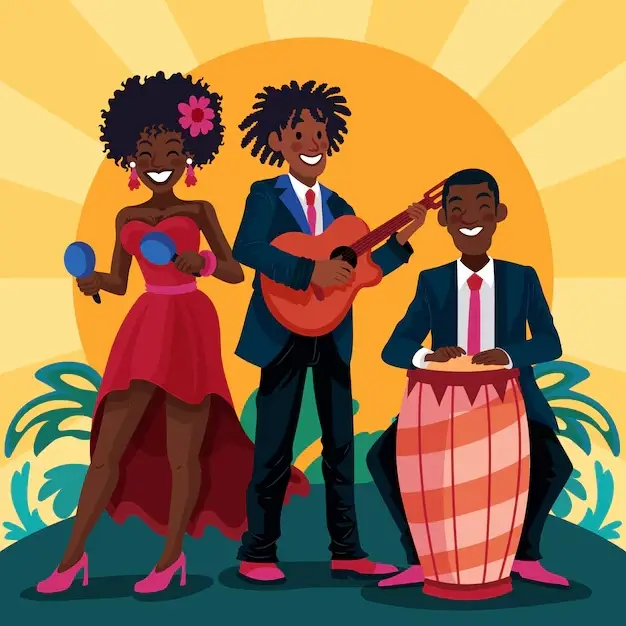
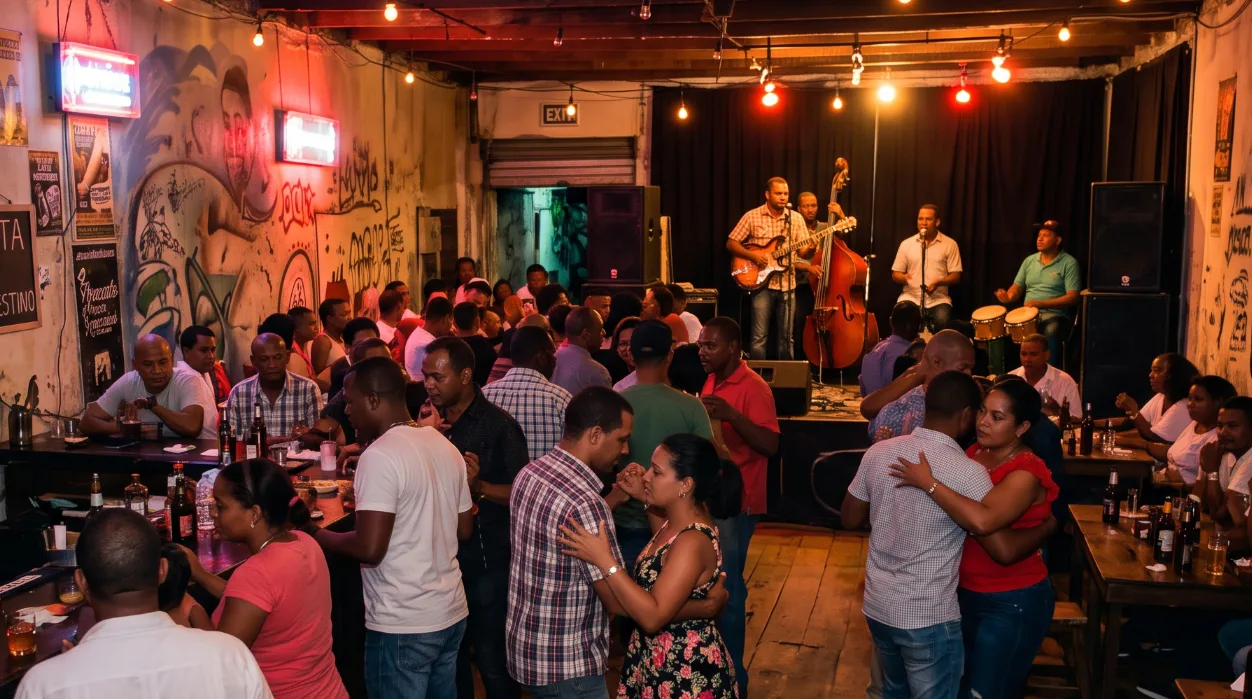
There was a time when listening and dancing to bachata in Santo Domingo drew disapproving looks. It was not a matter of taste but a pure class barrier. In the early sixties, with the country still dusting itself off after the fall of the dictator Rafael Leónidas Trujillo, something different began to play in the alleys, bars and brothels on the outskirts. A rough, unpolished music. Steel-string guitars weeping over heartbreak to the sharp beat of the bongo and the scrape of the güira. The elites shunned it at once: they scornfully called it "música de guardia" or slum music, a marginal noise that did not deserve to cross the threshold of a respectable home.
Years later, however, history took an almost poetic turn. In December 2019, meeting in Bogotá, UNESCO officially declared bachata Intangible Cultural Heritage of Humanity. Beyond the institutional recognition or the honouring of a structure of beats and dance steps, it was the revenge of popular memory. With that seal, bachata not only matched merengue in prestige; it also resolved one of the Caribbean’s most fascinating cultural paradoxes: a lament born in the mud had ended up conquering the dance halls of the world.
The popular roots of bachata
At first, the word "bachata" did not even name a style of music. In the Dominican countryside and the outlying neighbourhoods, a bachata was simply a group of people getting together in the backyard. An improvised party with a few shots of rough rum, close dancing and stories that stretched into the early hours.
Things began to take shape around 1962. That was the year José Manuel Calderón went into the studios of Radio Televisión Dominicana to record songs such as Borracho de amor. What came out was a somewhat bastard but magnetic hybrid: it had the skeleton of the rhythmic bolero, the pulse of son and the swagger of country music.
Working-class audiences connected immediately, but commercial radio chose to look the other way. For years the big media outlets slammed the door in its face; playing bachata was synonymous with bar-room drunkenness, vulgar heartbreak and people best kept out of sight.
In the middle of that blockade a key figure appeared: Radhamés Aracena. From his station, Radio Guarachita, Aracena set up a kind of musical trench. He did not just open the microphone to artists such as Leonardo Paniagua, Luis Segura or Eladio Romero Santos; he recorded them, pressed their records and put them on air when nobody else dared. Without that stubbornness, bachata would probably have stayed trapped in the backyards where it was born.
The bridge with Puerto Rico: Caribbean crosscurrents
Bachata never grew up in isolation. The Caribbean has always been a coming and going of ships, records and shared nostalgia, and on that map the bridge between the Dominican Republic and Puerto Rico was decisive in cementing the genre.
Long before the word "bachata" was heard on the radio, the jukeboxes in Dominican bars were already wearing out their needles with music from the neighbouring island. People listened to a lot of bolero jíbaro, rural and heart-rending. The plaintive voice of Odilio González, "El Jibarito de Lares", and the sharp guitars of Puerto Rican musicians made a deep impression on the first bachateros. In the end, they sang about the same sorrows: leaving the countryside to break your back in the city, raw heartbreak and wounded pride after a bad night.
Years later the current crossed the Mona Passage in the other direction. Dominican migrants who arrived in San Juan carried their music in their suitcases. In the bars and street corners of Santurce or Barrio Obrero, bachata was not just a party: it was an anchor to the land they had left behind. Soon Puerto Rican musicians and producers, used to hard-hitting salsa and polished ballads, noticed that dry, dramatic sound of steel strings. They saw raw energy in it. It was the start of a natural alliance that opened the doors of the island’s big studios to bachata and, along the way, gave it a passport to the rest of the continent.
The genre’s sophistication and mass appeal
The genre’s definitive transformation began in the nineties. The undisputed turning point came when Juan Luis Guerra released his masterpiece, Bachata Rosa. With polished poetic arrangements, crafted metaphors and pinpoint production, Guerra showed that the rhythm held a sophisticated beauty that could be played in any hall in the world without losing its native roots.
But the story did not end there. In the Bronx, the children of Dominican migrants, raised side by side with the Puerto Rican community, blew everything wide open. Four young men called Aventura, led by a very young Romeo Santos, plugged in electric guitars, R&B and New York street attitude. It was no longer just the lament of the countryside: it was global pop. Within a few years, half the planet, from Madrid to Tokyo, was filling stadiums and trying to learn to move their hips to the rhythm of the güira.
A living legacy that crosses borders
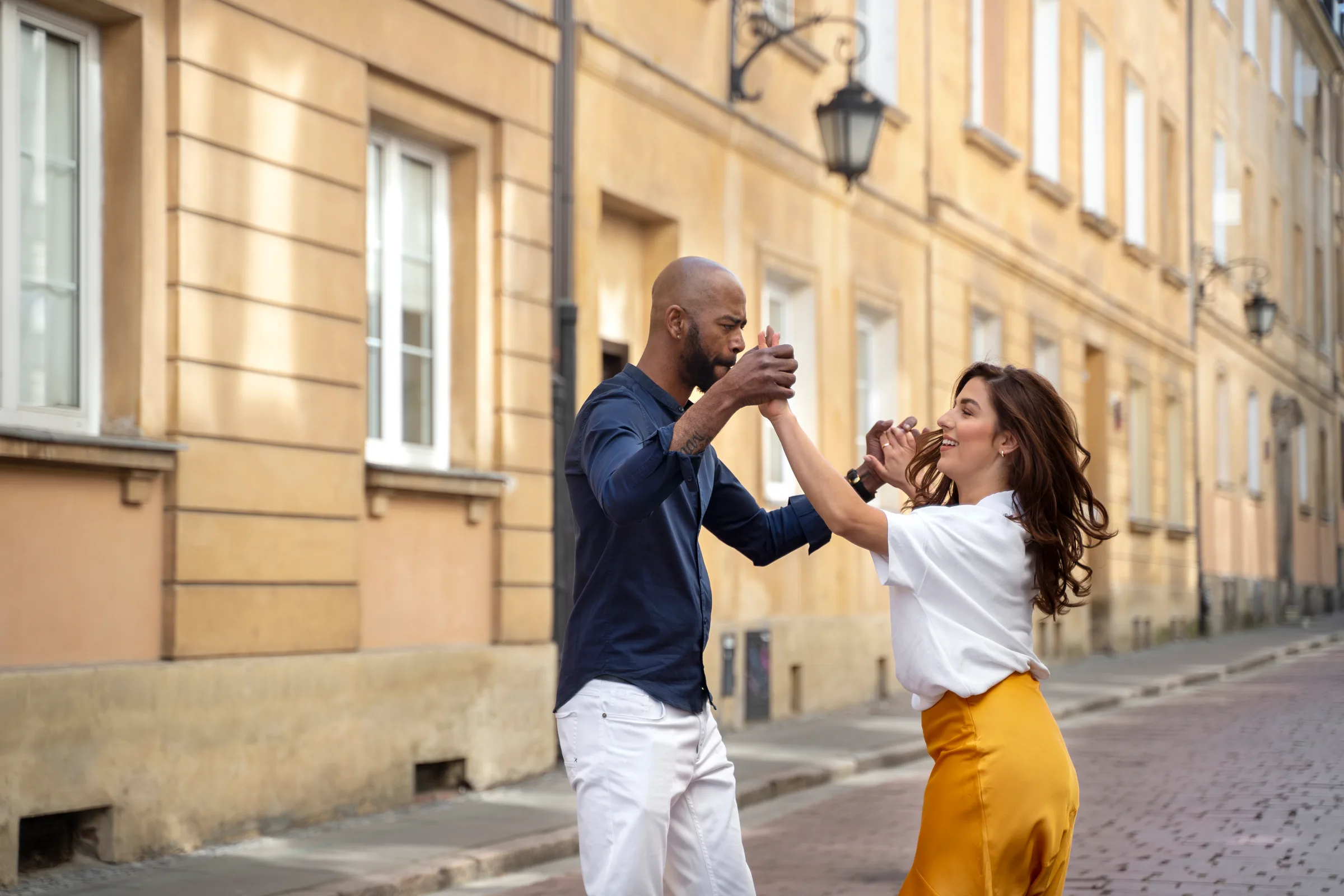
When UNESCO confirmed its inscription on the representative list, it recognised that bachata has the purest attributes of intangible heritage: it is passed on orally from generation to generation, it comes from the people and it accompanies both celebration and grief. It is learned at home, on street corners and in backyards, as part of a culture that is now universal.
Seeing bachata today as a subject of study or an international anthem has a touch of poetic justice. That bastard rhythm, the one people were ashamed to admit they listened to, ended up beating both time and classism. A music born in the darkest corners of the Caribbean’s bars that today simply belongs to anyone who wants to dance it.
Featured projects
Explore the residential projects of Larimar City mentioned in this article.



Smart Investment
Join the first Smart City in the Caribbean. Discover how Larimar City redefines safety and property value in Punta Cana.
Request information