The Coffee Ritual: The Importance of the cafecito and the Coffee Tradition in the Dominican Republic
 Macarena Perona · Directora de Comunicación
In many countries around the world, coffee is simply a way to wake up. In the Dominican Republic it is also a way to spark conversation, welcome a neighbor, close a deal, visit family or share a few minutes with other people.
A small ritual that reflects a lifestyle built on closeness, hospitality and the value of sharing time with others.
The Dominican Republic, a country with a coffee-growing tradition
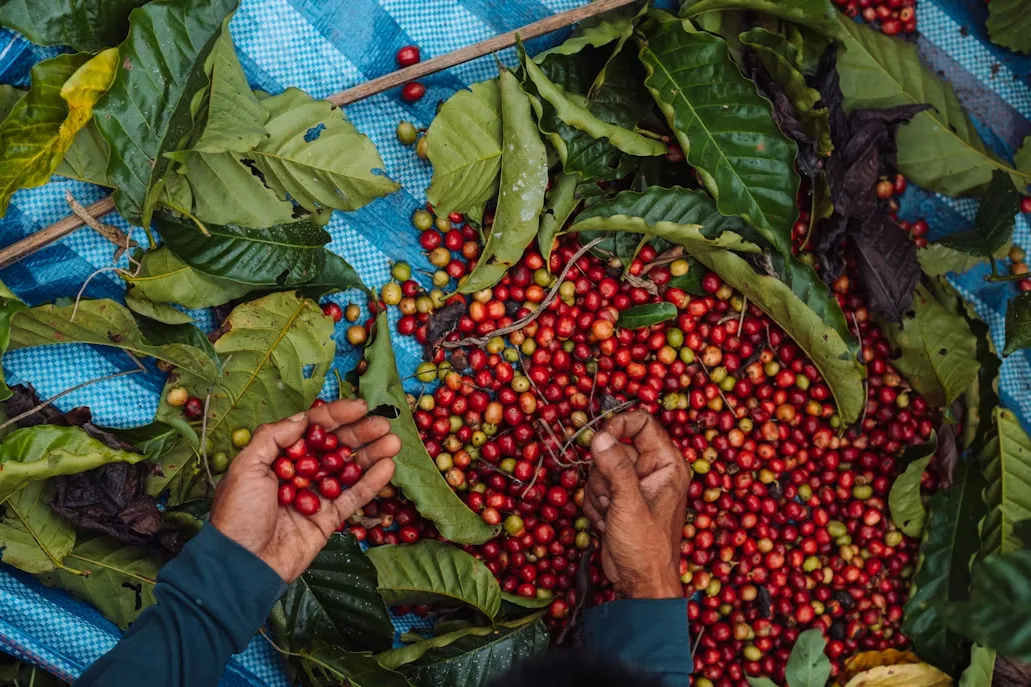
The bond between the Dominican Republic and coffee dates back to the 18th century, when the first coffee plants arrived in the country from other regions of the Caribbean. Since then, coffee growing has been part of Dominican identity, becoming one of its most representative agricultural products and an economic engine for many rural areas.
Today, regions such as Cibao, Valdesia, Barahona and Neiva keep this tradition alive, producing coffees recognized for their quality, their aroma and their unique notes of flavor. The combination of altitude, tropical climate and fertile soils has allowed Dominican coffee to establish itself as one of the great benchmarks of the Caribbean.
In the Dominican Republic, the importance of coffee goes far beyond its production. Unlike in other countries, where coffee is mainly associated with individual consumption, in Dominican culture it has become a social element capable of bringing people together around a conversation. Understanding the country's coffee-growing tradition is, in a way, also understanding an essential part of its way of life.
The "cafecito": much more than a drink
In the Dominican Republic, offering a coffee is one of the most everyday expressions of hospitality. It does not matter whether it is an unexpected visit, a work meeting or a conversation among friends: the "cafecito" (that small cup of coffee) is an undisputed constant.
This seemingly simple gesture is part of a tradition deeply rooted in Dominican culture. Coffee has become an excuse to pause the frantic pace of daily routine for a few minutes in order to share experiences and strengthen personal ties. In a country where closeness and human connection hold a prominent place, coffee represents a way of connecting with others.
For many residents and visitors, this custom is one of the first signs that life in the Dominican Republic is lived in a different way. Here, shared time holds a special value and small daily routines take on a meaning that goes beyond the symbolic. Simply accepting a cafecito is also a way of becoming part of the local culture and discovering one of the country's most representative traditions.
Living in the Dominican Republic: learning to slow down
There is something many foreigners discover shortly after arriving in the Dominican Republic: here, time seems to pass in a different way. Everyday life is marked by a greater connection with one's surroundings, by the importance of personal relationships and by a philosophy that prioritizes enjoying the present.
The cafecito is probably one of the best examples of this. While in many large cities coffee is drunk in a hurry, on the way to work or between meetings, in the Dominican Republic it often becomes an invitation to stop for a few minutes and share a conversation. It is a small custom that reflects a different way of understanding daily life.
What to do in Punta Cana: discover coffee and local culture
When people think of Punta Cana, they usually picture white-sand beaches and beachfront hotels. However, one of the best ways to get to know the destination is to explore its culture and the small customs that are part of the everyday life of its residents.
Tasting a Dominican coffee is one of them. In local cafés as well as in restaurants and markets, visitors have the chance to discover some of the country's most representative varieties and understand the importance this product holds in the national identity. In addition, a growing number of dining venues are incorporating local products and immersive experiences tied to Dominican tradition, allowing residents and tourists to connect with a more authentic side of the Caribbean.
For those wondering what to do in Punta Cana, spending a morning enjoying a Dominican breakfast paired with a good coffee can become an experience as memorable as visiting a beach or trying water sports. Because, in the end, getting to know a destination also means understanding its culture, its customs and the way its people enjoy the small things of everyday life.
Larimar City, a city designed for sharing
Cities are not defined solely by their buildings or their infrastructure, but by the experiences they make possible. In the Dominican Republic, the cafecito is a reflection of the importance of community, of spontaneous encounters and of a way of living where personal relationships still hold a central place.
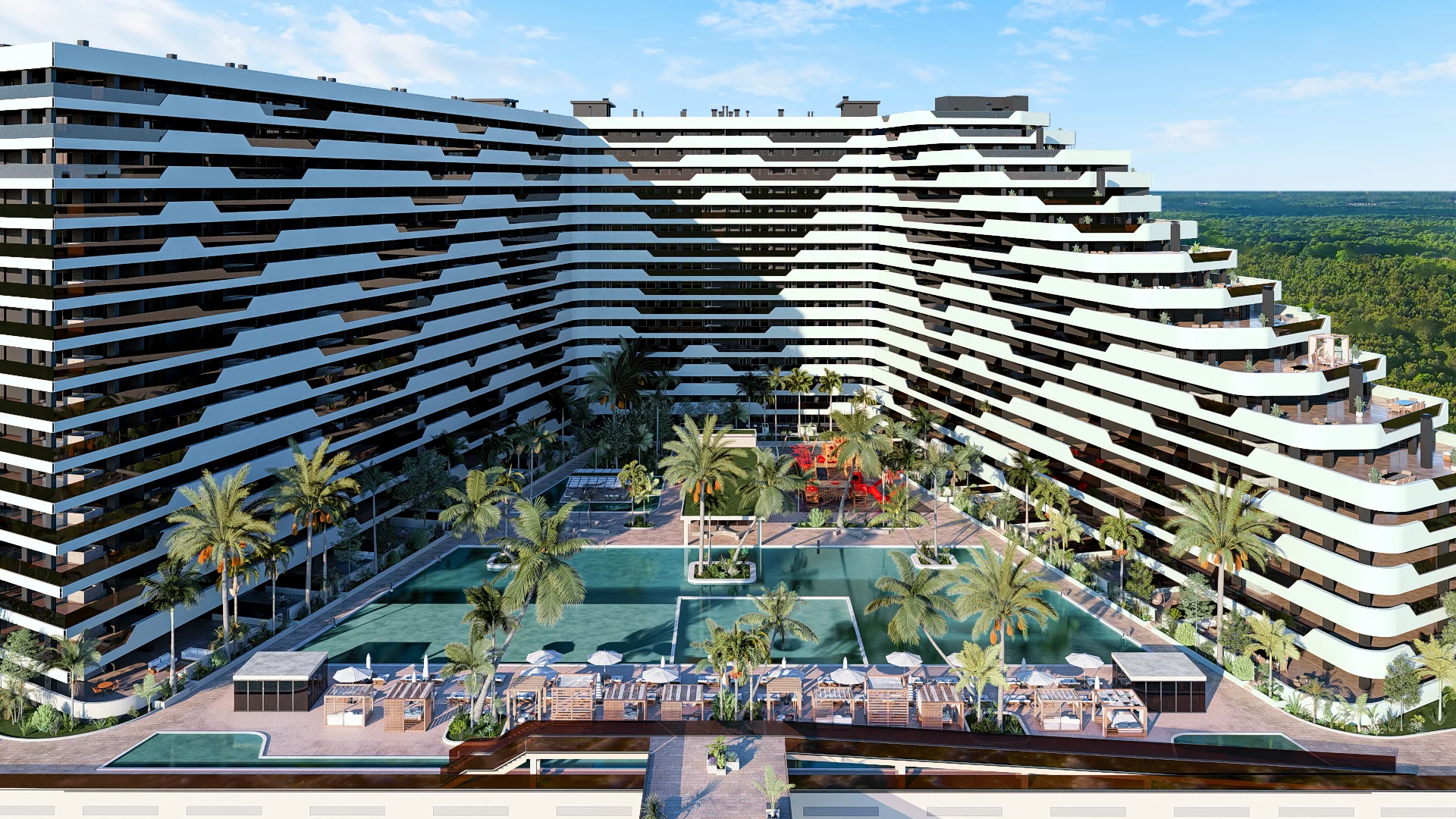
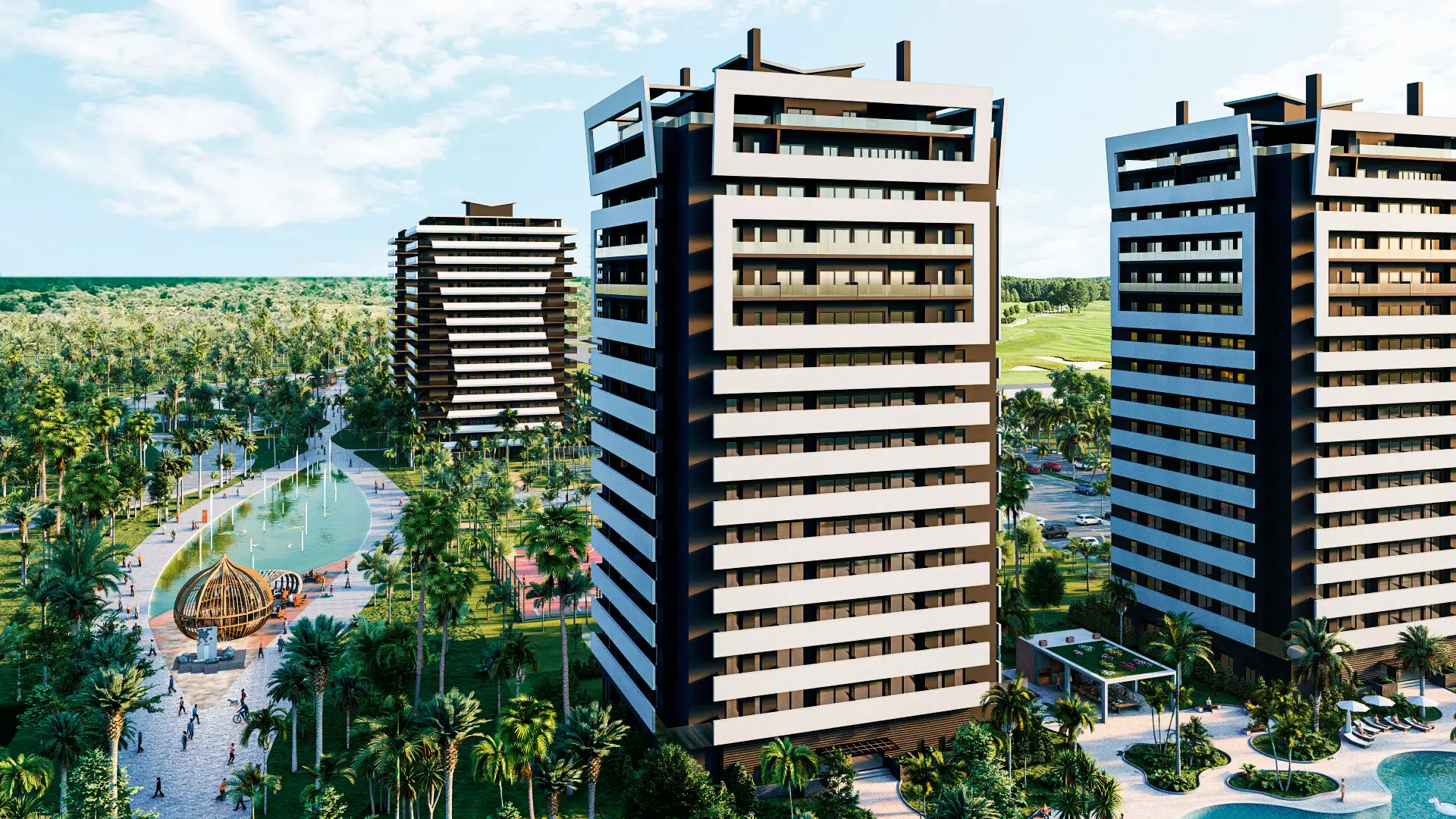
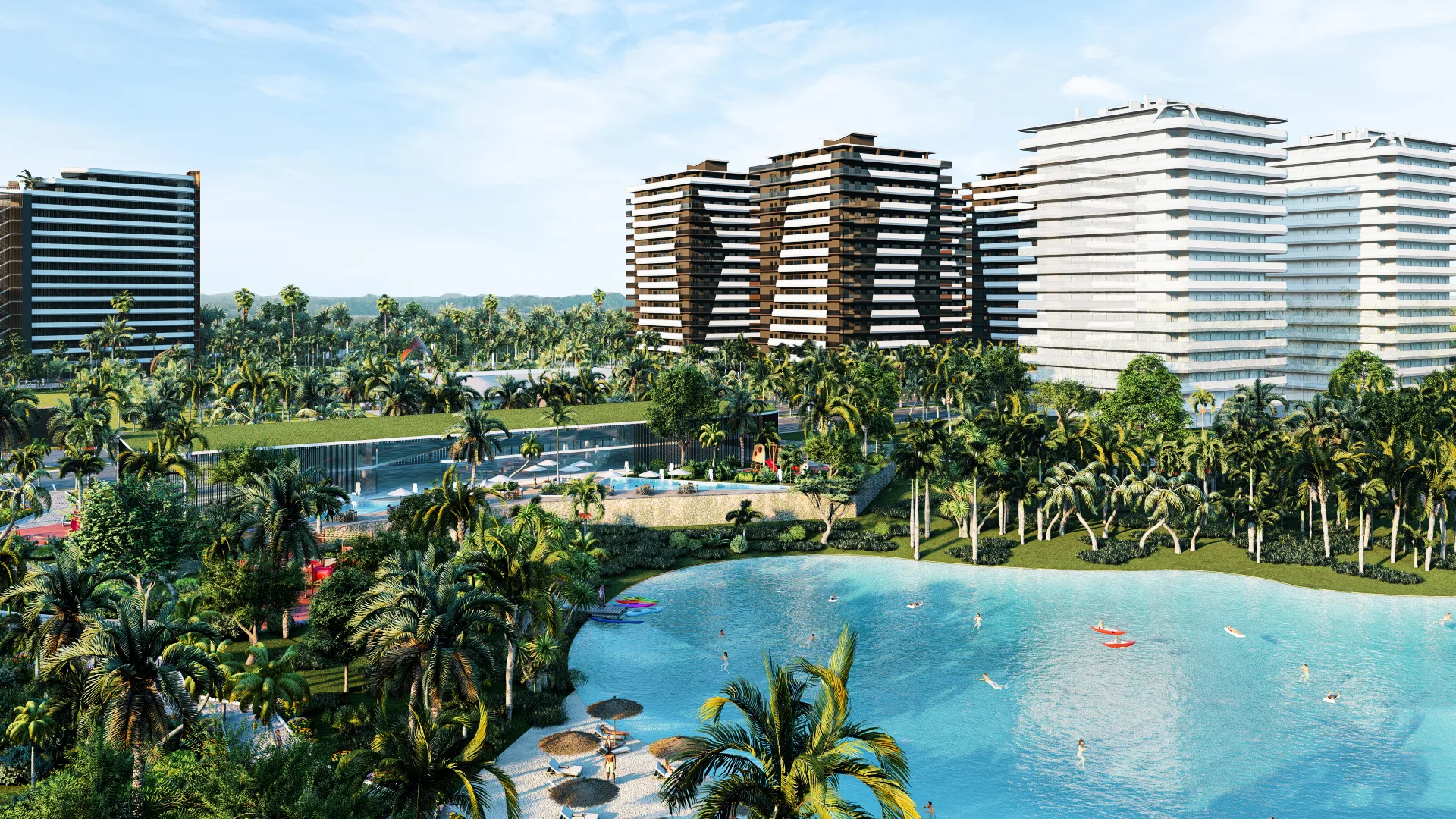
That same philosophy inspires the design of Larimar City & Resort. Conceived as the first Smart City in the Caribbean, the project is committed to creating spaces that encourage community life and well-being, integrating plazas, promenades, green areas, retail areas and dining venues designed for enjoying shared time. Because quality of life does not depend only on technology or architecture, but also on the possibility of connecting with those around us.
In an increasingly fast-paced world, reclaiming those small daily routines has become a true luxury. Sharing a coffee with friends, chatting with neighbors or enjoying a walk at sunset are all part of a way of understanding life that is deeply tied to Dominican identity. And it is precisely that combination of innovation, community and tradition that Larimar City & Resort seeks to bring to a new generation of residents who have found in the Dominican Republic much more than a destination.
Written by
Macarena Perona
Directora de Comunicación
Featured projects
Explore the residential projects of Larimar City mentioned in this article.
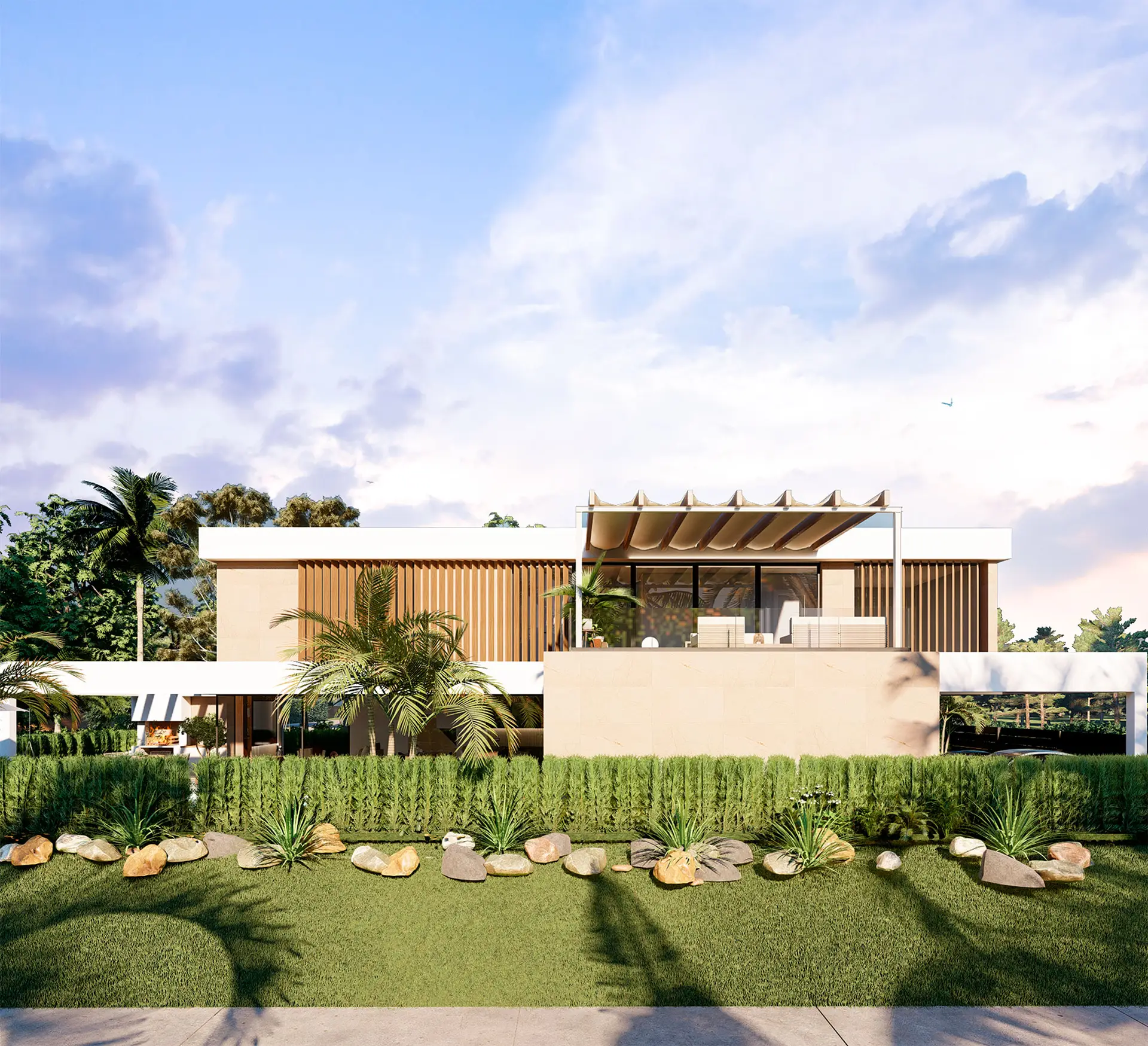
Smart Investment
Join the first Smart City in the Caribbean. Discover how Larimar City redefines safety and property value in Punta Cana.
Request informationMore Articles
Biophilic design: conscious architecture that improves quality of life and cuts environmental impact

Slow living and integrated wellness: the Caribbean answer to global stress