Javier Francisco Raposo: 'The True Success of a City Will Depend on Its Ability to Create Community'
 Macarena Perona · Communications Director
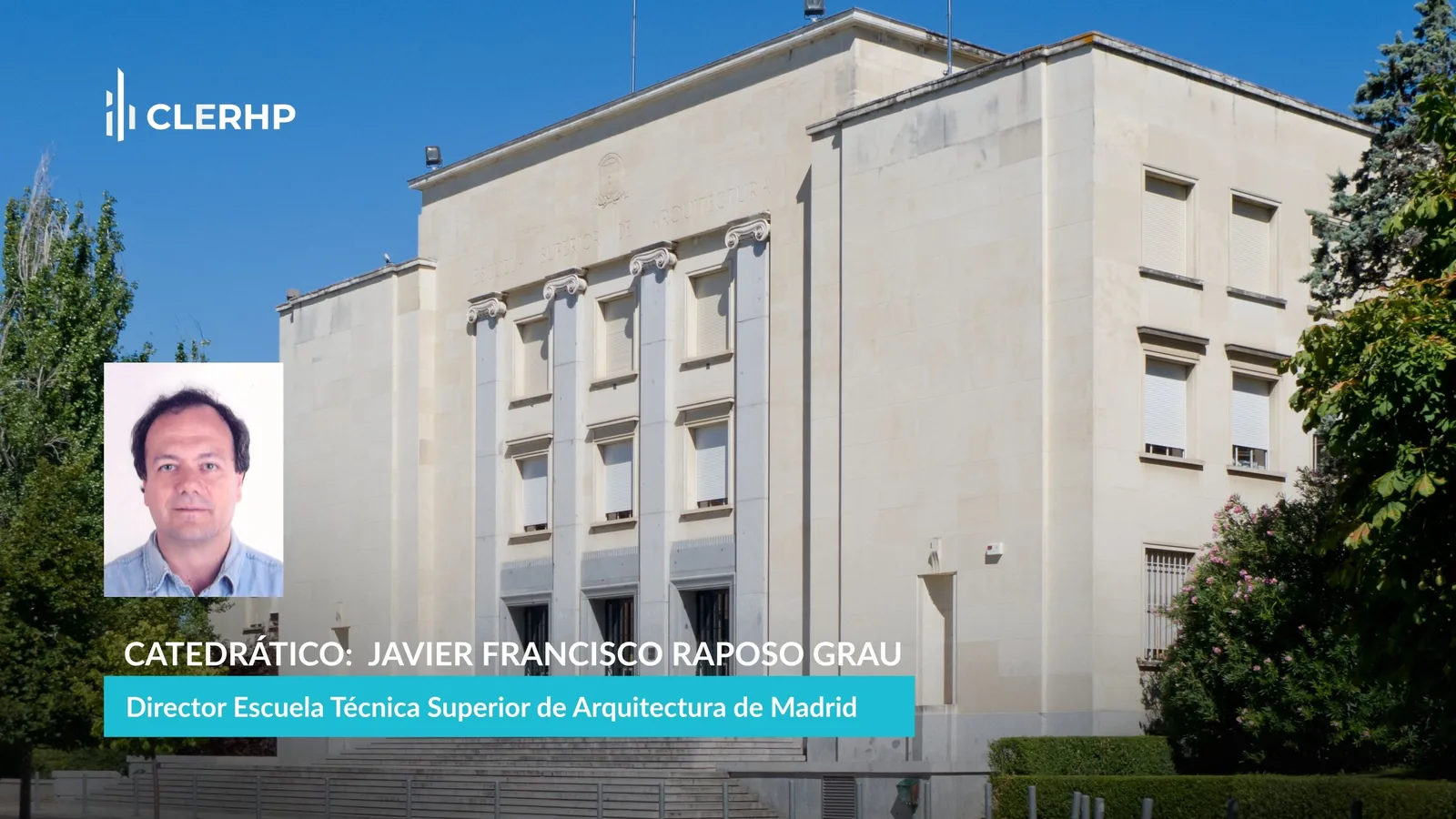
Director of the Madrid School of Architecture (ETSAM), Javier Francisco Raposo Grau reflects on architecture, sustainability, Spanish talent and the cities of the future. A conversation that takes on a special dimension when talking about Larimar City & Resort and Juan Andrés Romero, a former student of the UPM (Universidad Politécnica de Madrid, Spain).
There are projects born to construct buildings and others that aspire to build a city. And that difference forces us to look at architecture from a much broader perspective: territory, sustainability, quality of life, identity, innovation and, above all, people.
At Larimar City & Resort that reflection takes on an especially significant dimension. Planning a city from its origin means thinking not only about how we want to build today, but also about how we want to live tomorrow.
We spoke with Javier Francisco Raposo Grau, professor and director of the Madrid School of Architecture (ETSAM), about the cities of the future, Spanish talent and new urban models. A conversation that also brings us closer to Larimar City and to the career of Juan Andrés Romero, a former ETSAM student who today leads one of the great urban transformation projects of the Caribbean.
Architecture has the capacity to transform territories and improve people's lives. From your experience, what elements must a project bring together to be considered truly successful?
A project is truly successful when it transcends its physical limits and generates a positive, lasting impact on people's lives and on the territory where it is built. Architectural quality is important, but on its own it does not guarantee success. A good project must respond to real needs, integrate properly into its context, respect the cultural and environmental values of the place and provide solutions that improve the everyday experience of those who use and inhabit it.
I believe the most valuable projects are those that manage to generate benefits that go beyond the architectural intervention itself. Projects that drive economic activity, foster social cohesion, improve public space, attract new opportunities and help reinforce the identity of the places where they are developed. Architecture reaches its fullest expression when it becomes an instrument at the service of collective progress and better quality of life.
Sustainability has become an essential concept, although it is sometimes used superficially. What characteristics must a project meet to be truly sustainable?
Sustainability must be understood as an integral commitment and not as a simple set of technological solutions or regulatory environmental certifications. It is a way of conceiving architecture and urbanism that simultaneously considers the environmental, social and economic dimensions of each intervention, assessing not only its immediate impact but also its long-term consequences.
In the case of new urban developments, sustainability must be present from the outset, integrating environmental planning, energy efficiency, intelligent infrastructure management and urban quality as inseparable elements. This means analysing the territory, its resources and its limitations before intervening, promoting growth models consistent with the environmental and social characteristics of each place.
Ultimately, a project is truly sustainable when it manages to generate value for society while consuming fewer resources, reducing its environmental impact and maintaining its usefulness and quality over time. Sustainability is not a condition added to the project; it must be part of its very conception and become one of the principles guiding all design, planning and management decisions.
How can architecture help build more resilient cities, prepared to face challenges such as population growth, climate change or the mobility of the future?
Urban resilience depends to a great extent on the capacity for anticipation. And this question is directly linked to the very essence of architecture and urbanism. To design means to imagine, propose and develop responses for situations that do not yet fully exist, but which will condition the way we live in the future. Architecture has always largely consisted of anticipating needs and preparing spaces to respond to changing scenarios.
Architecture and urbanism can contribute decisively to that resilience through the creation of compact, mixed and efficient environments, where housing, economic activity, services and public space maintain balanced relationships. Sustainable mobility, green infrastructure, responsible water management, energy efficiency and climate adaptation strategies must be understood as integrated elements of a single urban model, not as independent actions.
Architecture's most important contribution to urban resilience is helping to build cities prepared for the future without giving up their identity. Cities capable of responding to environmental, social and economic challenges with intelligence, anticipation and balance, while guaranteeing the wellbeing of their inhabitants and the sustainability of their long-term development.
We often talk about buildings, but perhaps the real challenge is designing for people. What role does the human factor play today in contemporary architecture and urbanism?
The human factor must always be at the centre of any architectural and urban project. Buildings and cities only make sense insofar as they serve people and help improve their quality of life. Architecture is not just about building physical spaces, but about creating settings for everyday life, for meeting, learning, work, culture and coexistence.
That is why the great challenge of contemporary urbanism is to design cities that are not only efficient and sustainable, but also capable of generating wellbeing, strengthening social bonds and offering opportunities for everyone. Ultimately, the success of architecture is not measured only by the quality of the buildings it constructs, but by the quality of life it is able to provide to the people who inhabit them.
What are the main trends defining urban and residential design internationally?
We are currently seeing several converging trends. Among them are the city of proximity, urban regeneration, the decarbonisation of building, the integration of green infrastructure, sustainable mobility and the digitalisation of urban management. At the same time, there is growing sensitivity toward preserving local identity and recovering architectural and urban heritage, fundamental elements to avoid the homogenisation of our cities.
Smart city models are also becoming increasingly relevant, understood not as a mere incorporation of technology into the urban environment, but as an integral strategy aimed at improving the efficiency of services, optimising the use of resources and raising citizens' quality of life. Their goal is to promote smarter, more sustainable city management, strengthening the relationship between people, institutions, technology and the environment, and promoting a more efficient balance between all these elements.
Spain has historically been a global reference in architecture, urbanism and engineering. What sets Spanish talent apart and why does it remain in such demand in international markets, especially in Latin America?
Spain has developed a solid architectural and urban-planning tradition distinguished by its ability to combine creativity, technical rigour, innovation and research with a special sensitivity toward the historical, cultural and social values of each context. This trajectory, built over decades of professional practice, teaching and intellectual production, has given rise to an architecture internationally recognised for its quality, its capacity to adapt and its commitment to contemporary challenges.
In the case of Latin America, there are also deep historical, cultural and linguistic ties that favour dialogue, cooperation and the exchange of knowledge. This closeness makes it easier to understand shared problems and helps develop solutions adapted to local realities, from a common base of understanding and collaboration.
Larimar City & Resort proposes the development of a city planned from scratch in the Dominican Republic. Did you know the project? Which aspects do you find most interesting from an urban-planning and architectural point of view?
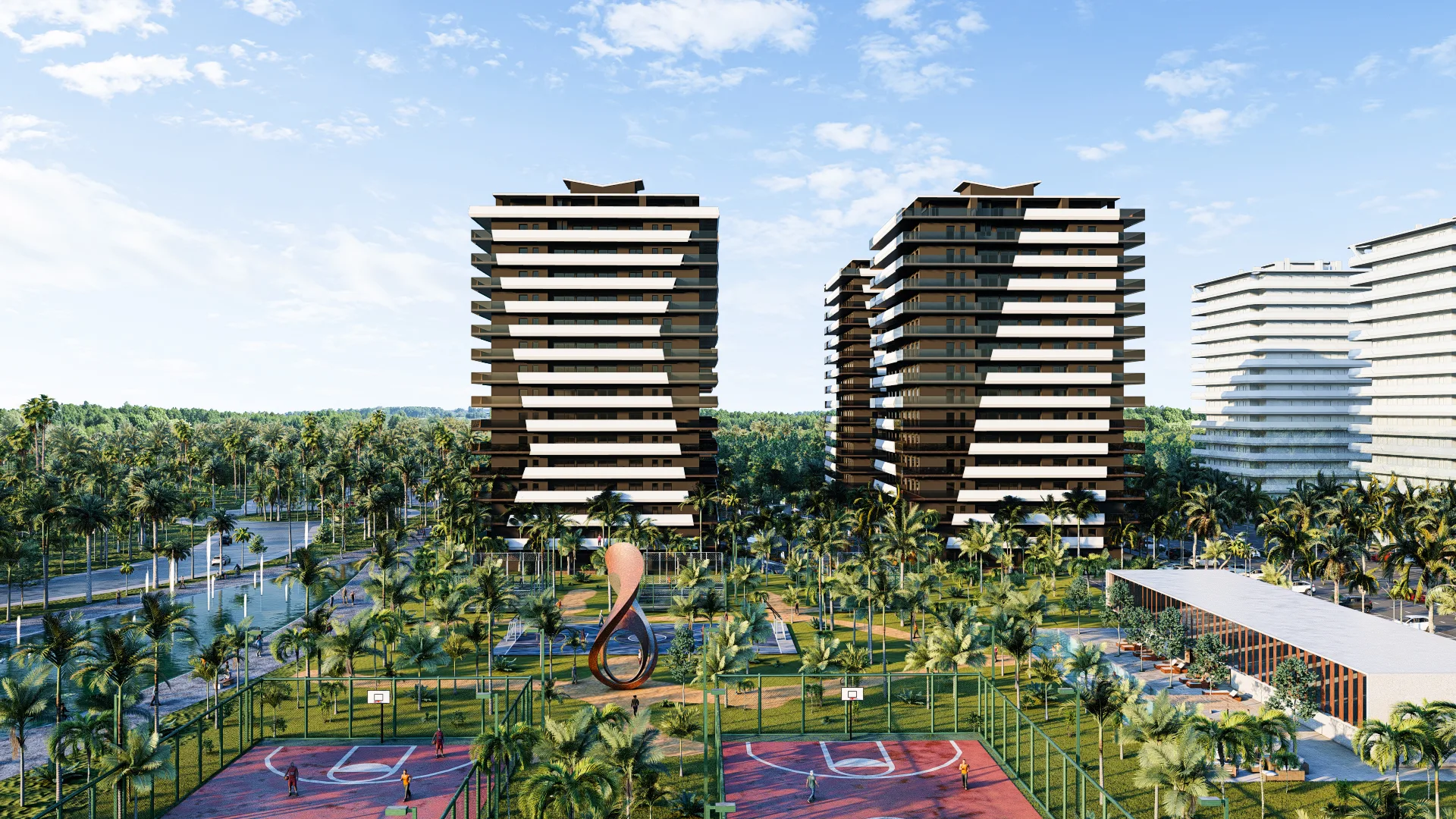
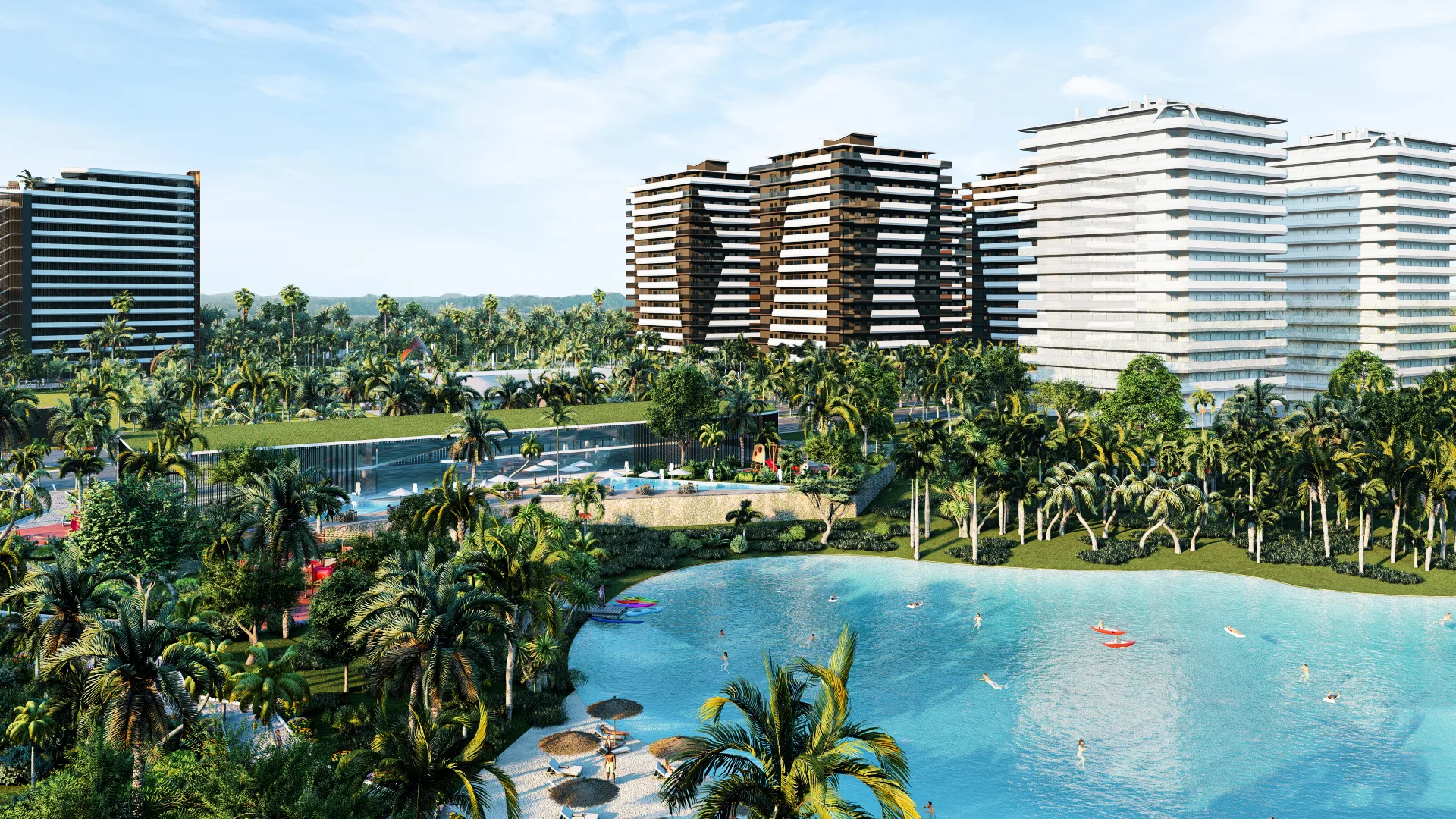
I have had the chance to learn about the general philosophy of the project and I find especially interesting the opportunity it offers to plan a city in an integral way from its earliest stages. There are few occasions when an urban development can be approached with a global vision, defining from the beginning the relationship between residential spaces, economic activities, infrastructure, facilities, green areas and mobility systems. This circumstance makes it possible to lay more coherent foundations for future growth and avoid many of the problems arising from fragmented urban processes or those developed successively and without coordination.
From an urban-planning point of view, the possibility of incorporating from the outset advanced criteria of sustainability, energy efficiency, responsible water management, sustainable mobility, digital connectivity and landscape integration as an essential part of the urban structure is especially relevant. Early planning also facilitates the creation of quality public spaces, capable of fostering coexistence, social activity and the construction of a collective identity, fundamental aspects for the long-term success of any urban project.
From an architectural perspective, the opportunity to develop a coherent proposal in which architecture, urbanism and the natural environment form part of a single vision is also interesting. The quality of the built spaces, suitability to the local climate, the relationship with the landscape and the ability to generate liveable, attractive environments for people must be central elements of any project of this kind.
The true success of a city will not depend solely on technology, the quality of its infrastructure or the excellence of its planning. Cities are, above all, spaces of human coexistence. For that reason, their capacity to generate community, social roots and lasting bonds between their inhabitants will always be the determining factor in their consolidation and permanence over time. The most valuable cities are those that manage to combine innovation, sustainability and quality of life with a deep understanding of the culture, social needs and characteristics of the territory where they develop.
Projects like Larimar City & Resort represent an especially interesting opportunity to reflect on how we want to build the cities of the future: cities capable of integrating economic development, urban quality, environmental respect and social cohesion within a single growth model. That balance is, ultimately, the great challenge and also the great responsibility of those involved in their planning and development.
As head of one of Spain's most prestigious architecture schools, how do you view former students leading territorial transformation projects of this scale in international markets?
It is an enormous satisfaction for any academic institution to see its former students take on leadership positions and participate in highly relevant territorial transformation projects in different countries. The Universidad Politécnica de Madrid, and the Madrid School of Architecture (ETSAM) of which I am director, have as their mission to train professionals capable of facing complex challenges, generating knowledge and providing solutions to society's needs.
Internationally, these professionals also become true ambassadors of the knowledge, technical capacity and architectural culture developed in our schools. Their work helps strengthen ties between countries, encourages the exchange of experiences and shows that Spanish architecture has professionals prepared to act with competence in projects of great complexity and responsibility.
From the university, we view these achievements with pride, but also as a responsibility. They are the best proof that training, research and innovation are fundamental tools for positively transforming territories and improving people's lives.
Juan Andrés Romero studied at this school and today leads one of the most ambitious urban developments in the Caribbean. How important is it for an academic institution to see its graduates project the knowledge they acquired into initiatives of international scope?
When a former student leads highly complex initiatives with international reach, as is the case of Juan Andrés Romero, it demonstrates the value of an education that combines technical knowledge, analytical capacity, strategic vision and commitment to contemporary challenges. These projects require not only design capabilities, but also leadership, management, an understanding of urban processes and an integral vision of the transformations that cities and territories are undergoing.
For an academic institution like the Madrid School of Architecture (ETSAM), and for me, as professor and director, it is especially gratifying to see that its graduates are able to succeed in international contexts and take on responsibilities in large-scale projects, contributing to the creation of new opportunities for economic, social and urban development. Their careers show that the training they received can become an effective tool for facing complex challenges and generating innovative proposals in very diverse environments.
These cases are a valuable source of inspiration for new generations of students. They help them understand that architecture and urbanism are disciplines with an enormous capacity for transformation and that the knowledge acquired during their university years can be projected far beyond the local sphere. Seeing former students leading internationally relevant projects conveys a message of confidence, effort and professional ambition that strengthens the bond between the university and its students.
Today, ETSAM is represented all over the world by its former students, who are, without a doubt, its best ambassadors.
If you had to highlight the qualities an architect must have to go from designing buildings to leading projects capable of transforming cities and generating economic development, what would they be?
I would say that strategic vision, leadership, management capacity, social and environmental sensitivity, and a deep understanding of the territory are essential. As the scale of intervention grows, the architect no longer faces only the design of buildings but takes on the responsibility of understanding and coordinating far more complex processes, involving economic, social, environmental, cultural and institutional factors.
Transforming cities requires going far beyond the scale of the building. It means understanding the relationships between housing, mobility, economic activity, public space, infrastructure, sustainability and quality of life, as well as the way all these elements influence the balanced development of a territory. It also requires the ability to anticipate future scenarios and make decisions that generate lasting value for society.
Knowing how to listen, engage in dialogue and coordinate multidisciplinary teams is fundamental. Great urban transformations are always the result of collective efforts involving public administrations, companies, technicians, investors and citizens. That is why, alongside technical knowledge, communication, negotiation and consensus-building skills are necessary.
Anyone who aspires to lead projects capable of transforming cities must combine creativity and rigour, vision and execution capacity, innovation and responsibility. They must be able to integrate diverse interests, build consensus and steer urban transformation processes toward shared goals of development and collective wellbeing.
When you think about the cities of the future, what would you like the next generations to say about the architects and urban planners who designed them?
I would like them to say that we were able to build more human, more sustainable and more inclusive cities. That we knew how to place people at the centre of our decisions and that we understood the city not just as a physical space, but as the setting where collective life, coexistence and the progress of communities unfold.
That we knew how to seize the opportunities of innovation without sacrificing the identity of places or the cultural richness of our communities. That we understood that progress does not consist of replacing what exists, but of intelligently integrating tradition and innovation, preserving the values that give each city its character and singularity.
I would also like them to say that we were able to balance economic growth with the preservation of local life, of neighbourhoods, public space and the human relationships that make a city truly a place to live. That we understood that a city's success is not measured only by its infrastructure, technology or economic indicators, but also by its capacity to generate wellbeing, opportunities, social cohesion and a sense of belonging.
In short, I would like future generations to recognise that we acted with responsibility, sensitivity and long-term vision; that we managed to leave cities better prepared to face the challenges of the future, but also more liveable, more balanced and more respectful of their environment and their history. If we could be remembered that way, it would mean that architecture and urbanism fulfilled their most important mission: helping to improve people's lives and building a positive, lasting legacy for future generations.
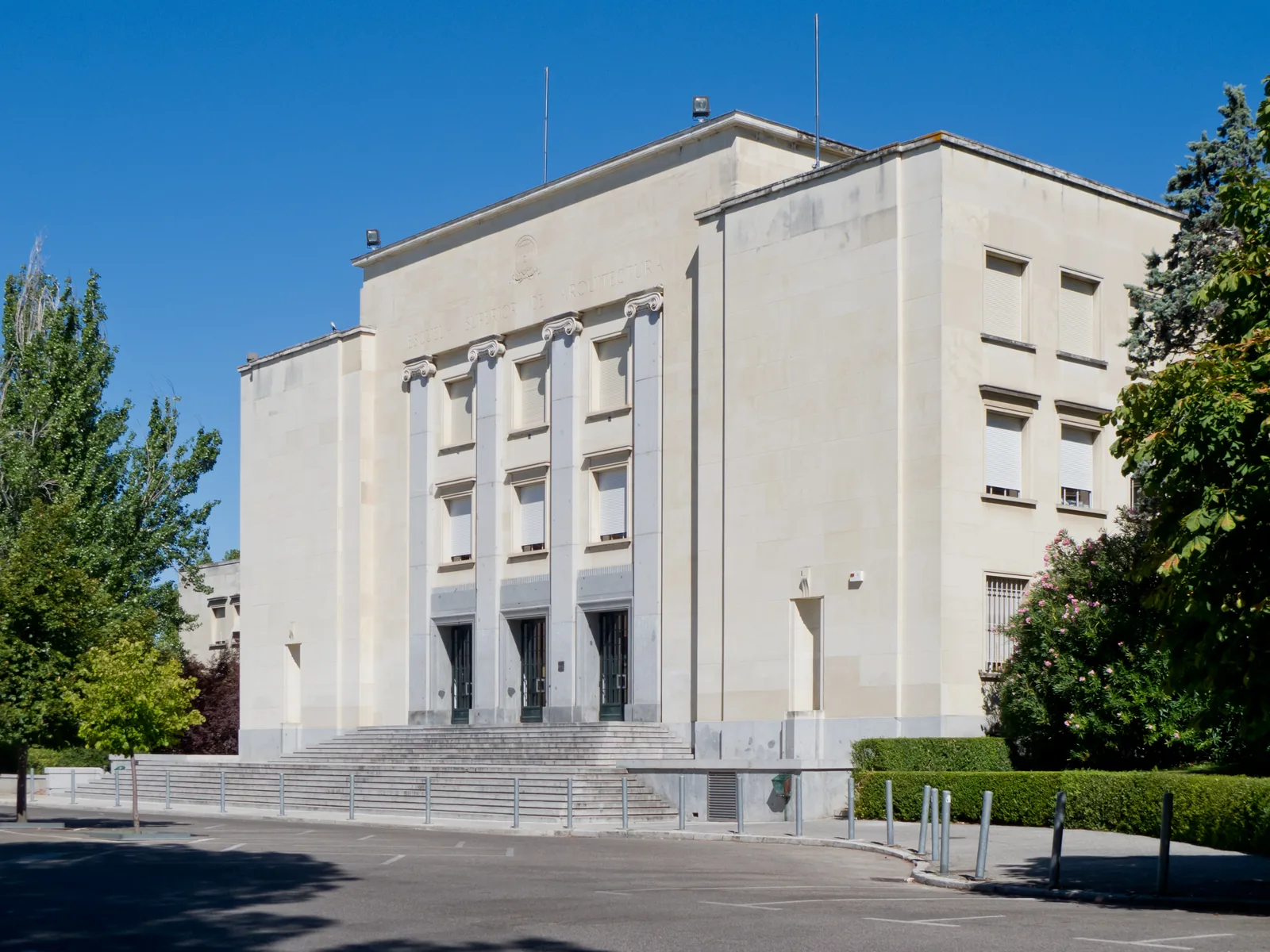
More about the Madrid School of Architecture: etsamadrid.aq.upm.es
Written by
Macarena Perona
Communications Director
Featured projects
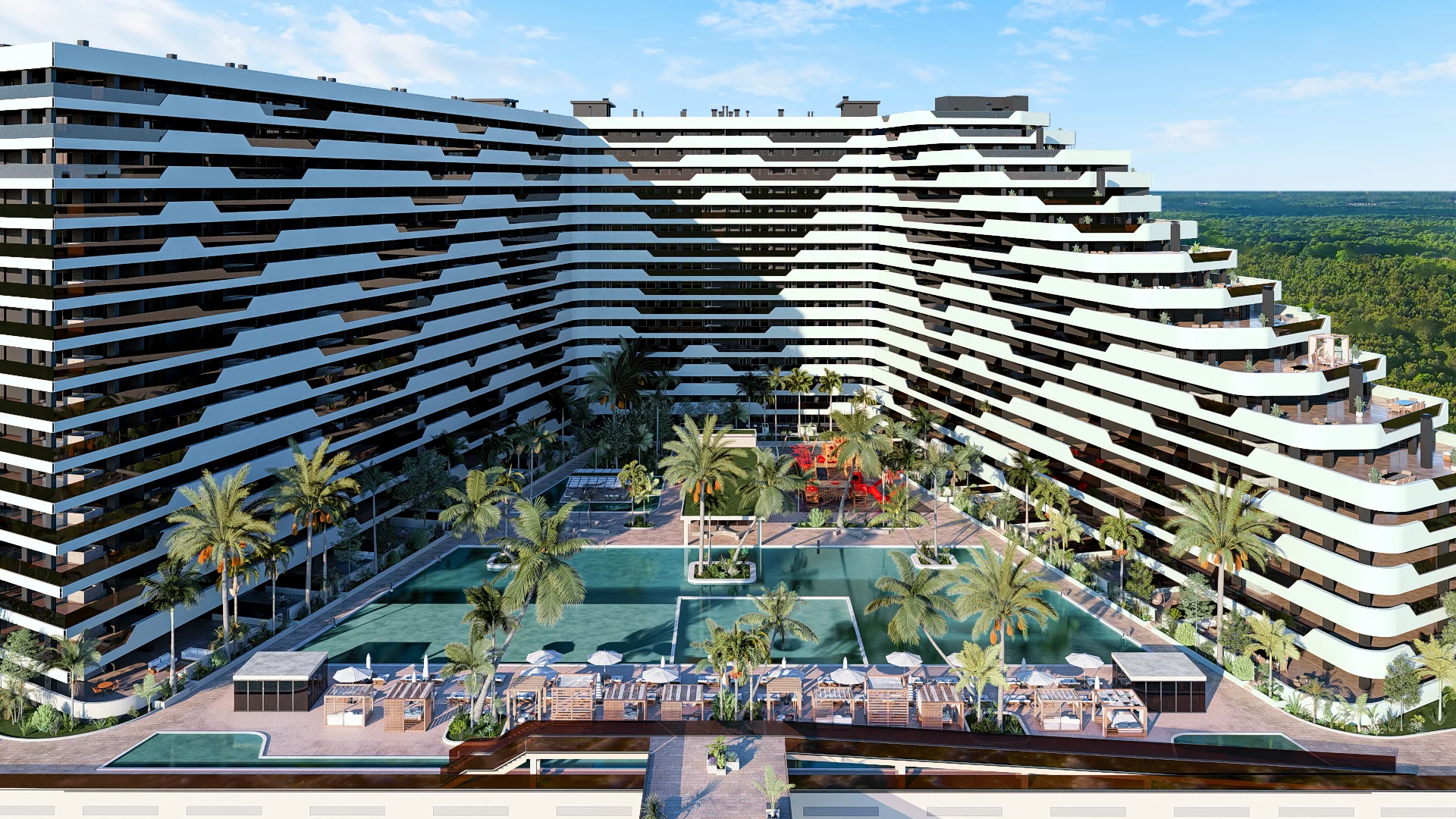
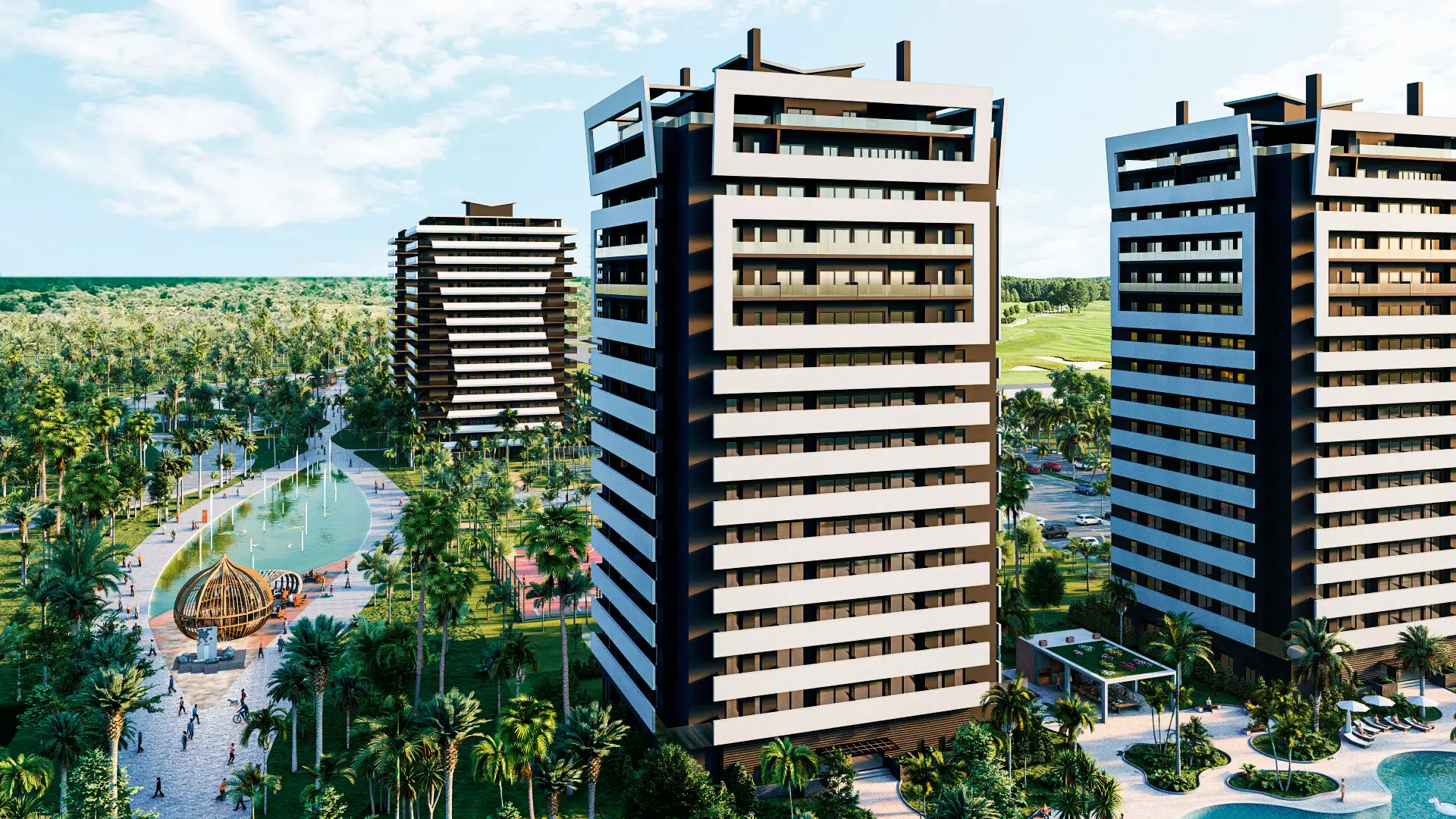
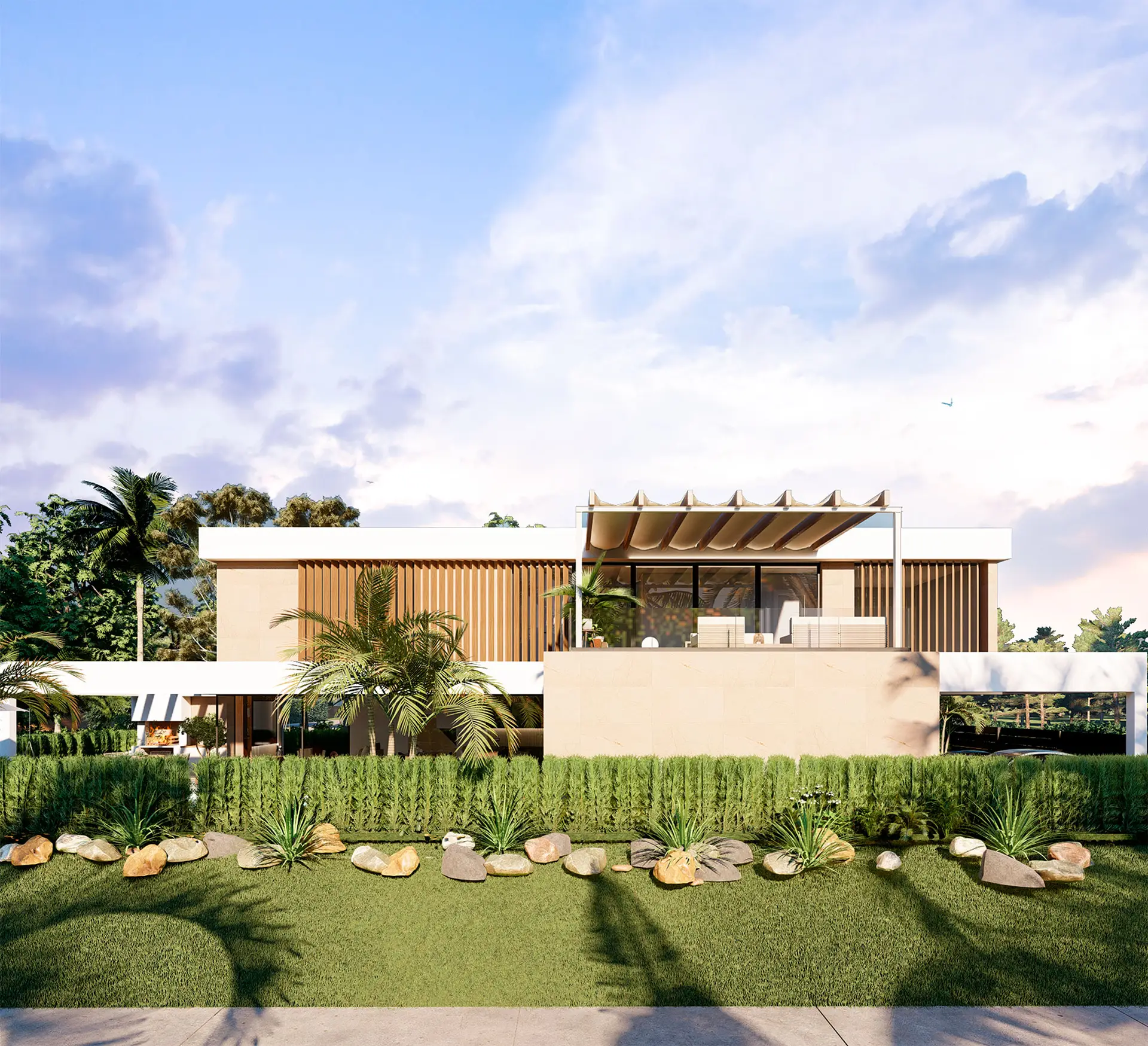
Explore the residential projects of Larimar City mentioned in this article.
Smart Investment
Join the first Smart City in the Caribbean. Discover how Larimar City redefines safety and property value in Punta Cana.
Request information