Sustainable tourism in the Dominican Republic: how the country adapts to new global demands
Sustainable tourism in the Dominican Republic: how the country adapts to new global demands
Sustainable tourism has stopped being a simple trend to become an unavoidable global requirement. Today, travelers don't just look for paradisiacal beaches and luxury resorts — they look for destinations that demonstrate a real commitment to the environment, local culture, and responsible economic development.
In this context, the Dominican Republic has positioned itself as one of the leading Caribbean countries in adopting sustainable tourism practices. Through public policy, private investment, and greater social awareness, the country is transforming its tourism model to align with international standards and meet the expectations of an increasingly informed and demanding traveler.
This change not only positively impacts the tourism sector, but also opens new opportunities in areas like sustainable real estate investment, community tourism, and responsible urban development.
The paradigm shift in the Dominican tourism model
For decades, the traditional sun-and-beach model was the main engine of Dominican tourism. This approach allowed for accelerated growth of the sector and positioned the country as one of the most visited destinations in the Caribbean. However, it also generated challenges related to intensive use of natural resources, waste management, and pressure on fragile ecosystems.
New demands from the international market have driven an evolution toward a more balanced model where sustainability and efficiency play a central role. The Dominican government, in collaboration with the private sector and international organizations, has implemented regulations and programs that promote more conscious tourism.
This approach not only protects natural resources but also guarantees the long-term viability of tourism, strengthens the country's image as a responsible destination, and increases the confidence of domestic and foreign investors.
Pillars of the green transformation
The transition toward sustainable tourism in the Dominican Republic rests on four fundamental pillars that guide both tourism and real estate projects:
- Energy efficiency: installing solar panels, photovoltaic farms, and smart energy-saving systems in hotels, resorts, and residential developments significantly reduces the carbon footprint.
- Responsible water management: state-of-the-art treatment plants, reuse systems, and efficient desalination processes help preserve one of the country's most valuable resources.
- Zero waste and circular economy: comprehensive recycling, composting, and the progressive elimination of single-use plastics help minimize environmental impact and foster a culture of responsible consumption.
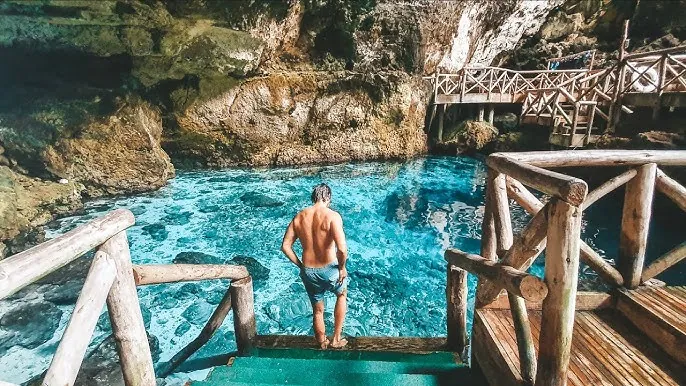
- Biodiversity protection: coral reef restoration initiatives, mangrove conservation, and protection of natural areas guarantee ecosystem preservation for future generations.
These pillars have become a quality standard that elevates the Dominican Republic's competitiveness compared with other Caribbean destinations.
Leading destinations in responsible practices
Although progress toward sustainability isn't uniform across the territory, some regions stand out as references in responsible tourism and serve as models for the rest of the country.
Punta Cana and the use of renewable energy
Punta Cana has been a pioneer in adopting renewable energy within the tourism sector. Major resorts and residential complexes have invested in solar panels, efficient lighting systems, and automation technologies that reduce energy consumption. Many of these projects have international certifications like Green Globe or EarthCheck, which not only reduce environmental impact but also improve their positioning before an increasingly conscious global market.
The impact of community tourism and agritourism
Sustainability isn't limited to the environmental aspect — it also includes a social and economic dimension. Community tourism and agritourism allow the sector's benefits to reach local families directly, reducing inequality and strengthening the regional economy.
- Cacao and coffee routes: visitors can tour organic farms, learn about production processes, and directly support small producers.
- Local craftsmanship: promoting handmade products preserves Dominican cultural identity and encourages responsible consumption.
Key data: 75% of Generation Z travelers prefer destinations that demonstrate ethical and sustainable practices, which reinforces the importance of this model for the future of tourism.
Real estate investment and sustainable construction
The sustainable approach has powerfully permeated the Dominican real estate sector. More and more developments incorporate environmental criteria from the design phase, prioritizing energy efficiency, responsible water use, and harmonious integration with the surroundings.
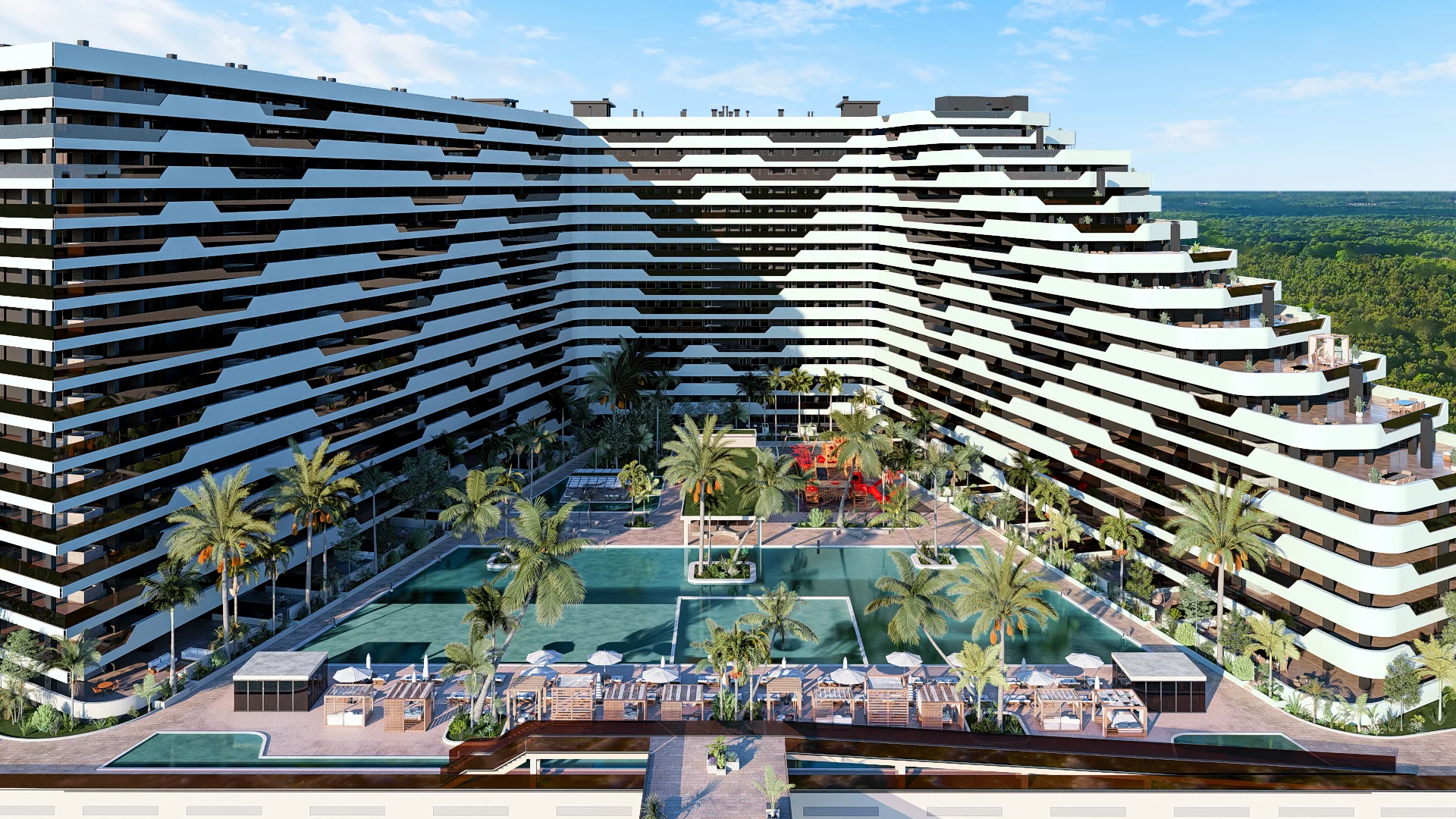
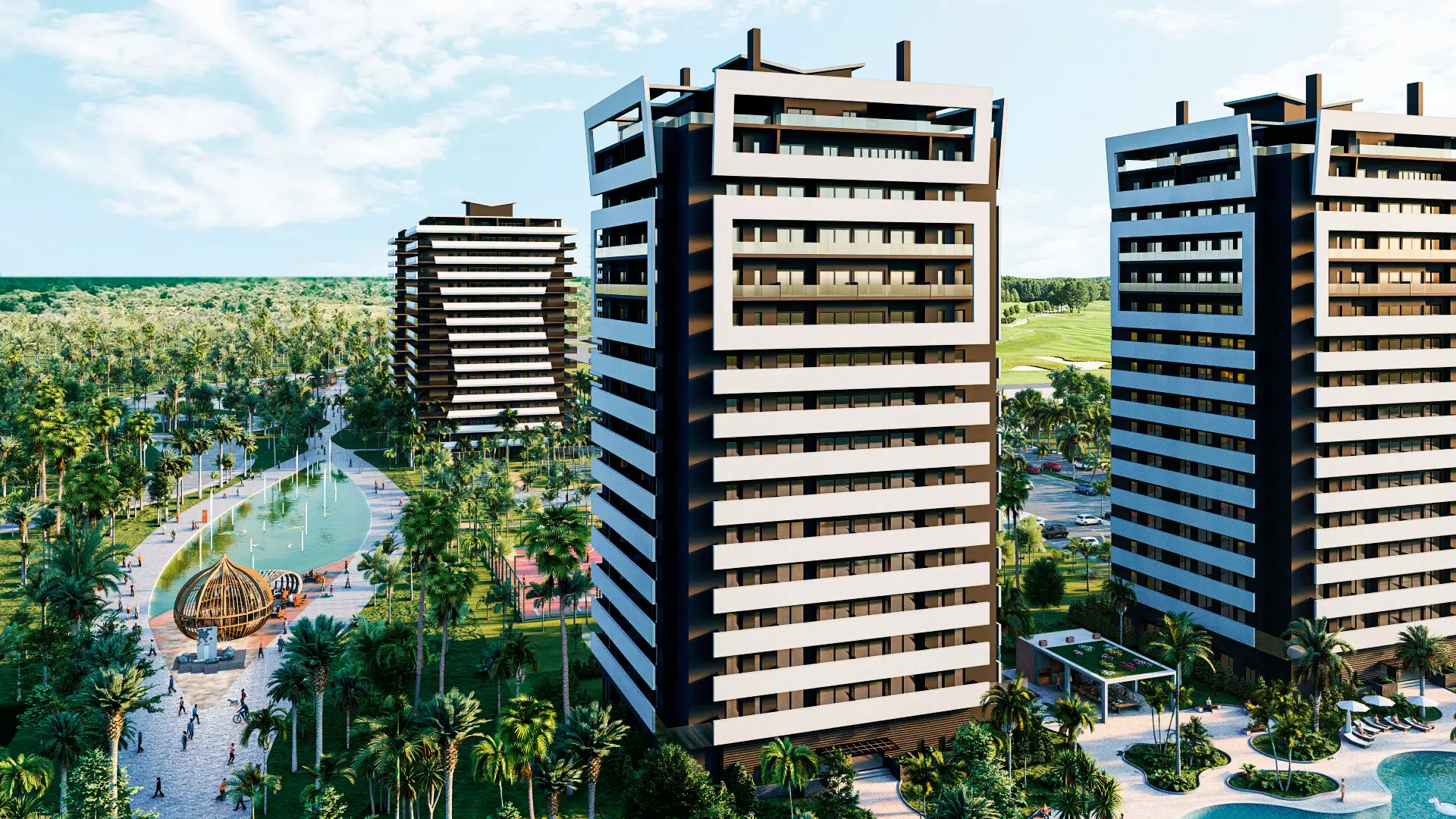
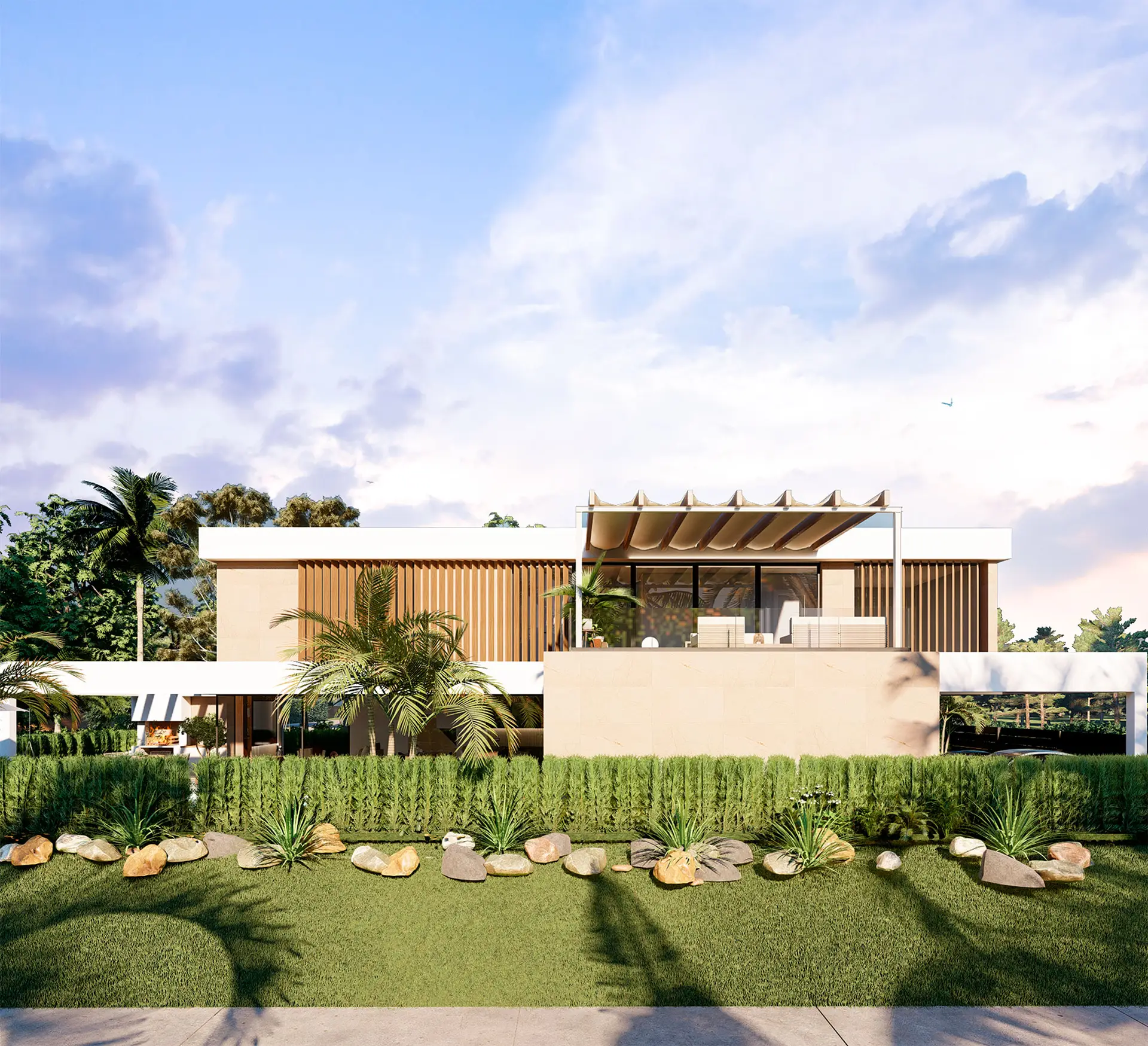
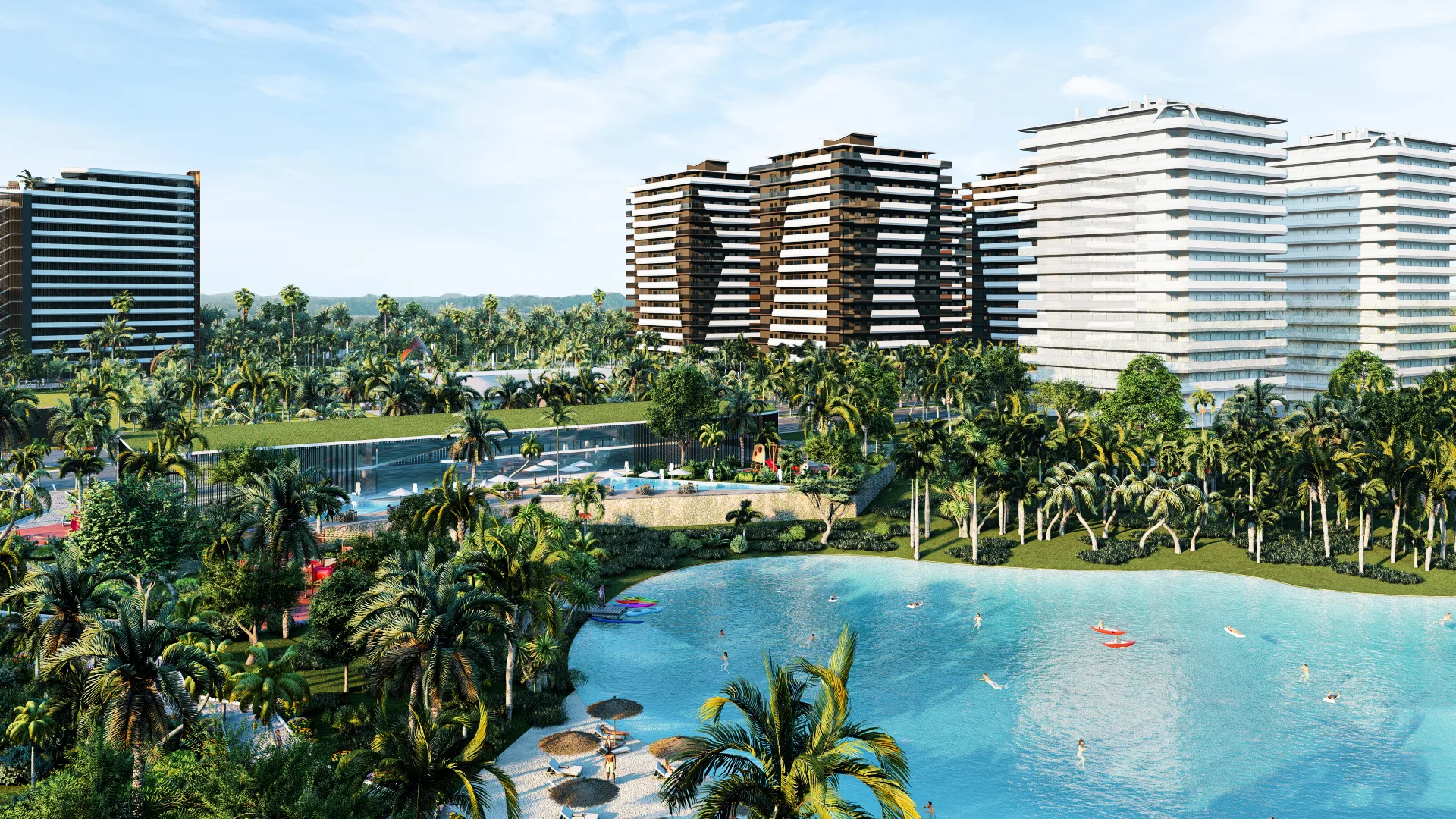
Projects like Larimar City & Resort represent this new vision of sustainable real estate development in the Dominican Republic — combining comfort, luxury, and environmental responsibility in a single concept.
Benefits of investing in eco-efficient projects
Investing in sustainable properties offers clear competitive advantages:
- Long-term appreciation: properties with green certifications tend to increase in resale value.
- Operational savings: bioclimatic designs and efficient technologies reduce electricity and water costs.
- Wellbeing and quality of life: more green areas, better ventilation, and spaces designed for health and comfort.
Conclusion: a green and prosperous future
The Dominican Republic shows that it's possible to grow rapidly without sacrificing the natural wealth that distinguishes it. Sustainability has become a structural strategy — not just to protect the environment, but to ensure the country's competitiveness in the global tourism market.
This new model opens opportunities for travelers, communities, and investors looking for a balance between returns, wellbeing, and environmental responsibility.
Looking for an investment that combines returns, luxury, and sustainability? Discover how to be part of a project aligned with the future of sustainable tourism in the Dominican Republic and take the next step toward a conscious, strategic investment.
Deborah Hernández Soto
Communications Department
Featured projects
Explore the residential projects of Larimar City mentioned in this article.
Smart Investment
Join the first Smart City in the Caribbean. Discover how Larimar City redefines safety and property value in Punta Cana.
Request informationMore Articles
Biophilic design: conscious architecture that improves quality of life and cuts environmental impact

Slow living and integrated wellness: the Caribbean answer to global stress